Artwork
Elephant Battery on Parade
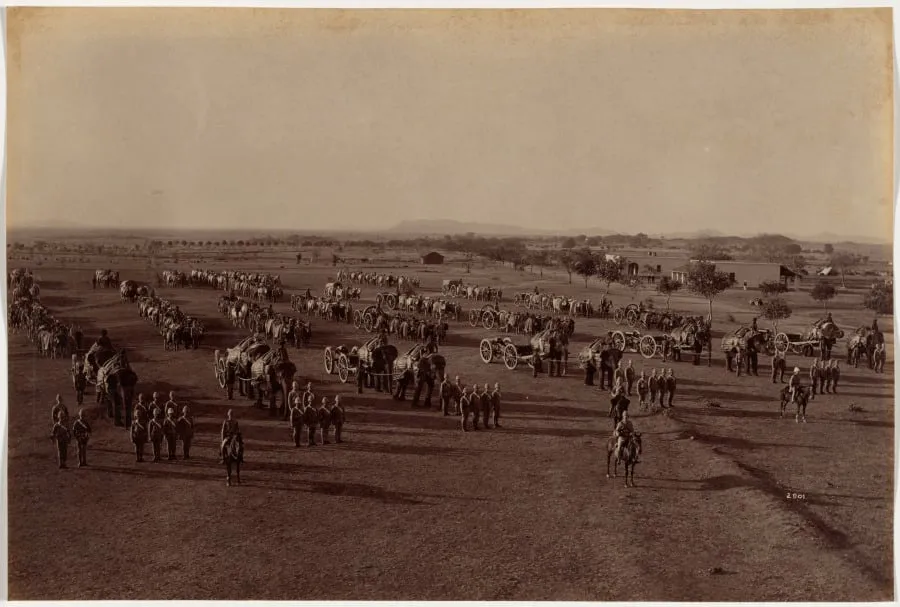
Elephant Battery on Parade is a photography by the Impressionist artist Raja Deen Dayal. It dates from 1886 and is held in the collection of the Cleveland Museum of Art.
About this work
Overview
This photograph captures a ceremonial procession of elephants from the British Indian Army, each bearing artillery pieces and logistical supplies.
This photograph captures a ceremonial procession of elephants from the British Indian Army, each bearing artillery pieces and logistical supplies. Though no longer used in frontline combat, elephants remained vital for moving heavy equipment across terrain inaccessible to wheeled vehicles. Their presence in public parades underscored both practical utility and imperial spectacle, blending military function with colonial display.
Subject & Meaning
The elephants, adorned with decorative harnesses and carrying artillery, symbolize the adaptation of traditional South Asian labor to colonial military needs. Their role shifted from combat to transport, reflecting broader technological changes. The parade format transforms utilitarian work into a public performance, reinforcing imperial authority while acknowledging indigenous capabilities within a colonial framework.
Technique & Style
The photograph employs sharp focus and even lighting to document the elephants’ harnesses, gun carriages, and handlers with clarity. Compositional balance emphasizes the rhythmic line of animals and equipment, avoiding dramatic angles. This documentary approach prioritizes factual record over artistic flourish, typical of late 19th-century military photography aimed at both official use and public consumption.
History & Provenance
Photographs of elephant batteries were widely circulated as souvenirs among British officers and civilians in India during the late 1800s. This image likely originated from a military unit’s official documentation or a commercial photographer’s portfolio. Its survival suggests it was collected as a curio of imperial logistics, preserving a mode of transport soon to be replaced by motorized vehicles.
Context
Elephants had been used in Indian warfare for over two millennia, but by the 19th century, their role was largely logistical. The British Indian Army retained them for their strength and endurance in monsoon conditions and rugged terrain. Their deployment alongside modern artillery created a juxtaposition of ancient and industrial methods, emblematic of colonial adaptation rather than innovation.
Legacy
The image stands as a record of a transitional phase in military history, where pre-industrial labor supported modern warfare. As mechanization advanced, elephant units were phased out, making such photographs rare witnesses to a fading practice. Today, they serve as historical artifacts that illustrate the complex interplay between tradition, empire, and technological change in colonial India.
Artist & collection

Artist
Raja Lala Deen Dayal, famously known as Raja Deen Dayal) was an Indian photographer.

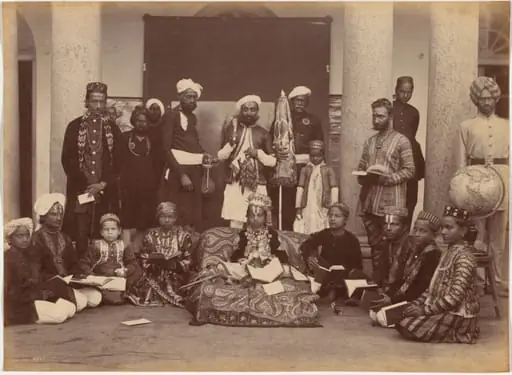 Maharaja of Rewa and Classmates
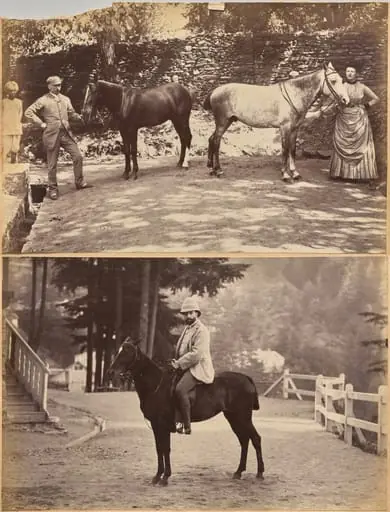 Col. F. G. Oldham (recto, top); Mr. Nowell, Shimla (recto, bottom)
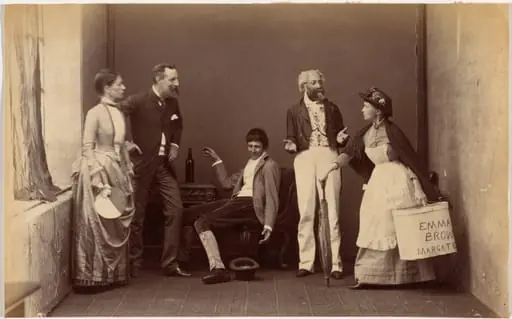 Fancy Group, Indore I
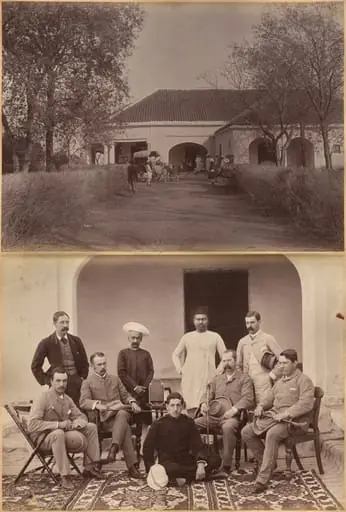 Civil officers at Jhansi (recto); Mr. William's House, Jhansi (verso)
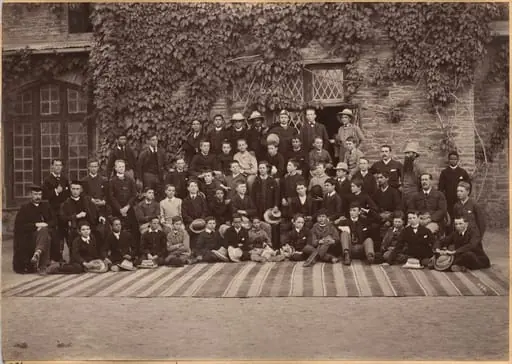 Middle Class Students and Staff, Bishop Cotton School, Shimla (verso)
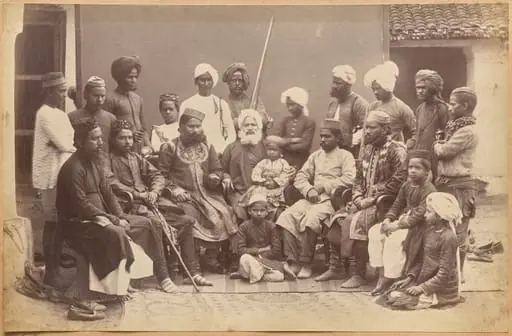 Mowhri Rahman Alli Khan family, Rewa (recto, bottom)
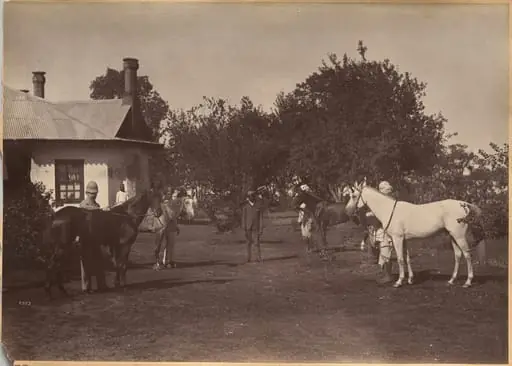 Lord William Beresford's horses
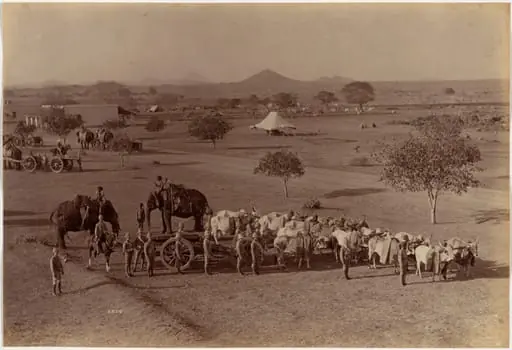 Heavy Field Battery, Jhansi
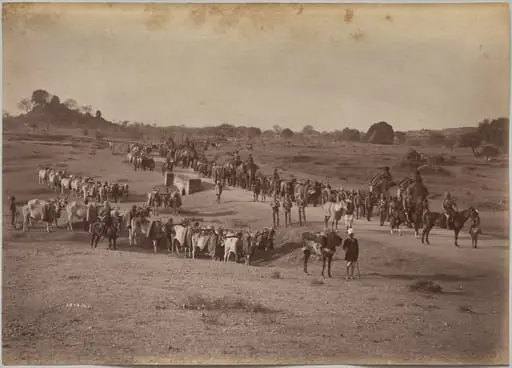 Elephant Battery on March at Jhansi
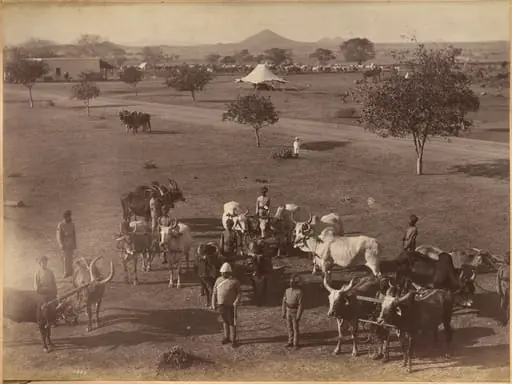 Bullocks of Elephant Battery, Jhansi
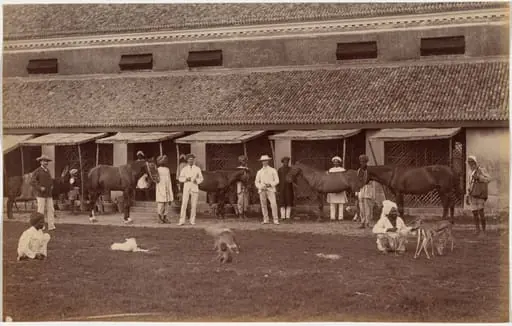 Major Sparks, Indore, July 86
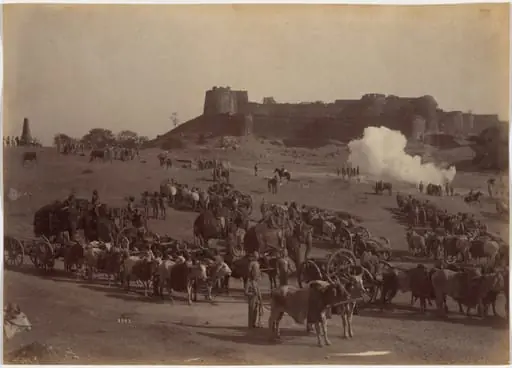 Jhansi Fort and Elephant Battery
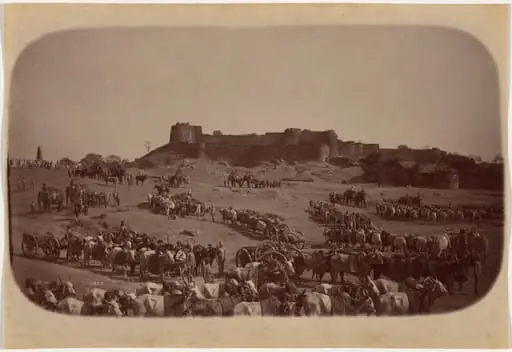 Elephant Battery, Jhansi
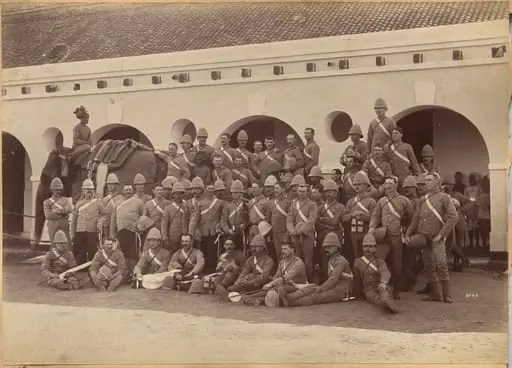 Men of Elephant Battery, Jhansi (verso)
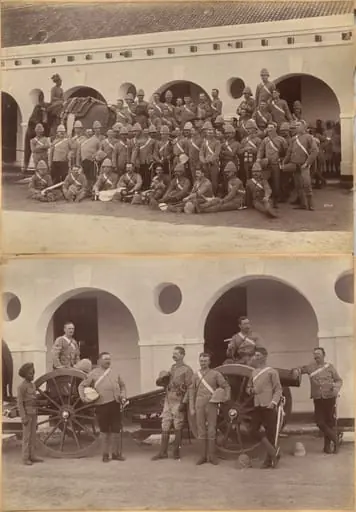 Officers of Elephant Battery, Jhansi (recto); Men of Elephant Battery, Jhansi (verso)
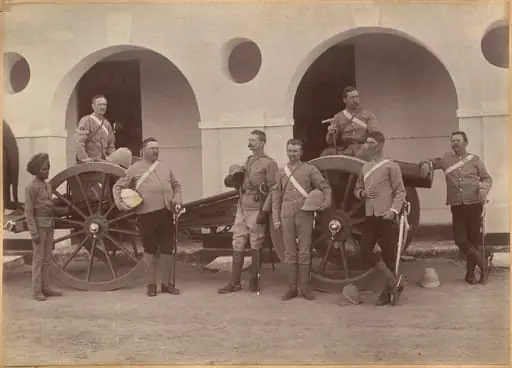 Officers of Elephant Battery, Jhansi (recto)
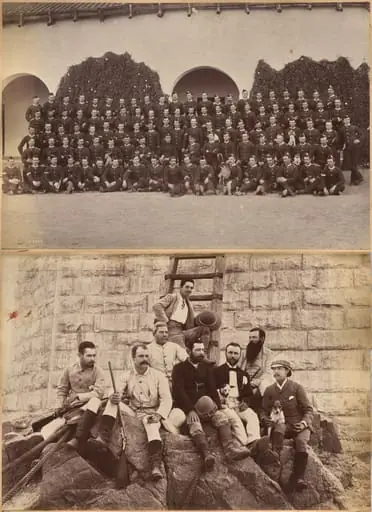 B. c/o Devonshire Regiment, Jhansi (recto); Staff of Messrs. Glover & Co., Sindh Bridge (verso)
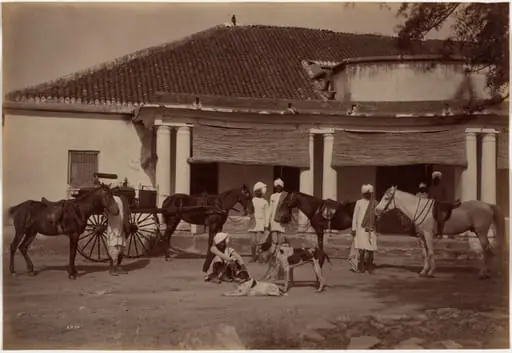 Mr. Brown's Horses, Jhansi