Artwork
Civil officers at Jhansi (recto)
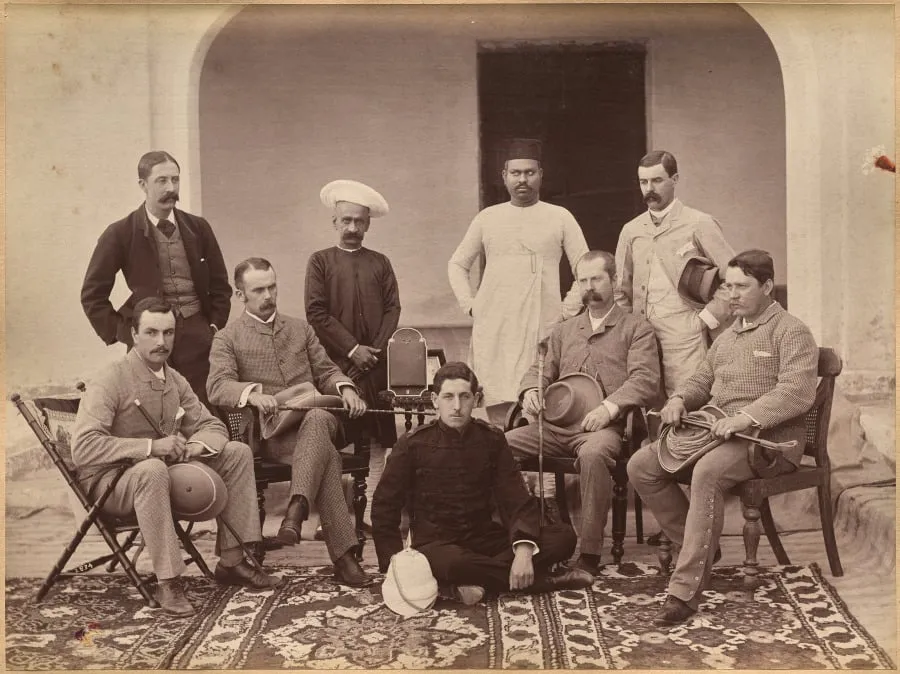
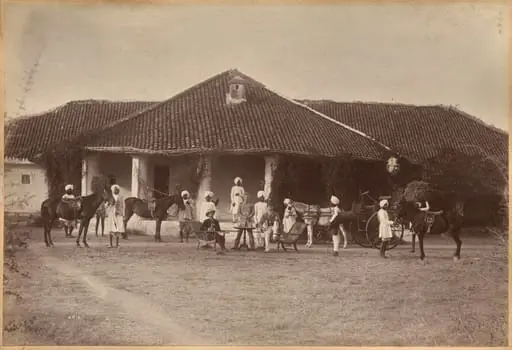
Civil officers at Jhansi (recto) is a photography by the Impressionist artist Raja Deen Dayal. It dates from 1884 and is held in the collection of the Cleveland Museum of Art. This photograph is one of approximately 105 images compiled in a personal album created between 1885 and 1887 in India.
About this work
You see a group of civil officers standing in a row, looking serious.
They are dressed in formal clothes, which suggests they are important people. The photo gives us a glimpse into the lives of British colonial officers in India during that time.
Check out the work of artist: Raja Deen Dayal (Indian, 1844–1905) to learn more about his photography.
Overview
Taken by Raja Deen Dayal, it forms part of a visual record documenting British colonial officials and Indian elites during the late 19th century.
This photograph is one of approximately 105 images compiled in a personal album created between 1885 and 1887 in India. Taken by Raja Deen Dayal, it forms part of a visual record documenting British colonial officials and Indian elites during the late 19th century. The album, now dispersed, was likely assembled as a private memento by a British administrator stationed in India, capturing moments of daily authority and social formality.
Subject & Meaning
The image depicts a group of British civil officers arranged in a formal row, their posture and attire signaling institutional authority. Their stiff expressions and tailored Western clothing reflect the rigid hierarchies of colonial administration. The photograph does not aim for spontaneity but instead constructs an image of order and legitimacy, reinforcing the social and political presence of the British in Indian governance.
Technique & Style
Raja Deen Dayal employed the wet-plate collodion process, known for its sharp detail and tonal range. The composition is carefully staged, with subjects aligned symmetrically against a plain backdrop, minimizing distraction. Lighting is even and controlled, typical of studio practice, emphasizing clarity and dignity. The precision of the image reflects both technical mastery and the cultural expectation of formal portraiture among colonial elites.
History & Provenance
The photograph originated in a larger album of around 105 images, likely commissioned by a British civil servant during his posting in India. The album was later separated, with portions entering institutional collections. The museum holds another 37 photographs from this same set, acquired as a group in 2016. Deen Dayal’s studio in Secunderabad was a known source for such commissions, serving both British and Indian patrons.
Context
During the 1880s, photography in India was increasingly used by colonial officials to document their roles and surroundings. Raja Deen Dayal, an Indian photographer with a reputation for technical excellence, catered to both British administrators and Indian royalty. His work bridged cultural spheres, offering a visual record that reflected colonial power structures while also showcasing local expertise in a foreign medium.
Legacy
Deen Dayal’s photographs remain significant as both historical documents and artistic achievements. They provide insight into the visual culture of British India, revealing how power was performed and preserved through imagery. His studio’s output helped shape global perceptions of colonial India and established a precedent for Indian photographers working within Western technical traditions.
Artist & collection

Artist
Raja Lala Deen Dayal, famously known as Raja Deen Dayal) was an Indian photographer.

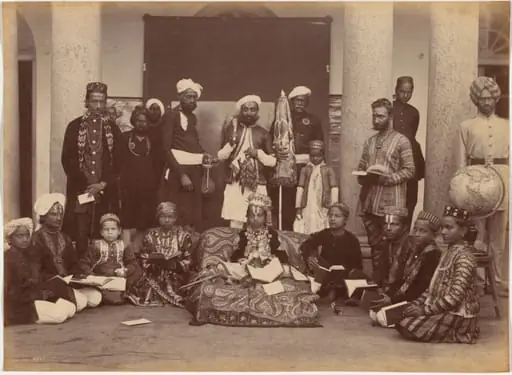 Maharaja of Rewa and Classmates
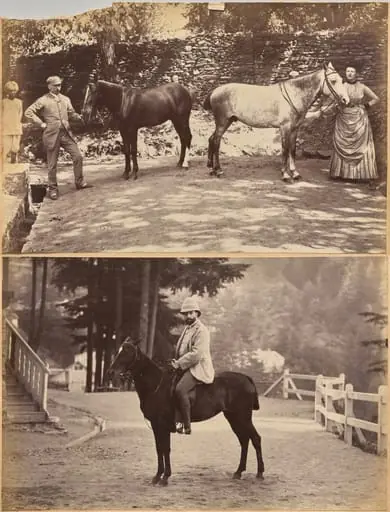 Col. F. G. Oldham (recto, top); Mr. Nowell, Shimla (recto, bottom)
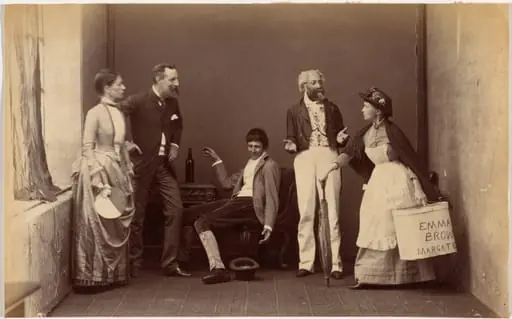 Fancy Group, Indore I
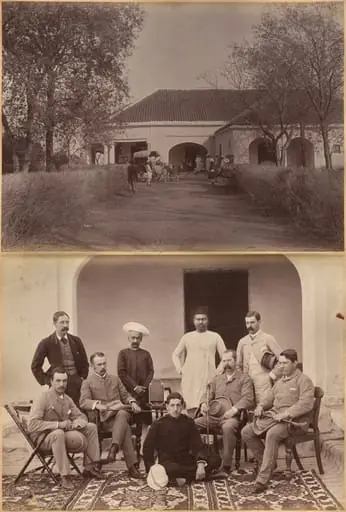 Civil officers at Jhansi (recto); Mr. William's House, Jhansi (verso)
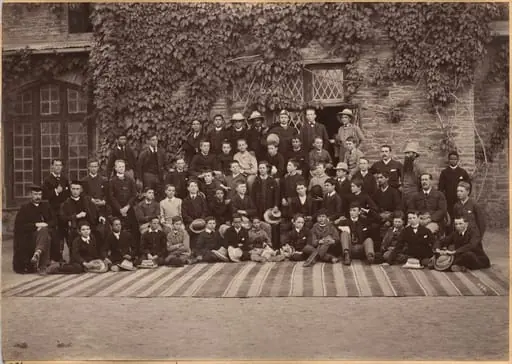 Middle Class Students and Staff, Bishop Cotton School, Shimla (verso)
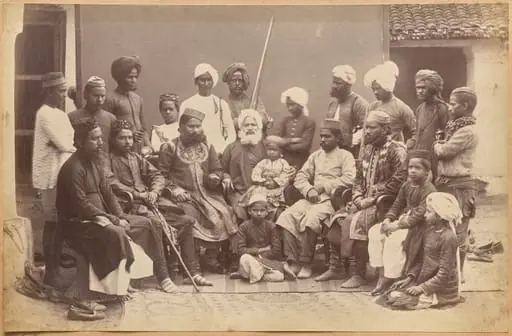 Mowhri Rahman Alli Khan family, Rewa (recto, bottom)
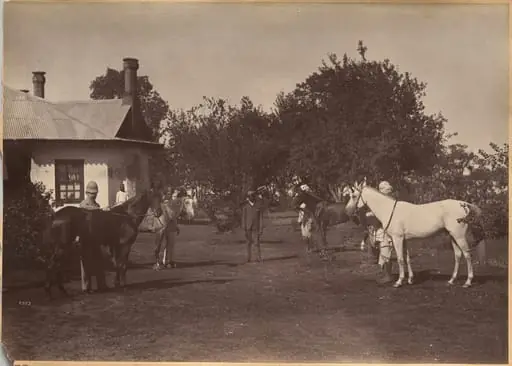 Lord William Beresford's horses
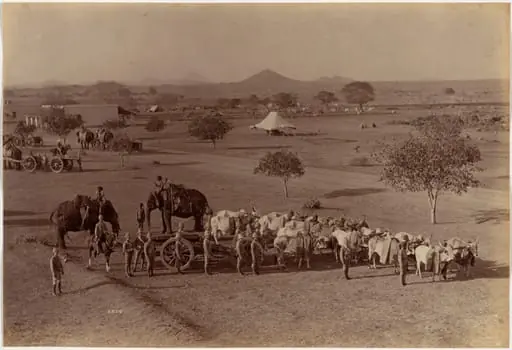 Heavy Field Battery, Jhansi
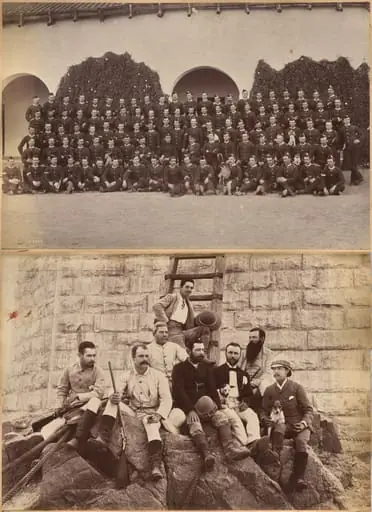 B. c/o Devonshire Regiment, Jhansi (recto); Staff of Messrs. Glover & Co., Sindh Bridge (verso)
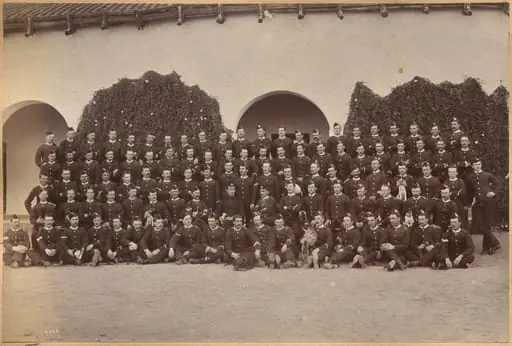 B. c/o Devonshire Regiment, Jhansi (recto)
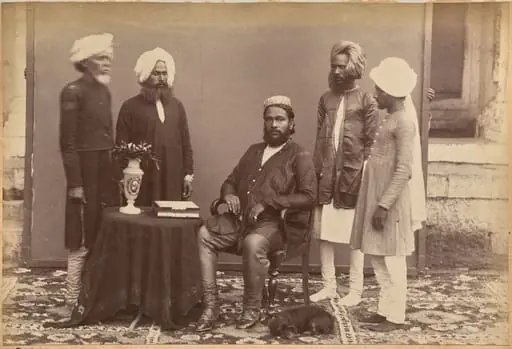 Ramkishore Singh, Rewa (recto, top)
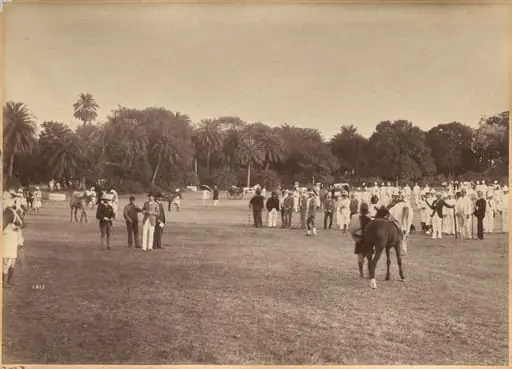 Judging at the Horseshow at Jhansi
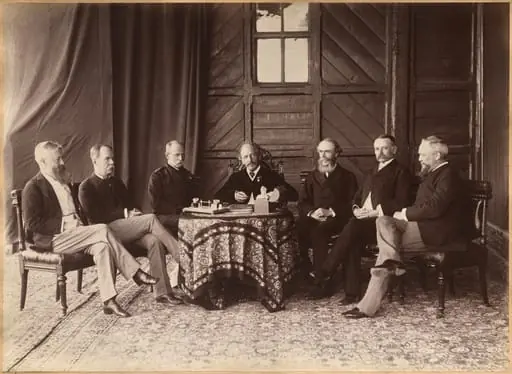 The Viceregal Council
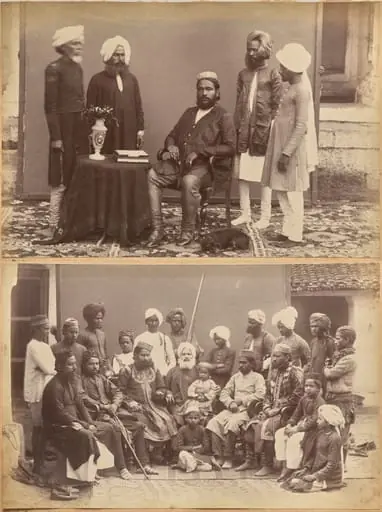 Ramkishore Singh, Rewa (recto, top); Mowhri Rahman Alli Khan family, Rewa (recto, bottom)
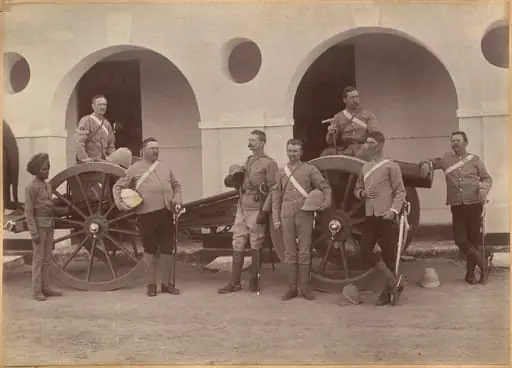 Officers of Elephant Battery, Jhansi (recto)
 Dr. Morris and party, Jhansi (recto)