Artwork
Mary Sidney, Countess of Pembroke
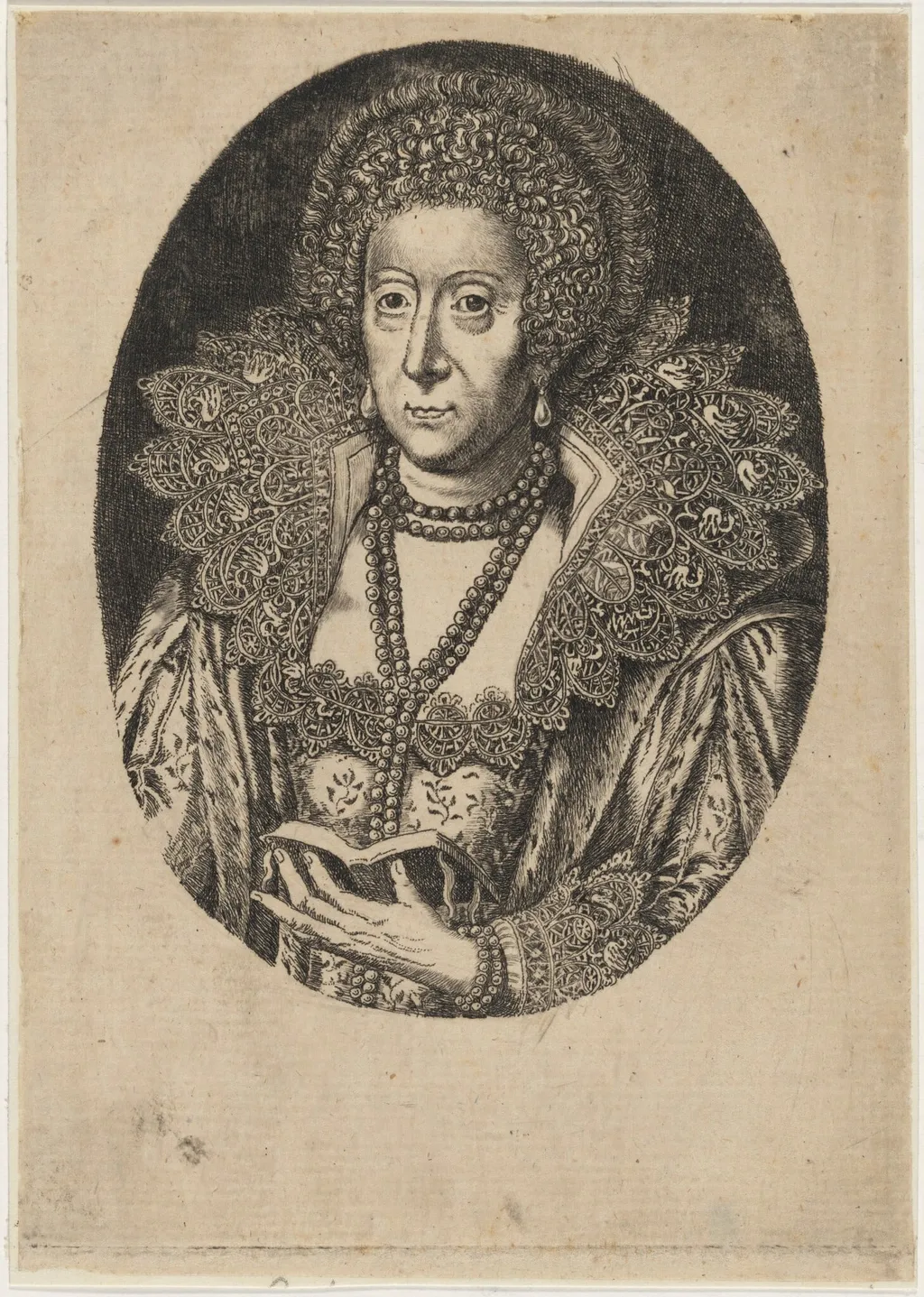
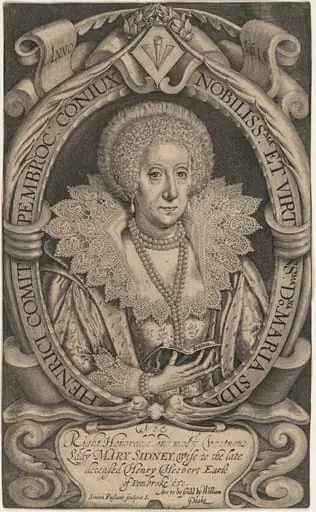
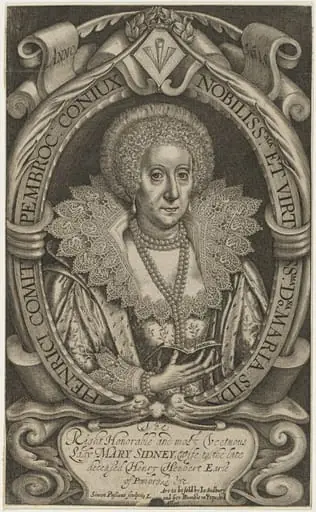
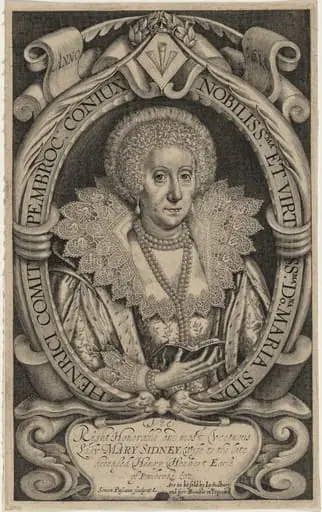
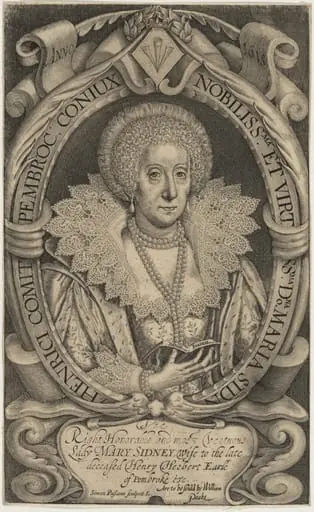
Mary Sidney, Countess of Pembroke is an ink print by the Baroque artist Burnet Reading. It dates from 1789 and is held in the collection of the National Gallery of Art.
About this work
Overview
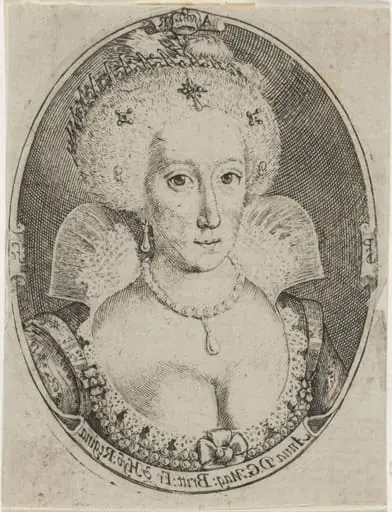
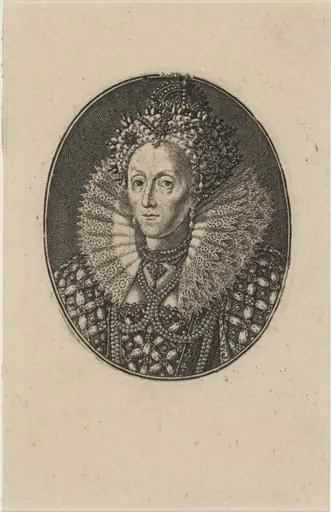
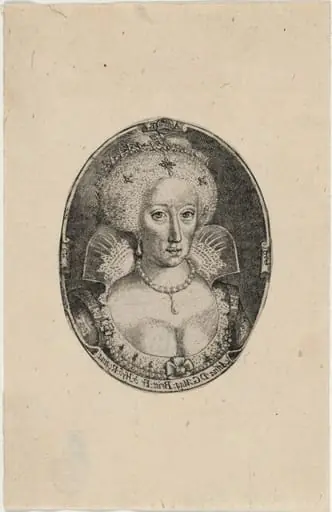
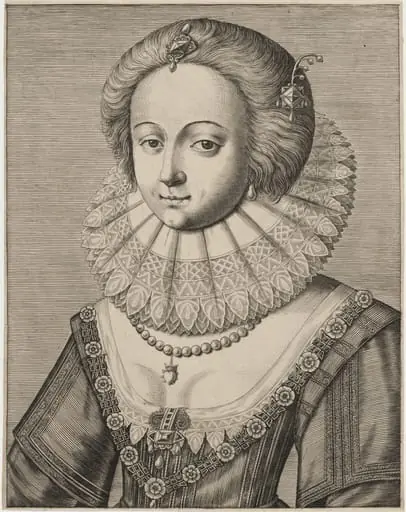
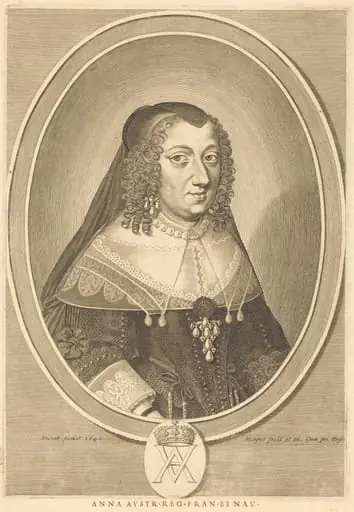
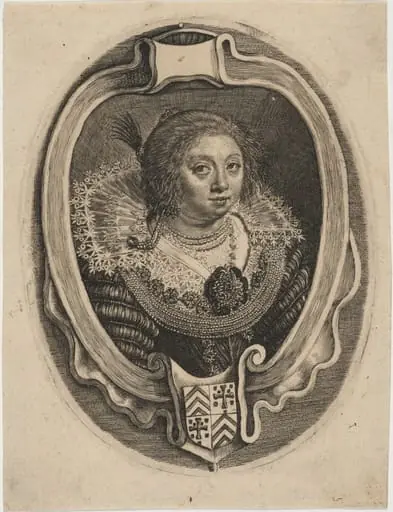
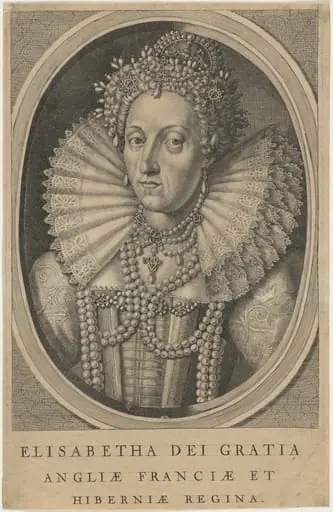
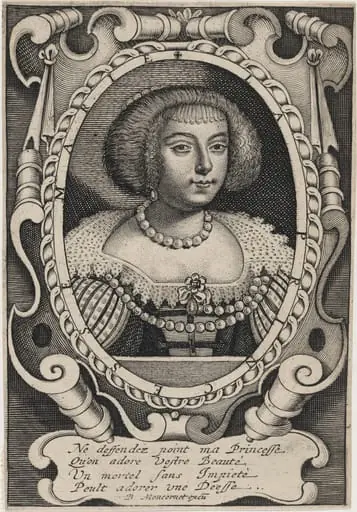
An 1789 engraving by Burnet Reading depicts Mary Sidney, Countess of Pembroke, in formal portraiture. Rendered in monochrome, the image captures her in a composed, frontal pose, emphasizing her status through elaborate attire and refined detail. The work belongs to the tradition of posthumous commemorative prints, intended to preserve the likeness and social standing of a prominent noblewoman.
Subject & Meaning
Mary Sidney, a noted literary patron and translator, is portrayed not as a passive aristocrat but as an intellectual figure. The small book or fan she holds suggests engagement with learning or courtly refinement. Her solemn expression and ornate dress convey dignity and authority, aligning her image with the cultural prestige associated with her literary contributions and noble lineage.
Technique & Style
Reading employs fine, controlled cross-hatching to model form and texture, particularly in the lace collar, curled wig, and patterned sleeves.
Reading employs fine, controlled cross-hatching to model form and texture, particularly in the lace collar, curled wig, and patterned sleeves. The absence of color heightens focus on line and tone, a hallmark of 18th-century reproductive engraving. The meticulous rendering of fabric and hair demonstrates technical precision, typical of prints made to reproduce portraits for wider circulation among the educated elite.
History & Provenance
Created in 1789, the engraving was produced over a century after Mary Sidney’s death, reflecting a late 18th-century revival of interest in early modern literary figures. It likely served as a commemorative print, possibly commissioned by antiquarians or literary societies seeking to honor her legacy. The work was part of a broader trend of reviving historical portraits through print media.
Context
In the late 1700s, England saw renewed scholarly attention to Renaissance women of letters. Sidney, known for her translations and patronage, became a symbol of female intellectual achievement. This engraving emerged amid growing efforts to document and celebrate historical female figures, positioning her within a narrative of cultural continuity and moral authority.
Legacy
The engraving endures as a visual reference for Mary Sidney’s public image, frequently reproduced in literary histories and biographical studies. While not a contemporary likeness, it shaped later perceptions of her as a dignified, learned noblewoman. Its stylistic restraint and attention to detail reflect the values of 18th-century print culture in preserving historical memory.
Artist & collection