Artwork
The Mill at the Great Oaks
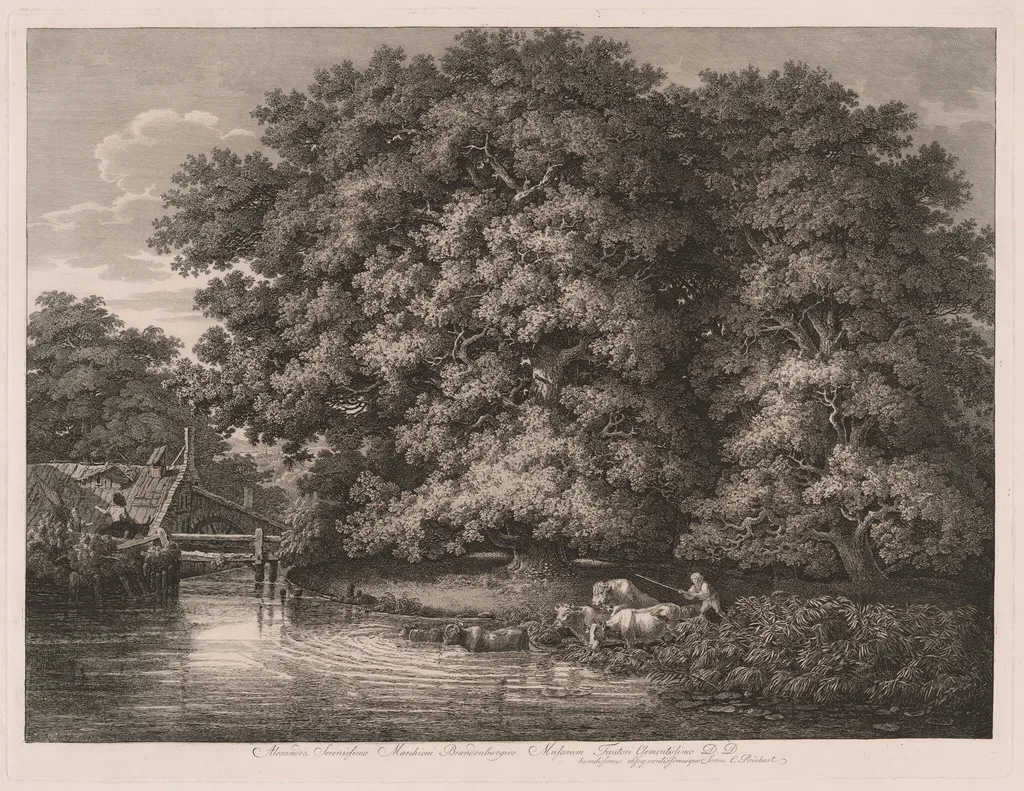
The Mill at the Great Oaks is an ink print by the Romanticist artist Johann Christian Reinhart. It dates from 1788 and is held in the collection of the National Gallery of Art.
About this work
Overview
The Mill at the Great Oaks is an 1788 etching on wove paper by Johann Christian Reinhart, a key figure in German Romantic classical landscape painting.
Subject & Meaning
The etching portrays a serene rural scene: a watermill, surrounded by imposing oak trees, with a figure tending an animal in the distance, and a reflective body of water in the foreground. The composition balances naturalistic detail with classical harmony, embodying the aesthetic of its time.
Technique & Style
Reinhart's etching showcases intricate details, particularly in the gnarled branches and leaves of the trees, achieved through the precise line work characteristic of etching. Soft, gentle light and reflected skies contribute to the tranquil atmosphere.
History & Provenance
Created in 1788 by Johann Christian Reinhart, alongside Joseph Anton Koch, he was a founder of the German Romantic classical landscape movement. The specific provenance of this piece is not detailed here.
Context
This work reflects the late 18th-century emphasis on idealized natural landscapes, blending realism with classical composition principles. It aligns with the broader Romanticism movement, which emphasized emotion and the beauty of nature.
Legacy
As a work by a foundational artist of German Romantic classical landscape painting, The Mill at the Great Oaks contributes to the movement's enduring influence on European landscape art. Its serene, detailed depiction of nature continues to resonate with audiences interested in Romantic-era aesthetics.
Artist & collection

Artist
Johann Christian Reinhart was a German painter and engraver. He was one of the founders, along with Joseph Anton Koch, of German romantic classical landscape painting.

 Ideal Landscape
 A Woodland Path in Rosenthal in Winter
 Tivoli and the Temple of the Sibyl above the Aniene Gorge
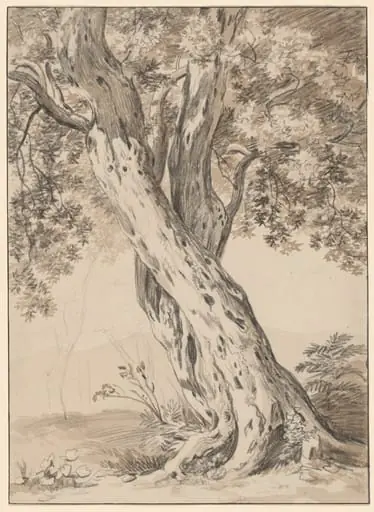 Two Intertwined Oak Trees
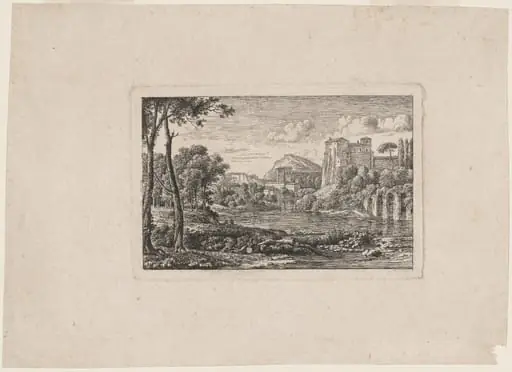 River Landscape in the Roman Campagna
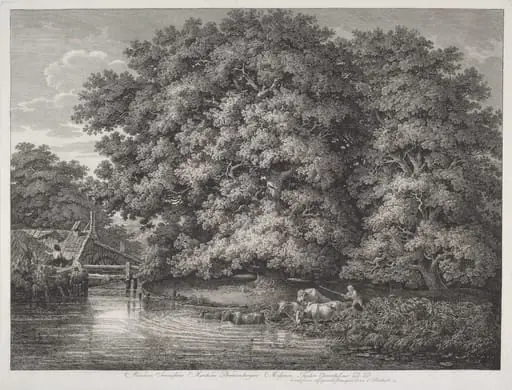 The Mill at the Great Oaks
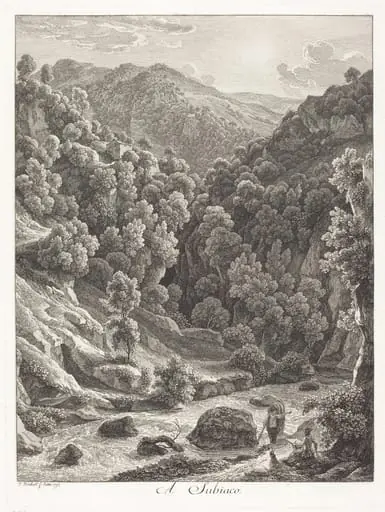 A Subiaco (Near Subiaco)
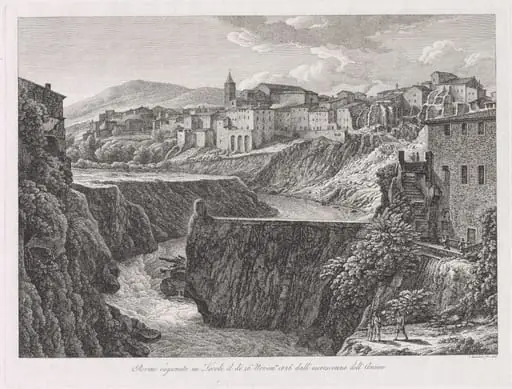 Rovine cagionate in Tivoli, dall'escrescenza dell'Aniene (Tivoli Damaged by the Flood of the River Aniene)
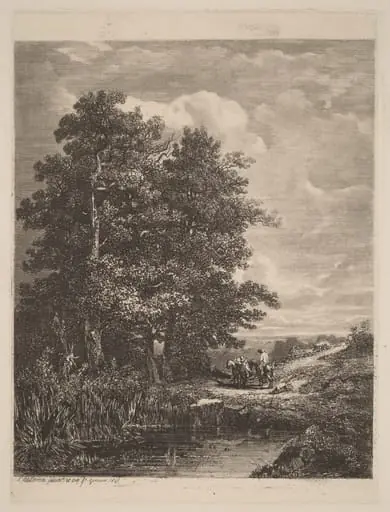 Riders by a Pond
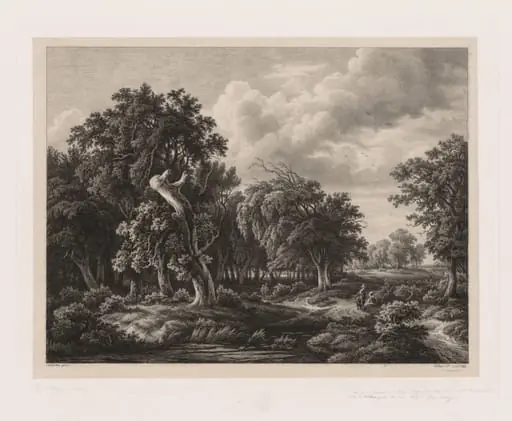 Groups of Various Plants Drawn After Nature: No. 7
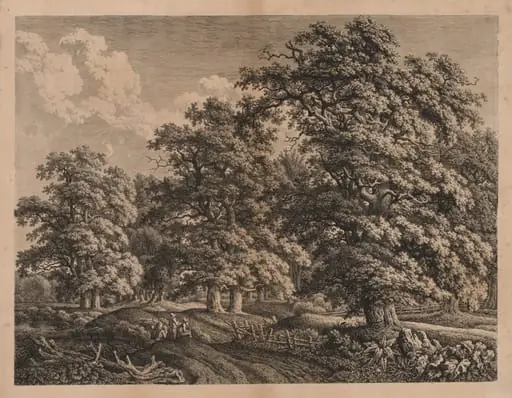 Landscape and Three Figures
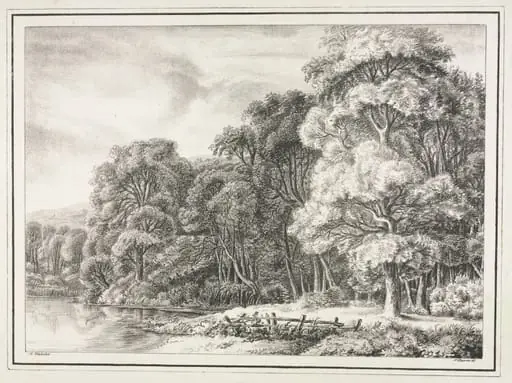 Woodland Scenery with Lake
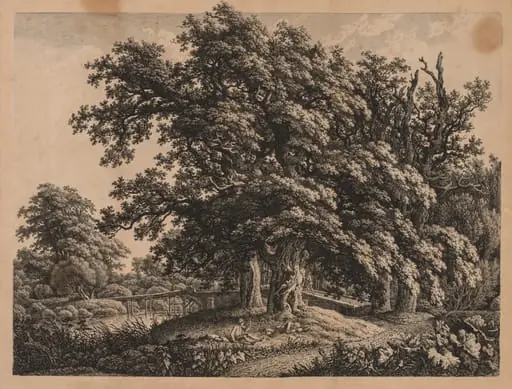 Landscape and Bridge with Three Figures
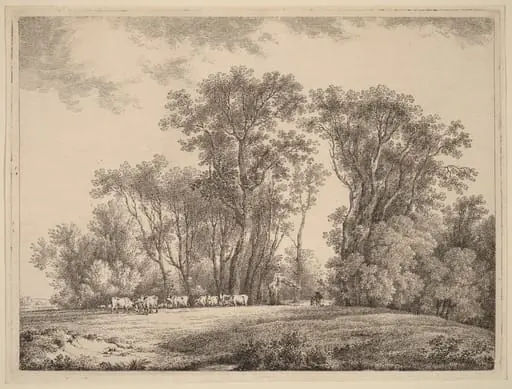 A Meadow with Cattle at the Edge of a Wood
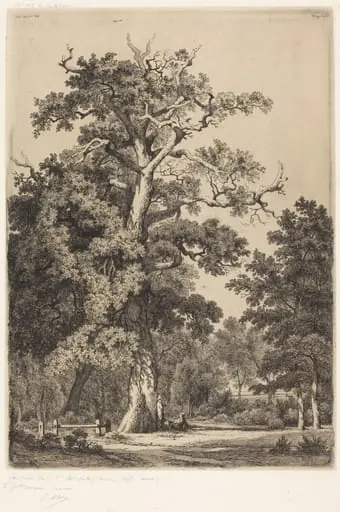 Ancient Oak in the Bois de Boulougne
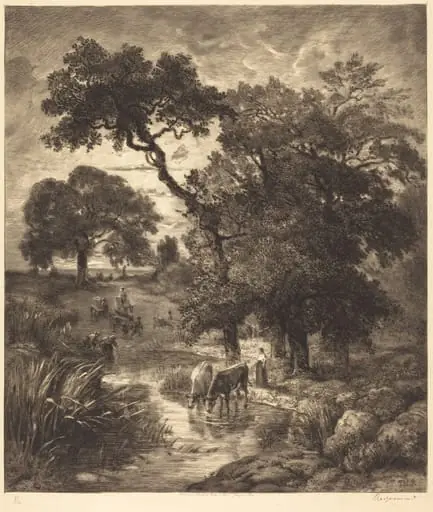 Evening
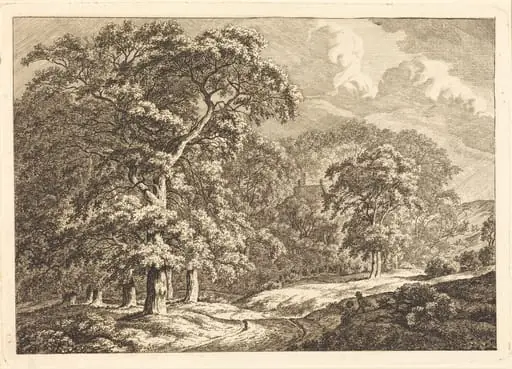 Forest with Travelers by a Road
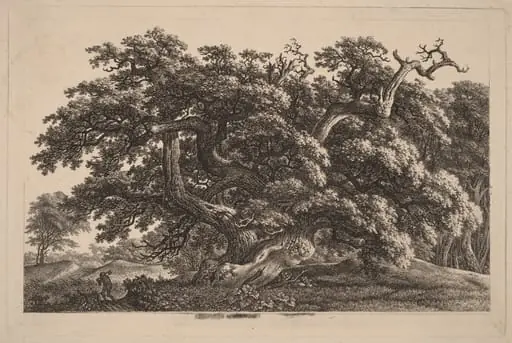 A Widely Expanding Oak Tree
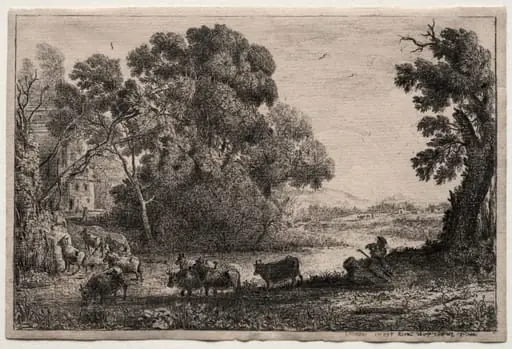 The Cowherder