Artwork
Rovine cagionate in Tivoli, dall'escrescenza dell'Aniene (Tivoli Damaged by the Flood of the River Aniene)
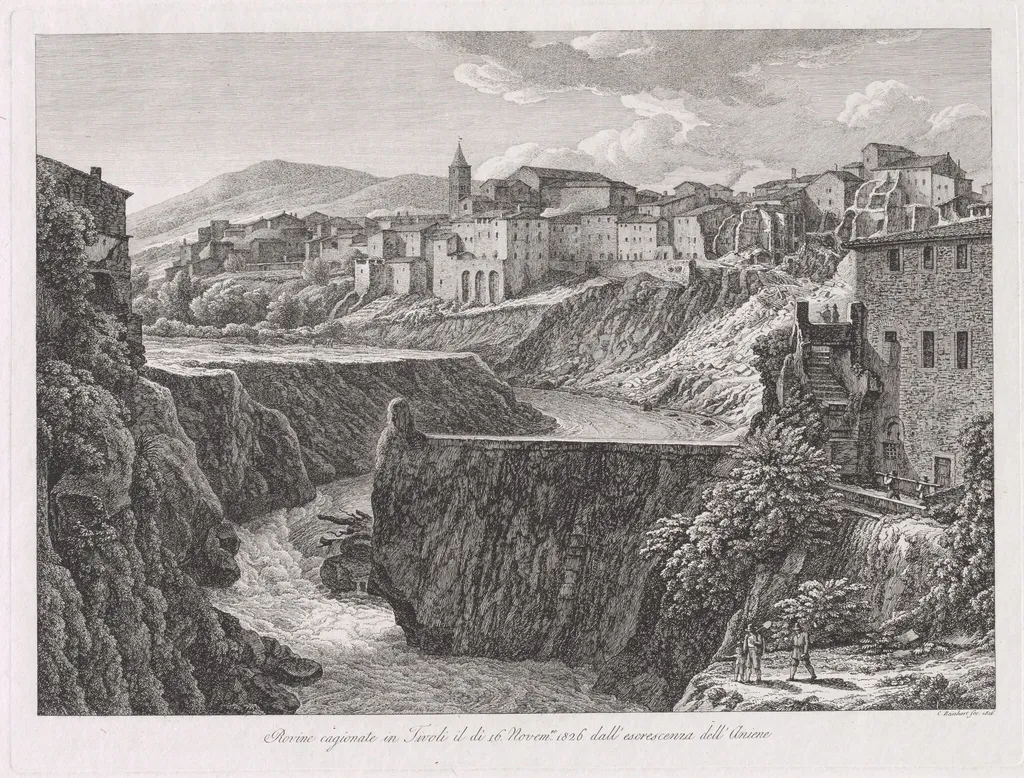
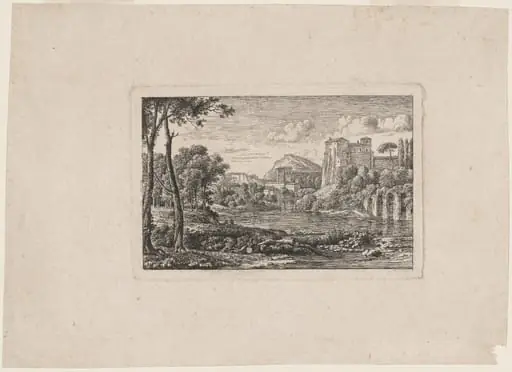
Rovine cagionate in Tivoli, dall'escrescenza dell'Aniene (Tivoli Damaged by the Flood of the River Aniene) is an ink print by the Romanticist artist Johann Christian Reinhart. It dates from 1826 and is held in the collection of the National Gallery of Art.
About this work
Overview
Rovine cagionate in Tivoli, dall'escrescenza dell'Aniene, an 1826 etching on laid paper by Johann Christian Reinhart, captures the aftermath of a devastating flood of the Aniene River in Tivoli, Italy.
Subject & Meaning
The etching depicts a small town on a steep cliff, with its lower edge damaged by the flooded river. Figures observe the destruction, while a ruined bridge and walls testify to the disaster's impact, highlighting the human experience of natural disasters in the 19th century.
Technique & Style
As a key figure in German Romantic classical landscape painting, Reinhart employed etching techniques to convey dramatic contrast and detail, characteristic of the movement's emphasis on nature's power.
History & Provenance
Created in 1826 by Johann Christian Reinhart, this work reflects his contribution to the German Romantic landscape tradition, alongside Joseph Anton Koch.
Context
The etching offers a rare glimpse into how floods affected daily life in the 1800s, showcasing the vulnerability of communities to natural disasters during this period.
Legacy
This piece exemplifies the use of etching in 19th-century art to document and reflect on catastrophic events, influencing the representation of nature's impact on human settlements.
Artist & collection

Artist
Johann Christian Reinhart was a German painter and engraver. He was one of the founders, along with Joseph Anton Koch, of German romantic classical landscape painting.

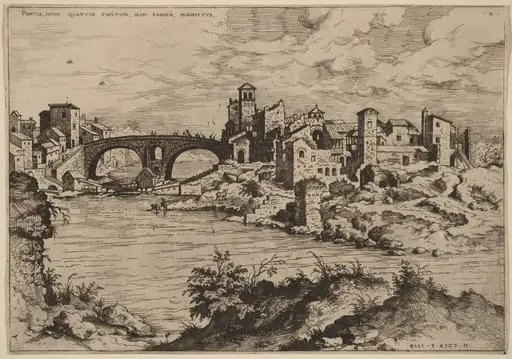 View of the Ponte Quattro Capi and the Island of the Tiber
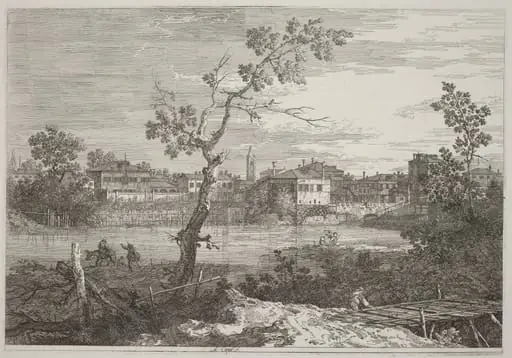 View of a Town on a River Bank
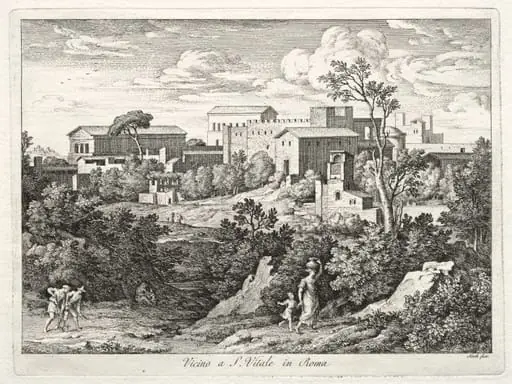 View of San Vitale, Rome
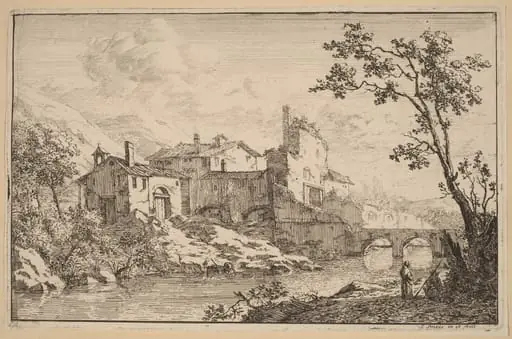 Houses at the Side of a River
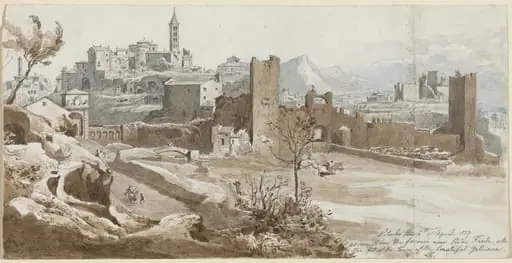 Viterbo
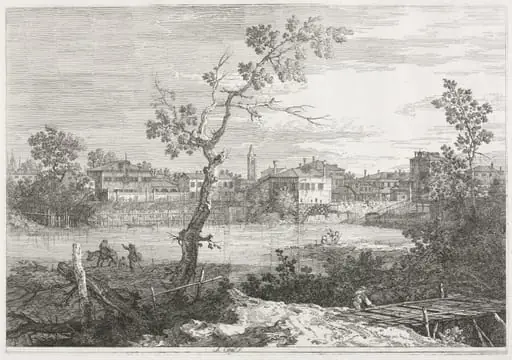 Views: View of Burano, a Town on an Island in the Venetian Lagoon
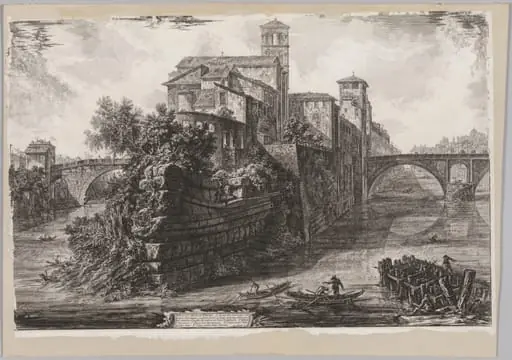 Views of Rome: The The Isola Tiberina
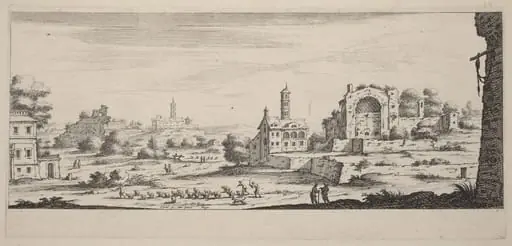 Veuë de temple de Soleil à Rome (View of the Sun Temple in Rome)
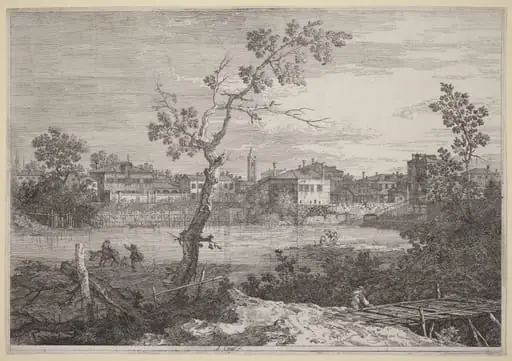 View of a Town on a River Bank