Artwork
Untitled
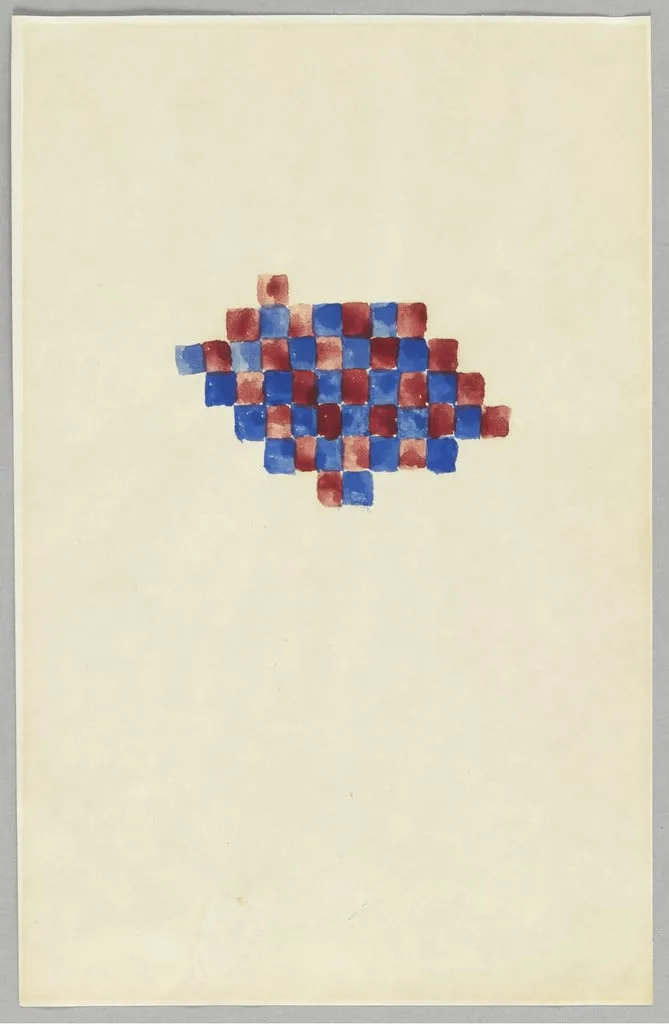
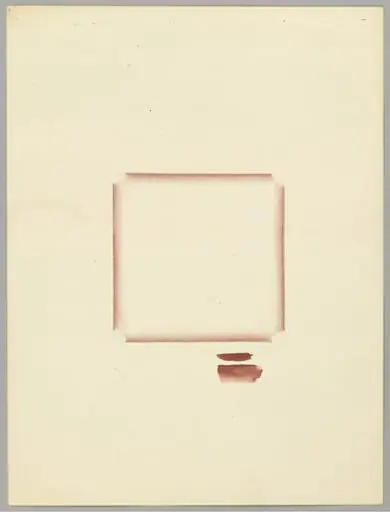
Untitled is a watercolor drawing by Richard Tuttle. It dates from 1968 and is held in the collection of the Museum of Modern Art.
About this work
Overview
The piece resides in The Museum of Modern Art’s collection, reflecting its significance within postminimalist drawing practices of the late 1960s.
Created in 1968, this watercolor on paper is one of many intimate works by Richard Tuttle that prioritize quiet observation over grand gesture. Executed with minimal means, it exemplifies his interest in the physical presence of materials and the subtle interplay of form and support. The piece resides in The Museum of Modern Art’s collection, reflecting its significance within postminimalist drawing practices of the late 1960s.
Subject & Meaning
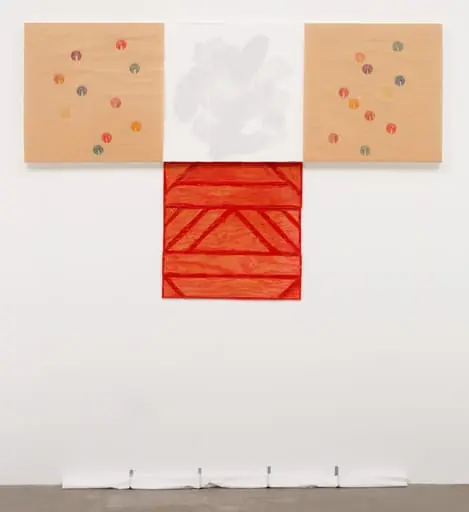
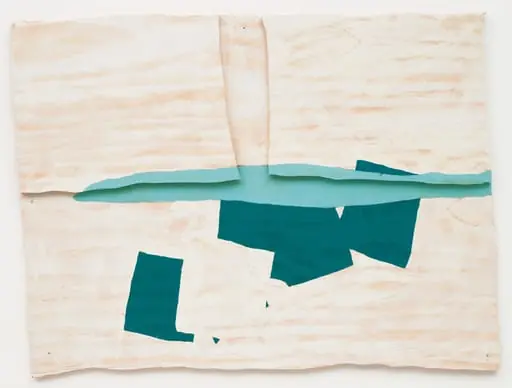
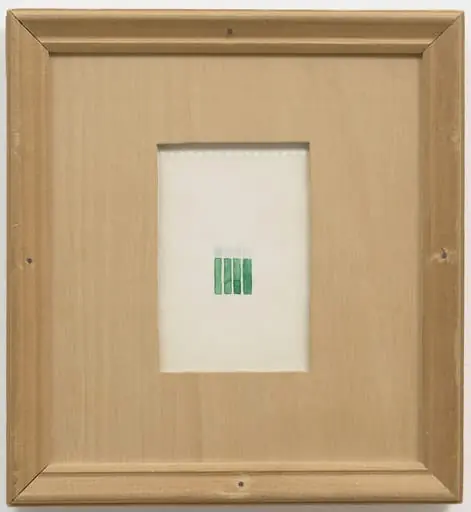
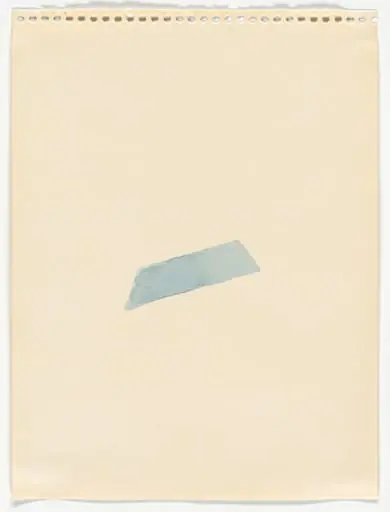
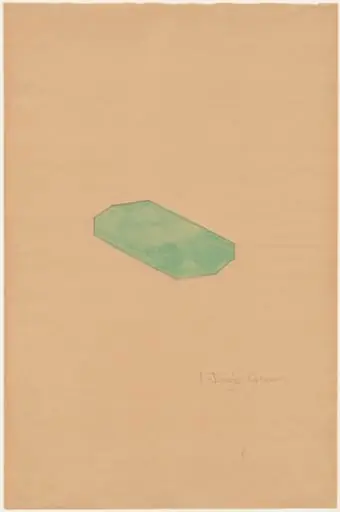
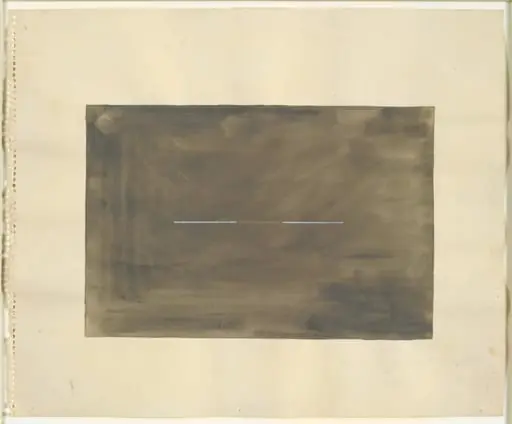
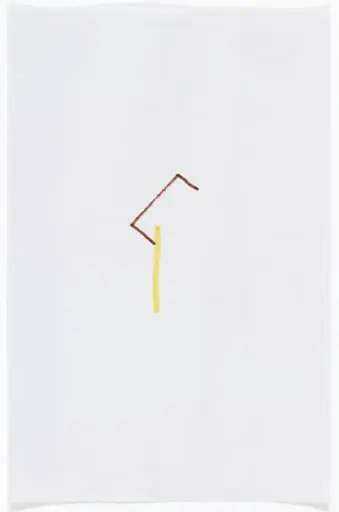
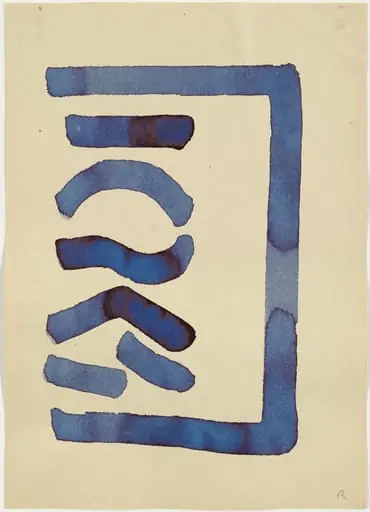
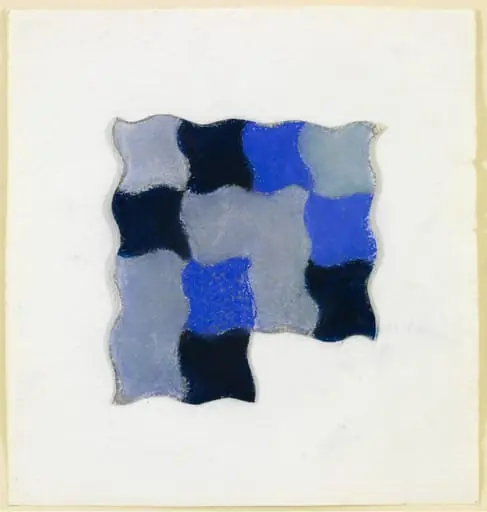
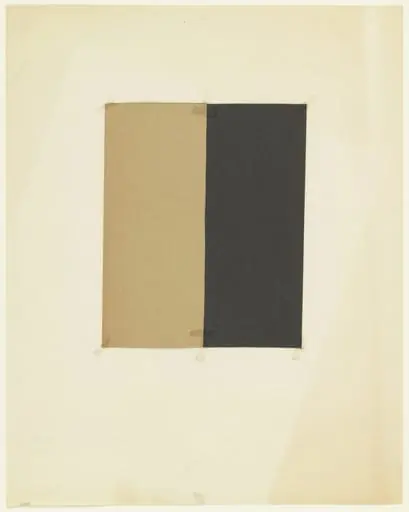
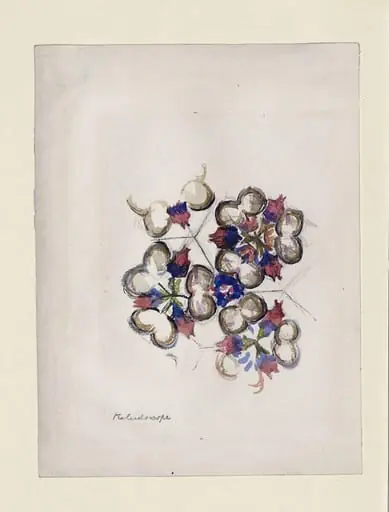
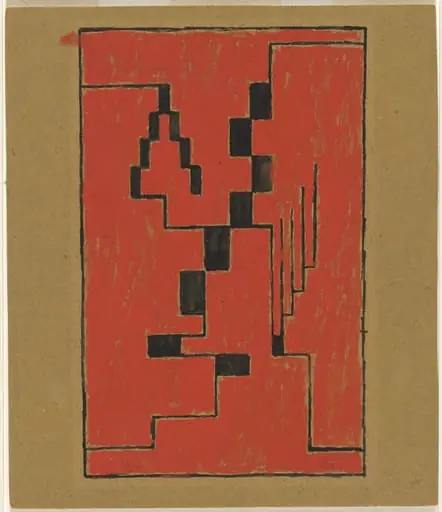
The work presents no recognizable subject, instead offering a loose arrangement of irregularly shaped color fields—red, blue, and white—that appear to float on the pale yellow paper. These forms suggest elemental marks rather than symbols, inviting attention to their placement, weight, and the space between them. Meaning emerges through restraint, not narrative.
Technique & Style
Tuttle applied watercolor in thin, rapid washes, allowing pigment to bleed slightly at the edges and merge with the paper’s texture. The colors lack hard outlines, creating a sense of impermanence and spontaneity. The technique emphasizes the materiality of the medium, foregrounding the paper’s absorbency and the artist’s controlled yet unforced hand.
History & Provenance
Made during a period when Tuttle was expanding his practice beyond sculpture into drawing, this work was acquired by The Museum of Modern Art in the late 1960s or early 1970s. It has remained in the museum’s collection since, consistently included in exhibitions tracing the evolution of postminimalist art and the redefinition of drawing as a primary medium.
Context
In the late 1960s, artists like Tuttle challenged traditional notions of composition and scale, favoring modest formats and humble materials. This work aligns with a broader shift away from monumental abstraction toward introspective, object-oriented practices. Its scale and delicacy contrast sharply with the dominant trends of the era, emphasizing contemplation over spectacle.
Legacy
This watercolor contributes to Tuttle’s enduring influence on contemporary drawing, demonstrating how minimal gestures can carry substantial perceptual weight. It has informed generations of artists who seek to expand the boundaries of drawing through material sensitivity, quiet intervention, and an emphasis on the everyday act of making.
Artist & collection
Artist
Richard Dean Tuttle (born July 12, 1941) is an American postminimalist artist known for his small, casual, subtle, intimate works.