Artwork
The Flagellation of Christ
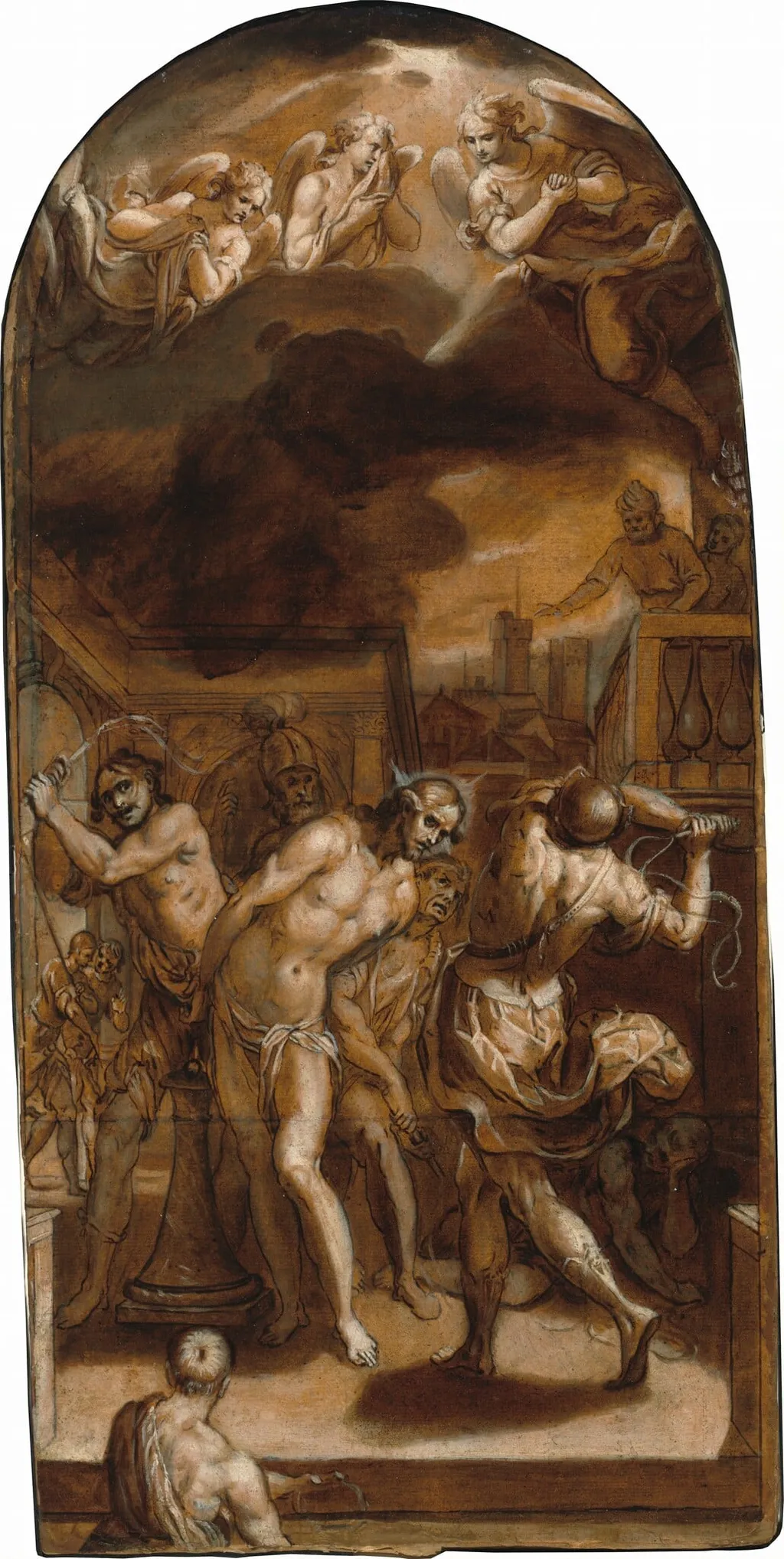
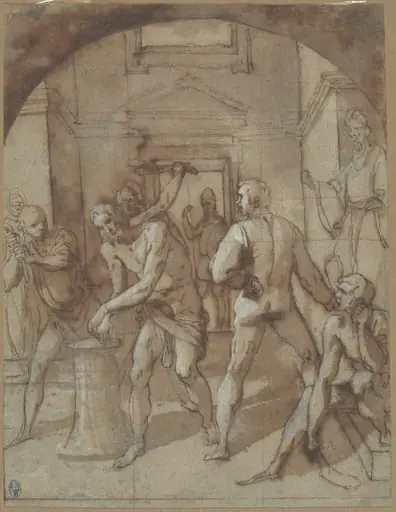
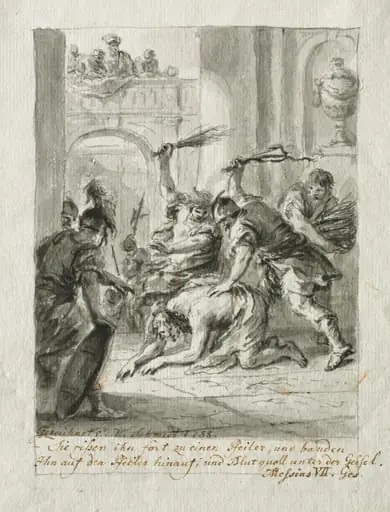
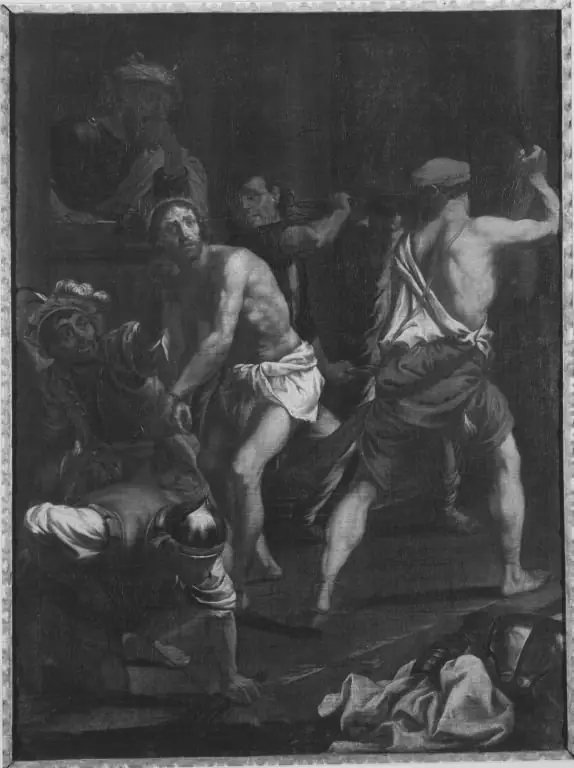
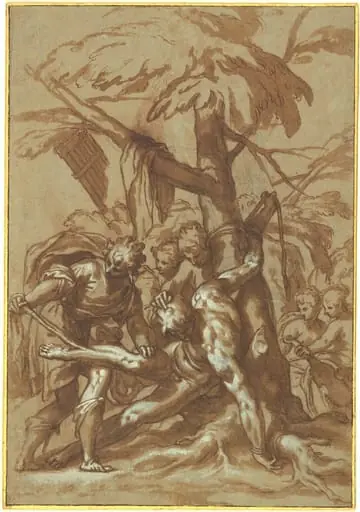
The Flagellation of Christ is an ink drawing by the Baroque artist Claudio Ridolfi. It dates from 1619 and is held in the collection of the National Gallery of Art. This work is a drawing in oil paint and ink on paper, mounted on fabric and wood, dated around 1619.
About this work
Overview
The medium suggests a preparatory or experimental approach, blending ink line with layered oil washes to achieve depth and texture.
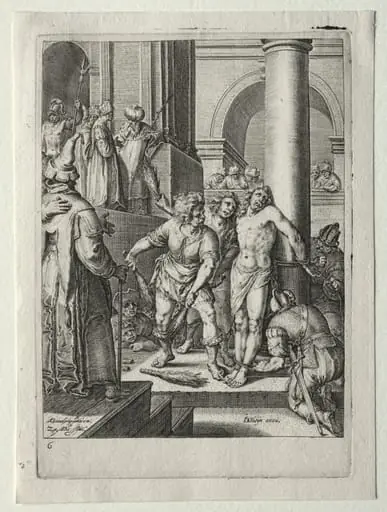
This work is a drawing in oil paint and ink on paper, mounted on fabric and wood, dated around 1619. It depicts the flagellation of Christ, a moment from the Passion narrative. The composition is tightly focused on the central figure’s suffering, framed by observers and architectural elements. The medium suggests a preparatory or experimental approach, blending ink line with layered oil washes to achieve depth and texture.
Subject & Meaning
The scene portrays Christ, half-naked and bound, enduring corporal punishment by two Roman soldiers. Around them, onlookers display varied reactions—some avert their gaze, others stare in silent horror. A balcony in the background holds additional figures, possibly authorities or bystanders, adding layers of witness and moral distance. The blurred facial features emphasize anonymity and universal suffering over individual identity.
Technique & Style
The artist employs chiaroscuro to heighten emotional intensity, using stark contrasts between shadow and dim light to model forms and direct attention. Oil paint is applied over pen and ink underdrawing, creating a textured surface where ink defines contours and oil modulates tone. The palette is restrained—browns, grays, and muted golds—reinforcing the somber mood and limiting visual distraction.
History & Provenance
The work is attributed to Claudio Ridolfi, a Venetian painter active in the early 17th century. Its support—laid paper mounted on fabric and wood—suggests it may have been a study or a finished work intended for private devotion rather than public display. No definitive record of its early ownership exists, but its format aligns with devotional drawings circulating in northern Italian circles at the time.
Context
Created during the Counter-Reformation, the image reflects the Church’s emphasis on visceral depictions of Christ’s suffering to inspire piety. Ridolfi’s restrained palette and psychological tension echo the influence of Caravaggio’s naturalism, though without the full theatricality of his followers. The drawing’s intimacy suggests it was meant for contemplation, not public spectacle.
Legacy
Though not widely exhibited, the work exemplifies how Venetian artists adapted Caravaggesque lighting to intimate religious subjects. Its hybrid technique—ink and oil on paper—highlights a transitional phase in devotional art, bridging preparatory studies and finished paintings. It remains a quiet but potent example of early 17th-century emotional realism in a medium often overlooked in favor of canvas.
Artist & collection