Artwork
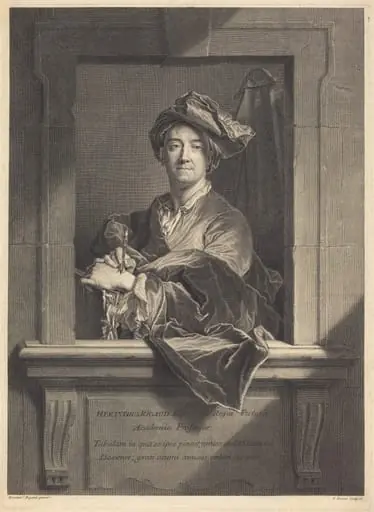
François de Troy, after a Self-Portrait
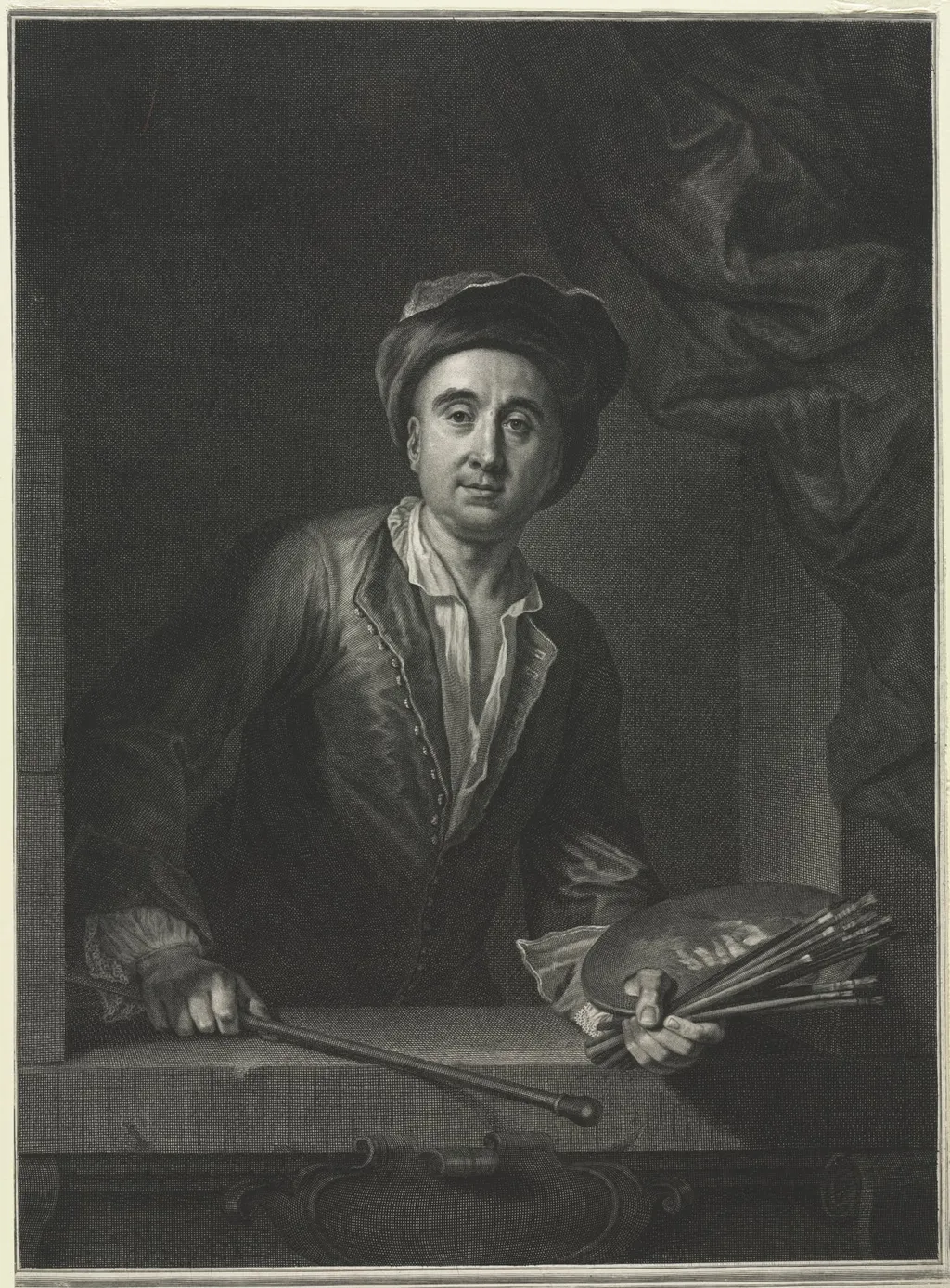
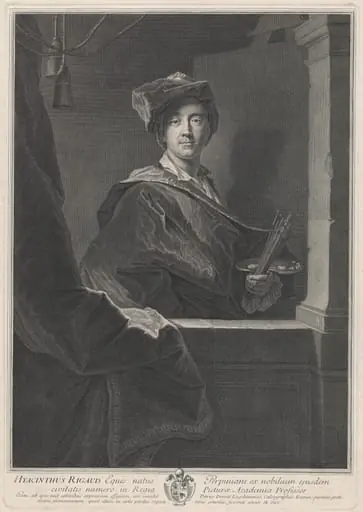
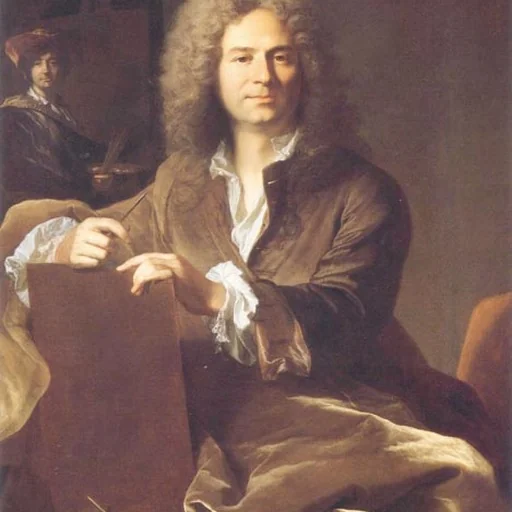
François de Troy, after a Self-Portrait is a print by the Baroque artist Pierre Drevet. It dates from 1738 and is held in the collection of the Cleveland Museum of Art.
About this work
Overview
François de Troy, after a Self-Portrait is an 18th-century print by Pierre Drevet, dated 1738, currently part of The Cleveland Museum of Art's collection.
Subject & Meaning
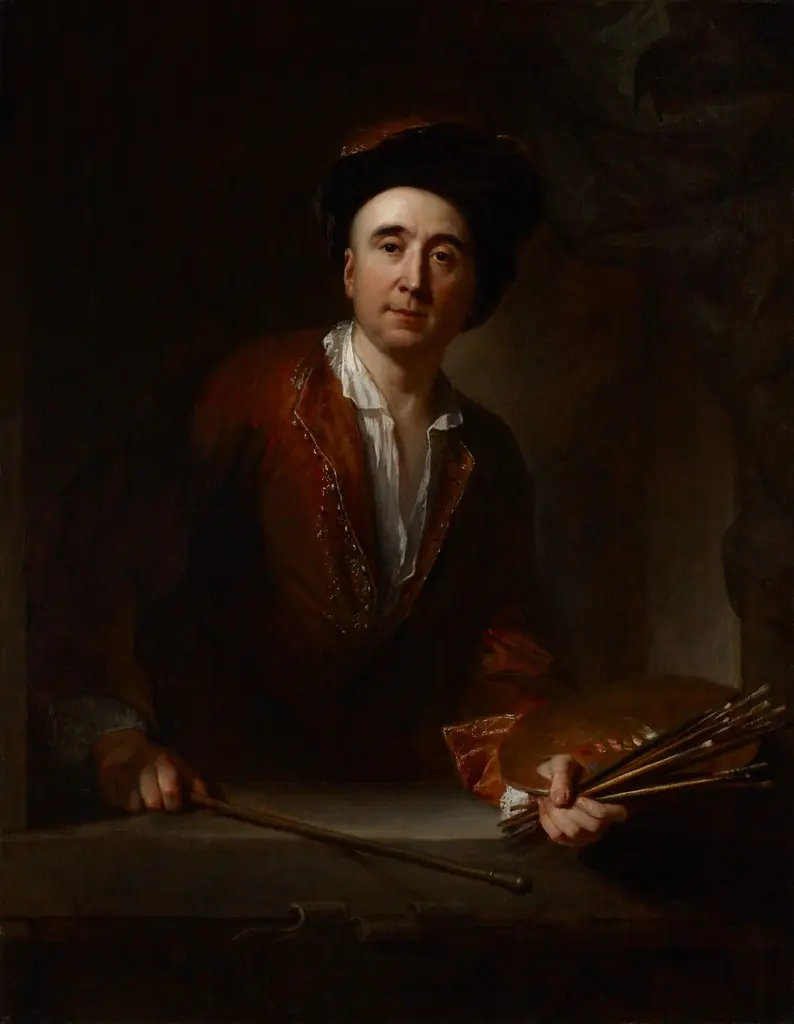
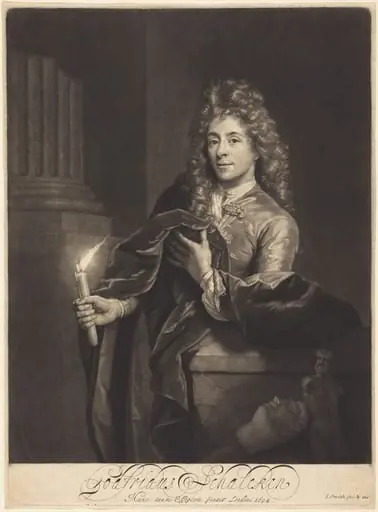
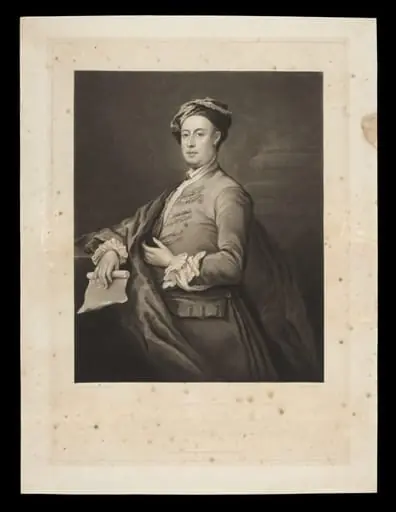
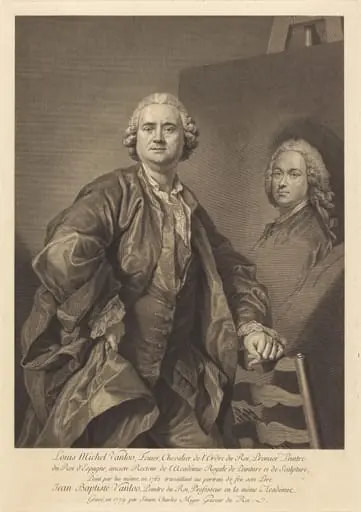
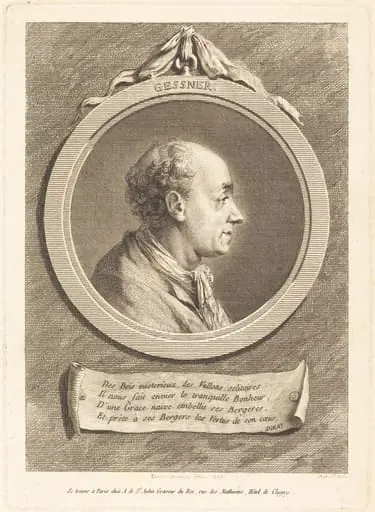
The print depicts a solemn-faced man, identified as François de Troy, dressed in a dark hat and coat. He is shown holding a walking stick in one hand and a bundle of brushes in the other, indicating his profession as an artist. The overall demeanor and accessories suggest a portrayal of the subject in a contemplative or preparatory state, possibly about to paint or having just finished.
Technique & Style
The work employs strong chiaroscuro, a technique characterized by pronounced contrasts between light and dark. This dramatic lighting emphasizes the subject's face against a dark background, adding depth and narrative potential to the portrait.
History & Provenance
Created in 1738 by Pierre Drevet, the print is a representation of François de Troy, based on a self-portrait type. It is now housed at The Cleveland Museum of Art.
Context
The use of chiaroscuro in the 18th century, as seen in this print, reflects a broader artistic trend of utilizing light and shadow to convey emotion and tell stories, a technique rooted in earlier European art movements.
Legacy
While specific details on the print's direct influence are not provided, it contributes to the broader legacy of portrait prints in the 18th century, showcasing the enduring appeal of combining portraiture with expressive lighting techniques.
Artist & collection
Artist
The Drevet Family were leading portrait engravers of France for over a hundred years. Their fame began with Pierre, and was sustained by his son, Pierre-Imbert, and by his nephew, Claude.