Artwork
Mountain View
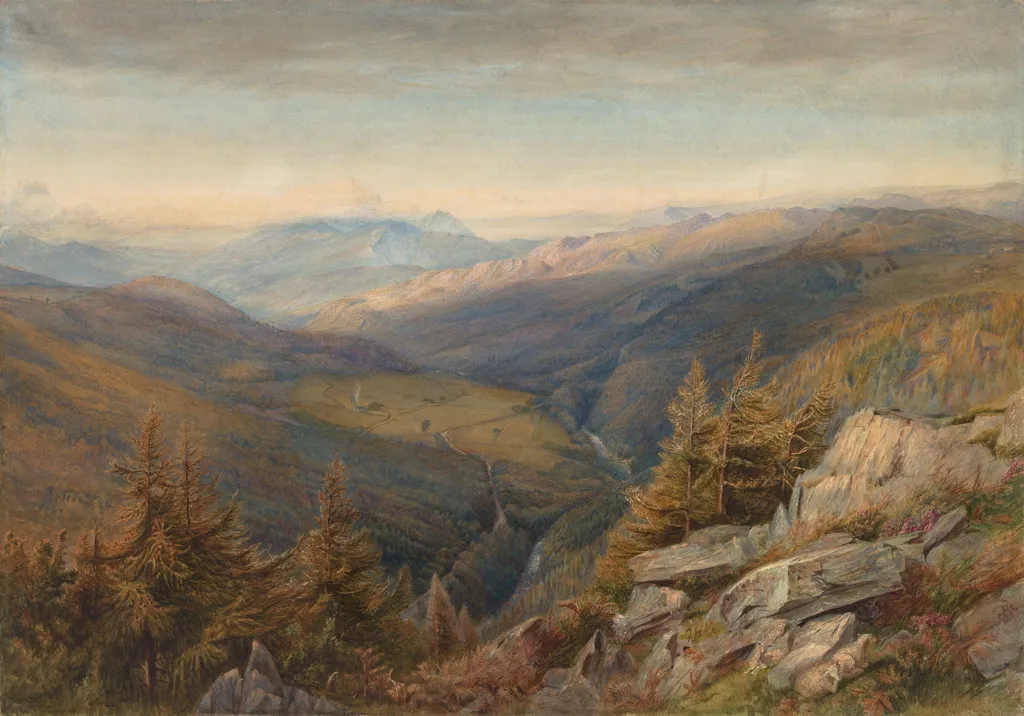
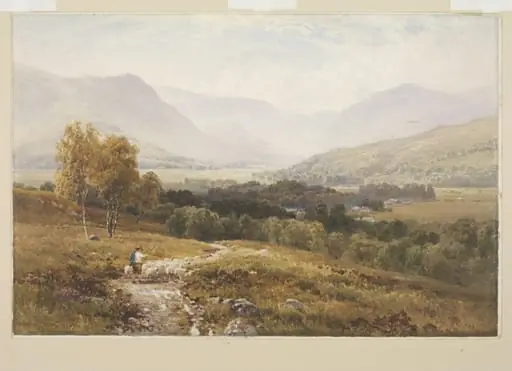
Mountain View is a drawing by the Impressionist artist Robert J. Pattison. It dates from 1864 and is held in the collection of the Cleveland Museum of Art. Created in 1864 by Robert J.
About this work
Overview
The work is part of the collection at The Cleveland Museum of Art, where it is recognized for its quiet atmospheric depth and careful modulation of tone.
Created in 1864 by Robert J. Pattison, Mountain View is a graphite and wash drawing that captures a tranquil mountain valley. The work is part of the collection at The Cleveland Museum of Art, where it is recognized for its quiet atmospheric depth and careful modulation of tone. Unlike grand Romantic landscapes, it favors subtle observation over dramatic spectacle, inviting contemplation through restrained composition.
Subject & Meaning
The scene depicts a mist-laced valley between towering peaks, with rugged foreground rocks and sparse vegetation leading the eye toward distant, receding ridges. There is no human presence, and the silence of the landscape suggests a meditative engagement with nature. The composition emphasizes spatial recession and the ephemeral quality of light, reflecting a 19th-century interest in nature’s quiet permanence rather than its grandeur.
Technique & Style
Pattison employed layered graphite and light washes to achieve a soft gradation of tones, from deep browns in the foreground to pale blues and grays in the distance. Edges between light and shadow are deliberately blurred, enhancing the sense of atmospheric haze. The technique prioritizes tonal harmony over line, creating a sense of depth through subtle value shifts rather than sharp definition.
History & Provenance
The drawing was completed in 1864 and entered the collection of The Cleveland Museum of Art at an unspecified date. Its provenance prior to museum acquisition is not publicly documented. It remains one of the few known works by Pattison, whose career as a landscape artist was modest and largely regional, with little documentation of exhibitions or publications during his lifetime.
Context
Made during a period when American artists were increasingly turning to domestic landscapes for inspiration, Mountain View aligns with the Hudson River School’s emphasis on naturalism. Yet it diverges in its understated scale and lack of symbolic narrative. It reflects a quieter, more personal mode of landscape observation, possibly influenced by European sketching traditions and the growing popularity of plein air study in the mid-19th century.
Legacy
Though Pattison is not widely known today, Mountain View endures as a quiet example of mid-19th-century American draftsmanship. Its sensitivity to light and atmosphere offers insight into the evolving aesthetic of landscape drawing beyond monumental painting. The work contributes to a broader understanding of how artists engaged with nature through intimate, observational studies rather than grand public statements.
Own this work as a print
Artist & collection

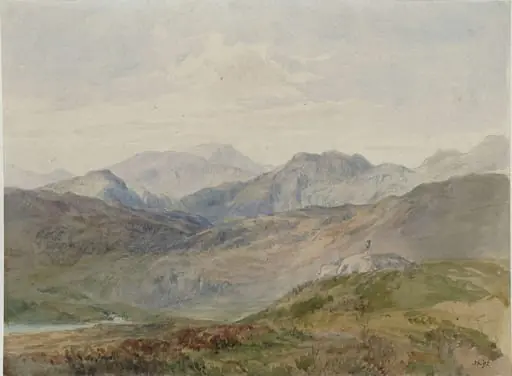 Llanrhychwyn, near Trefriw, North Wales
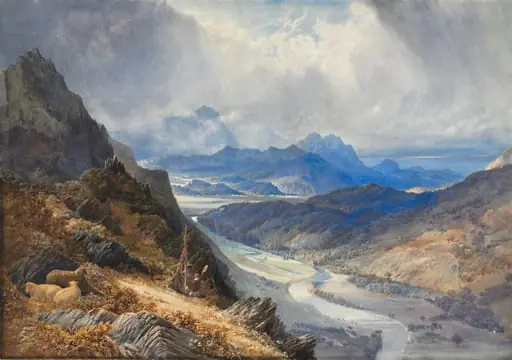 A View from Moel Cynwich: Looking Over the Vale of Afon Mawddach and Toward Cader Idris
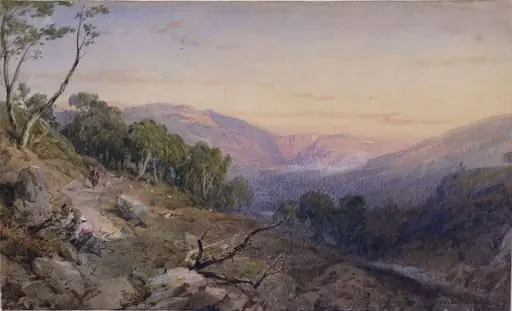 Near Braemar, Aberdeenshire
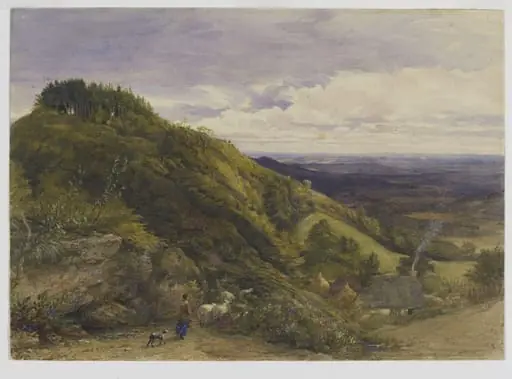 Landscape with a woman driving sheep
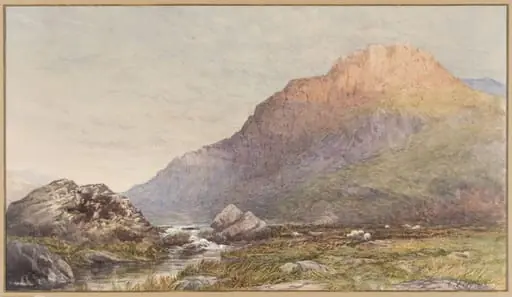 The Trifaen, Llyn Ogwen
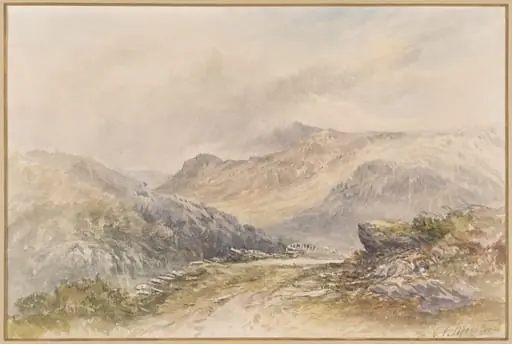 View on the Conway
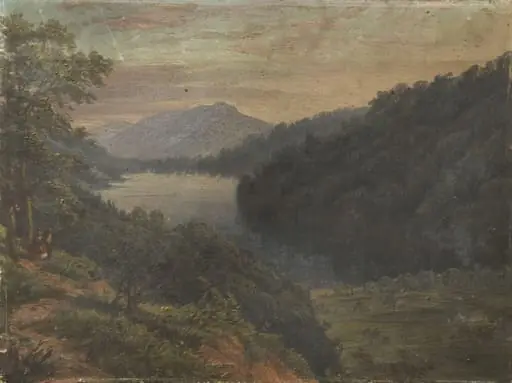 Untitled
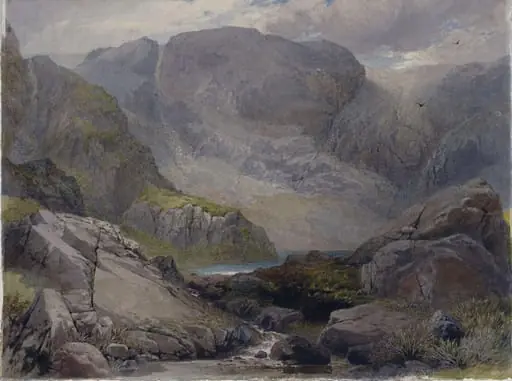 Landscape
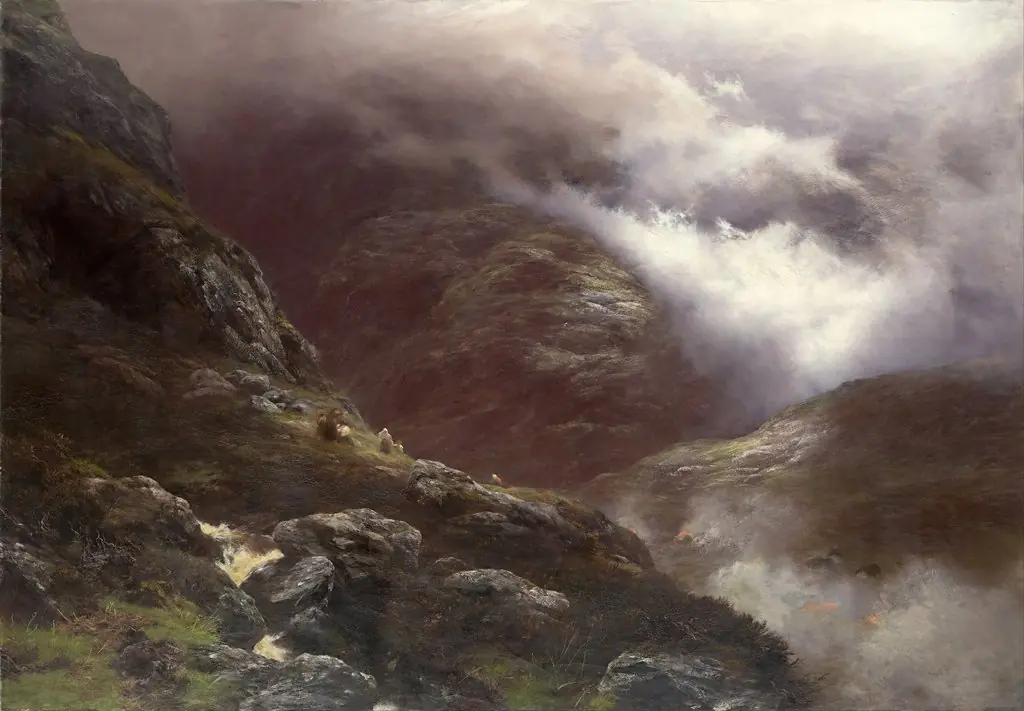 After the Massacre of Glencoe
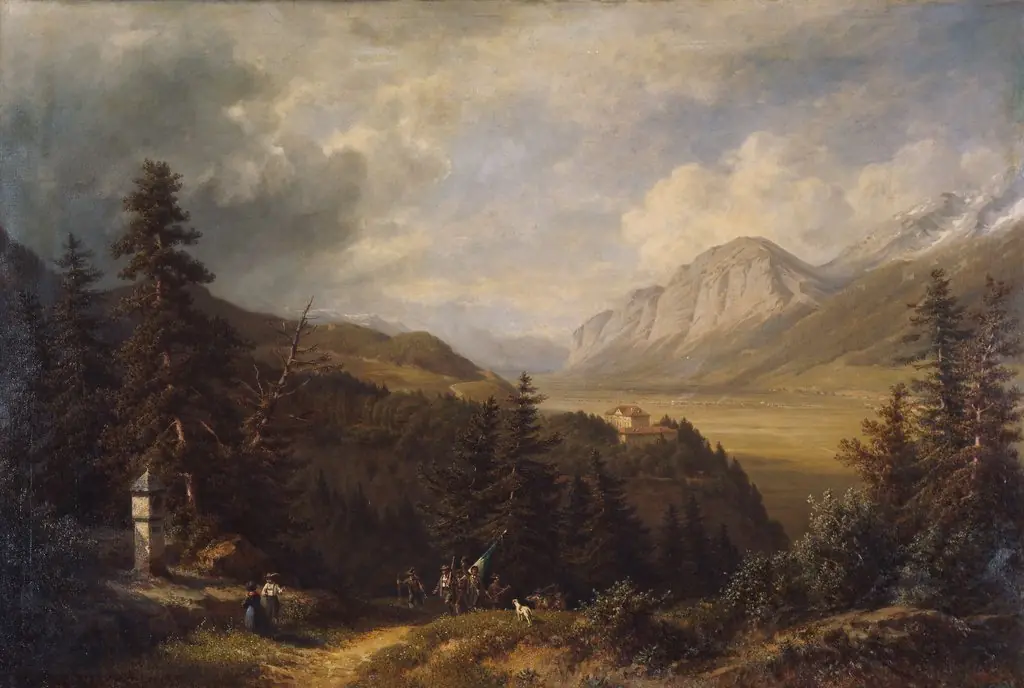 Bergisel
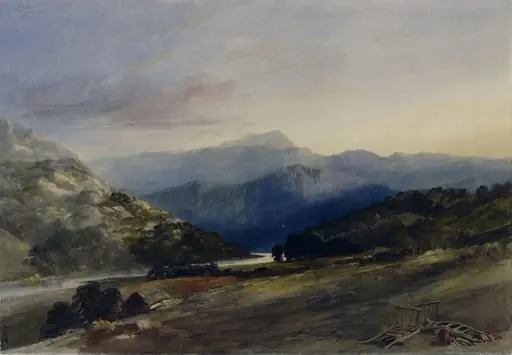 Welsh landscape
 Landscape with distant mountains