Artwork
Cardinal Richelieu
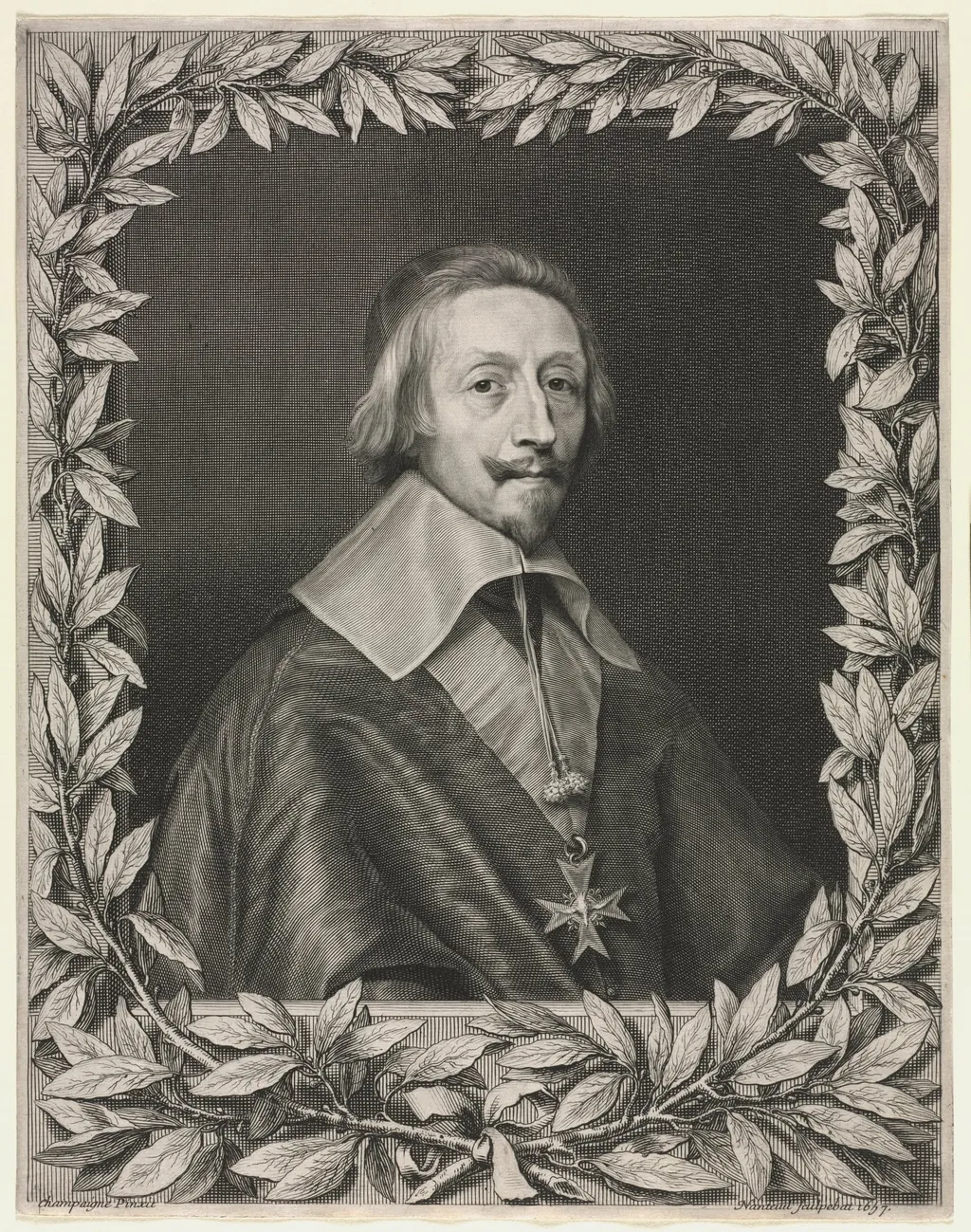
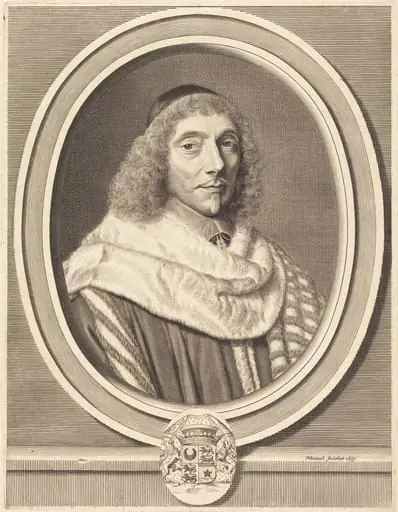
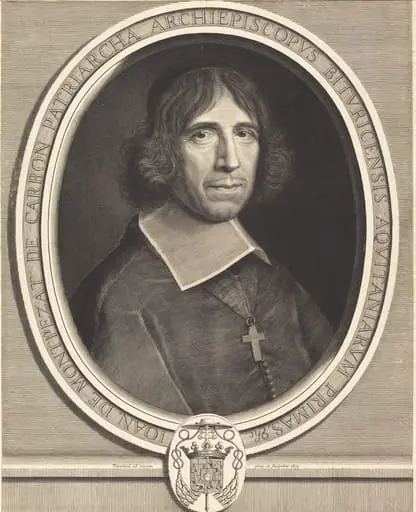
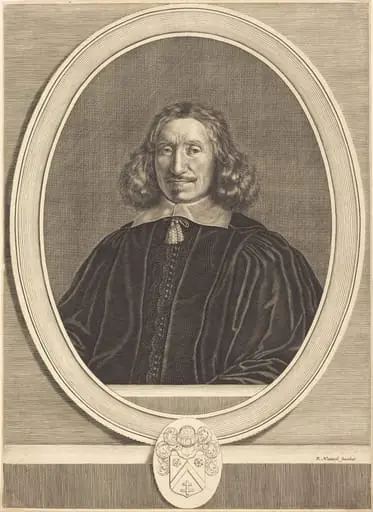
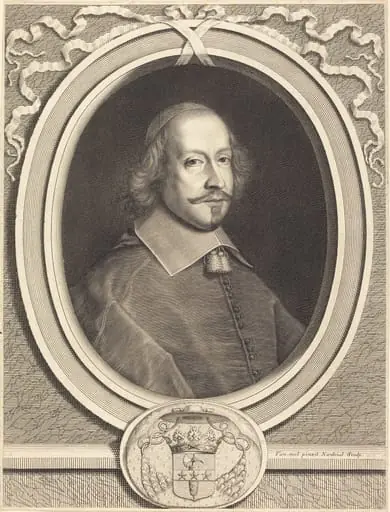
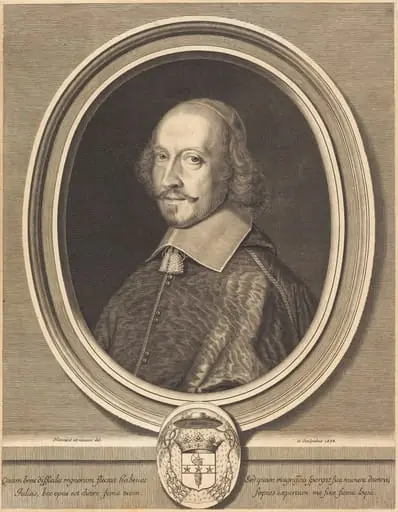
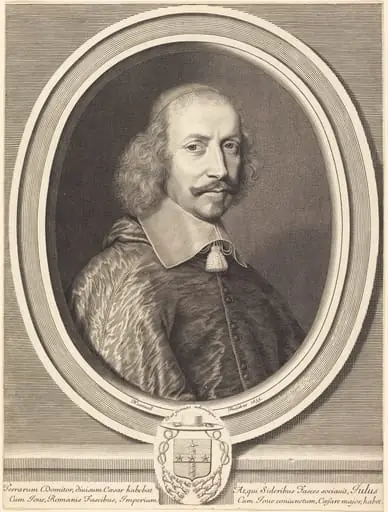
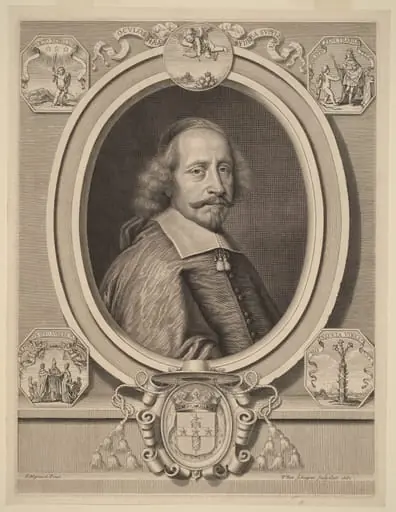
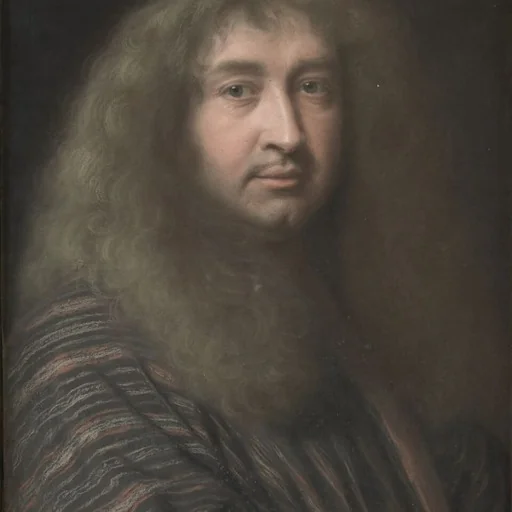
Cardinal Richelieu is a print by the Baroque artist Robert Nanteuil. It dates from 1657 and is held in the collection of the Cleveland Museum of Art.
About this work
Overview
Created in 1657 by Robert Nanteuil, this engraving depicts Cardinal Richelieu, the influential French statesman.
Created in 1657 by Robert Nanteuil, this engraving depicts Cardinal Richelieu, the influential French statesman. Nanteuil, appointed engraver to Louis XIV’s court, specialized in precise portrait renderings. The work is part of The Cleveland Museum of Art’s collection and exemplifies the refined graphic tradition of 17th-century French portraiture, emphasizing clarity and psychological presence over ornamental flourish.
Subject & Meaning
The portrait captures Cardinal Richelieu in his later years, conveying authority through composed stillness. His dark robe, high collar, and star-shaped medal of the Order of the Holy Spirit signify his ecclesiastical rank and royal favor. The slight turn of his head and direct gaze suggest contemplative power, reflecting his role as chief minister who shaped France’s political trajectory during the Thirty Years’ War.
Technique & Style
Nanteuil employed fine line engraving to model form with subtle tonal gradations. Light falls from the left, defining the contours of the face and fabric while the deep background isolates the figure. The meticulous rendering of hair, lace, and metallic embroidery demonstrates his mastery of texture and detail, aligning with Baroque ideals of realism and emotional restraint in official portraiture.
History & Provenance
The engraving was produced after Richelieu’s death in 1642, likely from earlier studies or portraits. Nanteuil, known for his authoritative likenesses of French elites, created multiple versions of the cardinal’s image for distribution among nobility and institutions. The Cleveland Museum of Art acquired the print as part of its broader collection of European graphic arts.
Context
In mid-17th century France, engraved portraits served as tools of political memory and legitimacy. Richelieu’s image, circulated posthumously, reinforced his legacy amid shifting court dynamics. Nanteuil’s role as court artist placed him at the center of this visual culture, where controlled, dignified representation was essential to maintaining the authority of the state and church.
Legacy
Nanteuil’s engraving of Richelieu became a standard reference for later depictions of the cardinal. His technical precision influenced generations of French engravers and established a model for official portraiture that prioritized psychological depth over theatricality. The work remains a key example of how print media sustained the visibility of political figures beyond their lifetimes.
Artist & collection
Artist
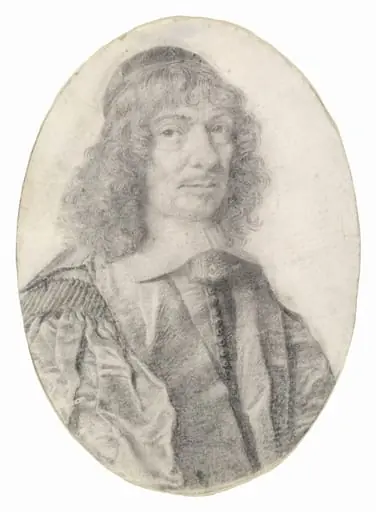
Robert Nanteuil (French pronunciation: ; 1623 – 9 December 1678) was a French portrait artist: engraver, draughtsman and pastellist to the court of Louis XIV.