Artwork
Henry III of France
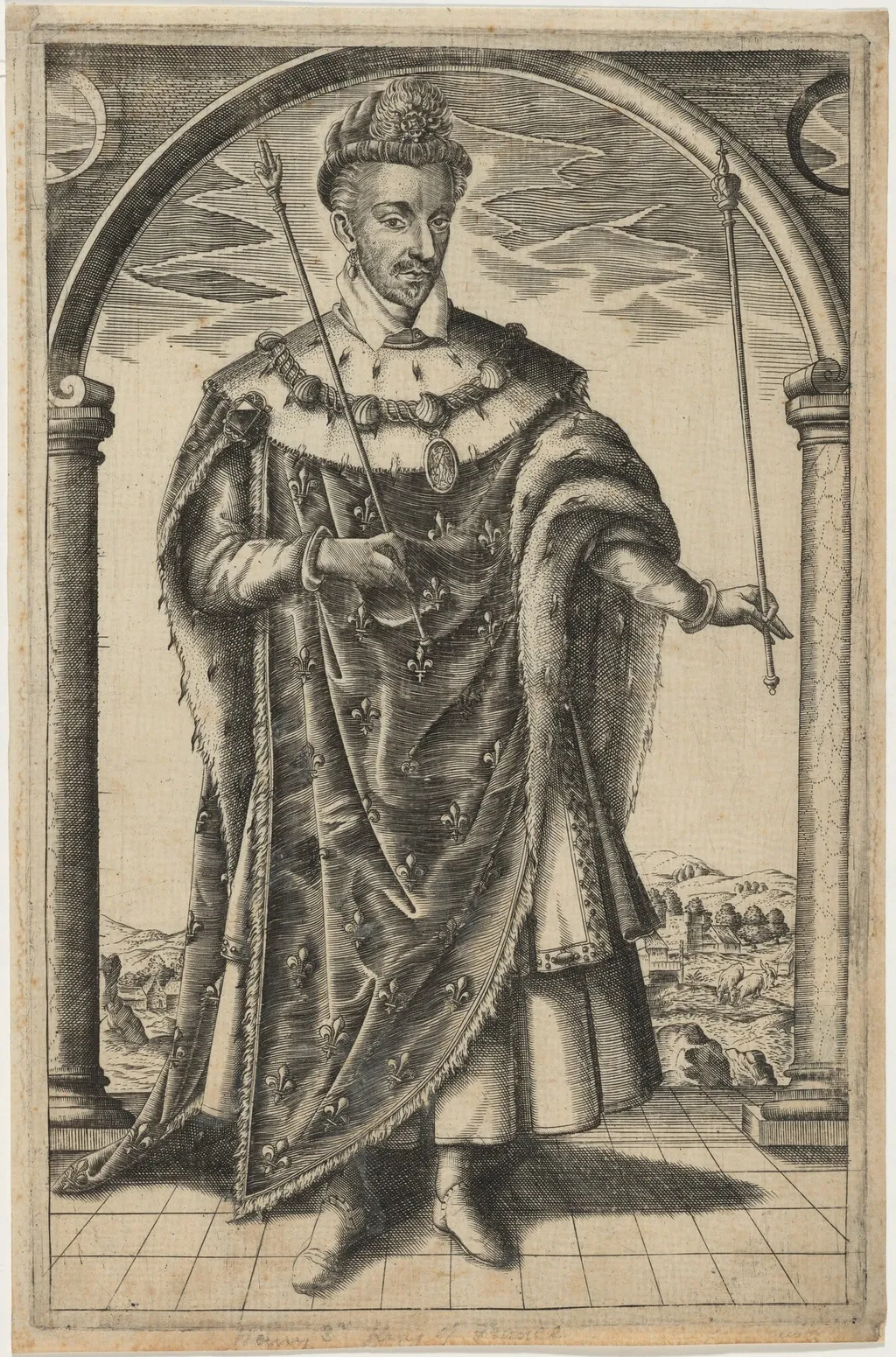
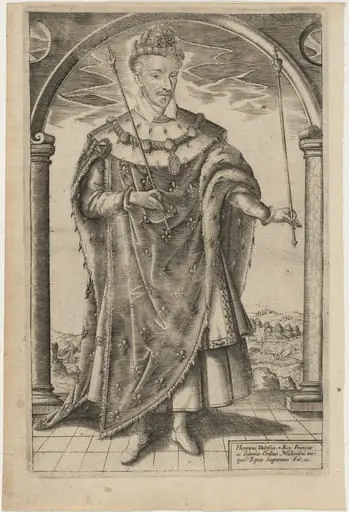
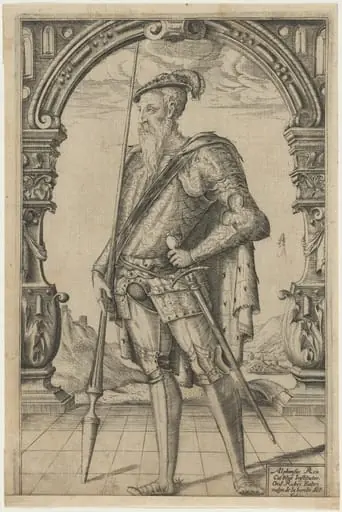
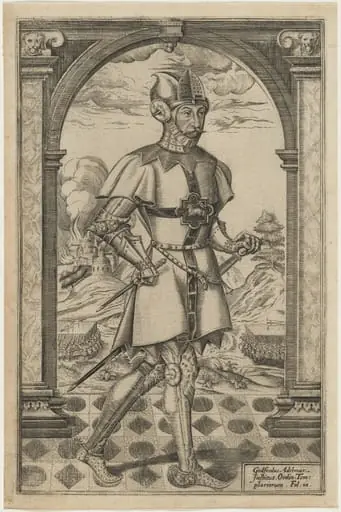
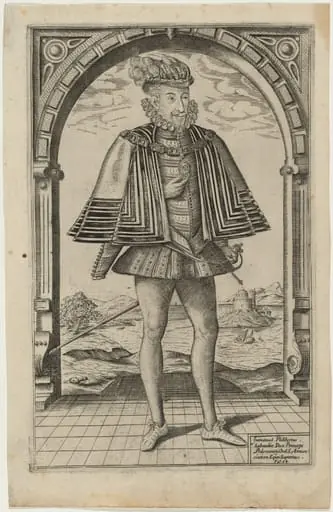
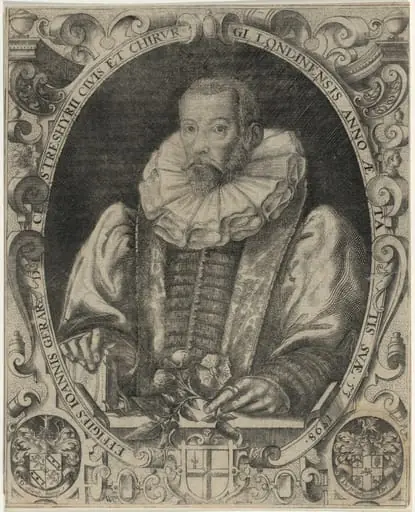
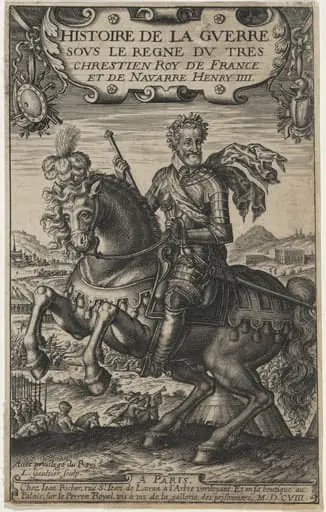
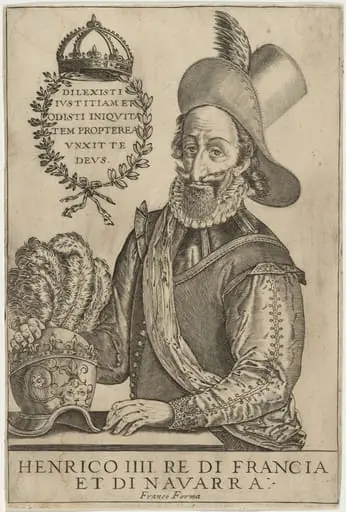
Henry III of France is an ink print by the Baroque artist William Rogers. It dates from 1602 and is held in the collection of the National Gallery of Art.
About this work
You can learn more about this technique by looking into the work of artists who used engraving, like the technique: engraving.
This painting shows Henry III of France.
He's dressed in fancy clothes and looks serious.
The artist put a lot of detail into the clothes and the face, which makes it interesting - it was made a long time ago, in 1602, and it's an engraving, which is a technique where you carve a design into a metal plate.
The engraving technique allows for very fine lines and details.
This was likely important for making portraits like this one, where the subject's face and clothes are the main focus.
You can learn more about this technique by looking into the work of artists who used engraving, like the technique: engraving.
Overview
William Rogers’ 1602 engraving presents a portrait of Henry III, the last Valois king of France. Executed on a metal plate, the print captures the monarch in formal attire, his expression solemn and composed. The work exemplifies early‑17th‑century portraiture intended for circulation among the educated elite, offering a visual record of royal appearance and status.
Subject & Meaning
The figure depicted is Henry III (reigned 1574‑89), shown in elaborate court dress that signals his royal authority and the ceremonial culture of the French court. The serious demeanor reflects the political turbulence of his reign, while the emphasis on clothing underscores the importance of regal display in consolidating power.
Technique & Style
Rogers employed the engraving process, incising lines into a copper plate with a burin. This method permits exceptionally fine, controlled strokes, allowing intricate rendering of fabric textures, lace, and facial features. The tonal modulation achieved through varied line density gives the portrait a subtle chiaroscuro, characteristic of English printmaking of the period.
History & Provenance
Created in 1602, the print emerged shortly after Henry III’s death, suggesting a commemorative purpose. Copies would have been distributed to collectors and libraries across England and the continent. Surviving impressions are held in several major institutions, documenting the work’s transmission through private collections and museum acquisitions over the ensuing centuries.
Artist & collection