Artwork
Interior of the Church of St. Mary, Whitby
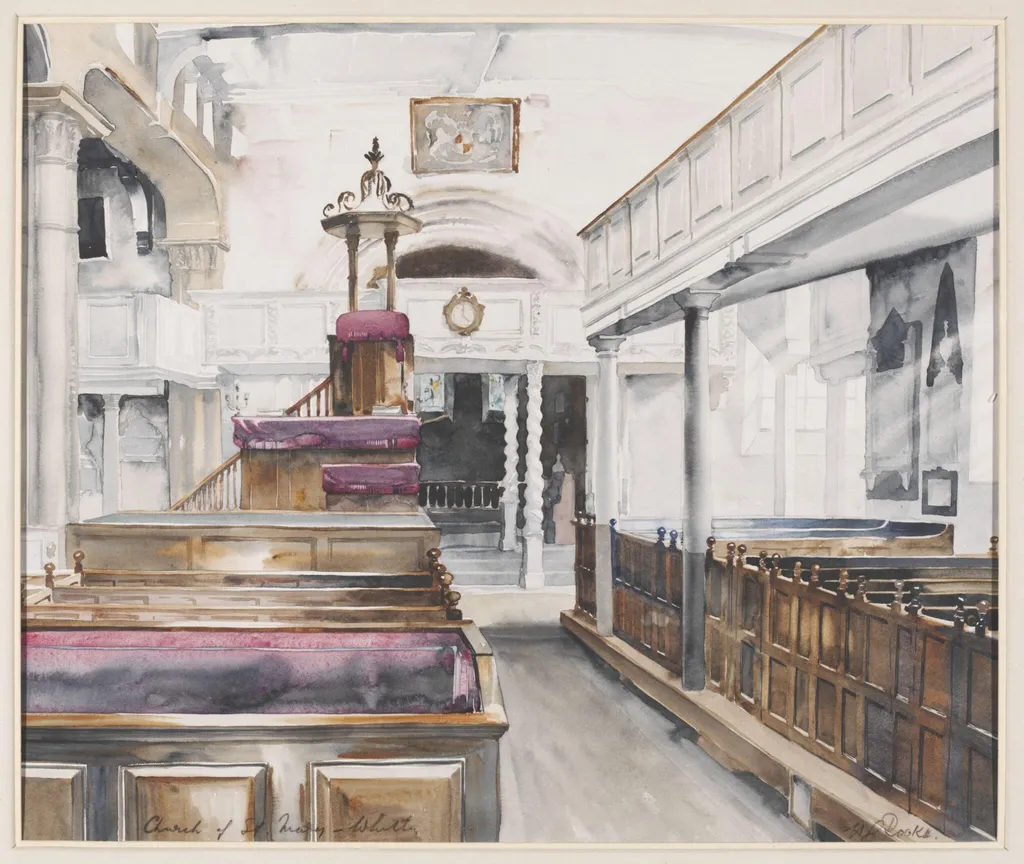
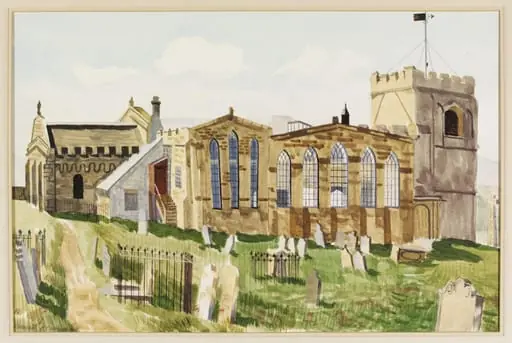
Interior of the Church of St. Mary, Whitby is a watercolor work on paper by the British Romanticist artist Horace Rooke. It dates from 1940 and is held in the collection of the Victoria and Albert Museum.
About this work
Overview
Mary’s Church in Whitby exemplifies the project’s quiet, observational approach to documenting ordinary yet culturally significant spaces.
Created in 1940, this watercolour by Horace Rooke is one of over 1,500 works produced for the Recording Britain project. The initiative, launched during the Second World War, sought to visually archive Britain’s architectural and landscape heritage amid fears of wartime destruction and social change. Rooke’s depiction of St. Mary’s Church in Whitby exemplifies the project’s quiet, observational approach to documenting ordinary yet culturally significant spaces.
Subject & Meaning
The painting captures the interior of St. Mary’s Church in Whitby, a modest ecclesiastical space marked by simplicity and age. Bare walls, worn flooring, and unadorned wooden pews convey a sense of quiet endurance. The inclusion of a small pulpit and a few framed images suggests a place of routine worship, untouched by grandeur. The work reflects the project’s aim to preserve the dignity of everyday religious architecture during a time of national upheaval.
Technique & Style
Rooke employed delicate watercolour washes to render the interior with restraint and subtlety. Soft, muted tones and gentle light filtering through tall windows create a serene atmosphere. The forms are simplified, avoiding detail in favor of atmospheric suggestion. The brushwork is controlled yet fluid, emphasizing texture in the wood and stone without embellishment. The signature 'Rooke' in the corner confirms authorship and aligns with the project’s emphasis on individual, unpretentious observation.
History & Provenance
Commissioned under the Recording Britain scheme, initiated by Sir Kenneth Clark in 1939, the painting was part of a broader effort to safeguard visual records of heritage sites at risk. The work entered the collection of the Victoria and Albert Museum, where it remains as part of a larger archive of wartime documentation. Its preservation reflects the project’s success in creating a lasting visual archive of Britain’s built environment during a critical historical moment.
Context
The Recording Britain project emerged during a period of national vulnerability, when bombing and urban transformation threatened historic structures. Artists like Rooke were tasked with recording places deemed culturally valuable but often overlooked. This watercolour, like others in the series, avoids dramatic narrative in favor of quiet documentation, offering a counterpoint to wartime propaganda by honoring the ordinary and enduring.
Legacy
The Recording Britain collection endures as a vital historical resource, offering insight into Britain’s architectural landscape at a moment of transition. Rooke’s depiction of St. Mary’s Church contributes to this archive not through spectacle, but through attentive observation. Today, the work stands as a testament to the value of preserving everyday spaces — not for their grandeur, but for their quiet continuity in the face of change.
Artist & collection
Artist
English watercolorist Horace Rooke painted quiet, detailed views of historic interiors.

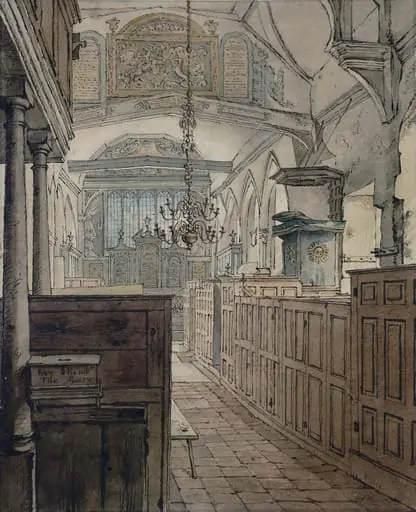 Interior of an old church
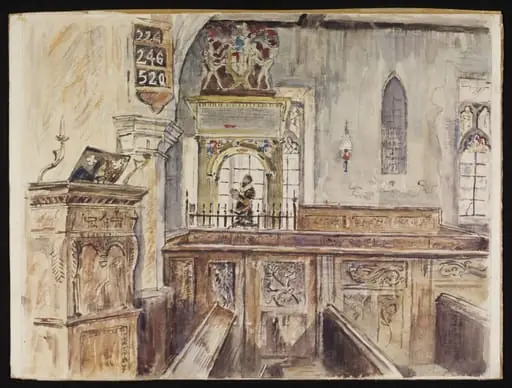 Monument and the Bolingbroke pews, St.Mary’s Church, Lydiard Tregoze
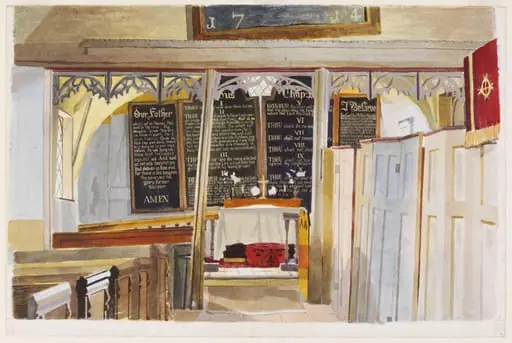 Interior, Black Chapel, North End, near Dunmow, Essex
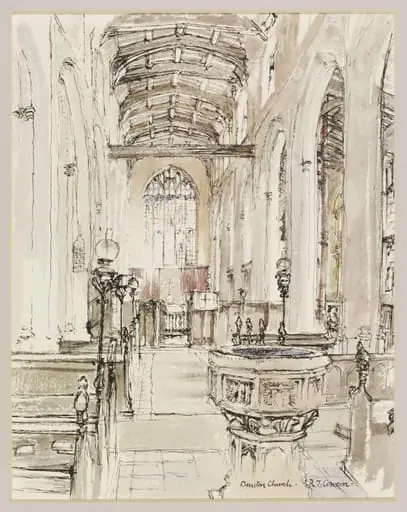 St. Nicholas Church, Denston
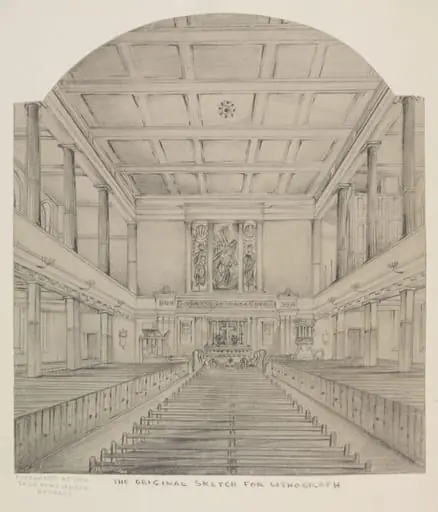 Untitled
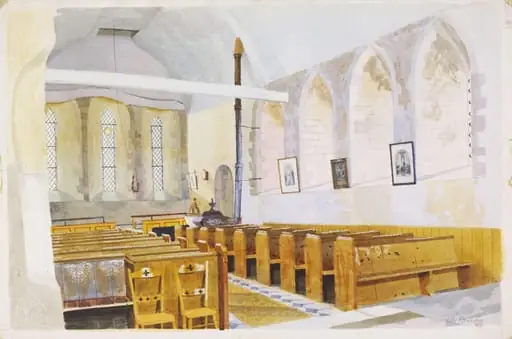 Interior of St. Mary's Church, Tilty
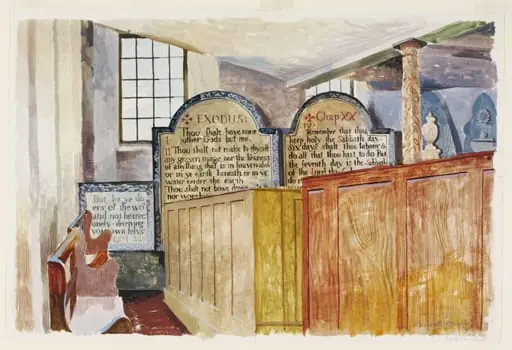 Pews in St Mary's Church, Whitby
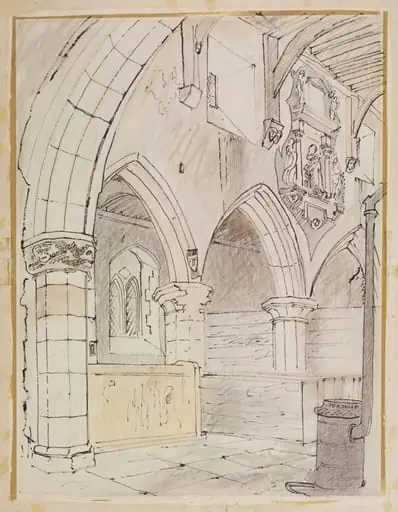 Interior of the Church of St. Denis, Faxton
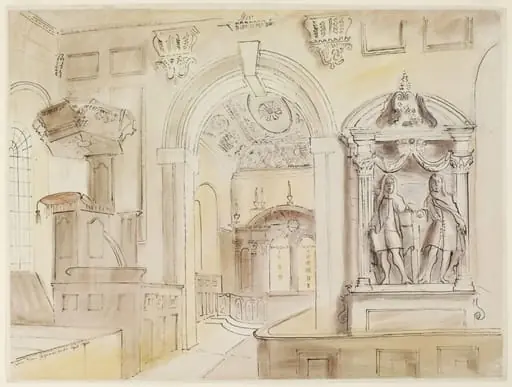 Interior of St. Peter's Church, Gayhurst
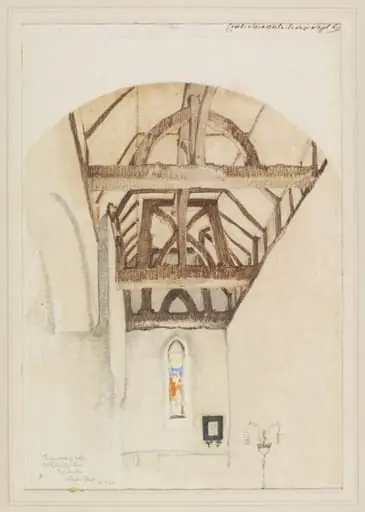 Timber work of Roof, St. Peter-the-Less, Chichester
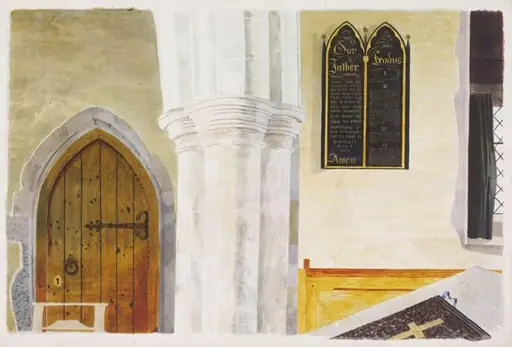 Interior of the Church of St. Mary the Virgin, Lindsell
 St. Mary's, Whitby - Exterior