Artwork
Caesar Augustus Rodney
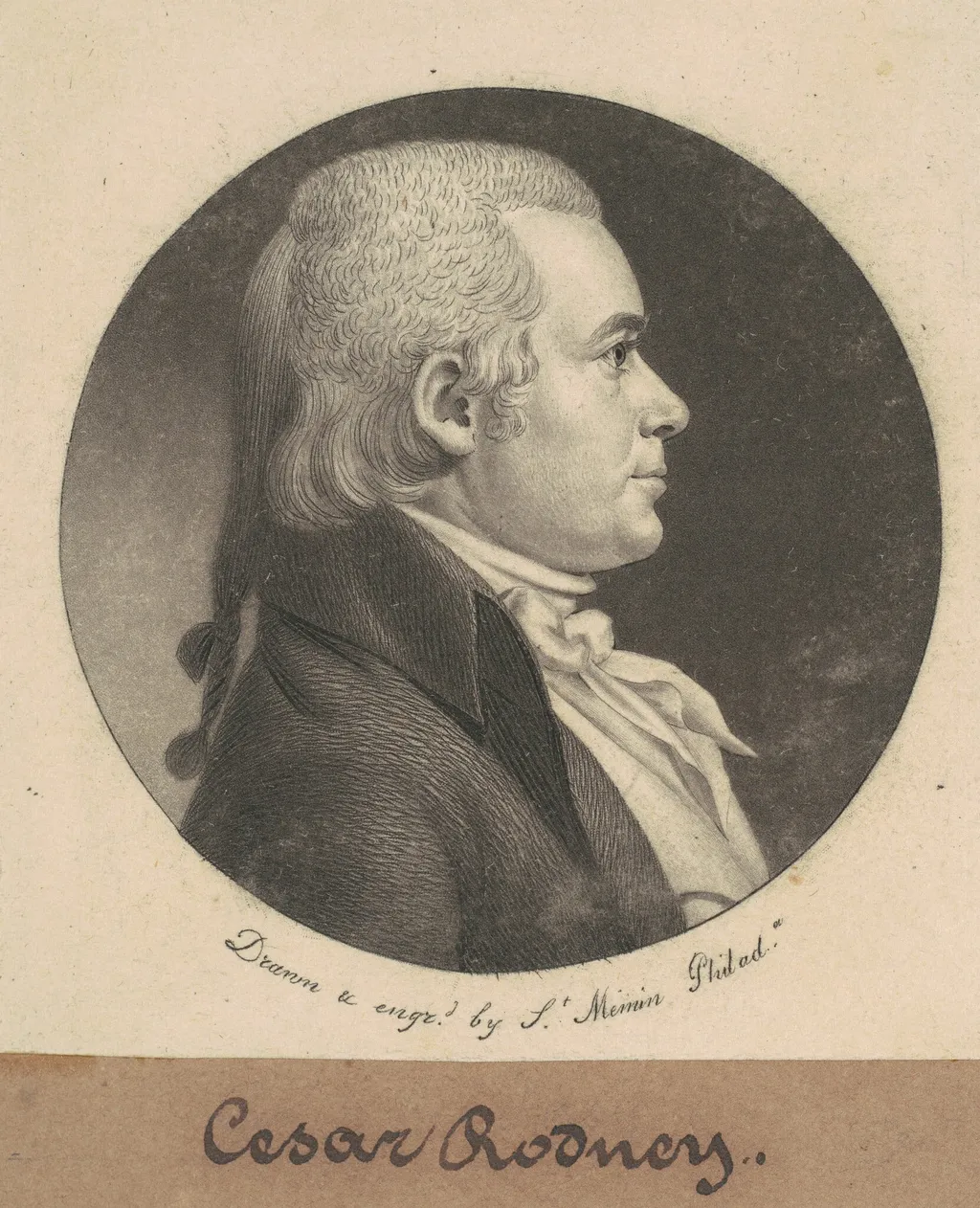
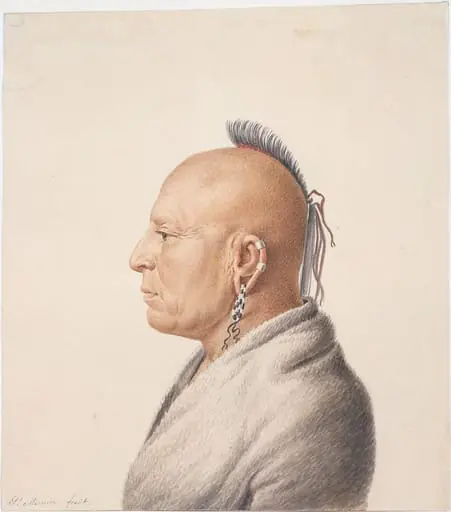
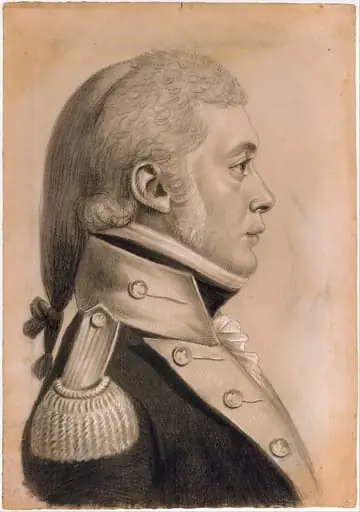
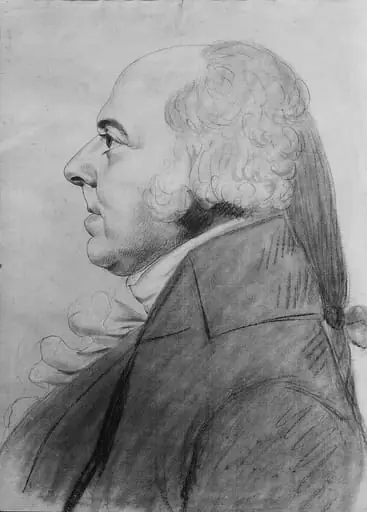
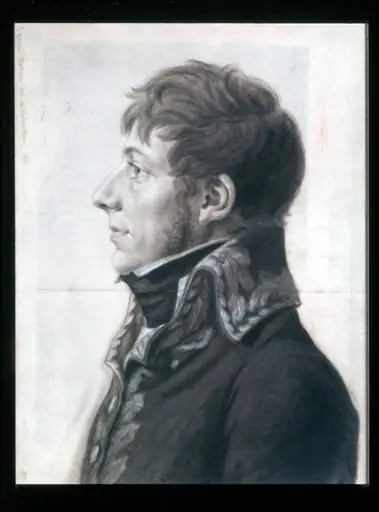
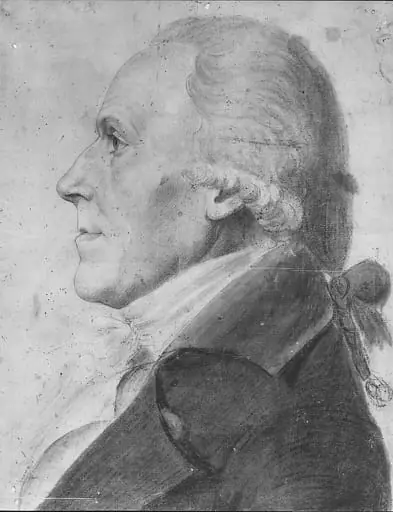
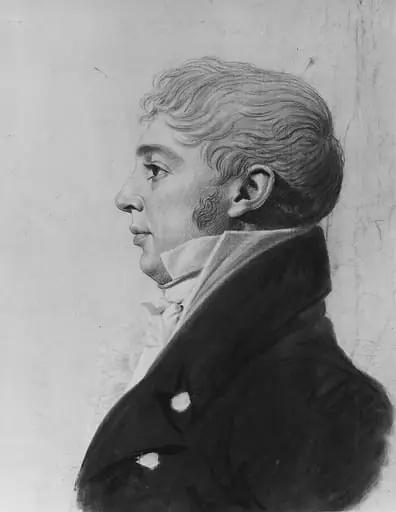
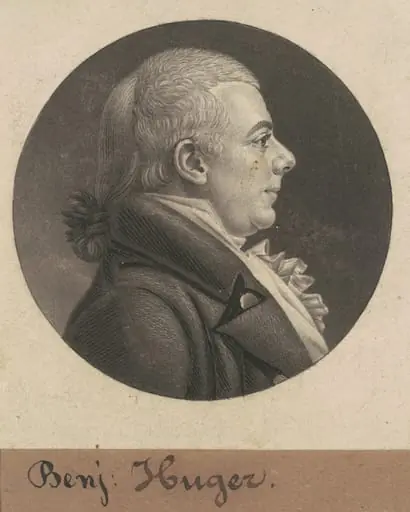
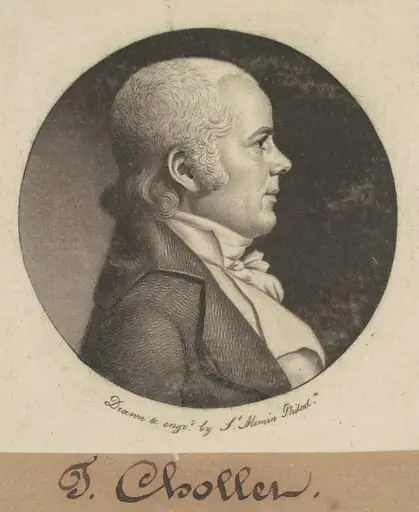
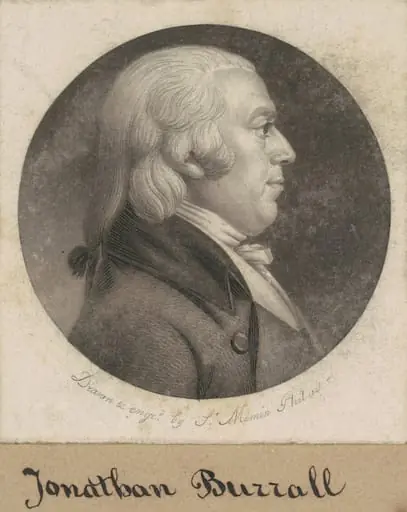
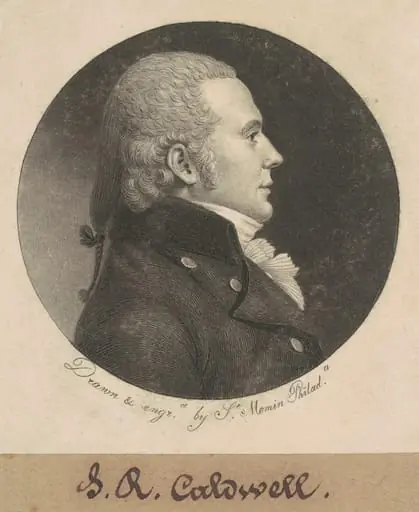
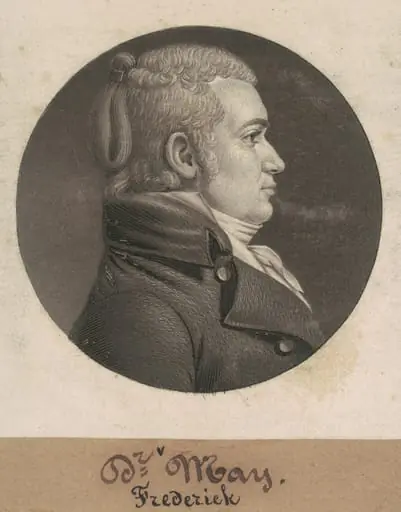
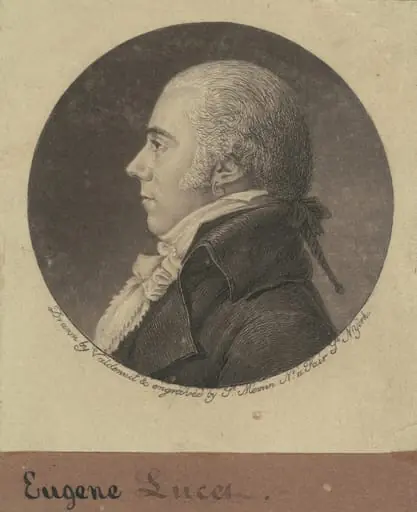
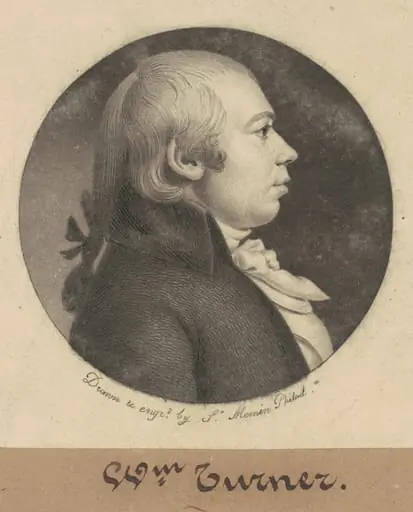
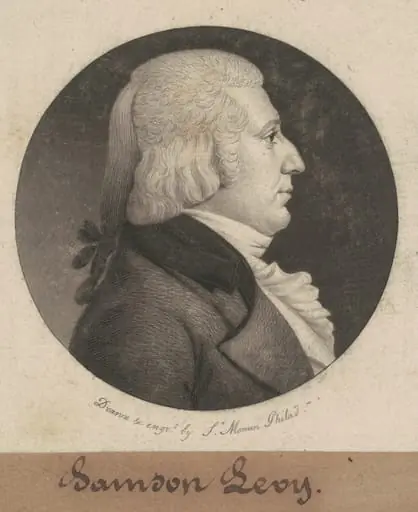
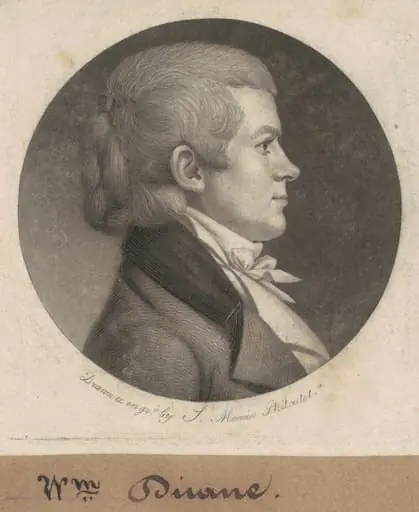
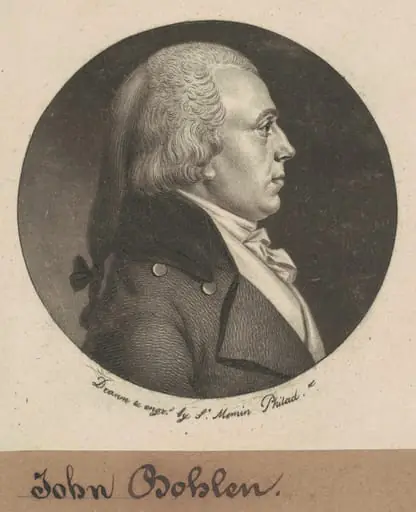
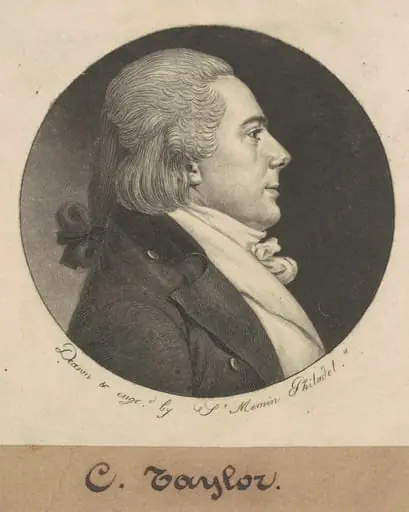
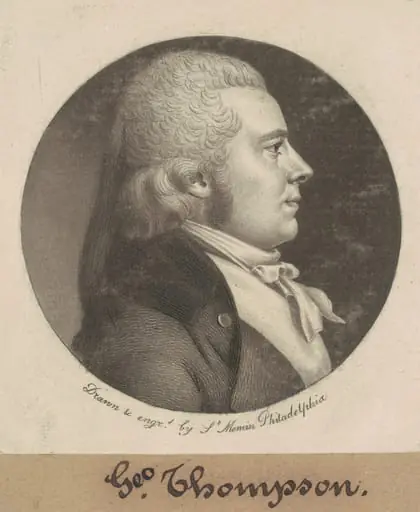
Caesar Augustus Rodney is an ink print by the Romanticist artist Charles Balthazar Julien Févret de Saint-Mémin. It dates from 1800 and is held in the collection of the National Gallery of Art.
About this work
Overview
This early nineteenth‑century print presents Caesar Augustus Rodney, a prominent American statesman, in a formal half‑length portrait. Rendered in black on wove paper, the image shows Rodney turned toward his right, his attire rendered with meticulous attention to the folds of his coat and the texture of his hair, conveying a composed and dignified presence.
Technique & Style
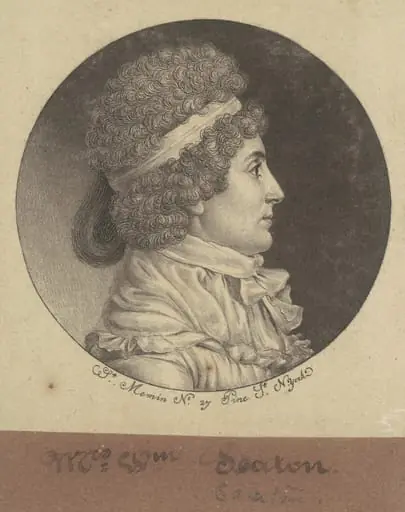
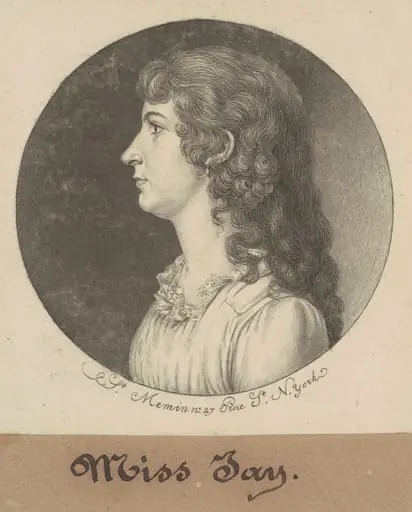
The work combines mezzotint and engraving, a hybrid method popular around 1800 for its capacity to produce rich tonal gradations alongside fine line work. Mezzotint provides deep, velvety shadows, while engraving adds crisp details, especially in the facial features and clothing, resulting in a high‑contrast image that emphasizes texture and depth.
Subject & Meaning
Rodney, noted for his diplomatic service and role in early American politics, is depicted with a sober expression that reflects the gravitas associated with his public duties. The portrait’s restrained composition and lack of ornamental background focus attention on his individual character and status as a figure of authority.
History & Provenance
Created in 1800 by Charles Balthazar Julien Févret de Saint‑Mémin, a French artist active in the United States, the print entered the public domain shortly after its production. It has been reproduced in various collections documenting early American portraiture, illustrating Saint‑Mémin’s contribution to transatlantic print culture.
Artist & collection

Artist
Charles Balthazar Julien Févret de Saint-Mémin
Charles Balthazar Julien Févret de Saint-Mémin (French pronunciation: ; 1770–1852) was a French portrait painter and museum director.