Artwork
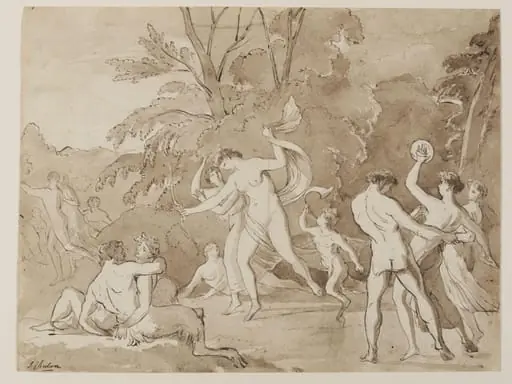
Diana and Her Nymphs Bathing
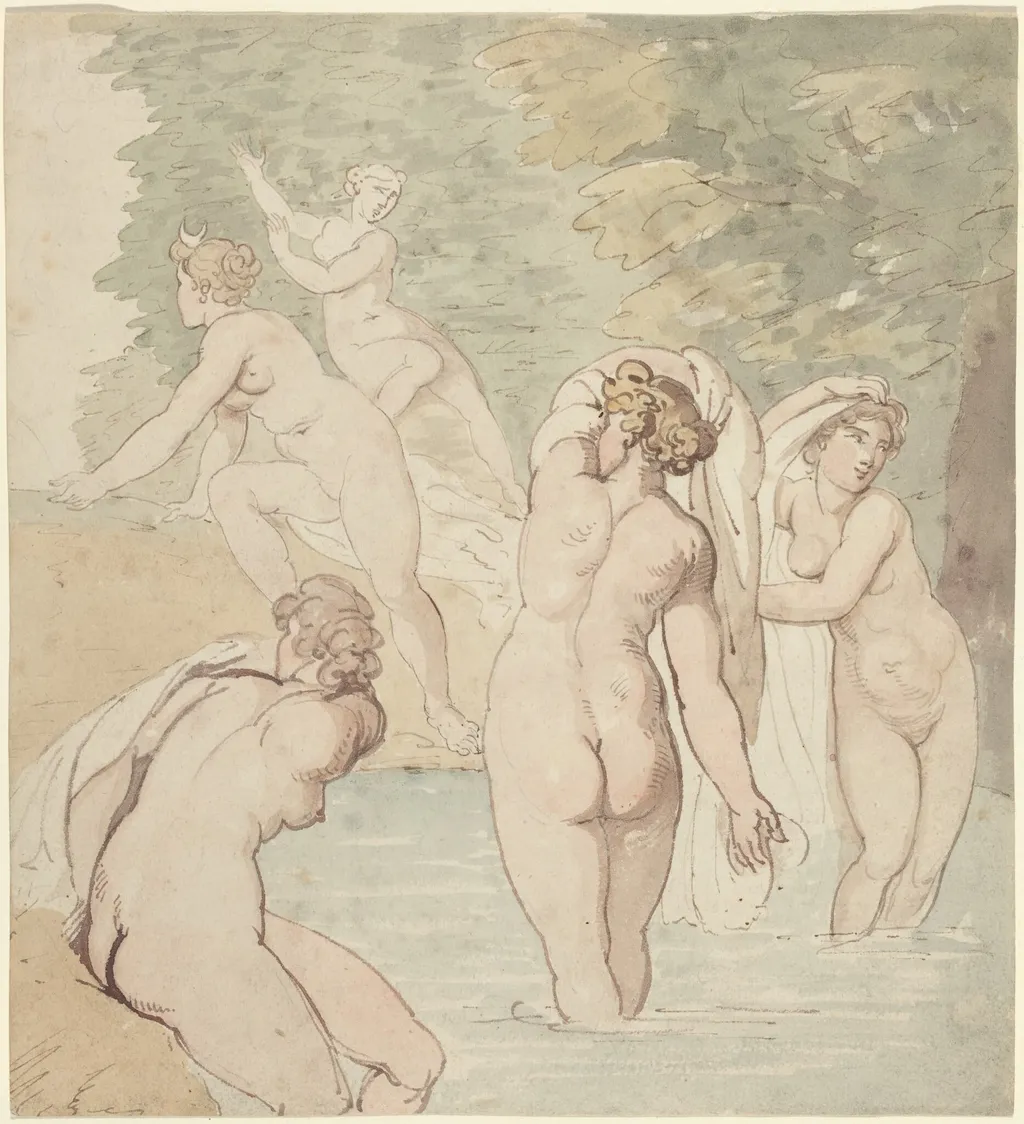
Diana and Her Nymphs Bathing is an ink drawing by the Romanticist artist Thomas Rowlandson. It dates from 1792 and is held in the collection of the National Gallery of Art.
About this work
Overview
Executed with fluid pen lines and delicate washes over graphite underdrawing, the work reflects his skill in capturing movement and informal gesture.
Thomas Rowlandson created this ink and watercolor drawing in 1792, capturing a mythological scene of Diana and her attendants in a natural setting. Executed with fluid pen lines and delicate washes over graphite underdrawing, the work reflects his skill in capturing movement and informal gesture. Though best known for satirical prints, this piece reveals a more lyrical side of his practice, turning away from social critique toward classical subject matter.
Subject & Meaning
The drawing illustrates Diana, goddess of the hunt, accompanied by her nymphs in a secluded woodland pool. The figures are shown in moments of quiet repose and playful interaction, evoking a sense of innocence and freedom. Unlike many contemporary depictions that emphasized drama or moral warning, Rowlandson presents the scene as a serene, unguarded interlude—emphasizing harmony with nature rather than mythological grandeur.
Technique & Style
Rowlandson employed loose, expressive pen strokes to define forms, layered with translucent watercolor washes to suggest light filtering through trees. The graphite underdrawing guides the composition without dominating it, allowing spontaneity to remain visible. His handling of the human figure is relaxed and slightly caricatured, yet restrained compared to his more exaggerated satirical works, suggesting a deliberate shift toward classical elegance.
History & Provenance
The drawing was made during a period when Rowlandson was producing both commercial illustrations and private commissions. Its survival as a finished work, rather than a preparatory sketch, indicates it may have been intended for a collector interested in classical themes. No documented early ownership is recorded, but its condition and style align with other drawings from his early 1790s output.
Context
In late 18th-century Britain, classical mythology remained a popular subject for artists, often used to explore ideals of beauty and nature. While many contemporaries treated such themes with formal solemnity, Rowlandson’s approach was more intimate and humanized. His choice to depict Diana’s bath as a private, joyful moment reflects broader cultural interest in pastoral escape and the emotional life of mythological figures.
Legacy
Though less celebrated than his satirical prints, this drawing contributes to understanding Rowlandson’s range as an artist. It demonstrates his ability to adapt his fluid draftsmanship to non-comedic subjects, influencing later illustrators who sought to blend classical themes with naturalistic observation. The work remains a quiet testament to his versatility beyond caricature.
Artist & collection
Artist
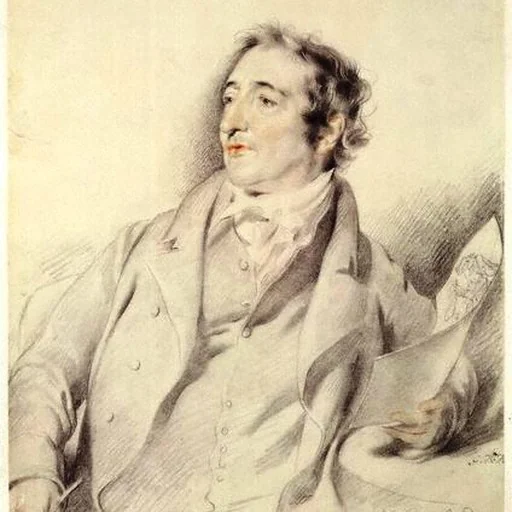
Thomas Rowlandson (; 13 July 1757 – 21 April 1827) was an English artist and caricaturist of the Georgian Era, noted for his political satire and social observation.

 Cheerfulness
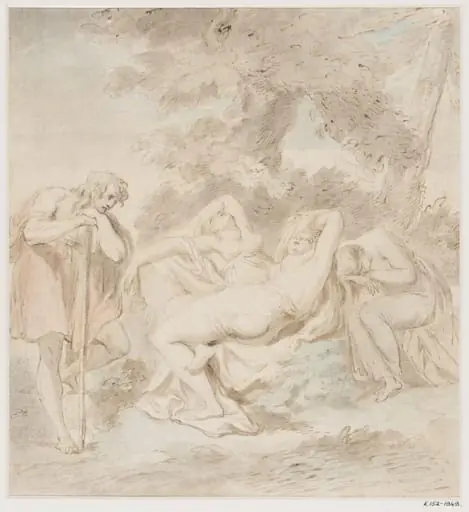 Cymon, Iphigeneia and two female attendants in a landscape.
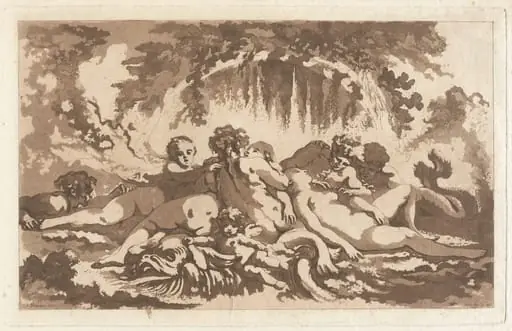 Naiads and Tritons
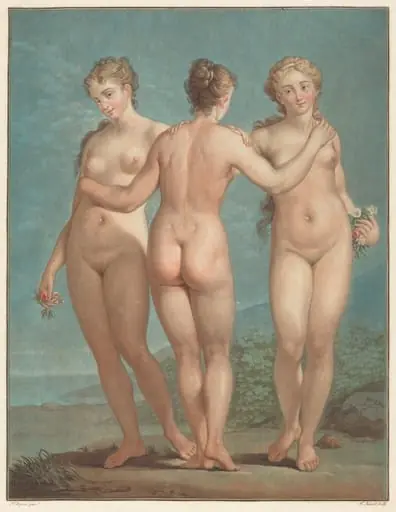 Les trois graces
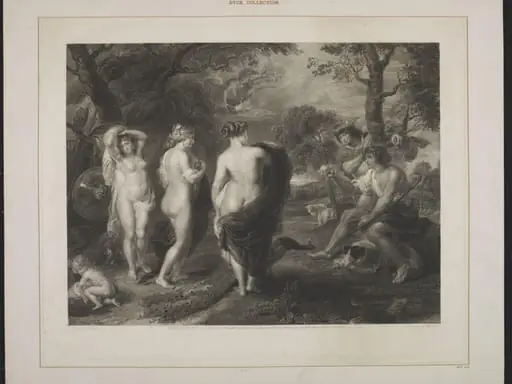 The Judgment of Paris
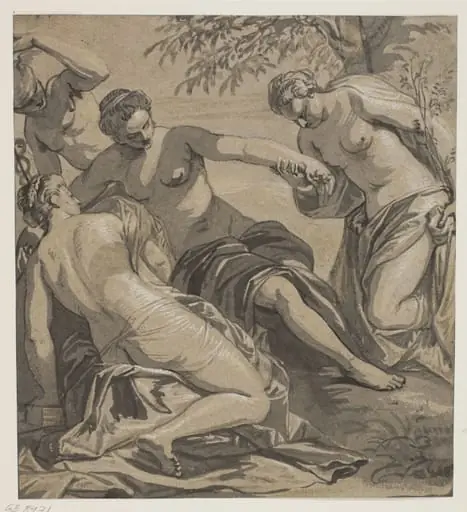 The three Graces and Mercury, after the painting in the Anticollegio, Palazzo Ducale, Venice
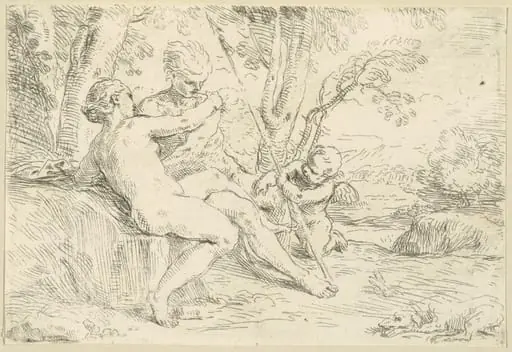 Venus and Adonis
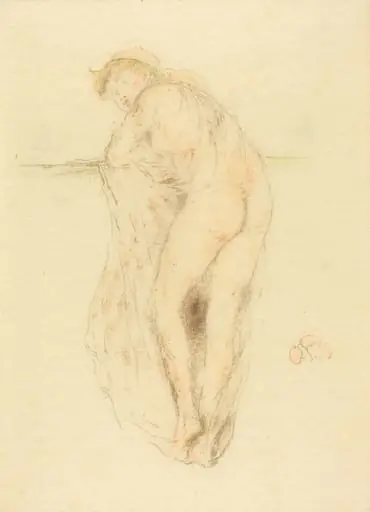 Nude Model, Back View
![The Judgment of Paris [recto], by Guillaume Lethière](https://artifactworldgallery.com/img/guillaume-lethiere--the-judgment-of-paris-recto--1df8771f117e8a0e-w320.webp) The Judgment of Paris [recto]
The Judgment of Paris [recto]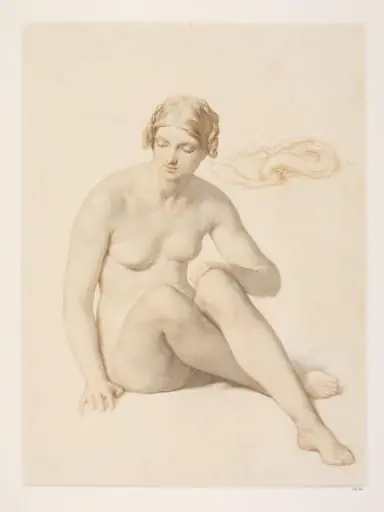 Life Study
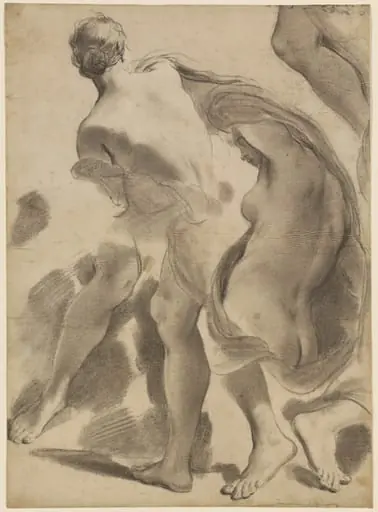 Studies of Female Nudes
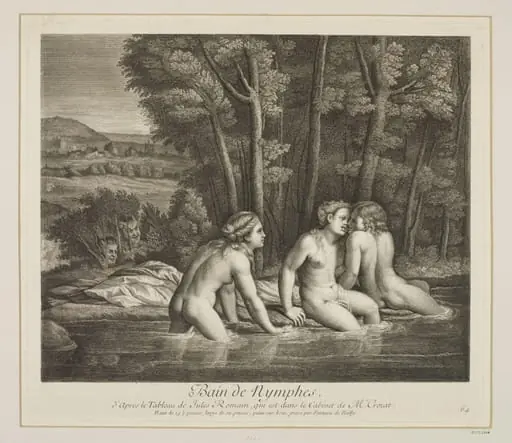 Nymphs Bathing