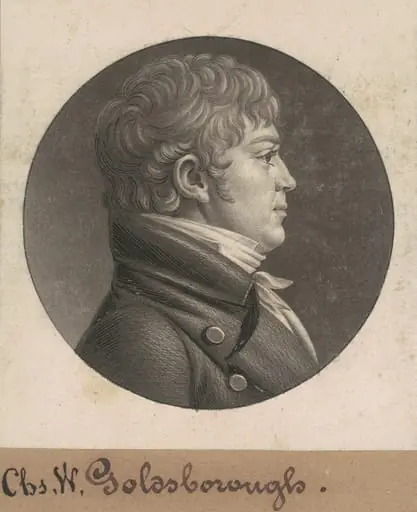
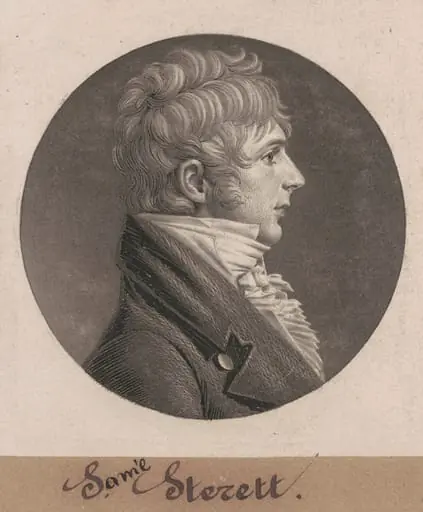
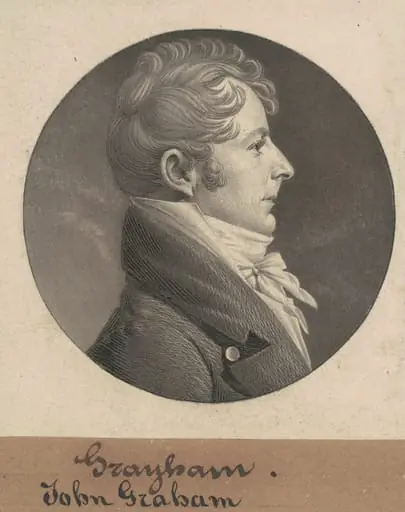
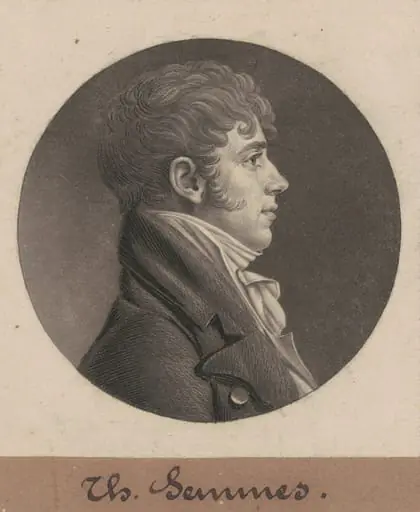
Artwork
Benjamin Ricketts
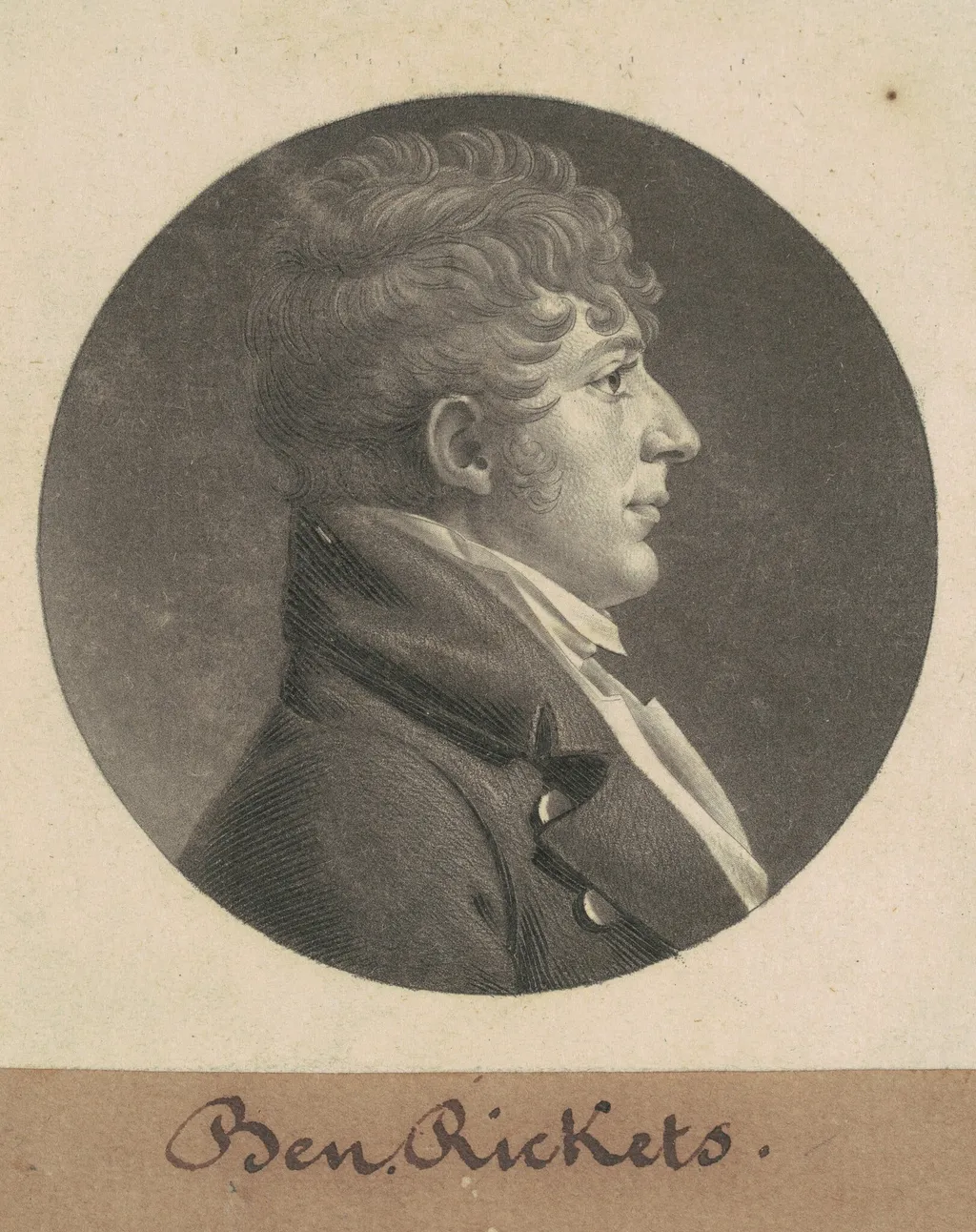
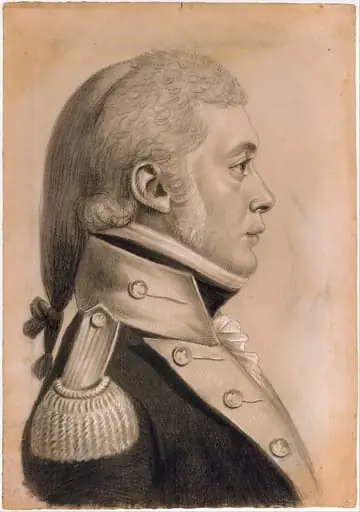
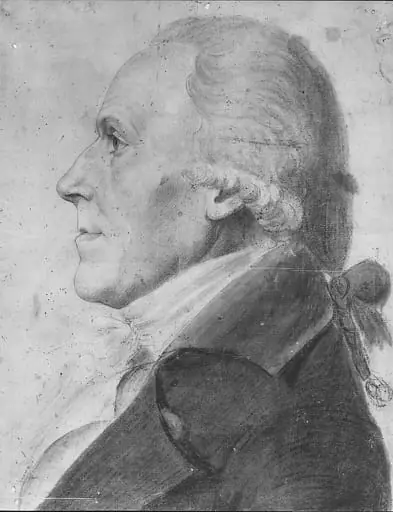
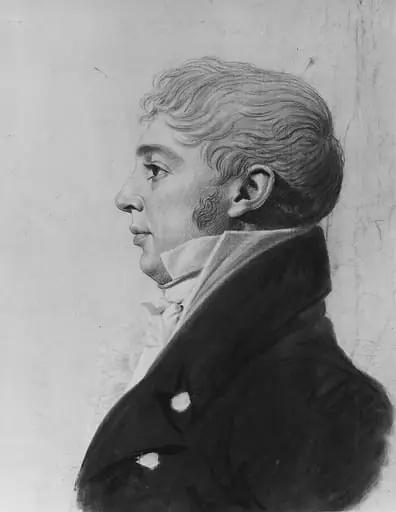
Benjamin Ricketts is an ink print by the Romanticist artist Charles Balthazar Julien Févret de Saint-Mémin. It dates from 1805 and is held in the collection of the National Gallery of Art.
About this work
Overview
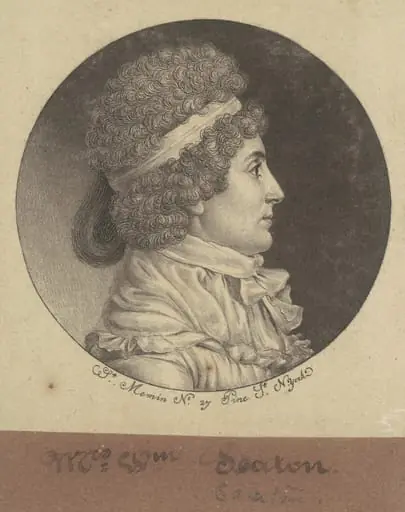
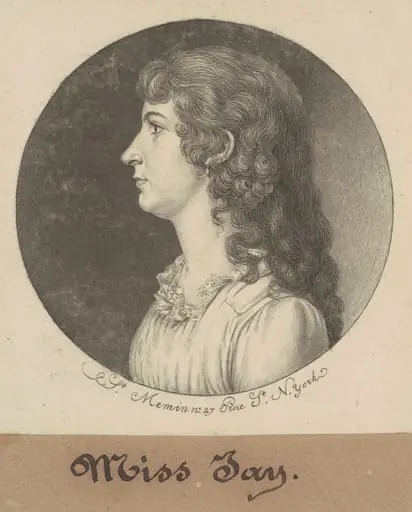
This small portrait print, created in 1805, depicts Benjamin Ricketts in mezzotint and engraving on wove paper, mounted to a brown wove support.
This small portrait print, created in 1805, depicts Benjamin Ricketts in mezzotint and engraving on wove paper, mounted to a brown wove support. Measuring just over five and a half centimeters in width, the work exemplifies the precision required in miniature portraiture. It originates from the Corcoran Collection and is accessible through the National Gallery of Art’s digital archive, where its fine detail remains legible despite its diminutive scale.
Subject & Meaning
Benjamin Ricketts is portrayed with a composed, introspective demeanor, his face rendered with subtle modeling and a faint, restrained smile. His plain attire suggests modest social standing, avoiding the ornate dress typical of elite portraiture. The image conveys quiet dignity rather than status, emphasizing character over ceremony. The artist’s focus on expression rather than adornment reflects a shift toward individualized representation in early American portraiture.
Technique & Style
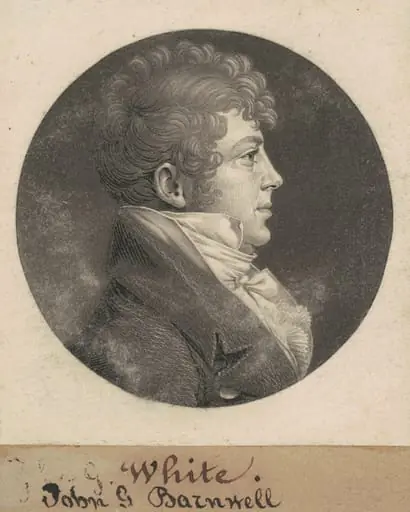
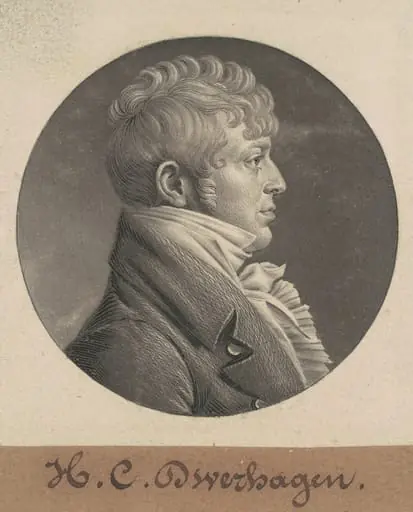
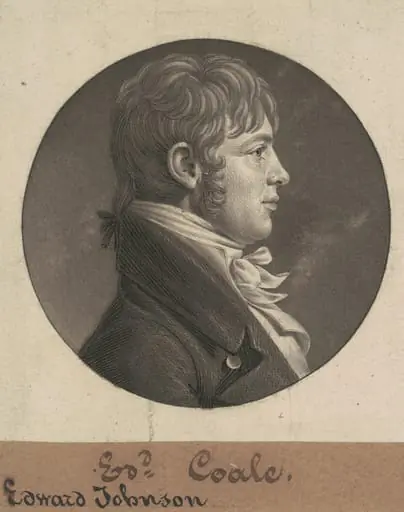
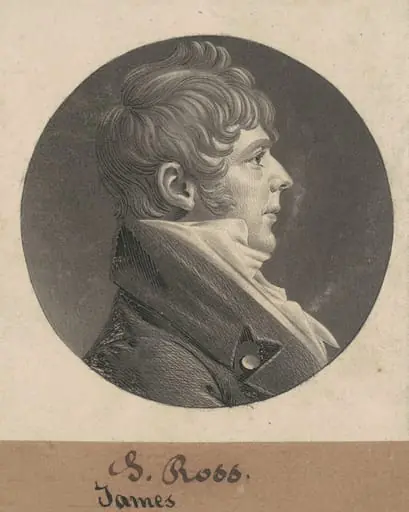
Charles B. J. Févret de Saint-Mémin employed mezzotint to achieve rich tonal gradations within a tiny format, complemented by fine engraving for crisp linear details. The technique allowed for nuanced shadows and highlights despite the limited space, demanding exceptional control. The close cropping and intimate scale invite close viewing, highlighting the artist’s mastery in translating three-dimensional form into minute graphic marks on paper.
History & Provenance
The print was produced in 1805 as part of Saint-Mémin’s series of American portraits, created during his time in the United States. It entered the Corcoran Collection in the 19th century and was later transferred to the National Gallery of Art following the Corcoran’s dissolution. Its preservation and digital availability reflect its significance as a record of early American civic figures and the artist’s technical legacy.
Context
Saint-Mémin, a French émigré, developed a distinctive method of producing portrait prints using the mezzotint process, popular in Europe but rare in America at the time. His series of small-scale portraits, including this one of Ricketts, served as accessible likenesses for a growing middle class. These works document individuals beyond the political elite, offering a broader social record of the early republic.
Legacy
This print contributes to a body of work that helped establish mezzotint as a viable medium for portraiture in the United States. Saint-Mémin’s ability to capture likeness and character at such a small scale influenced later printmakers and expanded the possibilities of reproductive portraiture. The work remains a quiet testament to the precision and patience required in pre-photographic image-making.
Artist & collection

Artist
Charles Balthazar Julien Févret de Saint-Mémin
Charles Balthazar Julien Févret de Saint-Mémin (French pronunciation: ; 1770–1852) was a French portrait painter and museum director.