Artwork
Bertram Peter Cruger
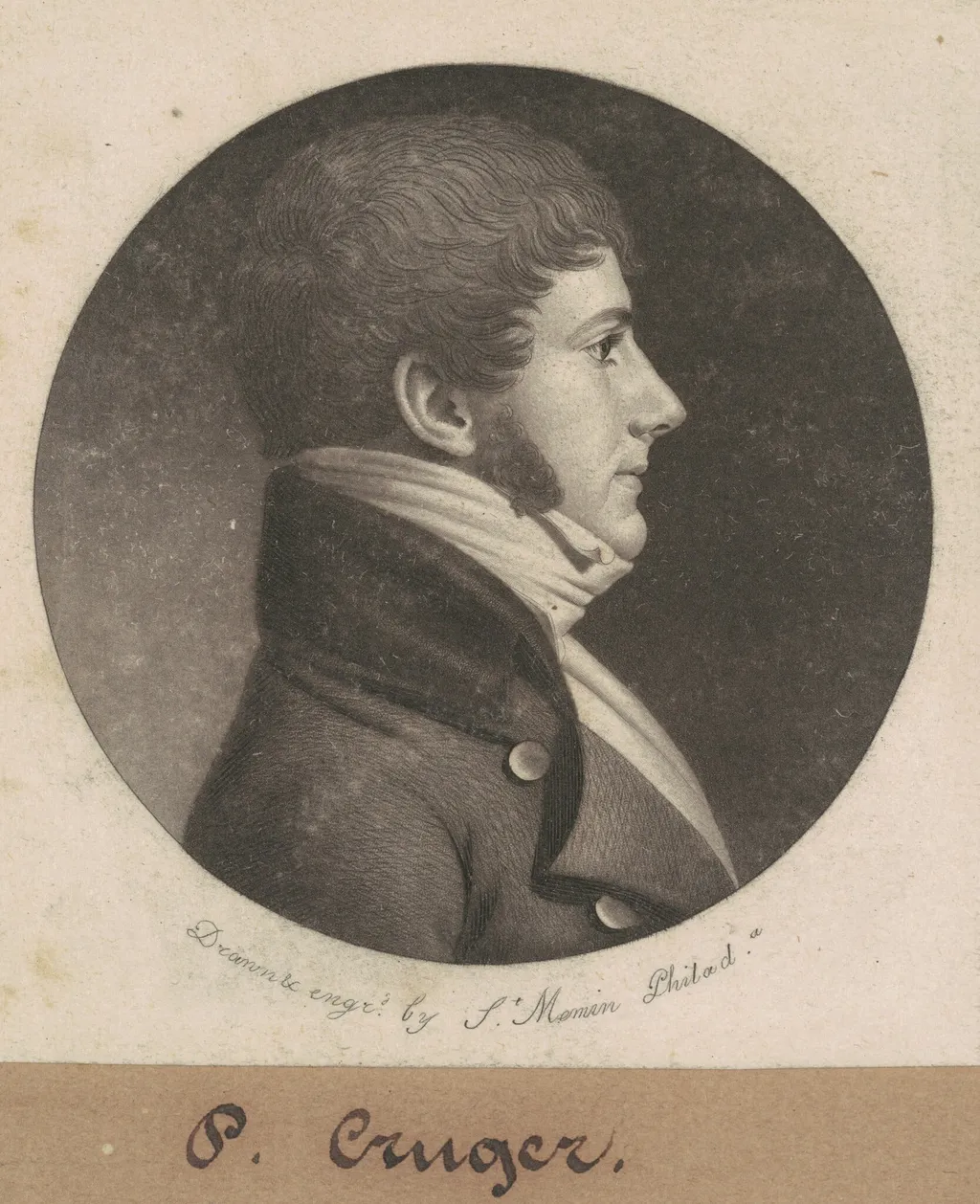
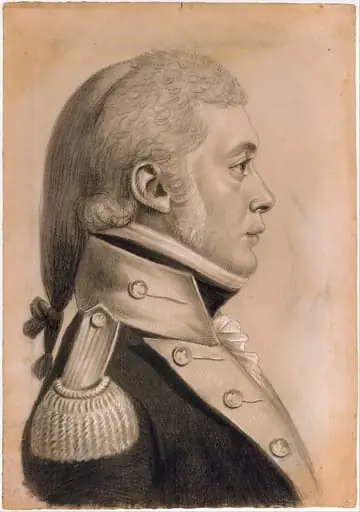
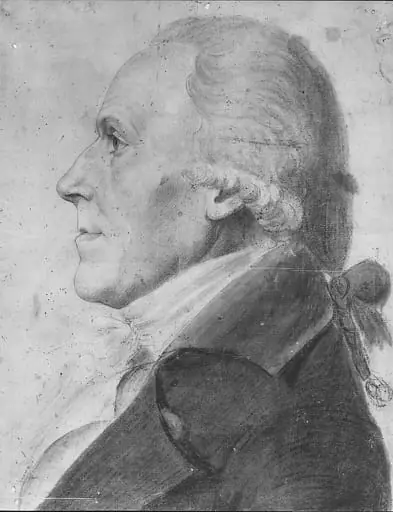
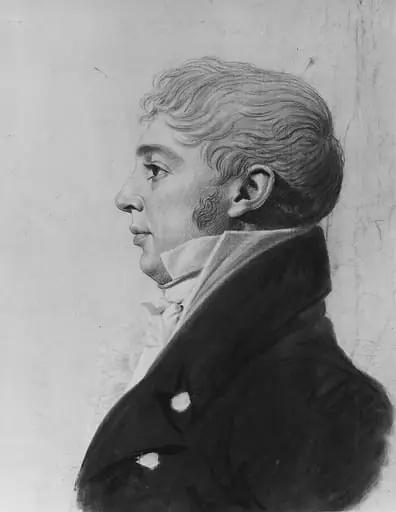
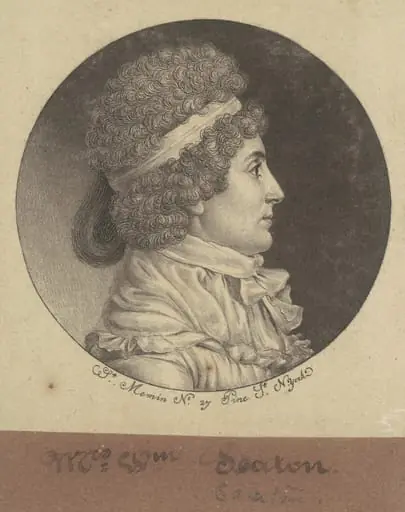
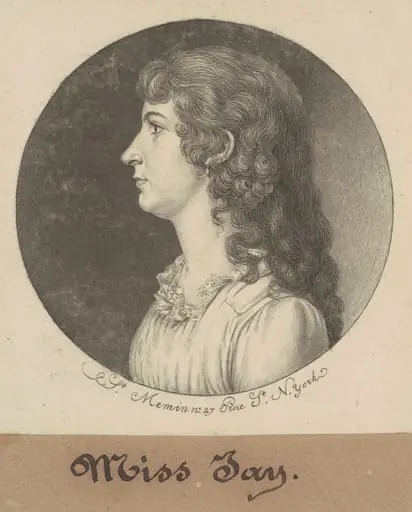
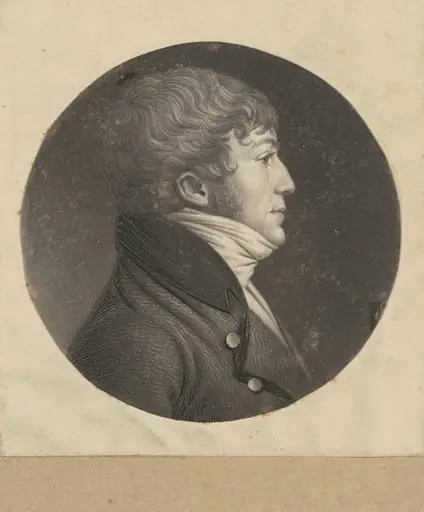
Bertram Peter Cruger is an ink print by the Romanticist artist Charles Balthazar Julien Févret de Saint-Mémin. It dates from 1802 and is held in the collection of the National Gallery of Art.
About this work
Overview
The format emphasizes clarity and restraint, typical of early 19th-century American portraiture aimed at documentation rather than ornamentation.
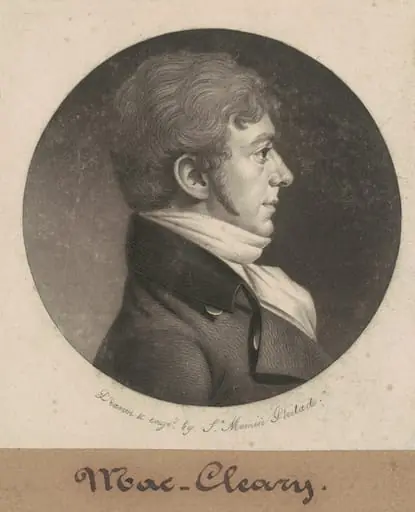
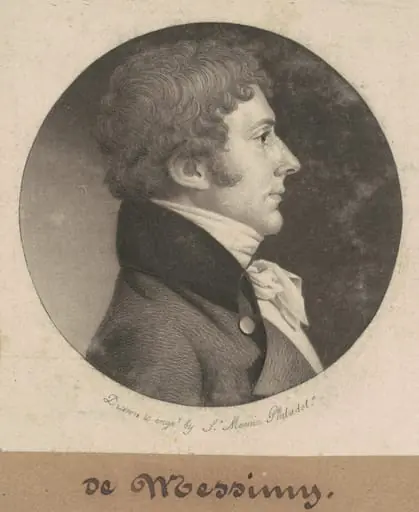
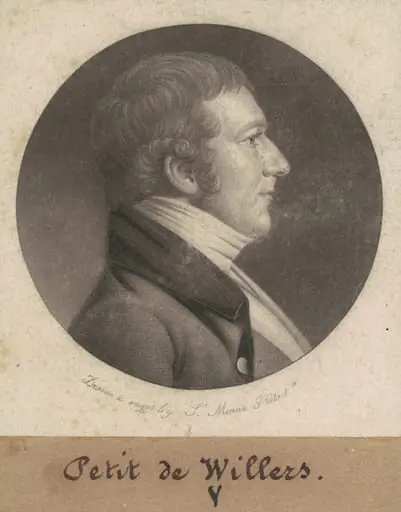
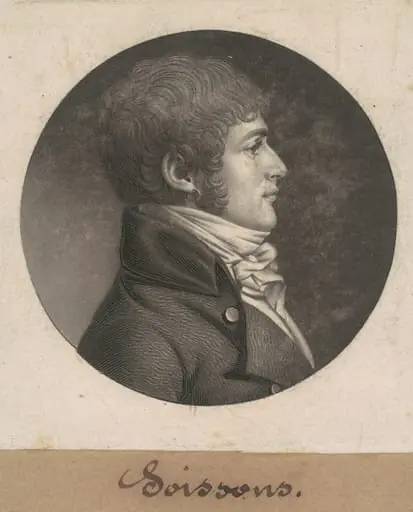
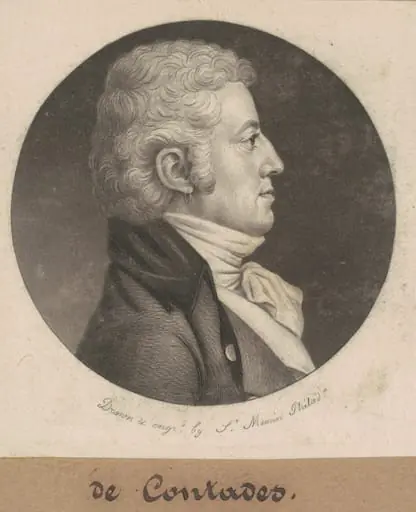
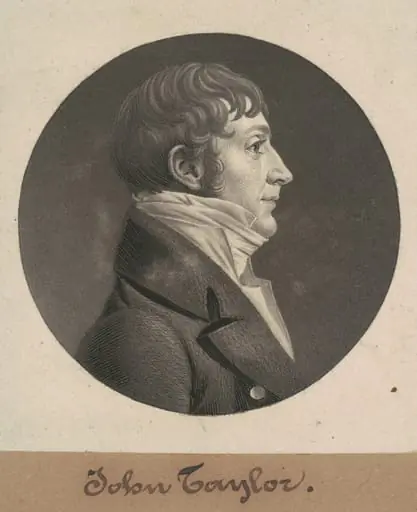
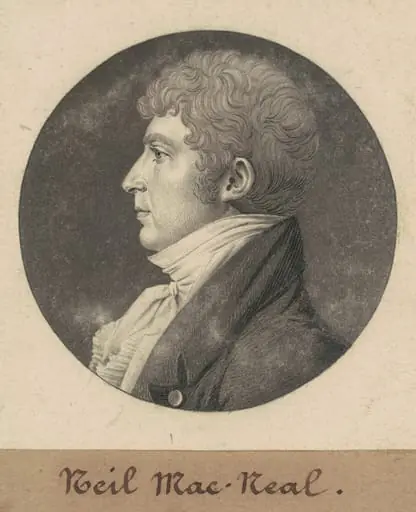
This print is a profile portrait of Bertram Peter Cruger, executed in mezzotint and engraving on wove paper, then mounted on brown wove paper. It belongs to a broader series of portrait profiles produced by Charles B. J. Févret de Saint-Mémin, who specialized in capturing likenesses through precise line work and tonal gradation. The format emphasizes clarity and restraint, typical of early 19th-century American portraiture aimed at documentation rather than ornamentation.
Subject & Meaning
Bertram Peter Cruger, a New York merchant and civic figure, is depicted in formal attire, suggesting his social standing. The portrait’s focus on his distinctive facial features—prominent nose, sharp chin, and tightly curled hair—conveys individuality within a standardized format. These profile portraits were often commissioned as personal mementos or for inclusion in family collections, reflecting values of identity and respectability in post-Revolutionary America.
Technique & Style
Saint-Mémin employed mezzotint for subtle tonal transitions and engraving for fine linear detail, combining both to render texture and form with precision. The monochrome palette and lack of background isolate the subject, directing attention to facial structure. The tight curls and angular jaw are rendered with controlled etching lines, demonstrating the artist’s technical command and his adaptation of European engraving methods to American subjects.
History & Provenance
Created around 1805–1810, this portrait is one of hundreds Saint-Mémin produced during his time in the United States, where he established a successful practice in profile portraiture. The series was widely distributed, often sold as individual sheets or bound in albums. Cruger’s portrait likely originated from a sitting in New York, where Saint-Mémin worked among the city’s elite before returning to France in the 1820s.
Context
During the early 1800s, profile portraits were popular as affordable, portable likenesses, especially before the rise of photography. Saint-Mémin’s series aligned with Enlightenment ideals of rational representation and civic identity. His work contributed to a national visual culture that valued clear, unembellished depictions of individuals, reflecting the democratic ethos of the young republic.
Legacy
Saint-Mémin’s profile portraits remain significant as early examples of American printmaking and social documentation. The series provides a visual archive of contemporaries across professions and classes. Though stylistically uniform, each portrait captures unique physiognomy, offering historians insight into the appearance and self-presentation of early American elites.
Artist & collection

Artist
Charles Balthazar Julien Févret de Saint-Mémin
Charles Balthazar Julien Févret de Saint-Mémin (French pronunciation: ; 1770–1852) was a French portrait painter and museum director.