Artwork
C. R. Lohman
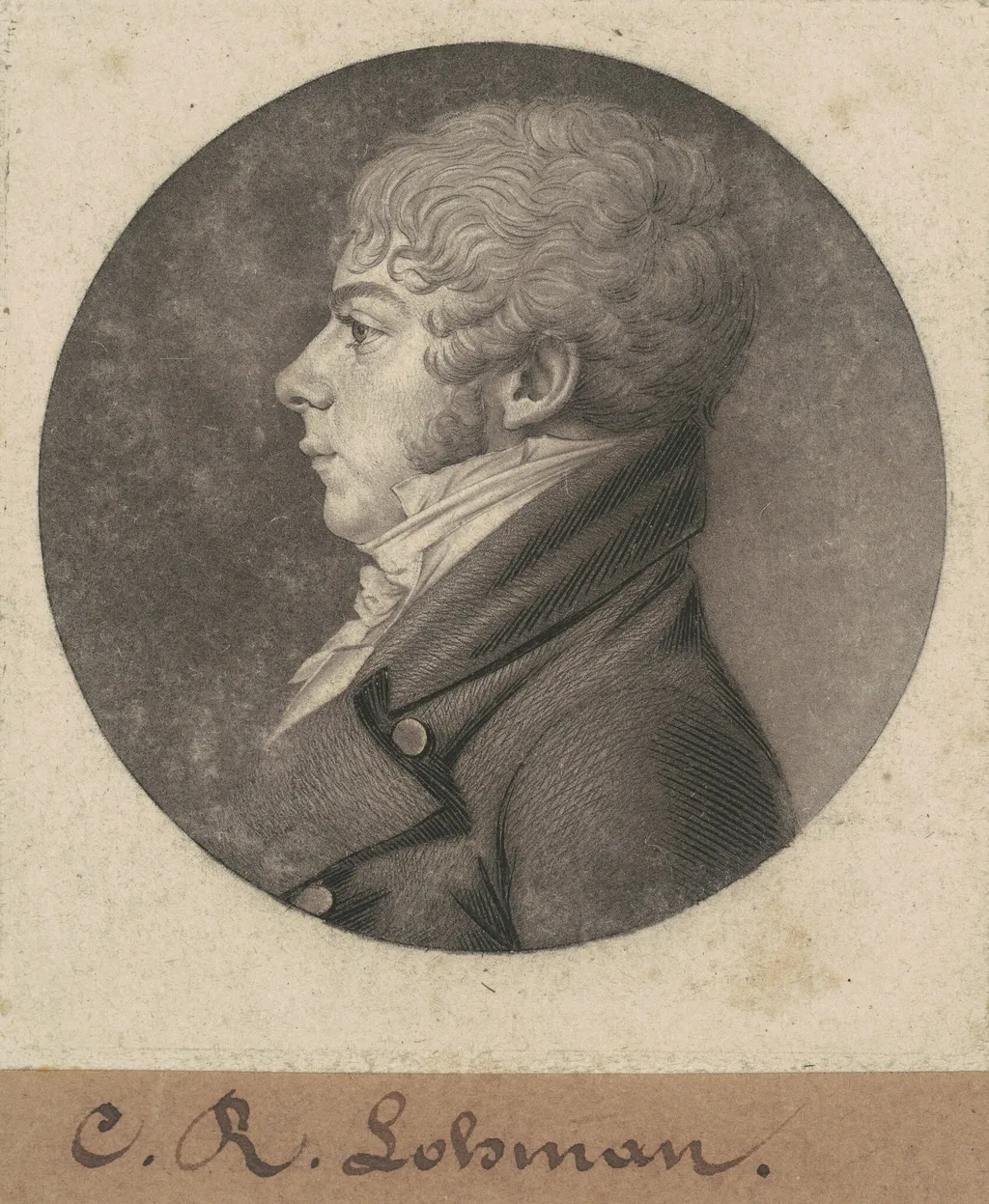
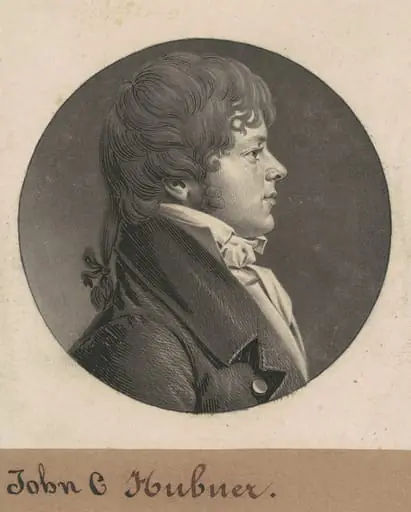
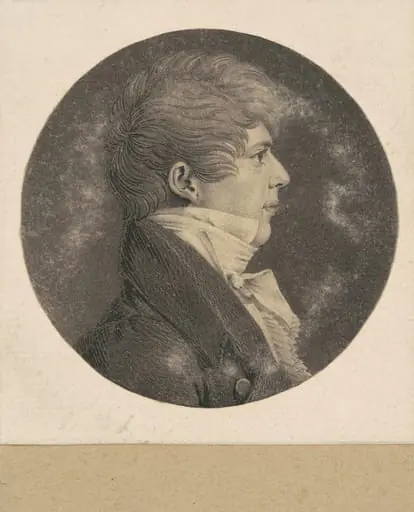
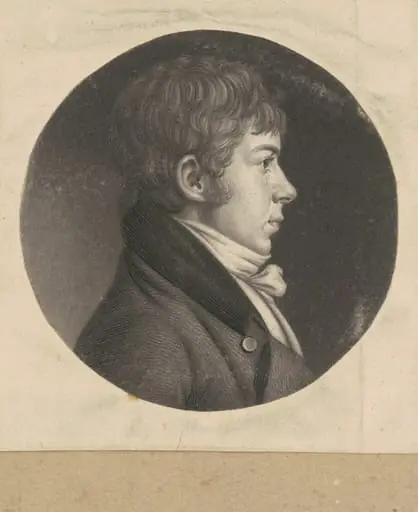
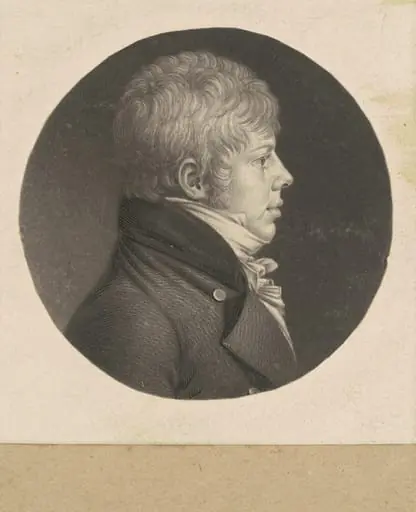
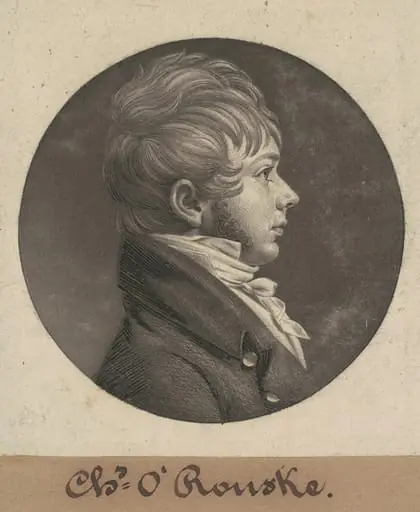
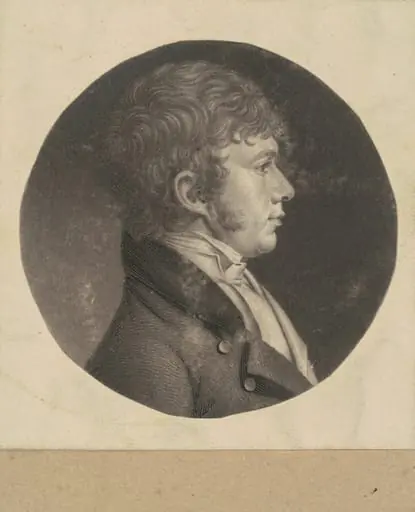
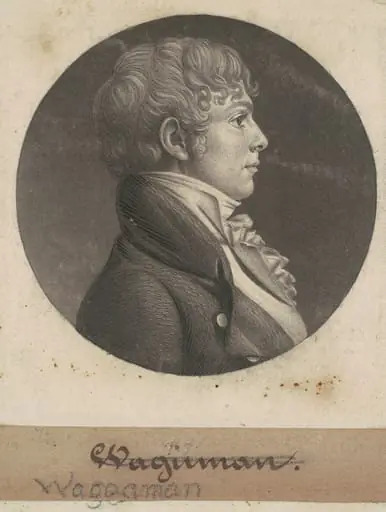
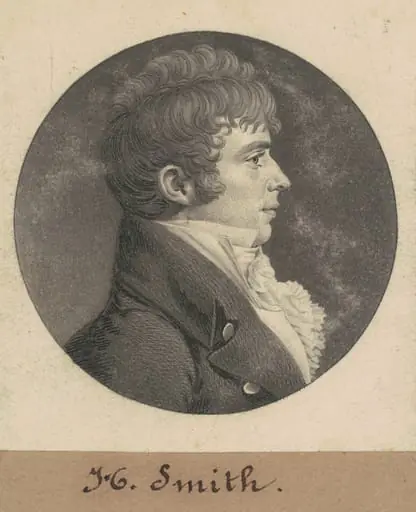
C. R. Lohman is an ink print by the Romanticist artist Charles Balthazar Julien Févret de Saint-Mémin. It dates from 1803 and is held in the collection of the National Gallery of Art. Created in 1803 by Charles B.
About this work
Overview
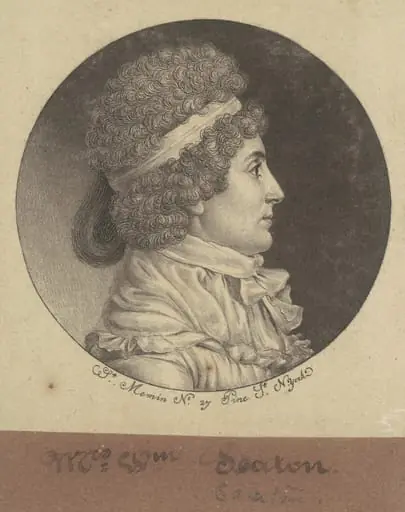
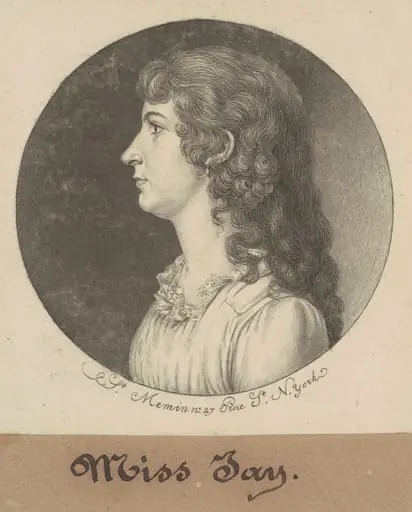
Created in 1803 by Charles B. J. Févret de Saint‑Mémin, this small print measures just 5.72 by 5.56 centimetres. Executed in black mezzotint and engraving, the image is printed on wove paper that has been mounted onto a brown‑toned wove backing. It is catalogued within the Corcoran Collection and exemplifies the artist’s meticulous approach to portraiture in the early nineteenth century.
Subject & Meaning
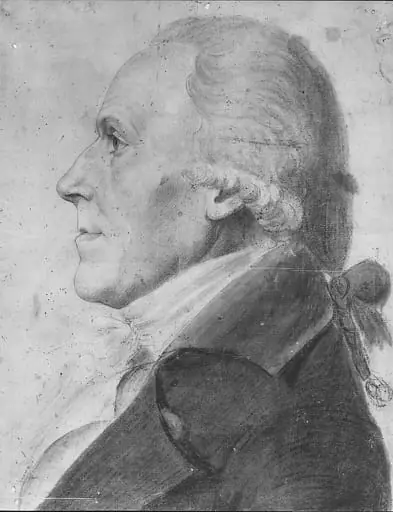
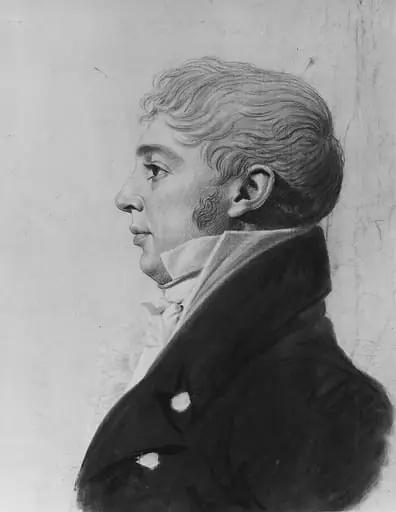
The work presents an intimate oval portrait of a seated gentleman dressed in a coat. The sitter’s face is rendered with a subtle luminosity that contrasts with the surrounding darkness, suggesting a quiet dignity. The composition focuses on the individual’s features, allowing the viewer to contemplate the personal presence conveyed through the restrained pose.
Technique & Style
Saint‑Mémin employed mezzotint, a printmaking process that creates tonal variations by roughening the plate and then smoothing areas to achieve gradations of light and shadow. Combined with fine engraving lines, the method produces a smooth, almost painterly surface where the figure emerges from a muted background. The paper’s sturdy, warm texture supports the delicate tonal work.
History & Provenance
The print entered the Corcoran Collection, a major American art institution, where it has been preserved as part of its early American prints holdings. Its provenance traces back to the artist’s original production in France, reflecting the transatlantic exchange of portrait prints during the post‑Revolutionary period.
Context
In the early 1800s, mezzotint was prized for its ability to render subtle chiaroscuro, making it a favored medium for portraiture among European and American patrons. Saint‑Mémin, known for his diplomatic and artistic connections, often produced such intimate likenesses, catering to a clientele that valued both realism and the refined aesthetics of the medium.
Artist & collection

Artist
Charles Balthazar Julien Févret de Saint-Mémin
Charles Balthazar Julien Févret de Saint-Mémin (French pronunciation: ; 1770–1852) was a French portrait painter and museum director.