Artwork
Charles Sterett Ridgely
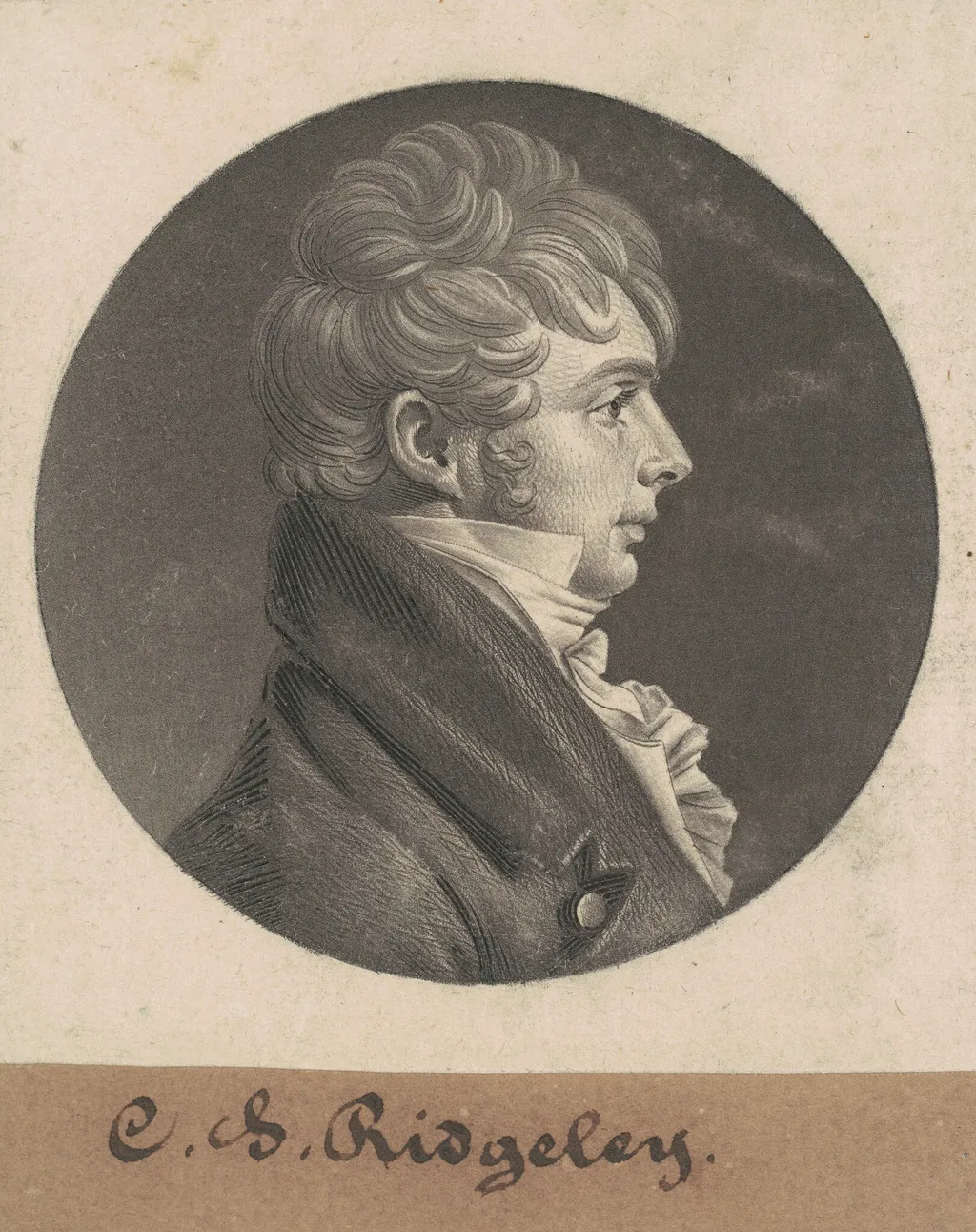
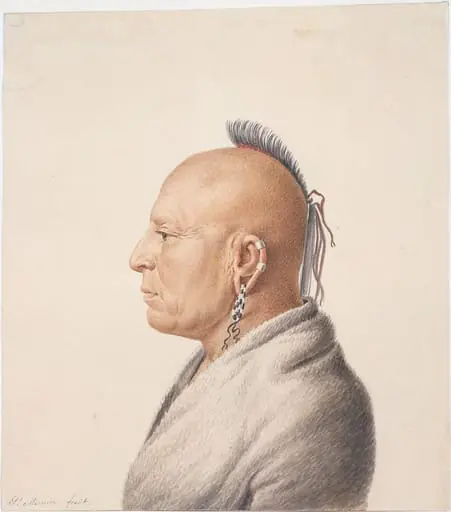
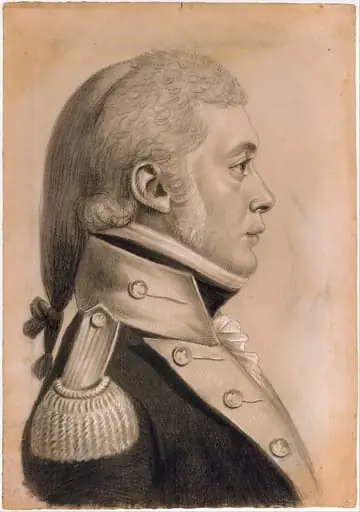
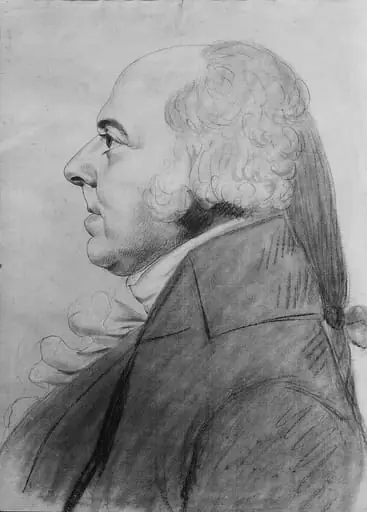
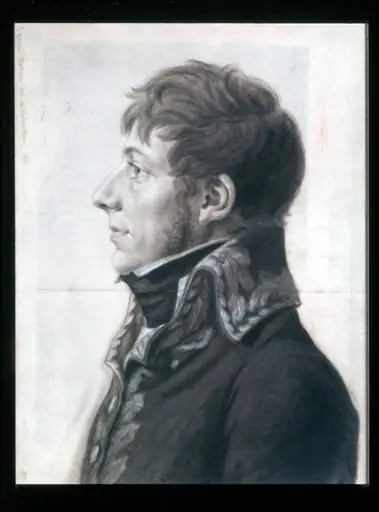
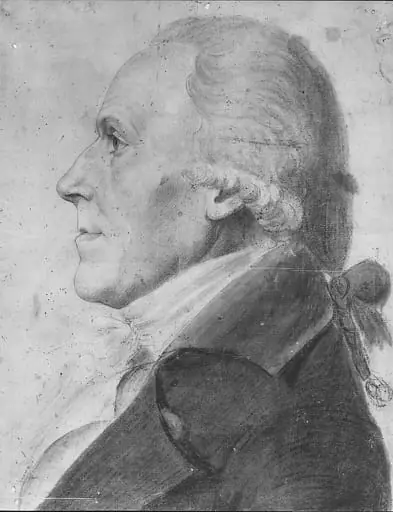
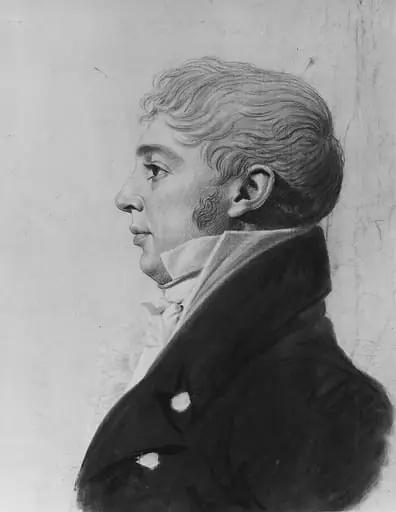
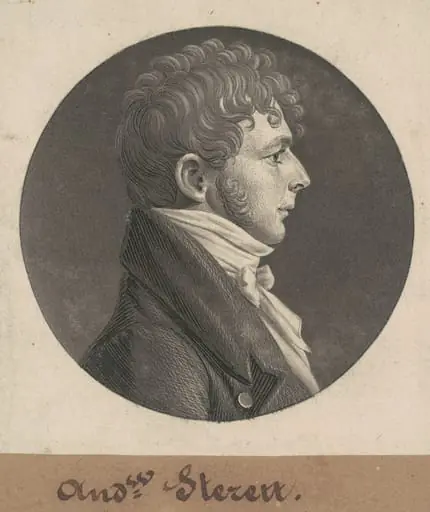
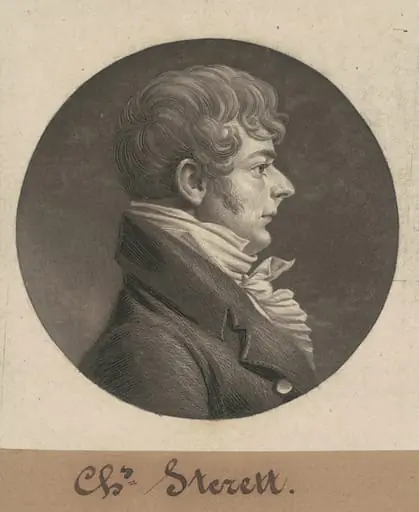
Charles Sterett Ridgely is an ink print by the Romanticist artist Charles Balthazar Julien Févret de Saint-Mémin. It dates from 1803 and is held in the collection of the National Gallery of Art. This print is a mezzotint and engraving on wove paper, mounted to a brown wove support.
About this work
Overview
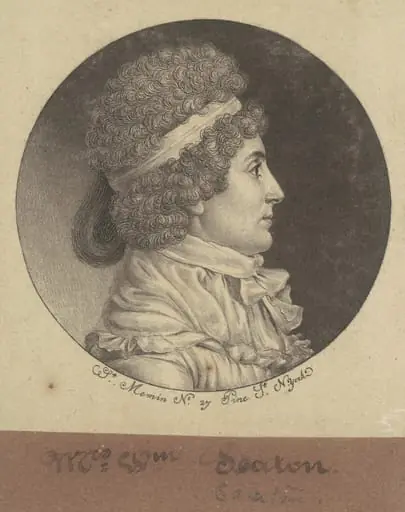
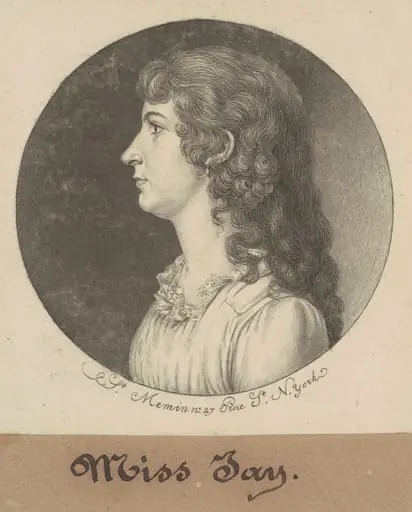
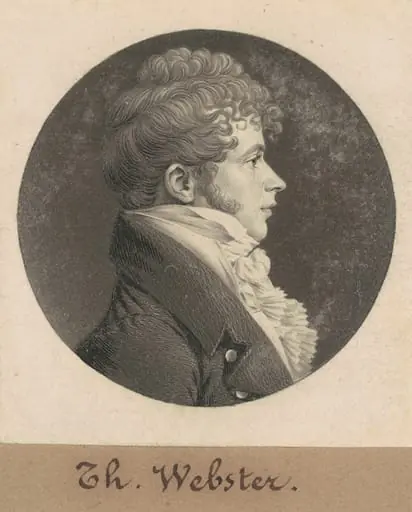
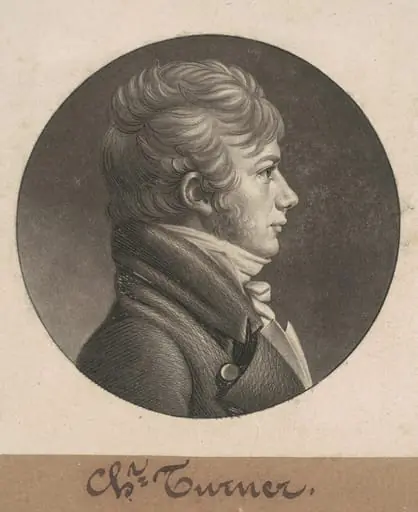
This print is a mezzotint and engraving on wove paper, mounted to a brown wove support. It reproduces an 1803 portrait by Charles B. J. Févret de Saint-Mémin, rendered in profile to capture Charles Sterett Ridgely’s upper torso. The work belongs to the Saint-Mémin Collection, a series of portraits produced using intaglio techniques to document prominent American figures of the early republic.
Subject & Meaning
Charles Sterett Ridgely, a Maryland landowner and civic figure, is depicted in formal attire typical of the early 19th century. The profile view emphasizes dignity and restraint, aligning with contemporary ideals of gentlemanly composure. The portrait serves as a record of individual identity within a society increasingly concerned with documenting its civic leaders through visual means.
Technique & Style
The image was created using mezzotint and engraving, methods that rely on finely incised lines and textured plate surfaces to achieve tonal gradations. The artist employed dense, controlled hatching to model the face and fabric, producing subtle shifts in light and shadow. This labor-intensive approach was favored for its capacity to render fine detail and lifelike texture in printed portraits.
History & Provenance
The portrait originated as a painted likeness commissioned in 1803, later translated into print by Saint-Mémin, who specialized in reproducing portraits via engraving. The print was part of a broader project to compile a visual archive of American notables. Its current mounting on brown paper reflects 19th-century conservation practices aimed at stabilizing delicate prints for preservation.
Context
During the early 1800s, mezzotint was widely used in America to disseminate likenesses of public figures before photography. Saint-Mémin’s project responded to a cultural demand for accessible portraiture among the educated elite. These prints functioned as both personal mementos and symbols of social standing, circulating among families and institutions.
Legacy
The print remains a representative example of early American printmaking, illustrating the intersection of art, identity, and documentation in a nascent republic. While Saint-Mémin’s broader collection is now held in institutional archives, individual prints like this one continue to inform studies of visual culture, material practice, and the social role of portraiture in the early United States.
Artist & collection

Artist
Charles Balthazar Julien Févret de Saint-Mémin
Charles Balthazar Julien Févret de Saint-Mémin (French pronunciation: ; 1770–1852) was a French portrait painter and museum director.