Artwork
Coulon
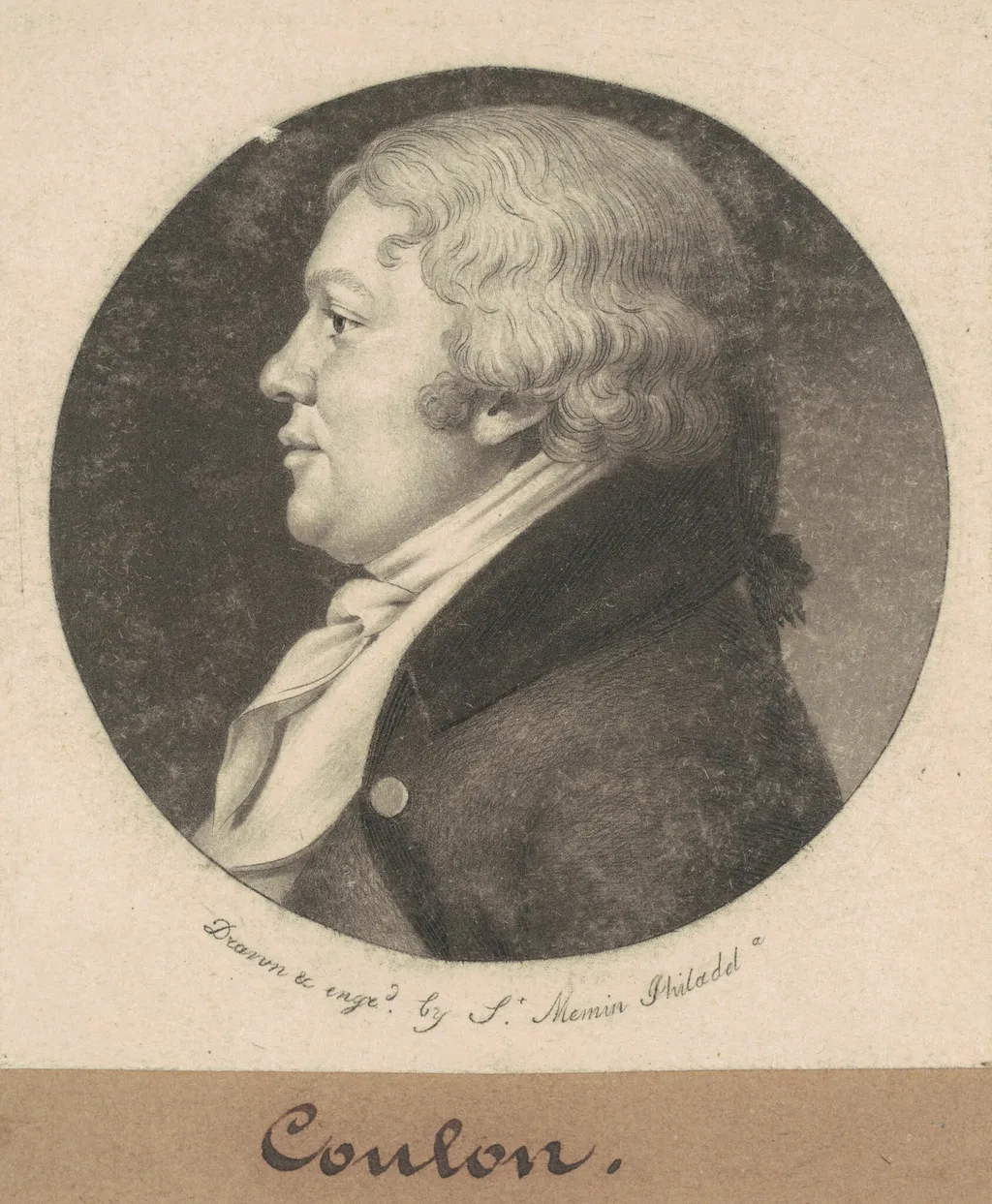
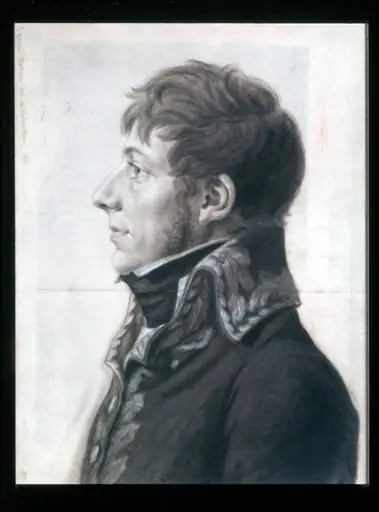
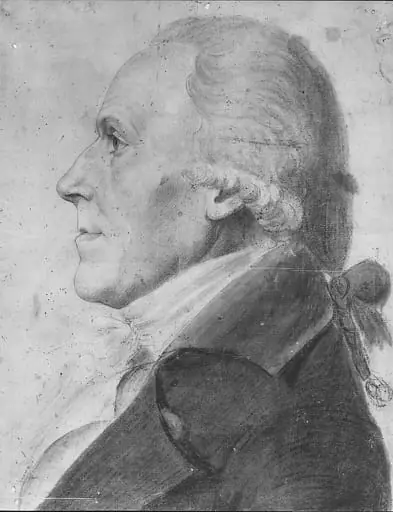
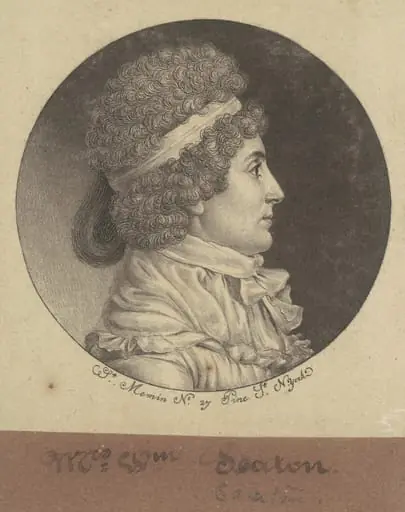
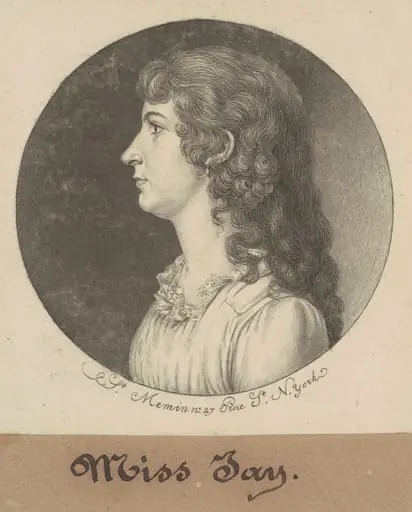
Coulon is an ink print by the Romanticist artist Charles Balthazar Julien Févret de Saint-Mémin. It dates from 1801 and is held in the collection of the National Gallery of Art.
About this work
The artist used cross-hatching—tiny lines—to shade the skin and fabric until they look almost real.
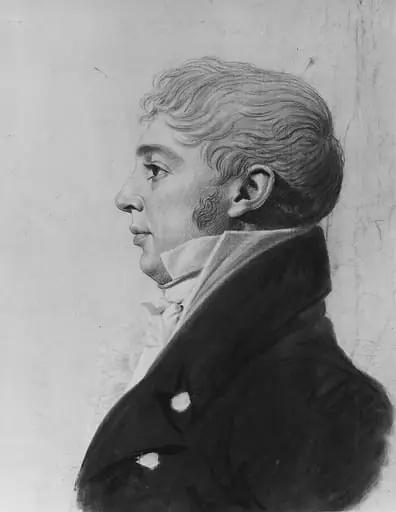
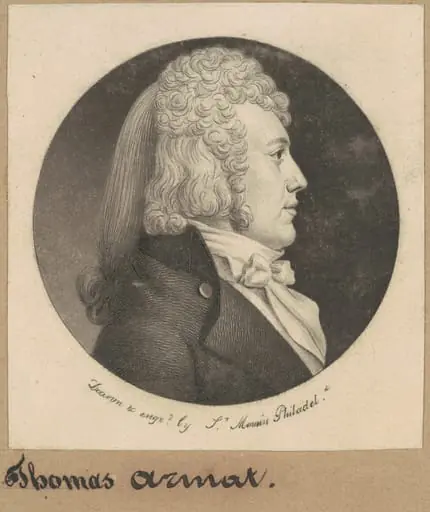
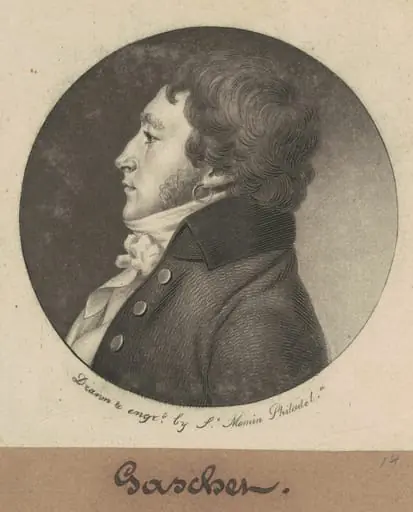
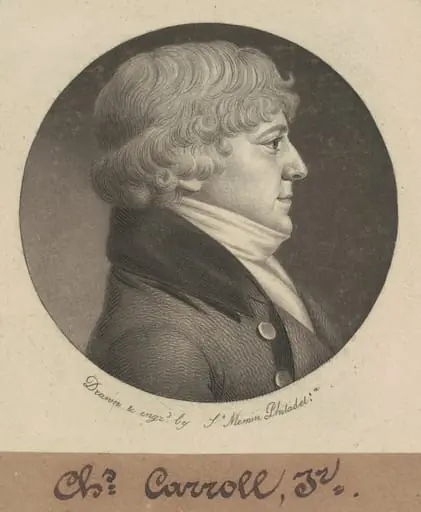
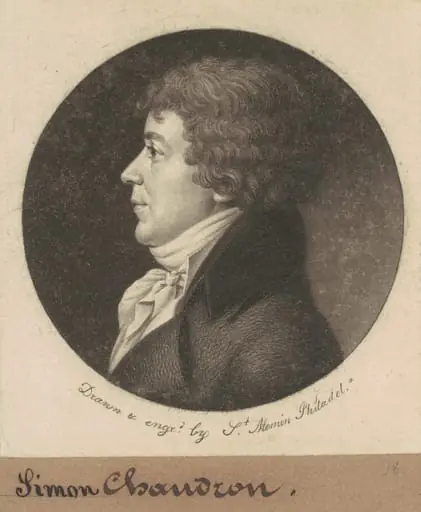
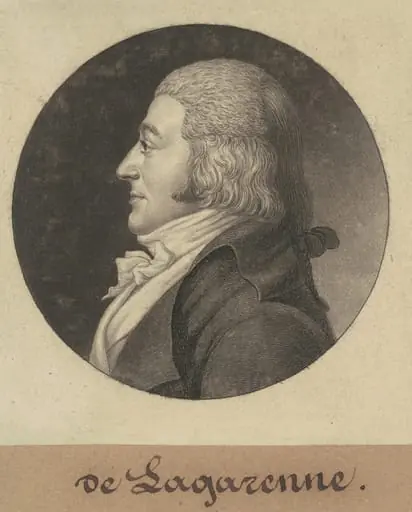
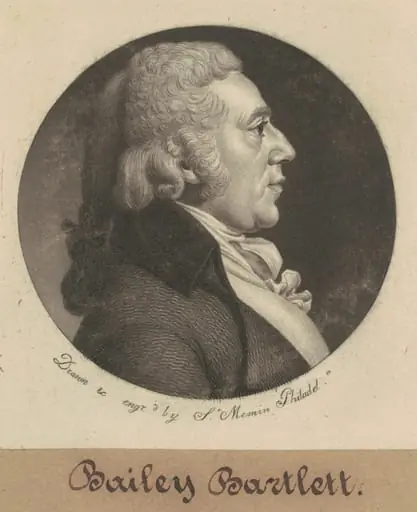
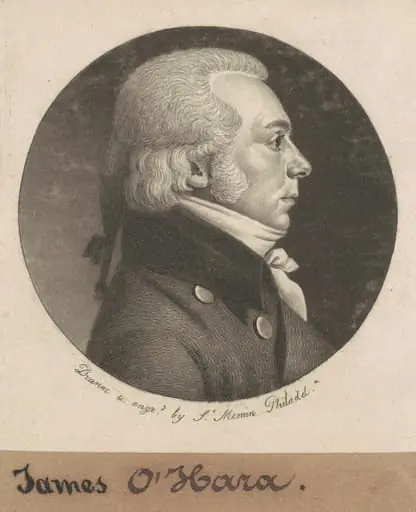
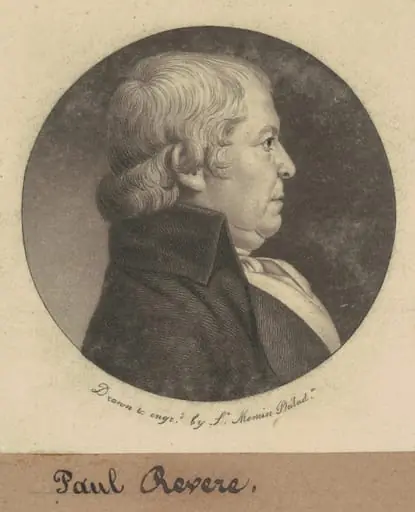
You see a man’s face in sharp black and white. His white wig is powdered smooth, his coat rich but plain. The artist used cross-hatching—tiny lines—to shade the skin and fabric until they look almost real.
Mechanical presses pressed ink into paper here, not brushes. That’s why the shadows melt so softly around his nose and cheeks. It’s a quiet trick, but it made 1801 viewers feel like they could reach out and touch him.
Look up Saint-Mémin, Charles B. J. Févret de next.
Overview
Coulon is a portrait print created by Charles B. J. Févret de Saint-Mémin in 1801, combining mezzotint and engraving techniques on wove paper.
Subject & Meaning
The print depicts a young man dressed in attire characteristic of late 18th-century France, offering insight into the fashion and societal norms of the period.
Technique & Style
The artwork employs cross-hatching and the mezzotint process to achieve a high level of detail and texture, creating a lifelike representation of the subject through subtle gradations of shading and tone.
History & Provenance
Coulon is part of the Corcoran Collection at the National Gallery of Art, indicating its significance within the historical art collection.
Artist & collection

Artist
Charles Balthazar Julien Févret de Saint-Mémin
Charles Balthazar Julien Févret de Saint-Mémin (French pronunciation: ; 1770–1852) was a French portrait painter and museum director.