Artwork
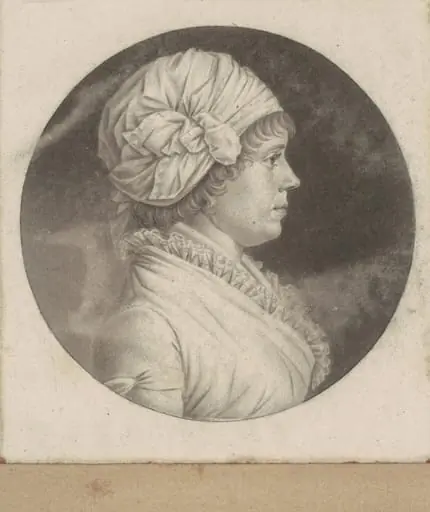
Elizabeth Parke Custis Law
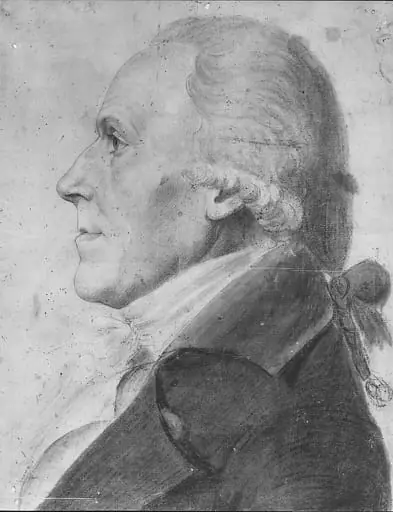
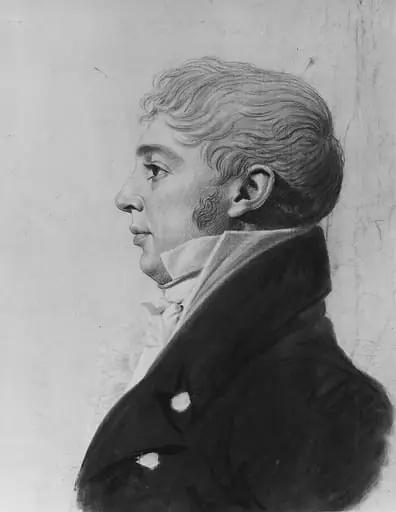
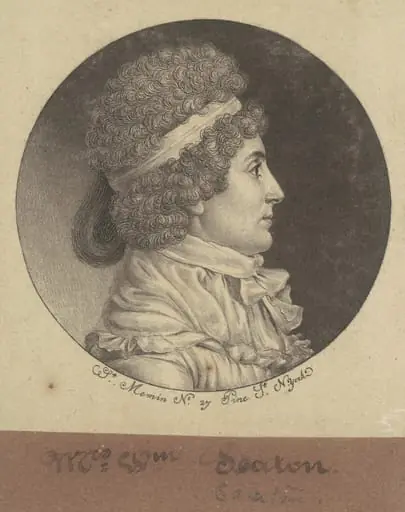
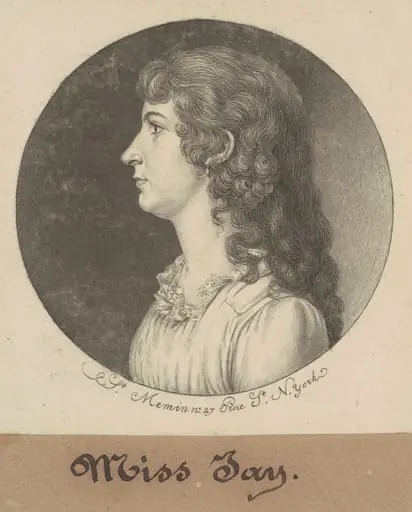
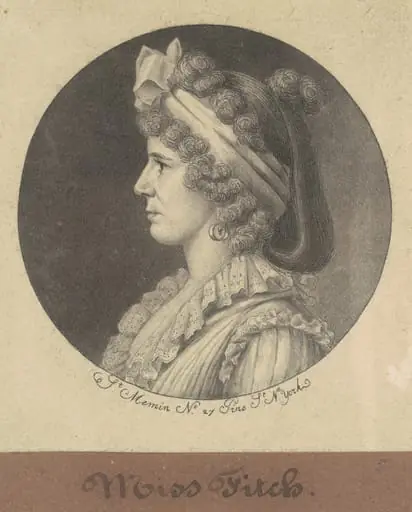
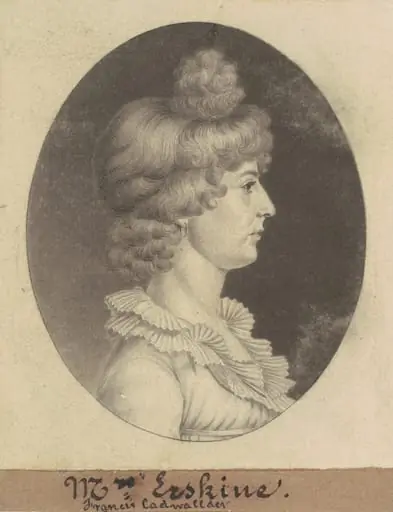
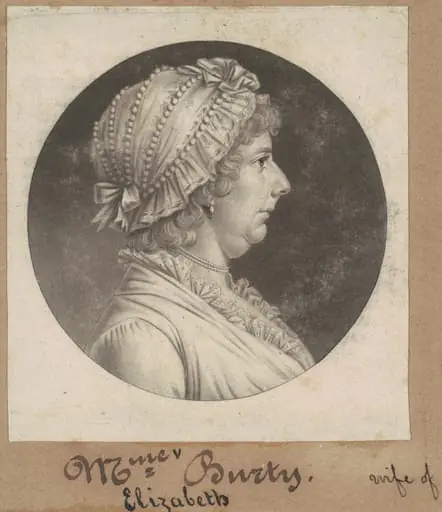
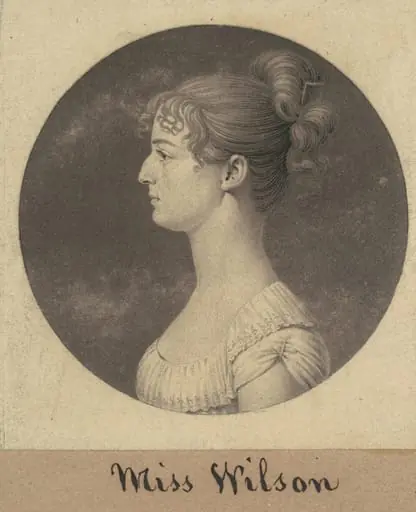
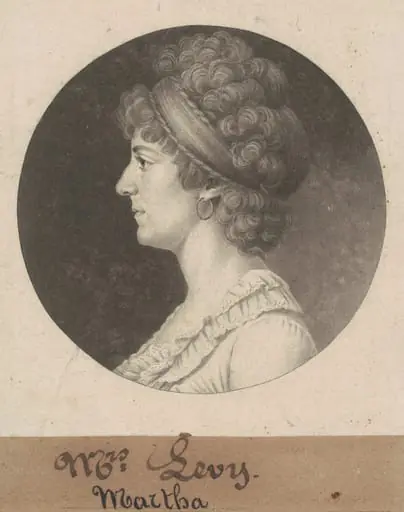
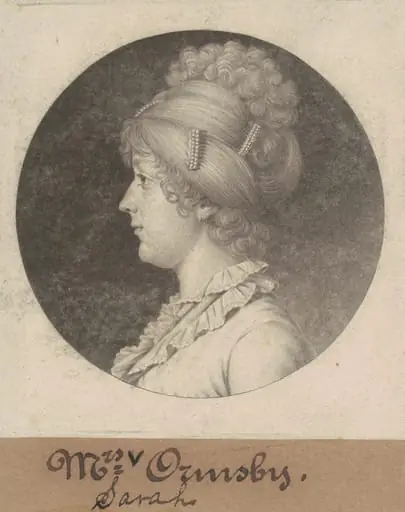
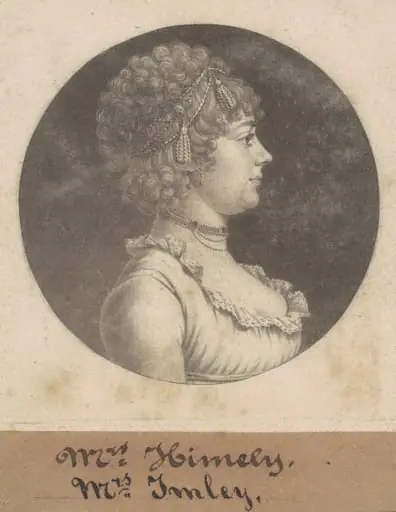
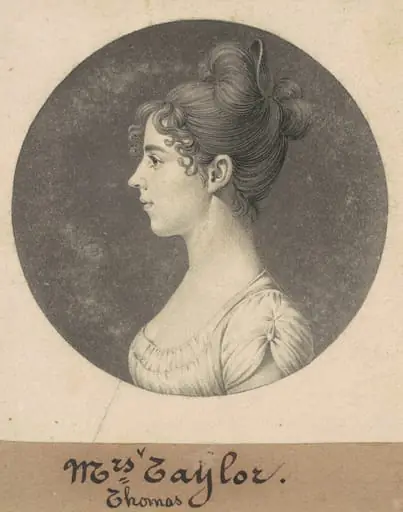
Elizabeth Parke Custis Law is an ink print by the Romanticist artist Charles Balthazar Julien Févret de Saint-Mémin. It dates from 1805 and is held in the collection of the National Gallery of Art. The work is an oval-shaped mezzotint and engraving executed in black on wove paper, later mounted onto brown wove paper.
About this work
Overview
The work is an oval-shaped mezzotint and engraving executed in black on wove paper, later mounted onto brown wove paper. Produced in 1770, it portrays Elizabeth Parke Custis Law in profile. The print is part of the collection of the National Portrait Gallery, where it is displayed as a representative example of late‑colonial portraiture.
Subject & Meaning
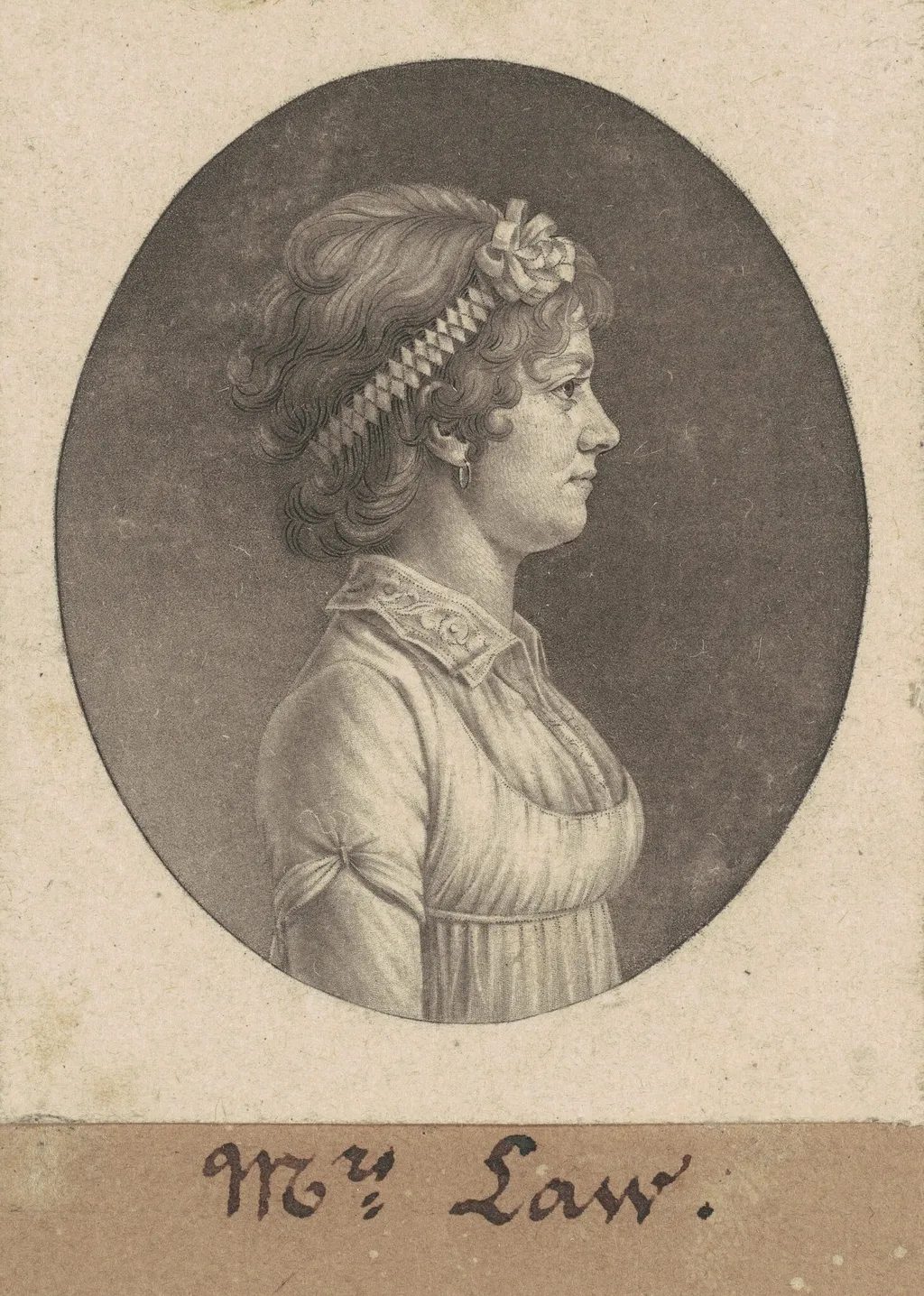
Elizabeth Parke Custis Law, a member of the prominent Custis family, is shown in a formal pose that underscores her social standing. Her profile view, high‑collared dress, and floral headband convey the conventions of genteel femininity in the pre‑revolutionary United States, offering insight into contemporary ideals of decorum and lineage.
Technique & Style
Created by Charles B. J. Févret de Saint‑Mémin, the image combines mezzotint shading with fine engraving lines to achieve a rich tonal range. The artist’s use of an oval format and careful rendering of fabric texture and hair curls reflects the French‑influenced portrait tradition that Saint‑Mémin introduced to American subjects.
History & Provenance
The print was produced in 1770, likely commissioned to commemorate Law’s marriage into the Custis family. It entered the National Portrait Gallery’s holdings through acquisition in the 20th century, where it has remained a documented example of transatlantic artistic exchange during the colonial era.
Context
During the late 18th century, mezzotint and engraving were popular mediums for disseminating portrait images among the colonial elite. Saint‑Mémin, a French émigré, applied his European training to American patrons, bridging stylistic practices across the Atlantic and documenting the emerging American aristocracy.
Artist & collection

Artist
Charles Balthazar Julien Févret de Saint-Mémin
Charles Balthazar Julien Févret de Saint-Mémin (French pronunciation: ; 1770–1852) was a French portrait painter and museum director.