Artwork
Henry Kuhl
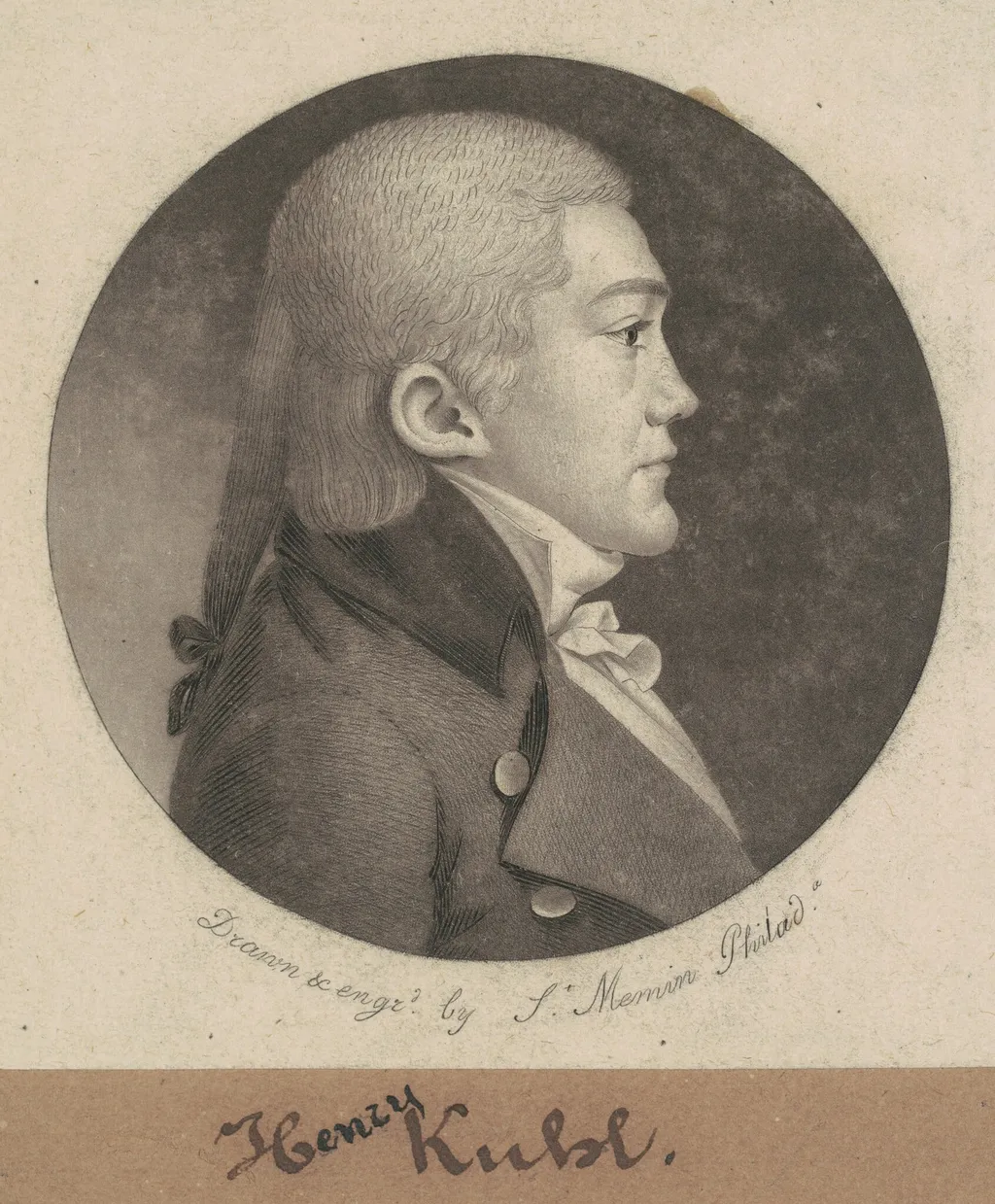
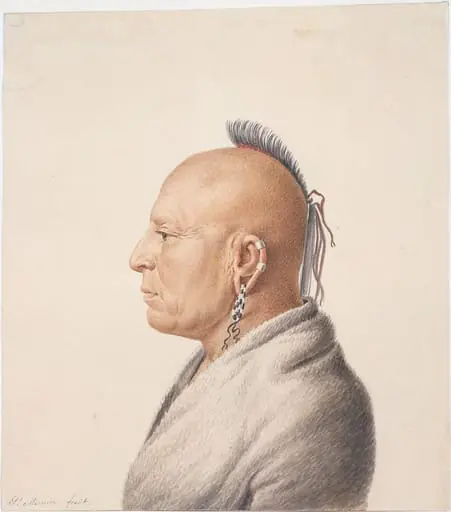
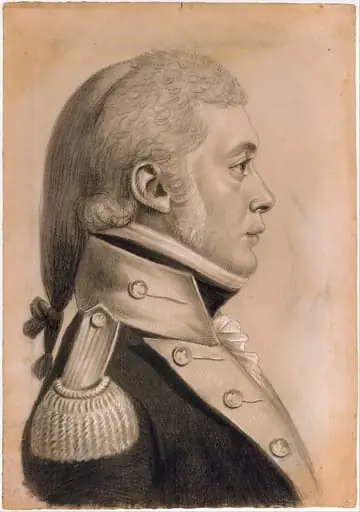
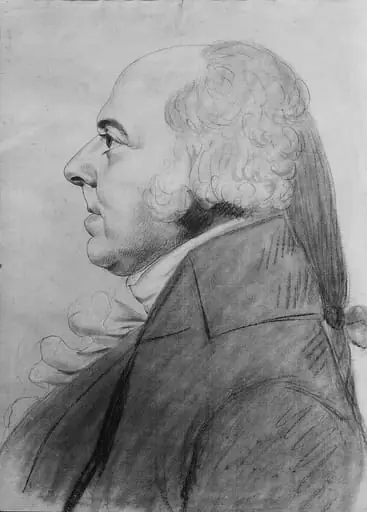
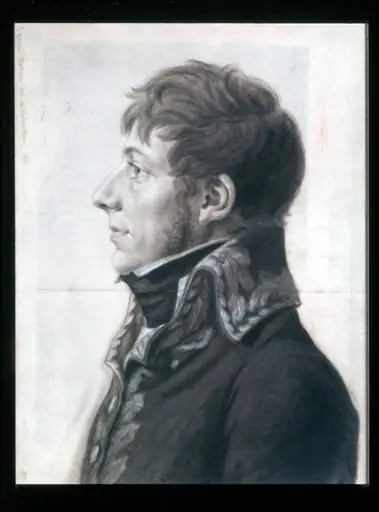
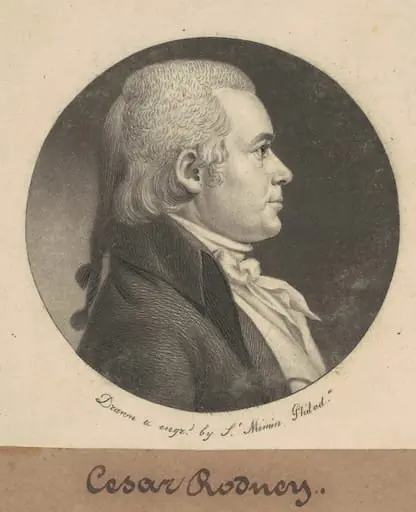
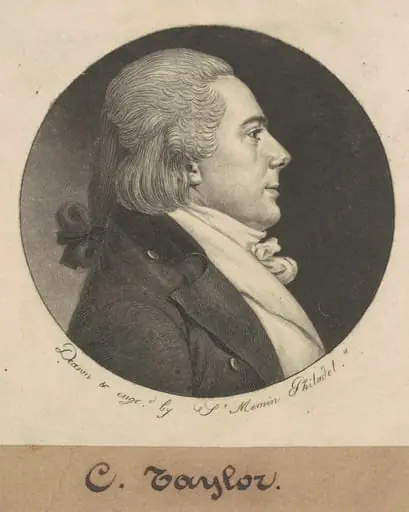
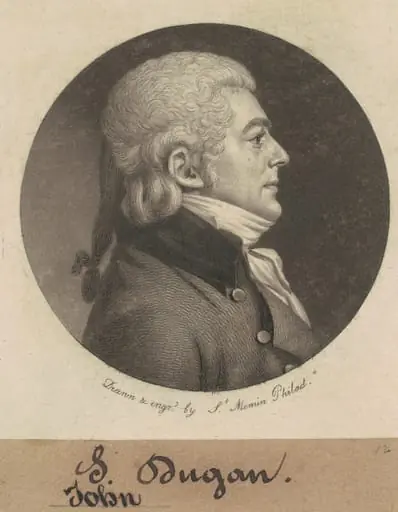
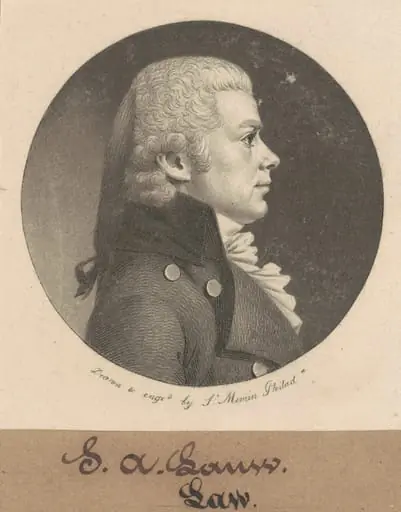
Henry Kuhl is an ink print by the Romanticist artist Charles Balthazar Julien Févret de Saint-Mémin. It dates from 1802 and is held in the collection of the National Gallery of Art.
About this work
Overview
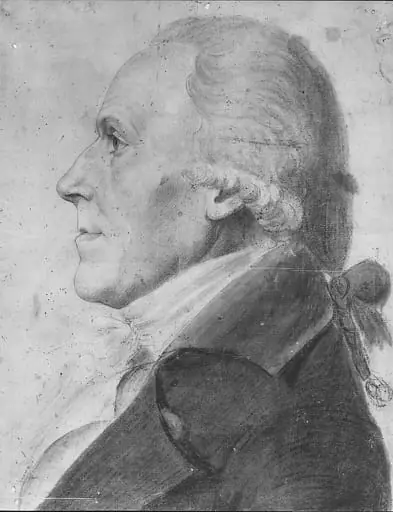
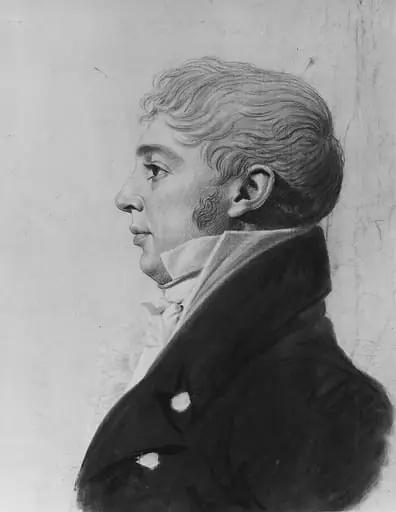
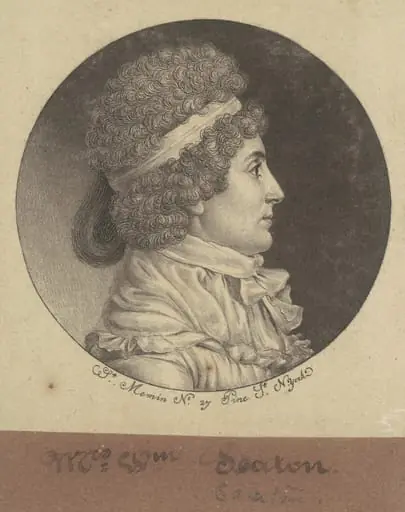
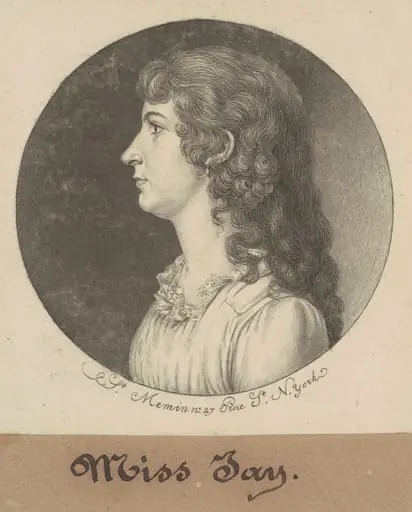
This small circular print, created in 1802, portrays Henry Kuhl in profile. Executed in mezzotint and engraving on wove paper, it is mounted on a brown wove support. The format is intimate, measuring just over five centimeters square, emphasizing precision over grandeur. The dark background isolates the figure, focusing attention on the subtle textures of his attire and facial features.
Subject & Meaning
Henry Kuhl, a German-born merchant and diplomat based in the United States, is depicted in formal dress, suggesting his social standing. The profile view, common in portraiture of the era, conveys dignity and restraint. The absence of contextual elements or symbolic objects directs focus to the individual’s presence, reflecting a quiet emphasis on personal identity rather than public achievement.
Technique & Style
The portrait employs mezzotint and engraving, techniques that allow fine gradations of tone and sharp linear detail. The artist, Charles B. J. Févret de Saint-Mémin, exploited the small scale to achieve remarkable clarity in the folds of fabric and the texture of skin. The dark ground enhances contrast, making the delicate highlights on the collar and hair stand out with striking definition.
History & Provenance
Created during Saint-Mémin’s time in the United States, the print was likely made as part of a series of portrait studies commissioned by American elites. The work entered institutional collections in the 20th century, where it is preserved as an example of early American printmaking. Its original context as a personal keepsake or diplomatic gift remains undocumented.
Context
In the early 1800s, profile portraits in miniature were popular among the American upper class, often produced as mementos or tokens of status. Saint-Mémin, a French émigré, became known for his precise engravings of prominent figures. This work reflects a transatlantic artistic tradition that valued technical mastery and restrained elegance over flamboyant expression.
Legacy
Though not widely exhibited, the portrait remains a representative example of early American printmaking. Its technical refinement continues to be studied by scholars of 19th-century graphic arts. The work’s survival in institutional collections underscores its value as a document of both artistic skill and social portraiture in the young republic.
Artist & collection

Artist
Charles Balthazar Julien Févret de Saint-Mémin
Charles Balthazar Julien Févret de Saint-Mémin (French pronunciation: ; 1770–1852) was a French portrait painter and museum director.