Artwork
Maria Sophia Kemper Morton
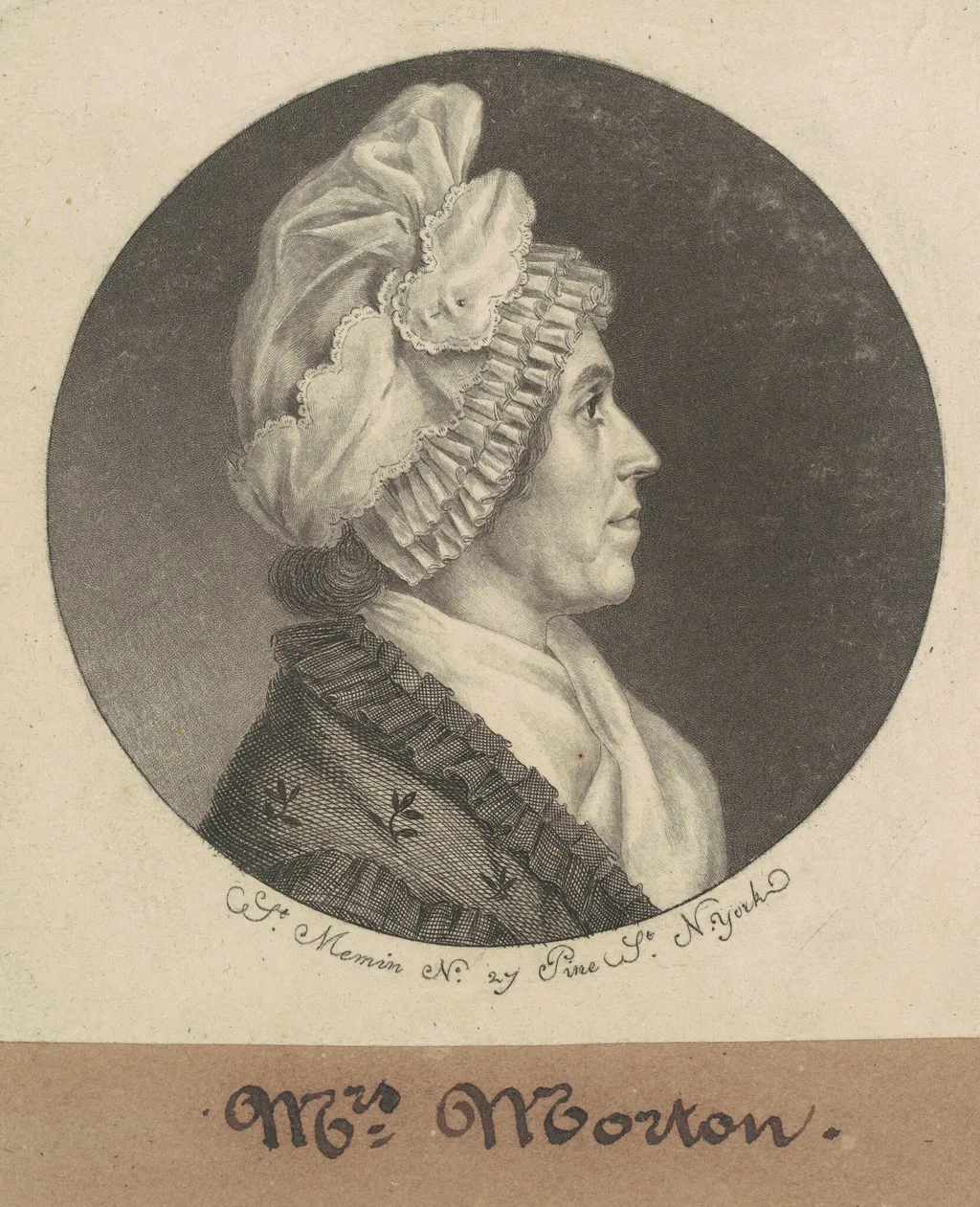
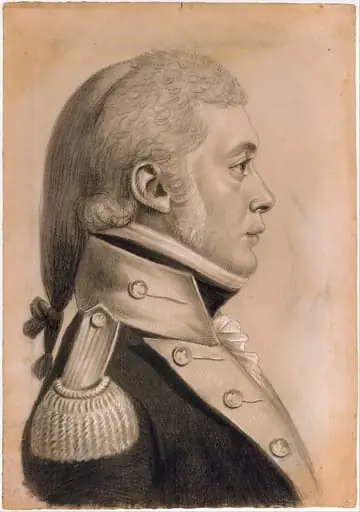
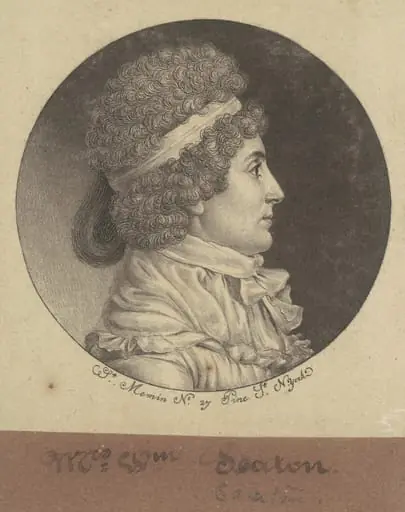
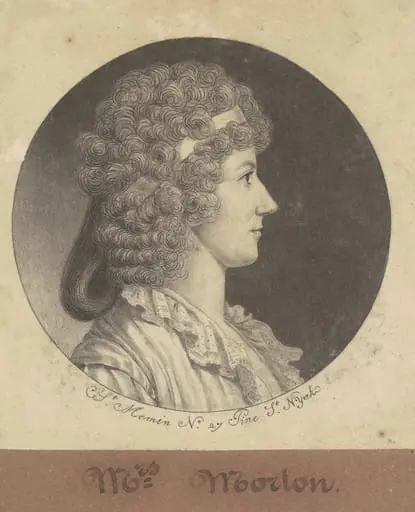
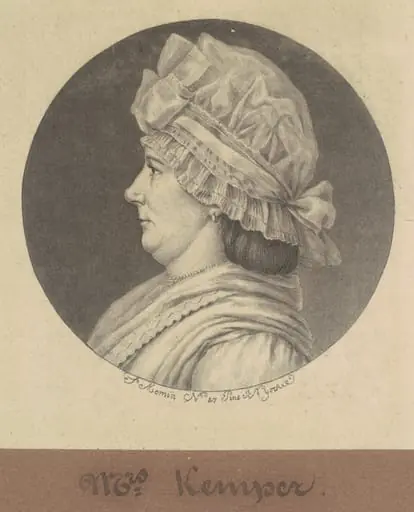
Maria Sophia Kemper Morton is an ink print by the Romanticist artist Charles Balthazar Julien Févret de Saint-Mémin. It dates from 1798 and is held in the collection of the National Gallery of Art.
About this work
Overview
This small portrait, created in 1798, depicts Maria Sophia Kemper Morton in mezzotint and engraving on wove paper, mounted to a brown wove support.
This small portrait, created in 1798, depicts Maria Sophia Kemper Morton in mezzotint and engraving on wove paper, mounted to a brown wove support. Executed by Charles B. J. Févret de Saint-Mémin, it captures her in profile, facing right, with a quiet composure. The work’s intimate scale—just over five centimeters in height and width—reflects the precision typical of portrait miniatures of the period, designed for personal collection rather than public display.
Subject & Meaning
Maria Sophia Kemper Morton is portrayed with a calm, unadorned expression, her gaze directed outward yet inwardly still. The emphasis on her facial structure, particularly the pronounced nose, suggests an intent to record her likeness with fidelity rather than idealization. The absence of elaborate attire or symbolic elements points to a focus on individual presence, aligning with early American portraiture’s preference for restrained dignity over ornamental display.
Technique & Style
Saint-Mémin employed mezzotint and engraving to achieve subtle tonal gradations in black ink, enhancing the softness of the skin and the texture of the hair. The technique allowed for delicate modeling within a confined space, a hallmark of his method. The lines are precise but not harsh, contributing to the subject’s serene demeanor. The mounting on brown paper grounds the image, minimizing visual distraction and reinforcing its intimate character.
History & Provenance
Created during Saint-Mémin’s time in the United States, the portrait was likely made for a private patron or as part of his ongoing project to document prominent American figures. Its survival in relatively unchanged condition suggests careful preservation. Though details of its early ownership are sparse, it entered institutional collections in the 20th century, where it is now studied as an example of early American print portraiture.
Context
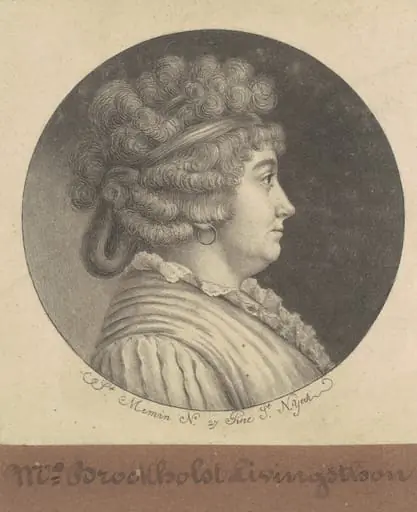
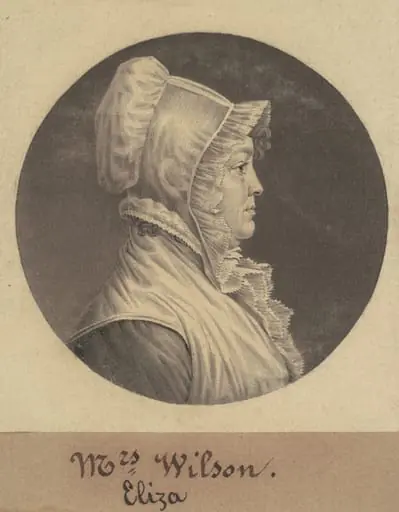
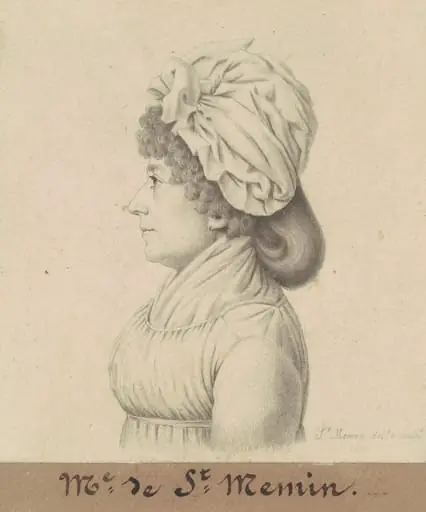
In late 18th-century America, portrait prints like this one served as accessible alternatives to painted likenesses, especially among the educated middle class. Saint-Mémin, a French émigré, brought European engraving techniques to the U.S., adapting them to local tastes. His portraits, often small and detailed, catered to a culture valuing personal identity and civic virtue over aristocratic display.
Legacy
Saint-Mémin’s portraits, including this one, remain significant for their technical refinement and historical documentation. They offer insight into how early Americans wished to be seen: composed, unembellished, and individual. Though not widely known today, his body of work influenced the development of American printmaking and established a precedent for the portrait as a record of personal character rather than social status.
Artist & collection

Artist
Charles Balthazar Julien Févret de Saint-Mémin
Charles Balthazar Julien Févret de Saint-Mémin (French pronunciation: ; 1770–1852) was a French portrait painter and museum director.