Artwork
Mr. Smith
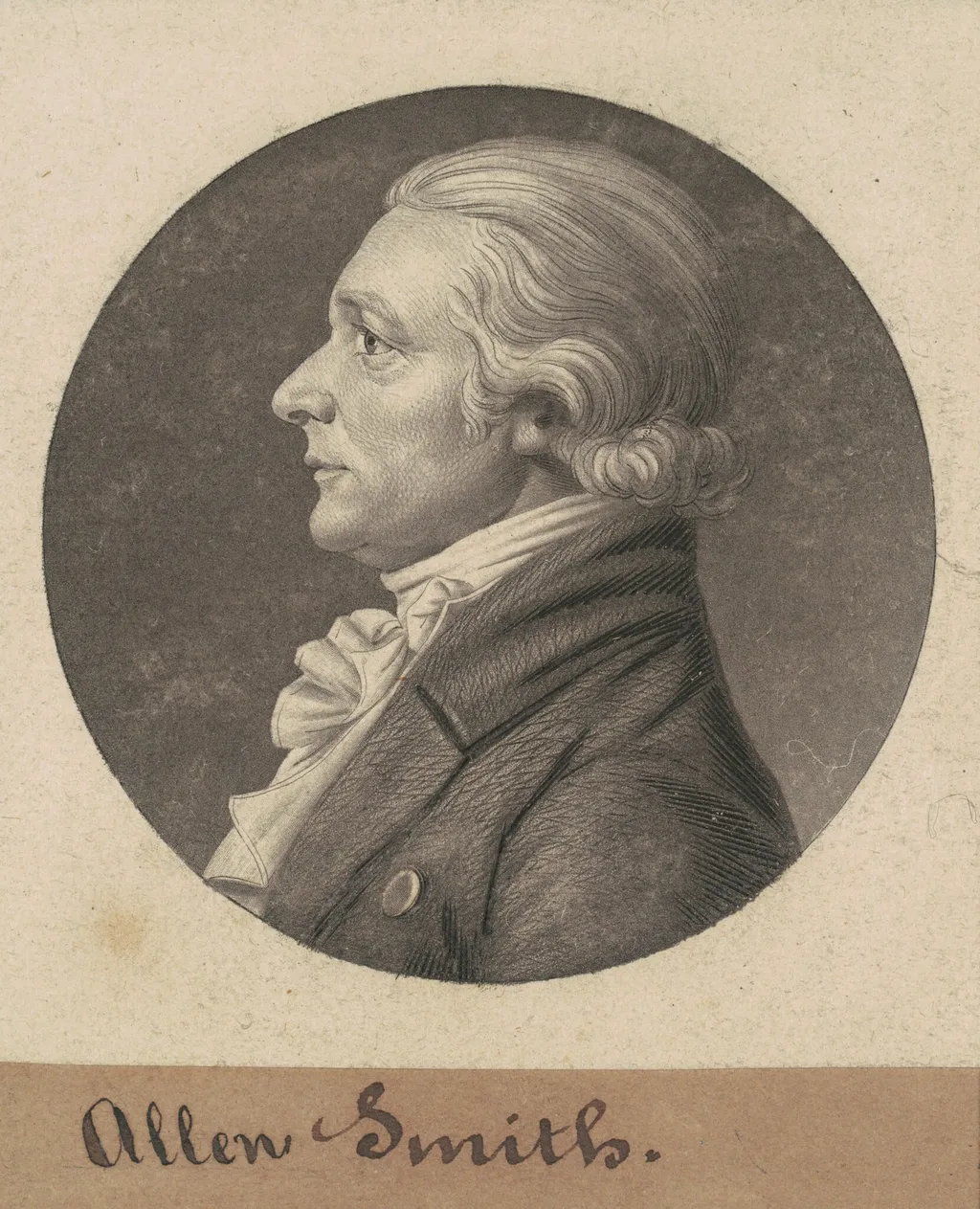
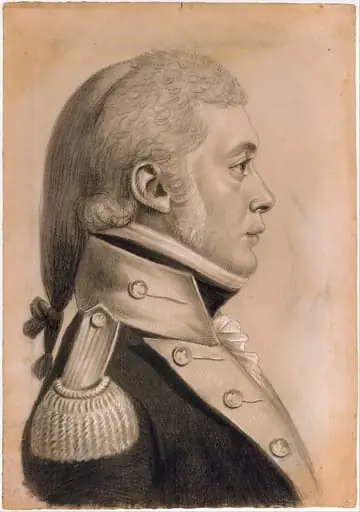
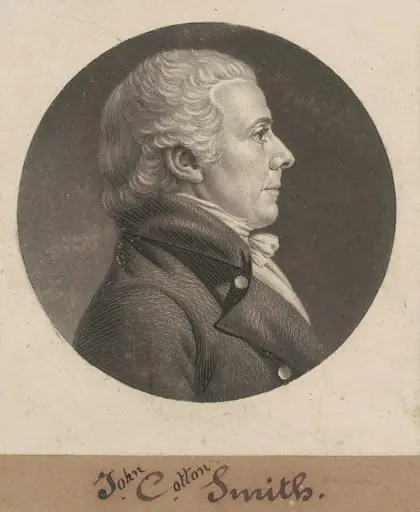
Mr. Smith is an ink print by the Romanticist artist Charles Balthazar Julien Févret de Saint-Mémin. It dates from 1801 and is held in the collection of the National Gallery of Art. Created in 1801 by Charles B.
About this work
You can learn more about the technique used in this picture by looking up the artist Saint-Mémin, Charles B.
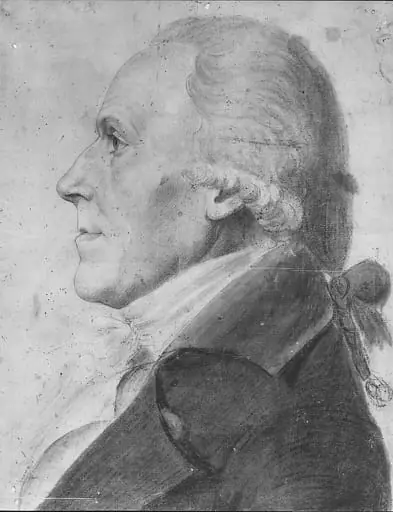
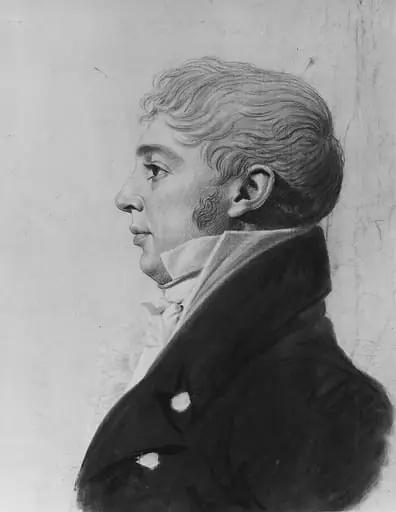
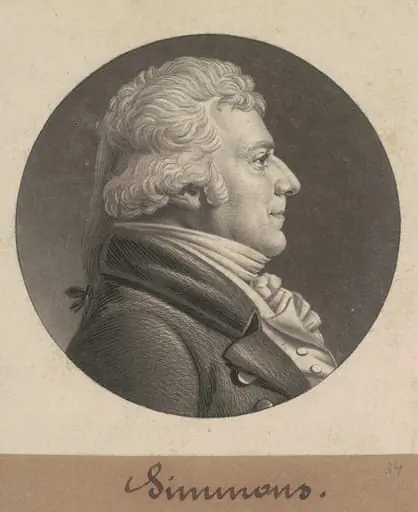
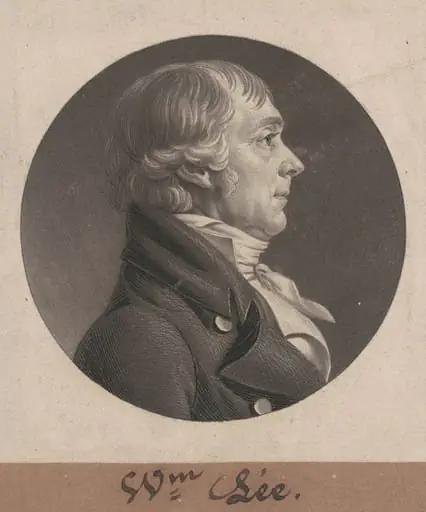
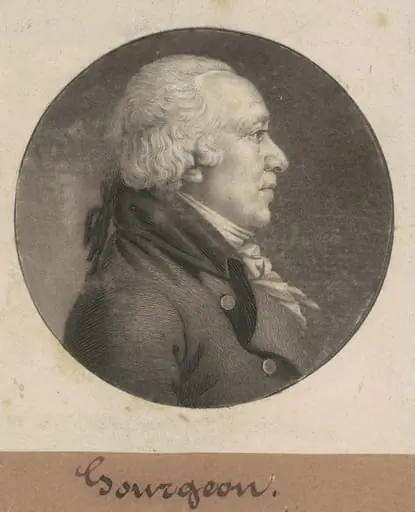
This painting shows a man with a serious face.
He's dressed in old-fashioned clothes.
The artist used a special technique to create lots of details and textures in the man's face and clothes, which makes the picture interesting because it was made a long time ago.
The man in the picture is "Mr. Smith", and we don't know much about him, but we know the artist made this picture in 1801.
The artist was very good at making small details look clear.
You can learn more about the technique used in this picture by looking up the artist Saint-Mémin, Charles B. J. Févret de.
Overview
Created in 1801 by Charles B. J. Févret de Saint-Mémin, this small print depicts a man identified only as Mr. Smith. Executed in mezzotint and engraving on wove paper, it is mounted on a brown wove support. Measuring just over five and a half centimeters square, the work exemplifies the precision possible in intimate portrait prints of the early 19th century, reflecting Saint-Mémin’s specialization in miniature likenesses.
Subject & Meaning
The sitter, Mr. Smith, remains unidentified beyond his name and approximate birth in the mid-1700s. His expression is composed and restrained, typical of portraiture aiming for dignity rather than emotional display. The lack of contextual details—no background, no symbols—focuses attention solely on the individual, suggesting a personal commission or a study in character rendered with quiet formality.
Technique & Style
Saint-Mémin employed mezzotint to achieve subtle gradations of tone, particularly in the sitter’s face and collar, while fine engraving defined crisp lines in the clothing and hair. The combination allowed for rich texture and depth within a tiny format. The black ink on pale paper enhances contrast, emphasizing the sculptural quality of the features and the tactile nature of the fabric, showcasing technical mastery suited to detailed portraiture.
History & Provenance
The print was produced during Saint-Mémin’s time in the United States, where he gained recognition for his portrait engravings of prominent figures. Though Mr. Smith’s identity is lost, the work likely originated from one of the artist’s private sittings in the early 1800s. Its survival in good condition reflects careful preservation, possibly within a private collection before entering institutional hands.
Context
In the early 19th century, mezzotint was a favored medium for portrait reproduction, especially among the educated elite who valued detailed likenesses. Saint-Mémin, a French émigré, brought European techniques to American audiences, bridging transatlantic artistic traditions. This small print reflects a period when portraiture served both personal commemoration and cultural documentation.
Legacy
Though not widely known outside specialized circles, Saint-Mémin’s prints, including this one, remain important examples of early American printmaking. His ability to render nuanced facial expressions and textures in miniature influenced later portrait artists and conservators studying 19th-century techniques. The work endures as a quiet testament to the skill required to capture individuality on a small scale.
Artist & collection

Artist
Charles Balthazar Julien Févret de Saint-Mémin
Charles Balthazar Julien Févret de Saint-Mémin (French pronunciation: ; 1770–1852) was a French portrait painter and museum director.