Artwork
Nahum Mitchell
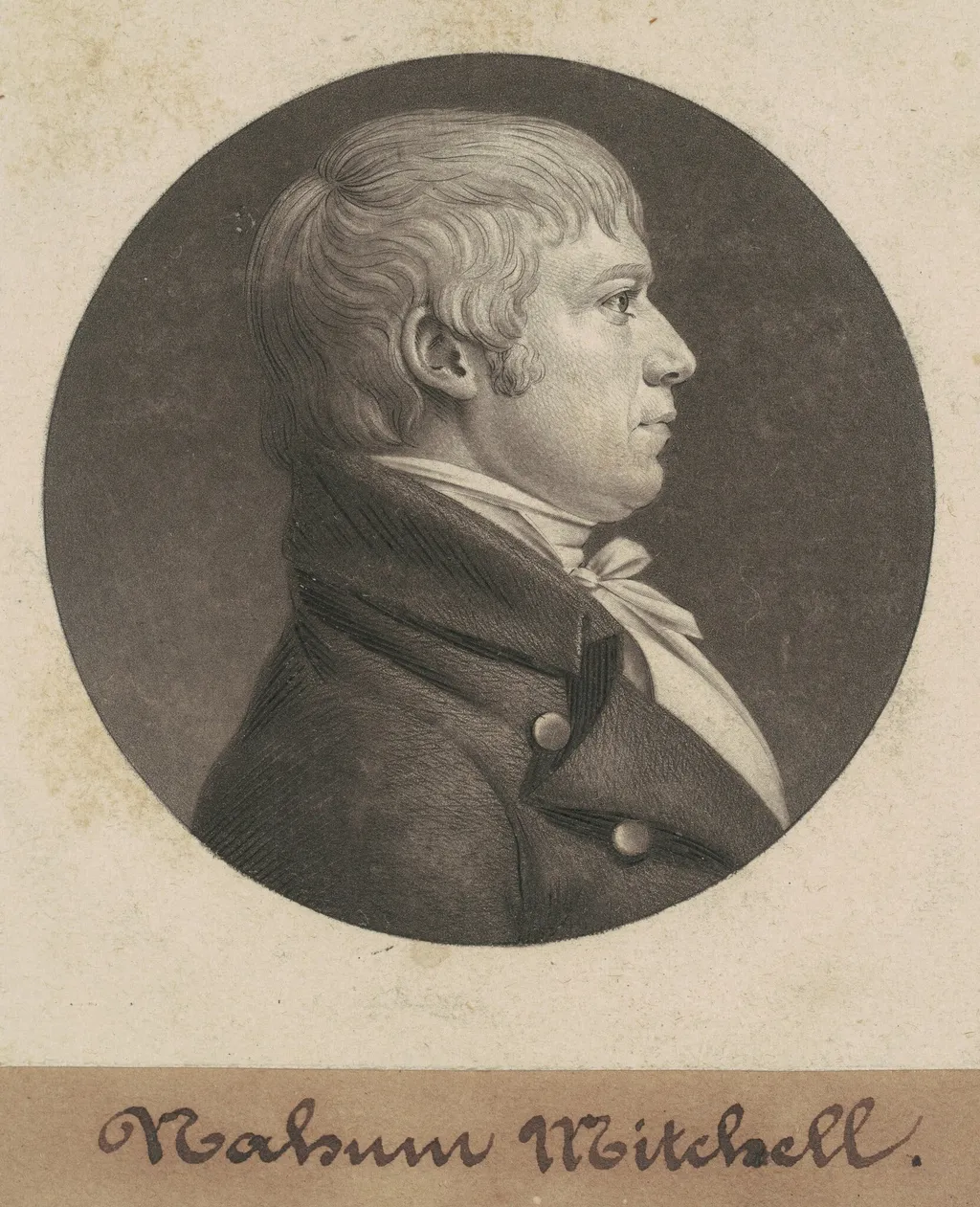
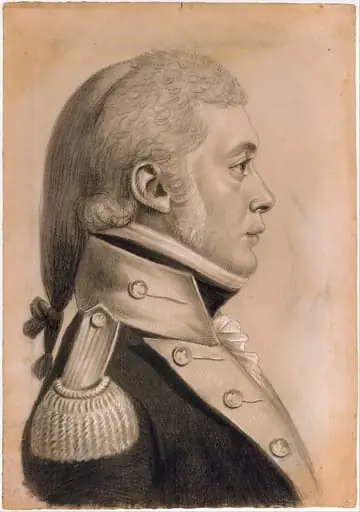
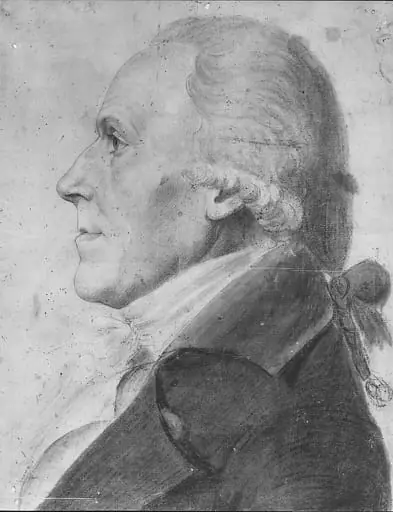
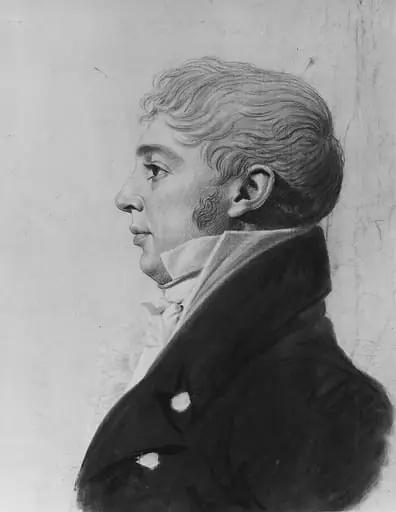
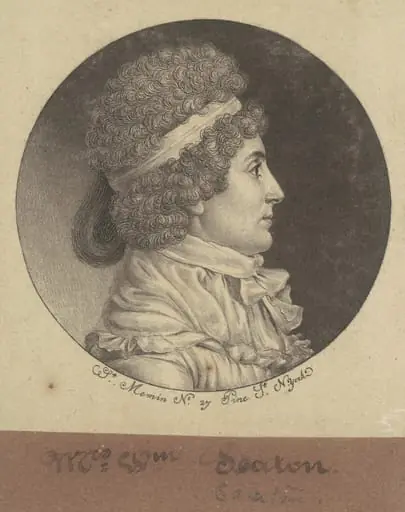
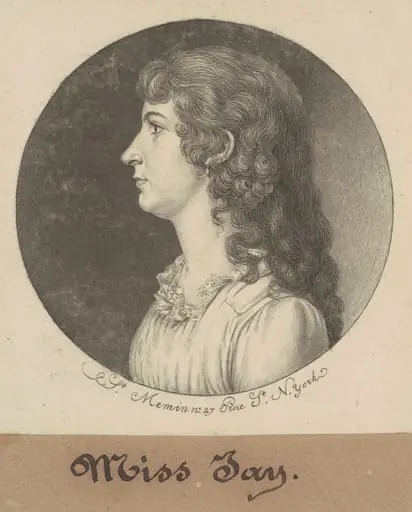
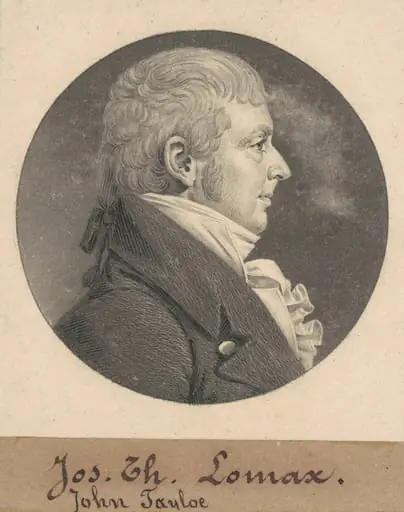
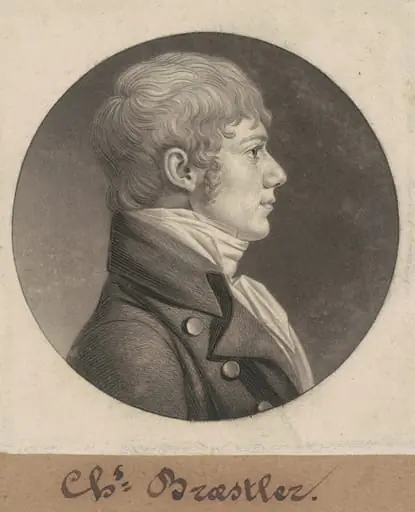
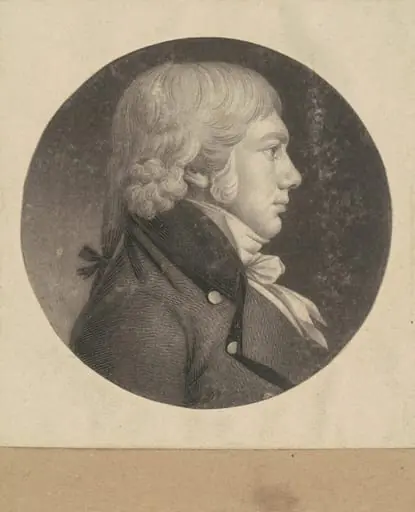
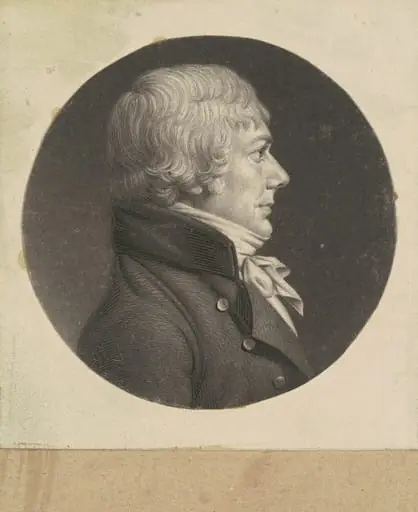
Nahum Mitchell is an ink print by the Romanticist artist Charles Balthazar Julien Févret de Saint-Mémin. It dates from 1804 and is held in the collection of the National Gallery of Art.
About this work
Overview
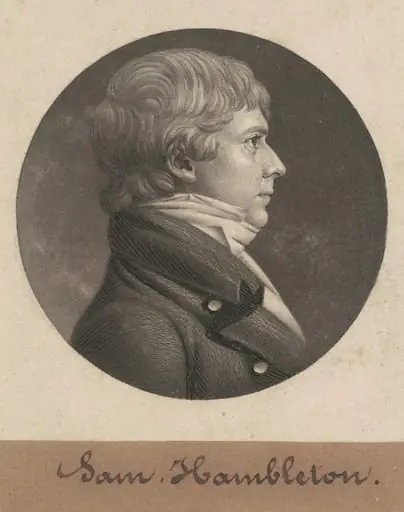
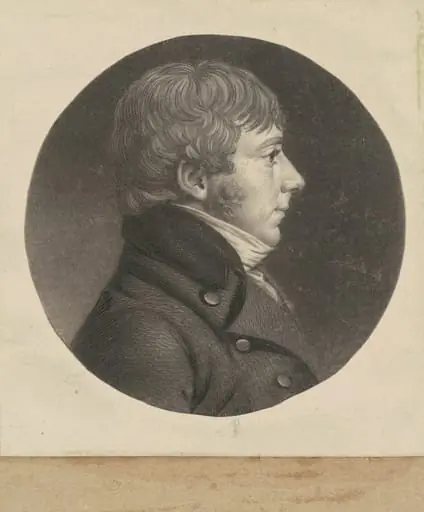
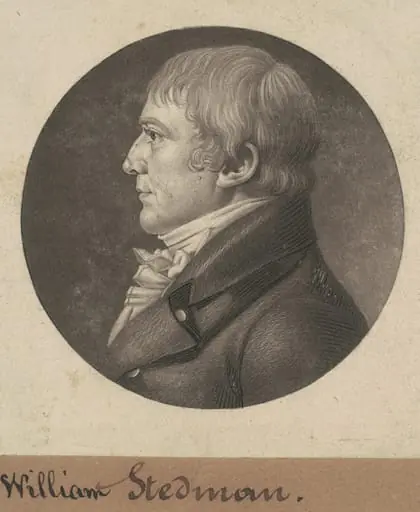
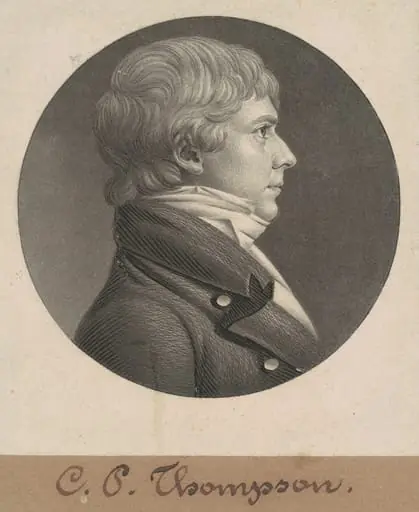
This print is a mezzotint and engraving on wove paper, mounted to brown wove paper, depicting Nahum Mitchell in profile.
This print is a mezzotint and engraving on wove paper, mounted to brown wove paper, depicting Nahum Mitchell in profile. Created by Charles B. J. Févret de Saint-Mémin, it belongs to a series of portrait prints produced between 1796 and 1805. The work is held in the collection of the National Gallery of Art, part of a broader effort to record the likenesses of prominent American figures during the early republic.
Subject & Meaning
Nahum Mitchell, a Massachusetts politician and judge, is shown in strict profile, his gaze directed away from the viewer. The composition emphasizes dignity and restraint, typical of portraiture intended for public record rather than personal expression. His stillness and formal posture reflect the era’s ideals of civic virtue and intellectual authority, aligning him with the nation’s emerging leadership class.
Technique & Style
Saint-Mémin employed mezzotint and engraving to achieve fine gradations of tone and sharp linear detail. The technique allowed for subtle modeling of facial features and texture in clothing, capturing the crispness of linen and the contours of bone beneath skin. His method prioritized accuracy over flourish, resulting in a restrained, almost archaeological precision that served documentary aims.
History & Provenance
The portrait was produced as part of Saint-Mémin’s ambitious project to create a national gallery of American portraits between 1796 and 1805. Each print was made from life, often with sitters posing in his studio. The series was later acquired by the National Gallery of Art, preserving a rare visual archive of early American elites, including politicians, military officers, and intellectuals.
Context
Saint-Mémin’s portraits emerged during a period when the United States sought to define its cultural identity apart from Europe. His method—combining European engraving techniques with American subjects—reflected a desire to document the nation’s leaders as worthy of historical record. The project paralleled efforts in literature and politics to establish a distinct civic narrative through visual representation.
Legacy
The Saint-Mémin portrait series remains one of the most comprehensive visual records of early American public figures. While not widely known today, these prints provided a foundational archive for later historians and artists. Their technical discipline and factual orientation influenced subsequent generations of American portraiture, particularly in the transition from painted likenesses to reproducible printed images.
Artist & collection

Artist
Charles Balthazar Julien Févret de Saint-Mémin
Charles Balthazar Julien Févret de Saint-Mémin (French pronunciation: ; 1770–1852) was a French portrait painter and museum director.