Artwork
Peter Fayolle
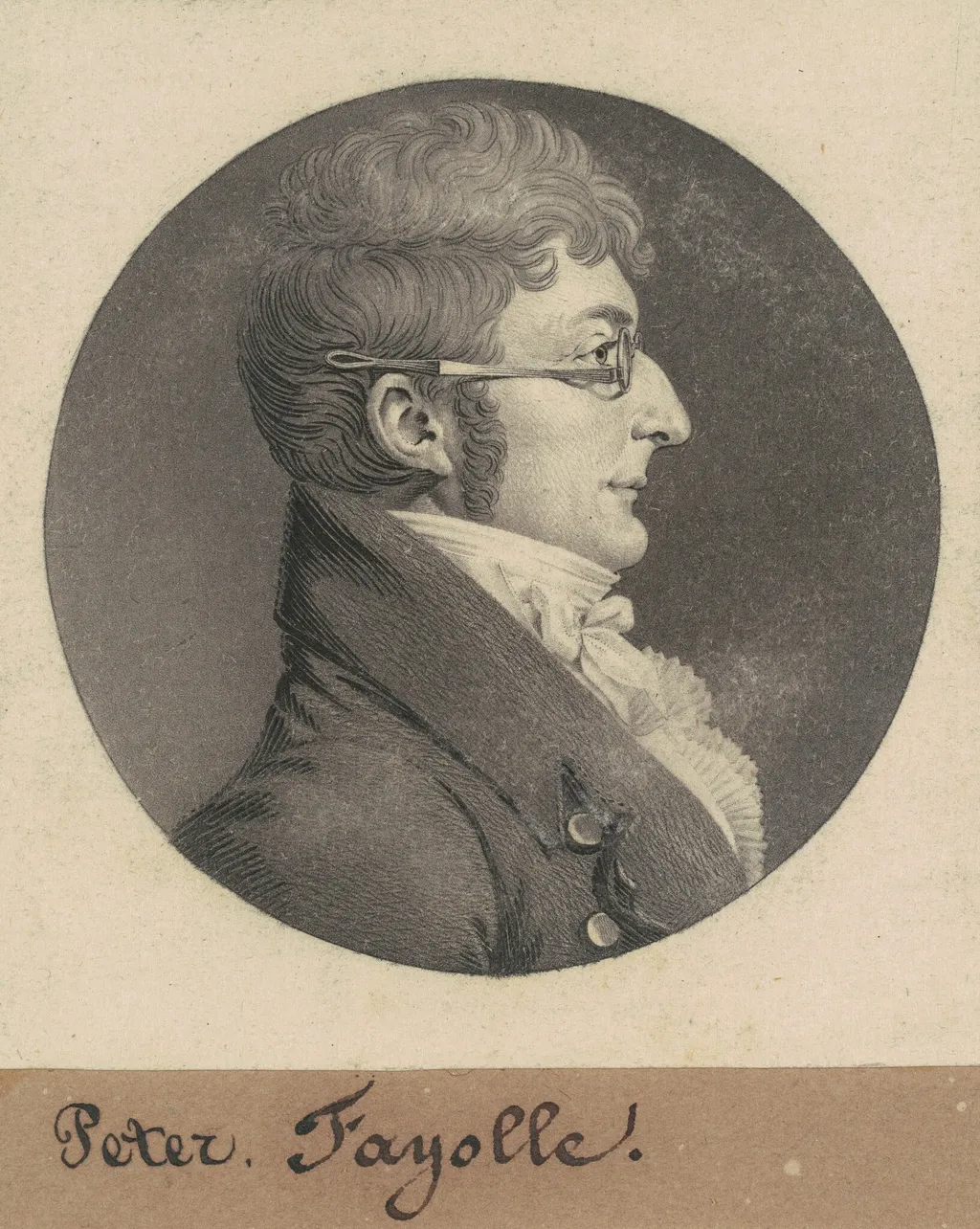
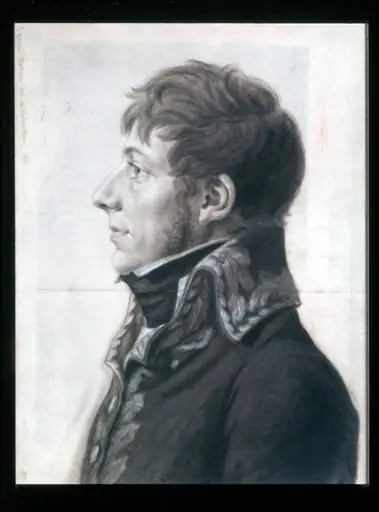
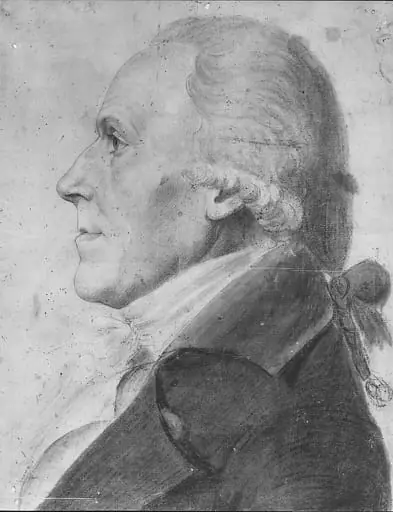
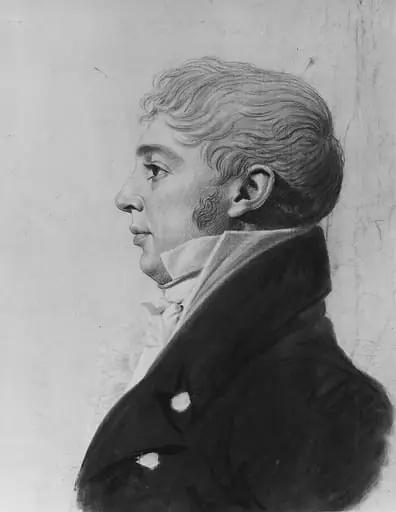
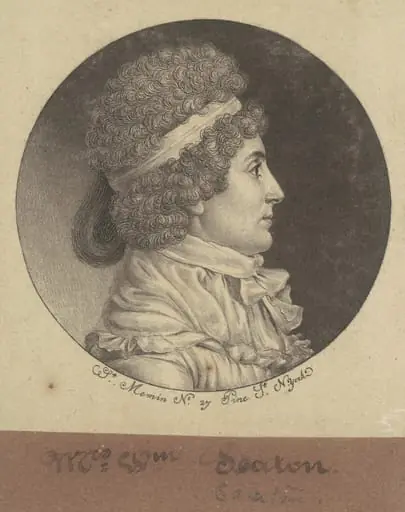
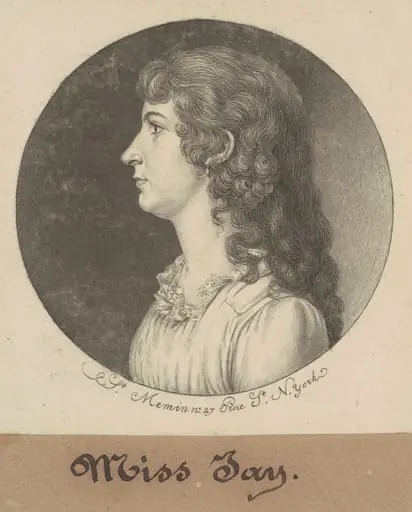
Peter Fayolle is an ink print by the Romanticist artist Charles Balthazar Julien Févret de Saint-Mémin. It dates from 1809 and is held in the collection of the National Gallery of Art.
About this work
Overview
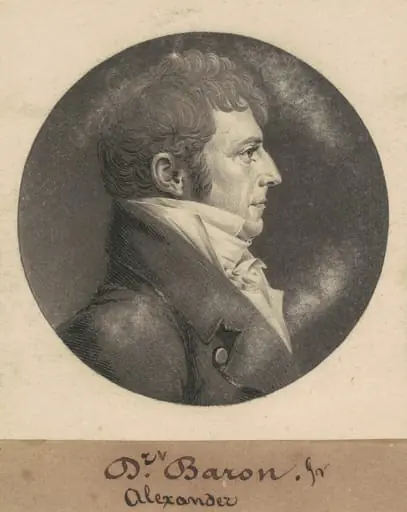
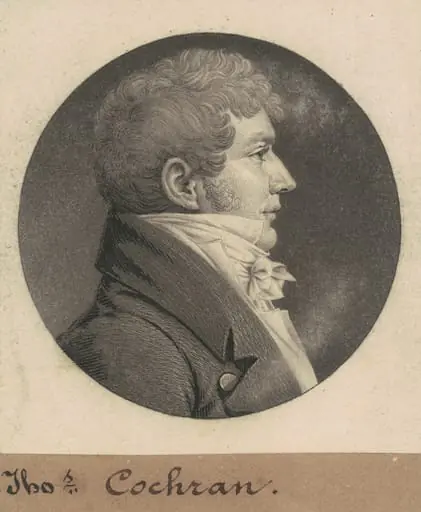
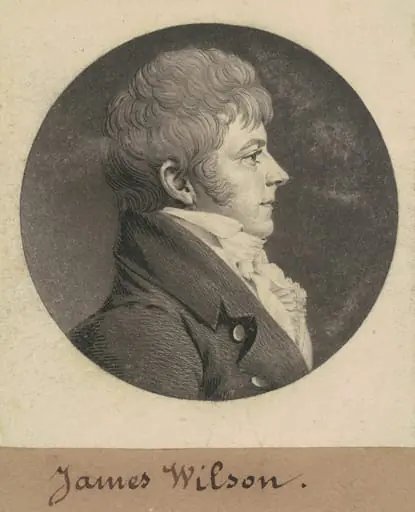
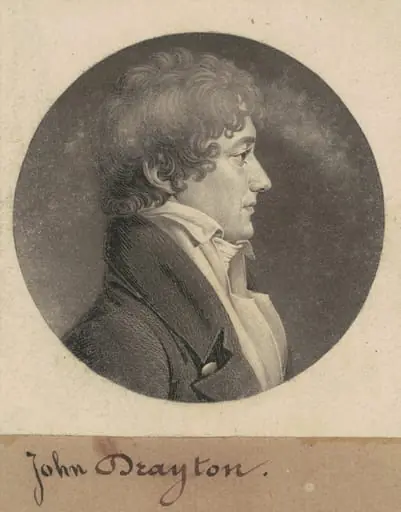
This small print, created in 1809, depicts Peter Fayolle in profile. Executed in mezzotint and engraving on wove paper, it is mounted on a brown wove support. Measuring just over five and a half centimeters square, the work is intimate in scale, emphasizing precision over grandeur. The technique allows for subtle gradations of tone, particularly in the rendering of the sitter’s face.
Subject & Meaning
Peter Fayolle, likely a French émigré or minor public figure, is portrayed without identifying attributes or context. The profile view, common in portraiture of the era, suggests formality and restraint. The absence of background or props focuses attention solely on the individual’s features, conveying dignity through minimalism rather than narrative.
Technique & Style
The image was made using mezzotint, a process involving a textured metal plate to produce rich blacks and soft midtones. Engraved lines define finer details like hair and collar edges. The dark, unmodulated background absorbs light, enhancing the three-dimensionality of the face. The result is a quiet, tonal study that relies on contrast and texture rather than line alone.
History & Provenance
This work reflects his technical mastery and the demand for portable, reproducible portraiture in the early 19th century.
Created by Charles B. J. Févret de Saint-Mémin, a French-born artist active in the United States, the print belongs to a series of portrait mezzotints produced during his time in America. Saint-Mémin specialized in small-scale, highly detailed likenesses for a clientele of intellectuals and officials. This work reflects his technical mastery and the demand for portable, reproducible portraiture in the early 19th century.
Context
In the early 1800s, mezzotint was valued for its ability to reproduce the subtleties of oil portraits in print form. Saint-Mémin’s work contributed to a growing culture of personal documentation among the educated classes. This portrait, though modest in size, aligns with broader trends in American and European printmaking that prioritized accuracy and accessibility over theatricality.
Legacy
Saint-Mémin’s mezzotints, including this portrait of Peter Fayolle, remain significant for their technical refinement and historical documentation. Though not widely known today, they represent a bridge between hand-painted portraiture and the rise of photographic reproduction. Their survival in institutional collections underscores their role in preserving the visual record of early American society.
Artist & collection

Artist
Charles Balthazar Julien Févret de Saint-Mémin
Charles Balthazar Julien Févret de Saint-Mémin (French pronunciation: ; 1770–1852) was a French portrait painter and museum director.