Artwork
Solomon Moses
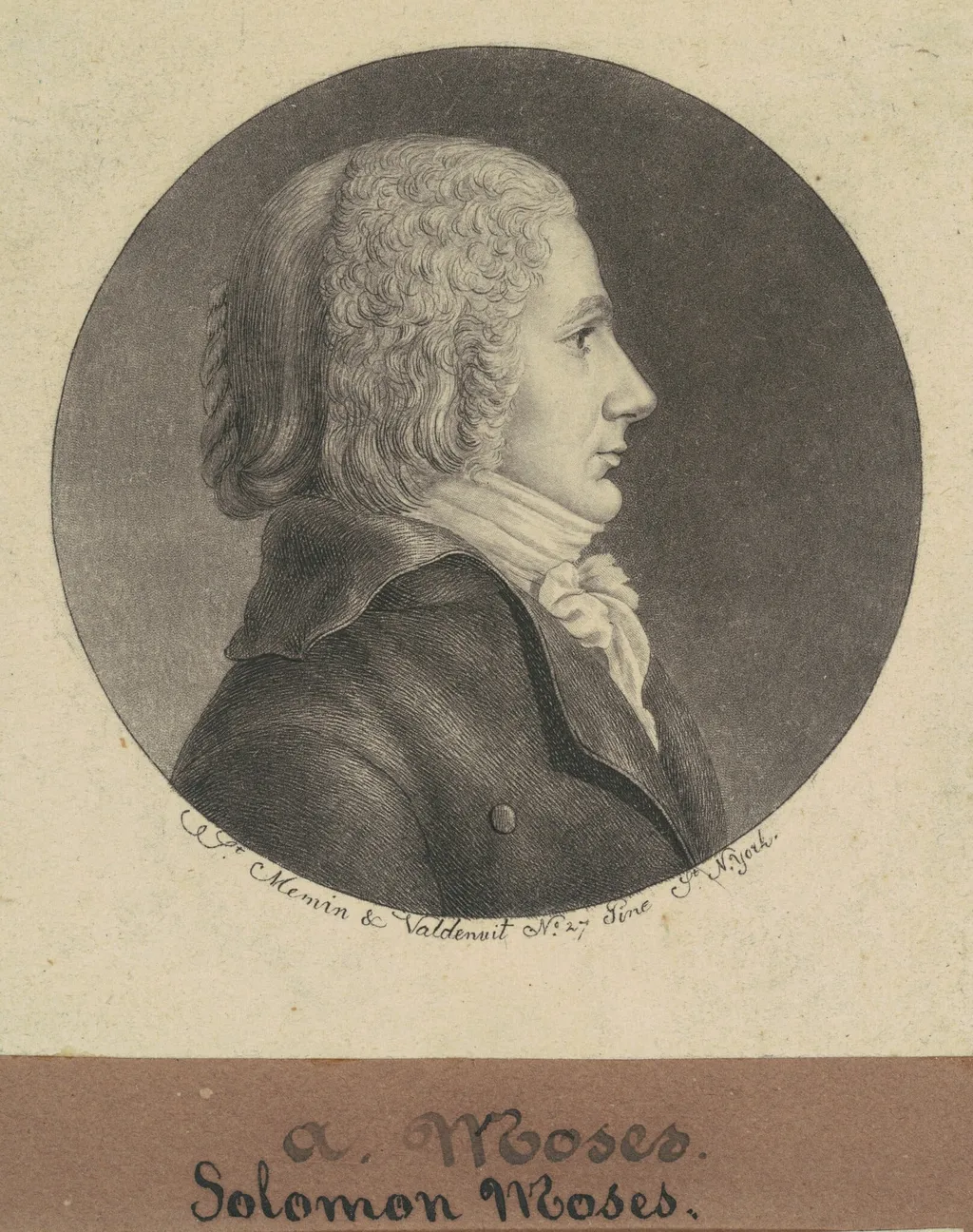
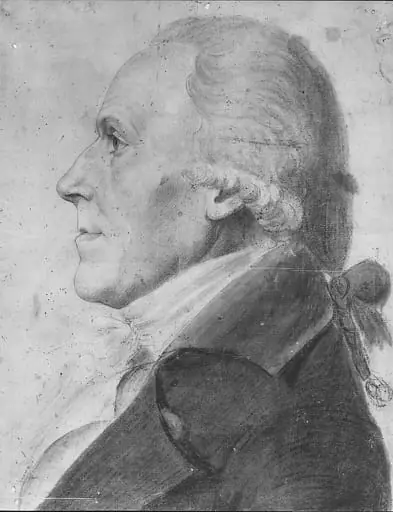
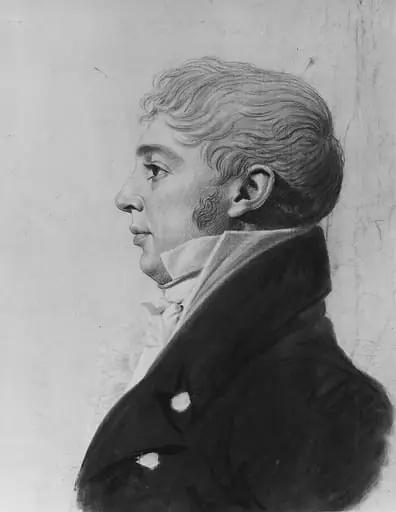
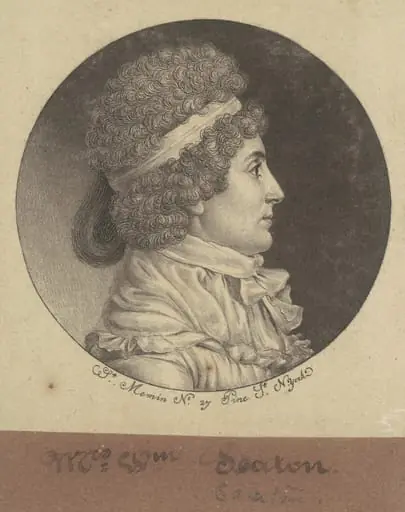
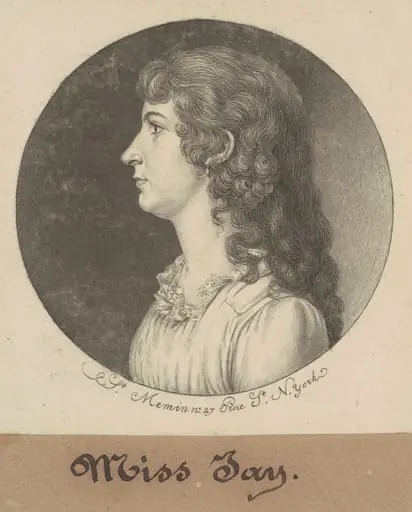
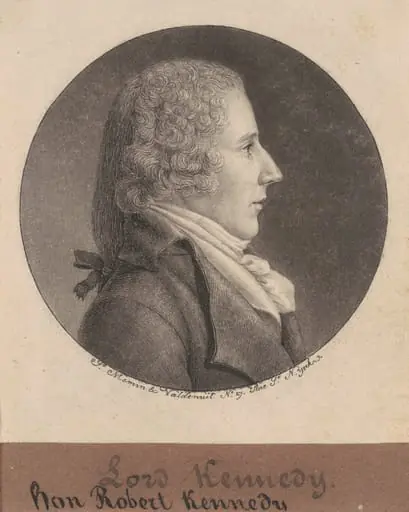
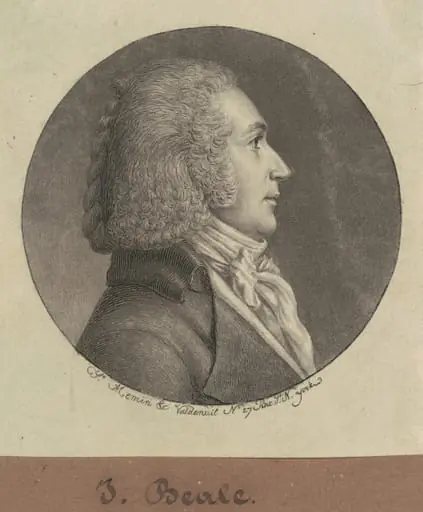
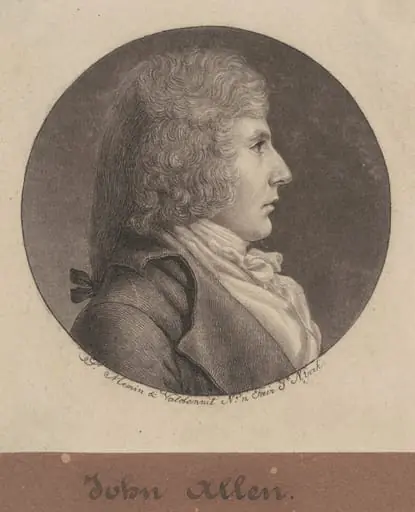
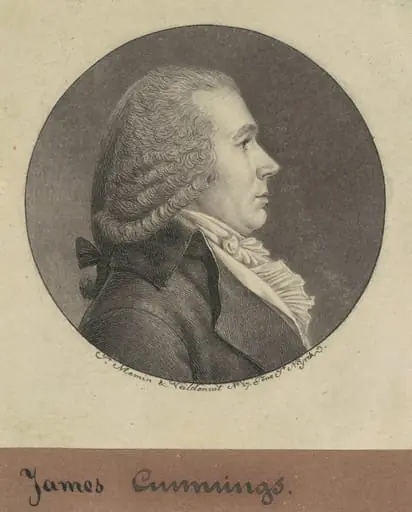
Solomon Moses is an ink print by the Romanticist artist Charles Balthazar Julien Févret de Saint-Mémin. It dates from 1796 and is held in the collection of the National Gallery of Art. Created between 1796 and 1797, this small portrait is a mezzotint and engraving on wove paper, mounted to a brown wove support.
About this work
Overview
Created between 1796 and 1797, this small portrait is a mezzotint and engraving on wove paper, mounted to a brown wove support. The work measures just 5.56 by 5.56 centimeters and is part of the Corcoran Collection, now held by the National Gallery of Art. It was executed by Charles B. J. Févret de Saint-Mémin, known for his precision in small-scale portraiture using intaglio techniques.
Subject & Meaning
His calm expression and modest attire reflect dignity without ostentation, aligning with the values of quiet civic presence.
The portrait depicts Solomon Moses, a Jewish merchant and community figure in late 18th-century America. His calm expression and modest attire reflect dignity without ostentation, aligning with the values of quiet civic presence. The image serves as a record of an individual whose social role was significant within his community, captured with restrained formality typical of the era’s portraiture.
Technique & Style
Saint-Mémin employed mezzotint and engraving to achieve subtle tonal gradations within a tiny format. The fine lines and textured shadows convey the texture of fabric and the softness of skin, demonstrating exceptional control. Despite its miniature scale, the work exhibits remarkable detail, a hallmark of Saint-Mémin’s skill in translating three-dimensional presence into a compact printed image.
History & Provenance
The print was produced during Saint-Mémin’s time in the United States, where he created numerous portraits of prominent individuals. It entered the Corcoran Collection in the 19th century and was transferred to the National Gallery of Art following the Corcoran’s dissolution. Its preservation reflects early American interest in documenting civic leaders through print.
Context
In the 1790s, portrait prints like this one served as accessible records of personal identity in a young republic. Saint-Mémin’s work contributed to a broader cultural effort to visually catalog citizens beyond the elite. Solomon Moses, as a Jewish merchant, represents the diversity of early American society, making this portrait a quiet testament to pluralism in public life.
Legacy
This small print endures as an example of Saint-Mémin’s mastery in intimate portraiture and the potential of printmaking to capture individual character. It contributes to scholarly understanding of how identity and status were visually constructed in early America, particularly among non-elite and minority communities often underrepresented in art collections.
Artist & collection

Artist
Charles Balthazar Julien Févret de Saint-Mémin
Charles Balthazar Julien Févret de Saint-Mémin (French pronunciation: ; 1770–1852) was a French portrait painter and museum director.