Artwork
Theodosia Burr
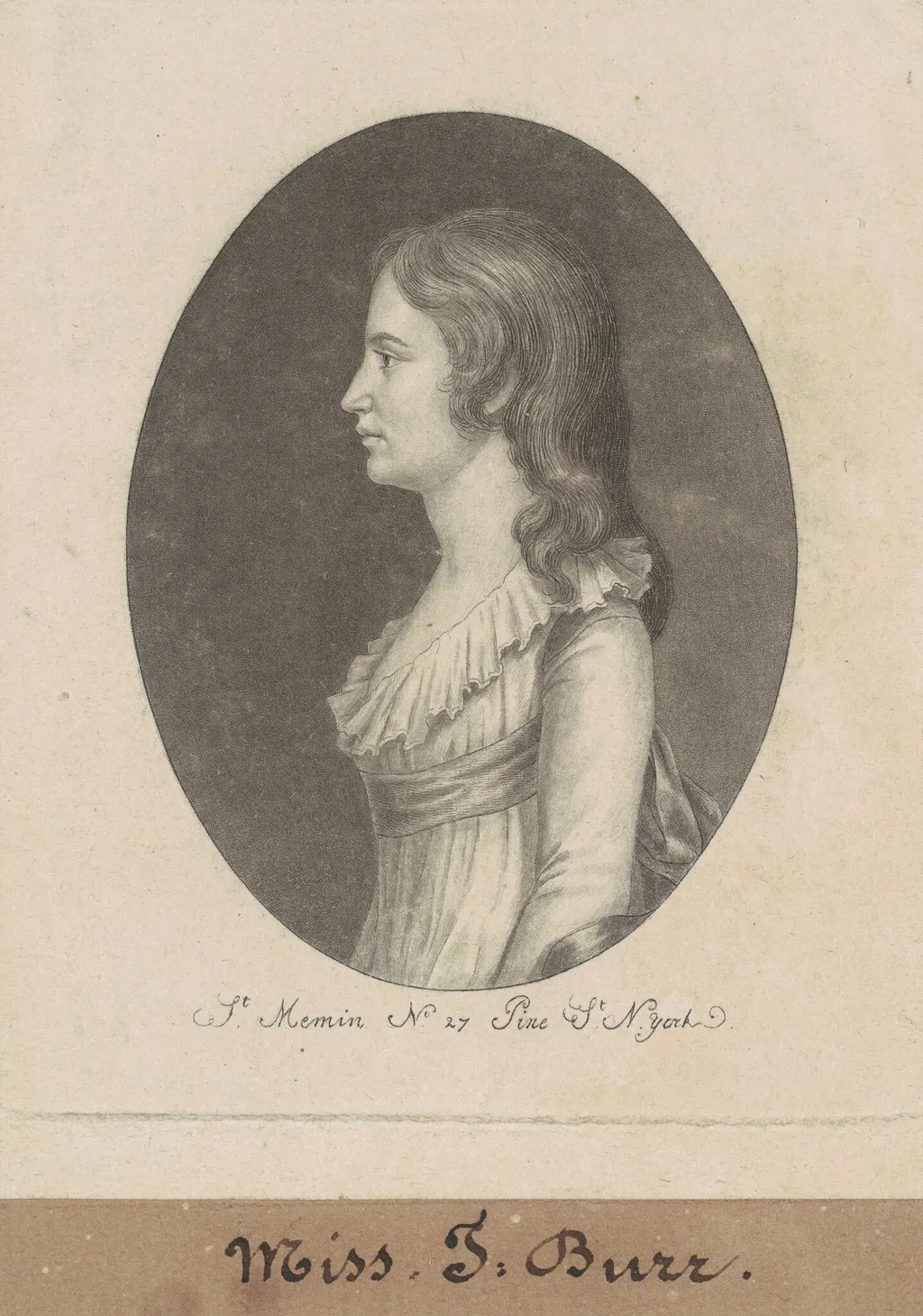
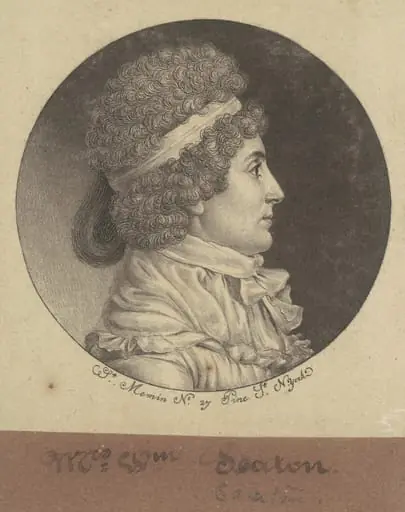
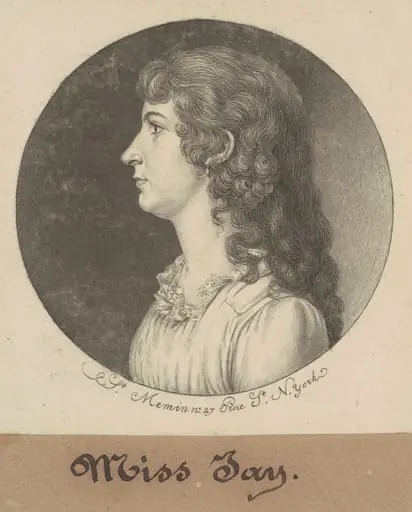
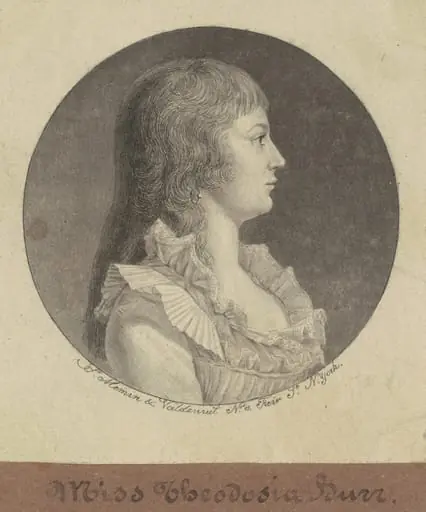
Theodosia Burr is an ink print by the Romanticist artist Charles Balthazar Julien Févret de Saint-Mémin. It dates from 1797 and is held in the collection of the National Gallery of Art. Charles B.
About this work
Overview
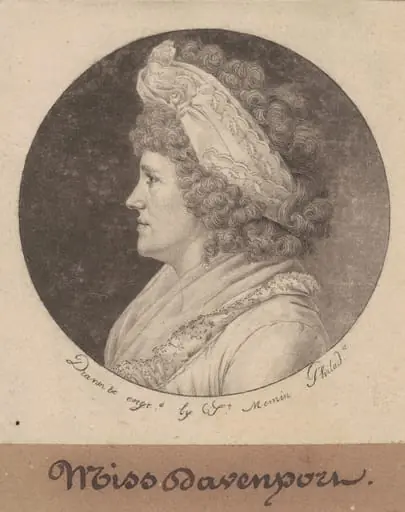
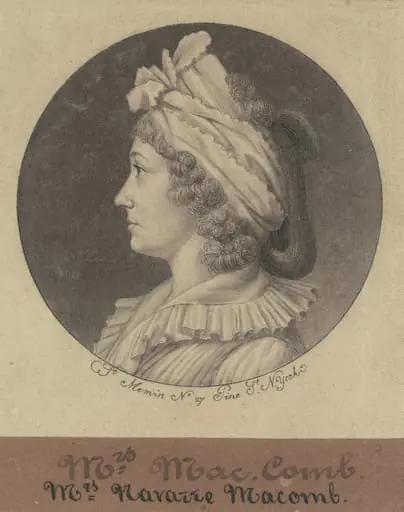
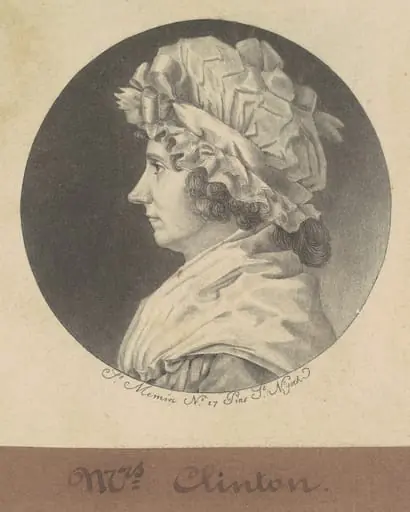
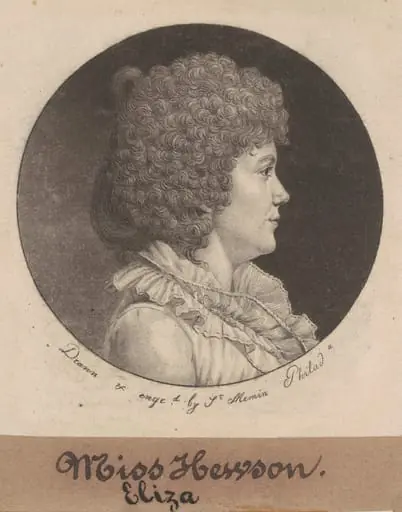
Févret de Saint‑Mémin’s portrait of Theodosia Burr is a small oval print, roughly two inches across, executed in mezzotint and engraving on wove paper.
Charles B. J. Févret de Saint‑Mémin’s portrait of Theodosia Burr is a small oval print, roughly two inches across, executed in mezzotint and engraving on wove paper. Produced between 1796 and 1797, the image presents the young woman in a left‑facing profile, her hair rendered in soft waves and her attire a modest high‑necked dress. The work exemplifies the intimate, finely detailed portraiture common in late‑eighteenth‑century American prints.
Subject & Meaning
The sitter is Theodosia Burr, the daughter of Aaron Burr, who served as Vice President of the United States under Thomas Jefferson. Contemporary accounts describe her as intelligent and socially admired, qualities that the delicate rendering of her features and the restrained composition subtly convey. The portrait’s modest scale and personal focus suggest it was intended for private circulation rather than public display.
Technique & Style
Saint‑Mémin employed a combination of mezzotint and line engraving, allowing for rich tonal gradations alongside precise linear detail. Fine cross‑hatching creates the soft modeling of the face and neck, while the crisp outlines define the hair and high‑necked garment. The oval format, uncommon for larger oil paintings, emphasizes the portrait’s intimate character and aligns with the era’s printmaking conventions for portrait miniatures.
History & Provenance
The print was produced in the United States shortly after Saint‑Mémin’s return from France, during a period when he specialized in portraiture of prominent American families. While the original owner is not documented, the work likely circulated among the Burr family or their acquaintances. It has since entered museum collections as a representative example of early American print portraiture.
Context
Created at the close of the 1790s, the portrait reflects a transitional moment in American visual culture, when portraiture shifted from painted likenesses to reproducible prints. Saint‑Mémin, a French émigré trained in European techniques, introduced sophisticated mezzotint methods to an American audience, influencing the development of a distinct national portrait tradition.
Artist & collection

Artist
Charles Balthazar Julien Févret de Saint-Mémin
Charles Balthazar Julien Févret de Saint-Mémin (French pronunciation: ; 1770–1852) was a French portrait painter and museum director.