Artwork
Mahlon Dickerson
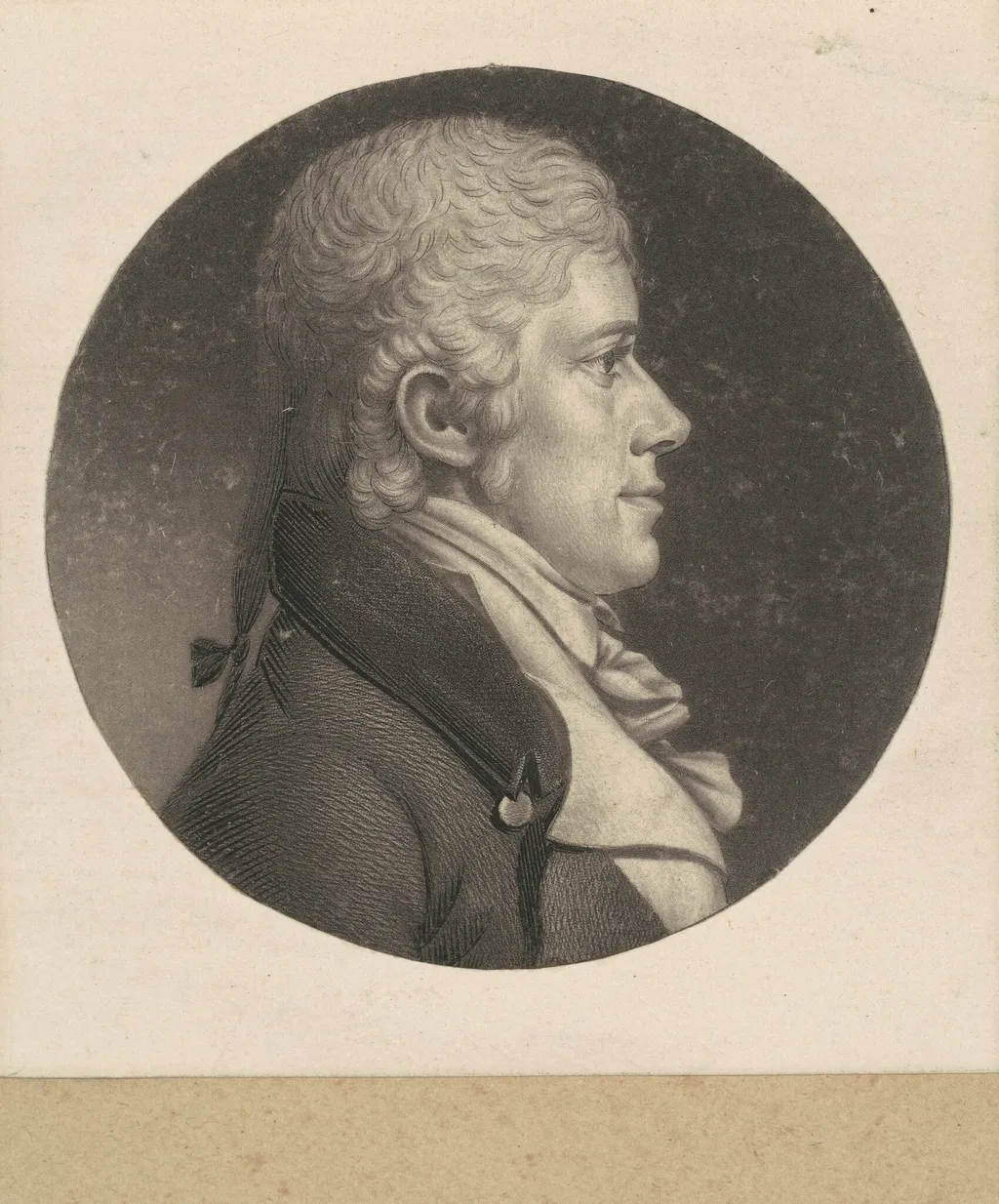
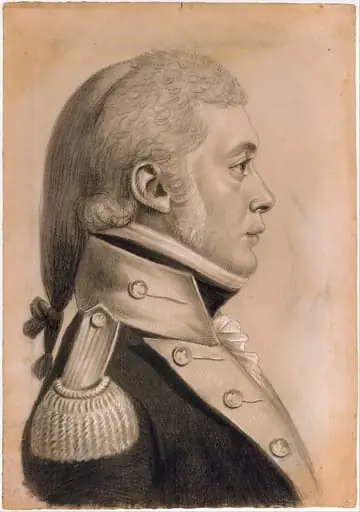
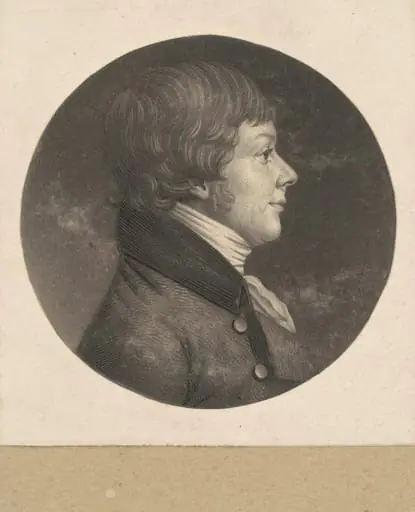
Mahlon Dickerson is an ink print by the Romanticist artist Charles Balthazar Julien Févret de Saint-Mémin. It dates from 1802 and is held in the collection of the National Gallery of Art.
About this work
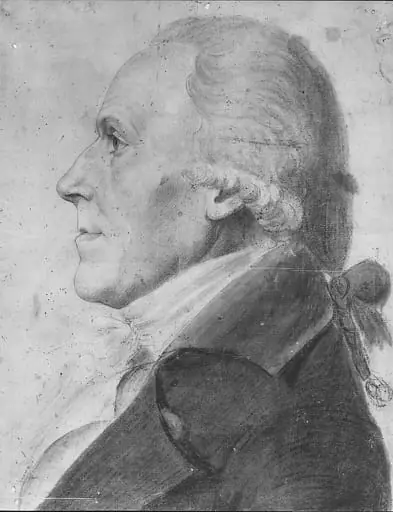
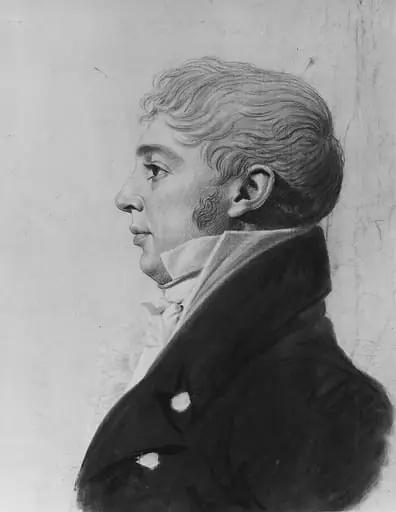
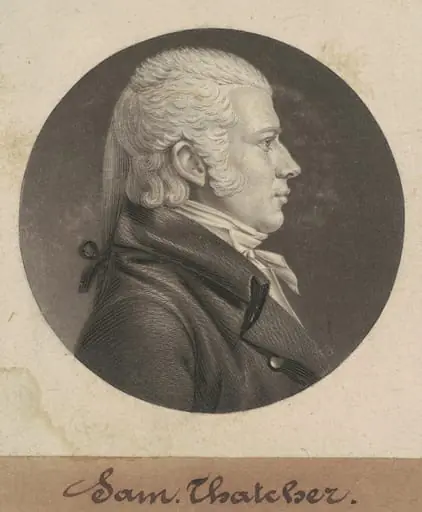
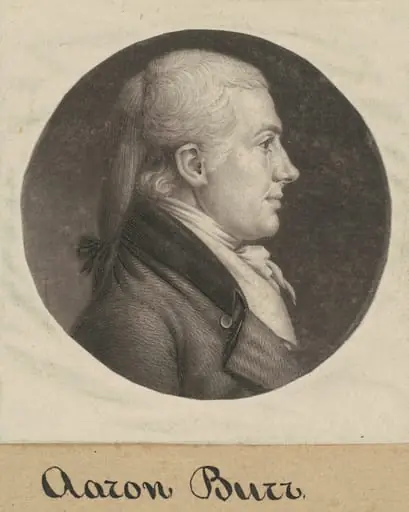
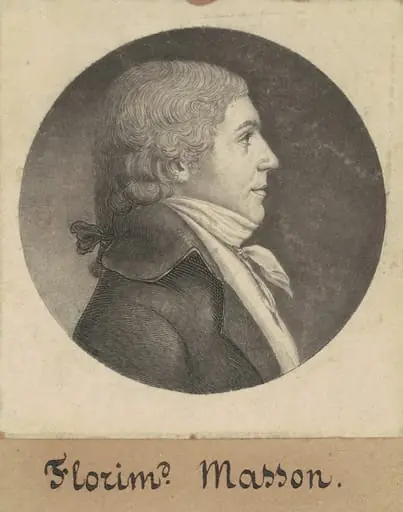
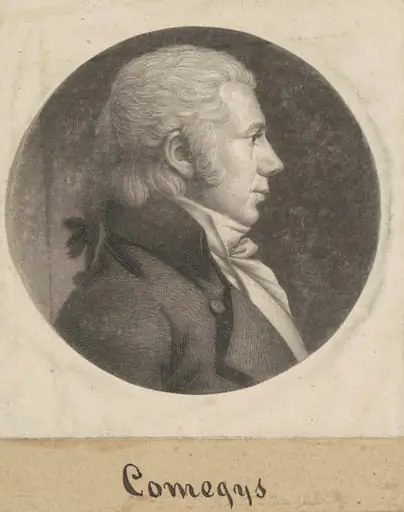
This small print shows a man in a dark coat with a high collar. The artist used fine lines to shade his face and clothes. The paper is thin but strong, with a soft brown backing.
In 1802, this style was new in America. The artist trained in Paris before moving to Philadelphia. His work helped spread European portrait styles here.
Look up Saint-Mémin, Charles B. J. Févret de next.
Overview
This small black-and-white print, created in 1802, portrays Mahlon Dickerson using mezzotint and engraving techniques on wove paper.
This small black-and-white print, created in 1802, portrays Mahlon Dickerson using mezzotint and engraving techniques on wove paper. Mounted on a brown backing, the piece measures just over five and a half centimeters square. It belongs to the Corcoran Collection, now held by the National Gallery of Art. The work reflects an early American effort to adapt European portrait methods through precise, labor-intensive printmaking.
Subject & Meaning
Mahlon Dickerson, a New Jersey politician and later U.S. senator, is shown in formal attire: a dark coat with a high collar, suggesting civic authority. The portrait lacks overt symbolism, focusing instead on a restrained, dignified likeness. Its purpose was likely to circulate his image among political circles, aligning with the era’s growing interest in documenting public figures through reproducible media.
Technique & Style
The artist employed mezzotint to achieve subtle tonal gradations, particularly in the rendering of facial features and fabric folds, while fine engraving lines defined contours and details. The delicate balance between soft shadows and sharp outlines reflects European training. The use of thin but durable wove paper and a brown mount indicates care in preservation, typical of Saint-Mémin’s methodical approach to portraiture.
History & Provenance
Created by Charles B. J. Févret de Saint-Mémin, a French émigré who settled in Philadelphia, the print was made during his early years in America. He brought mezzotint techniques from Paris, where he had studied under royal engravers. This work is among the first examples of the technique in the United States, produced as part of a broader series of American portraits commissioned by wealthy patrons.
Context
In the early 1800s, portraiture in America was transitioning from painted likenesses to printed images, which could be distributed more widely. Saint-Mémin’s work responded to a demand for recognizable likenesses of political and social leaders. His prints helped establish a visual culture of civic identity, bridging European artistic traditions with emerging American institutions.
Legacy
Saint-Mémin’s mezzotints, including this portrait, influenced the development of American printmaking by introducing refined European techniques to a domestic audience. Though modest in scale, his series of portraits contributed to the standardization of official imagery in the young republic, laying groundwork for later generations of American engravers and lithographers.
Artist & collection

Artist
Charles Balthazar Julien Févret de Saint-Mémin
Charles Balthazar Julien Févret de Saint-Mémin (French pronunciation: ; 1770–1852) was a French portrait painter and museum director.