Artwork
William Edwards
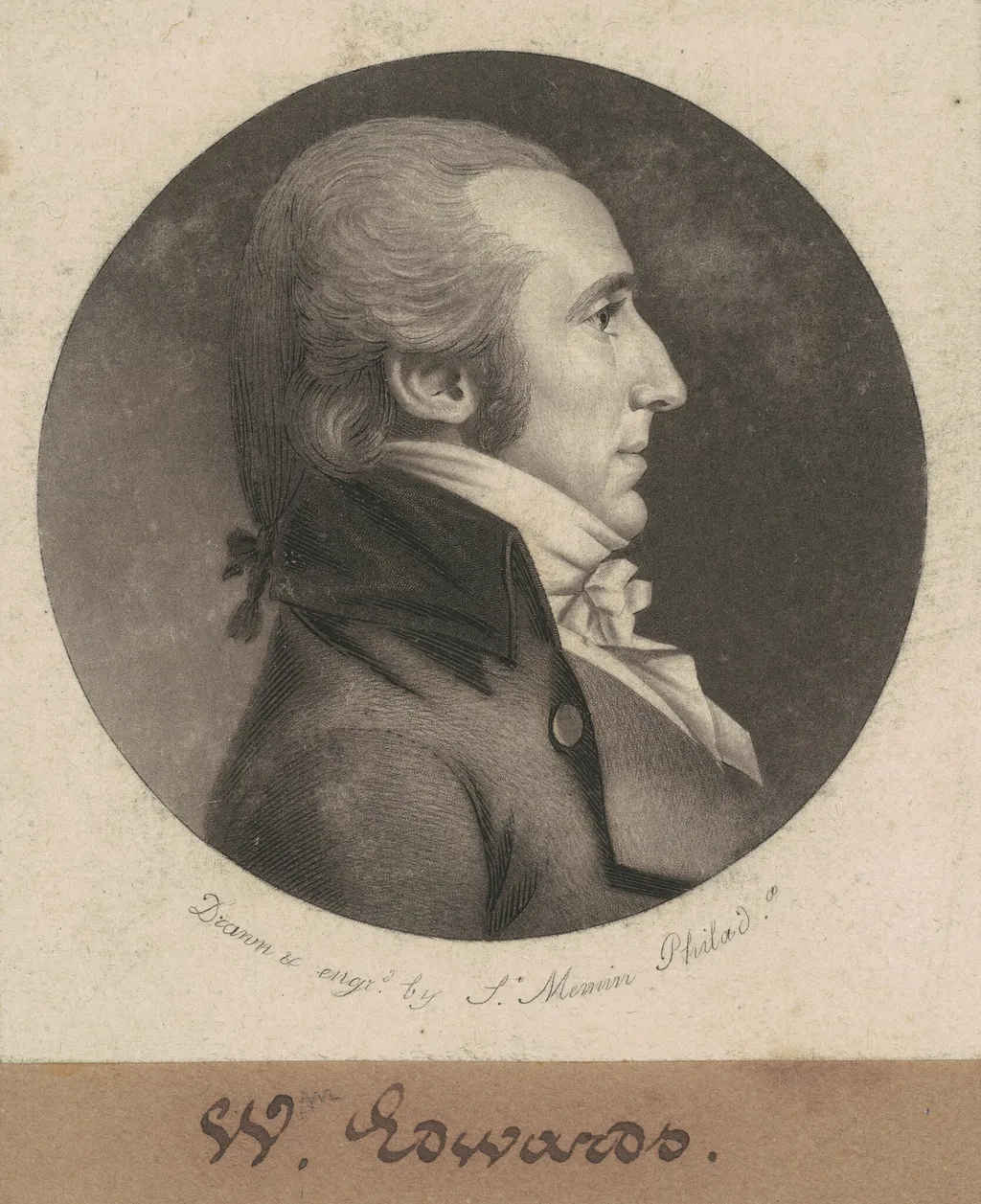
William Edwards is an ink print by the Romanticist artist Charles Balthazar Julien Févret de Saint-Mémin. It dates from 1802 and is held in the collection of the National Gallery of Art. Created in 1802 by Charles B.
About this work
Overview
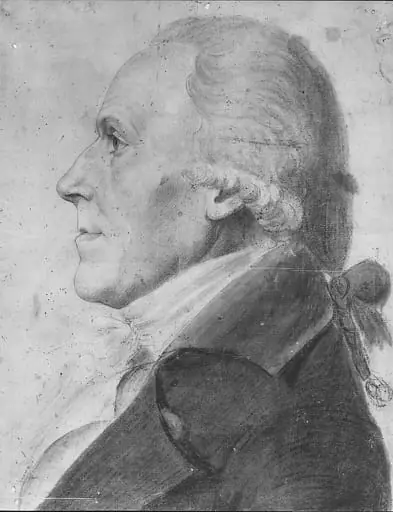
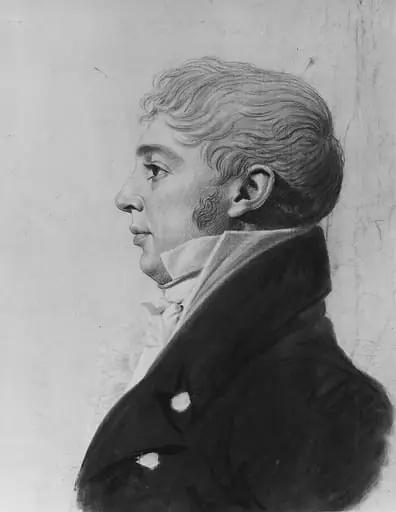
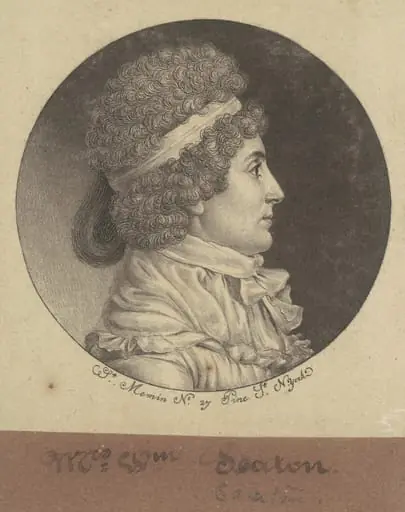
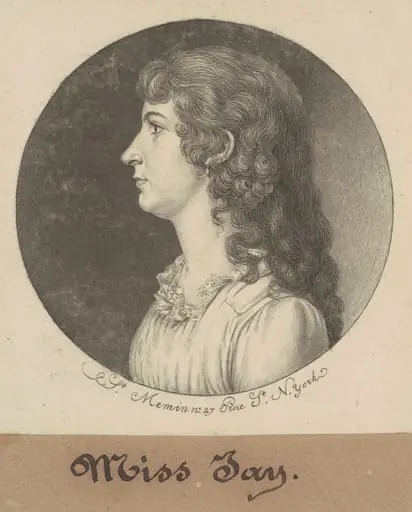
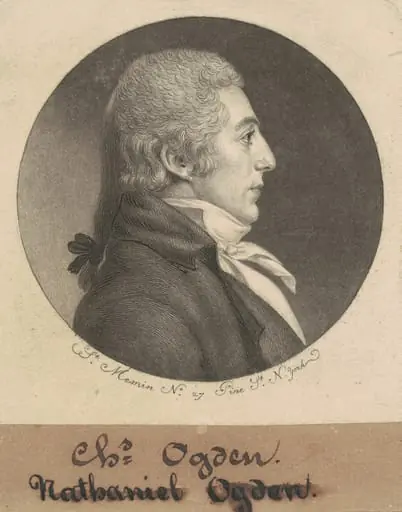
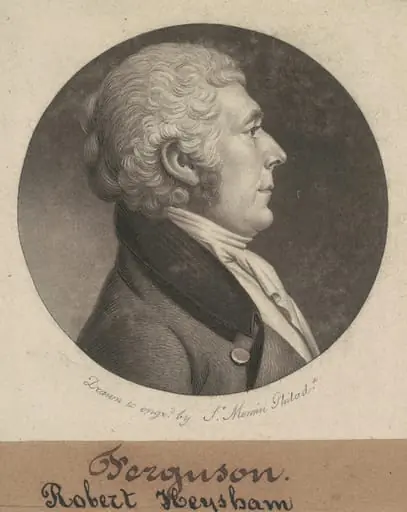
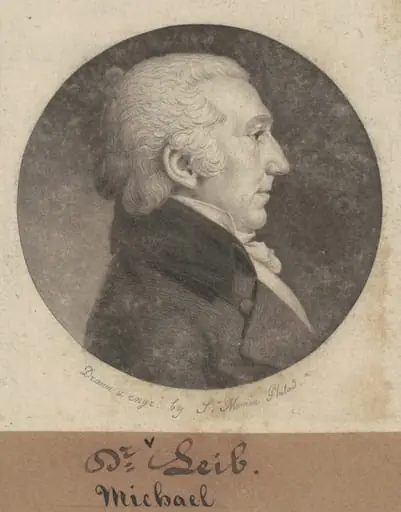
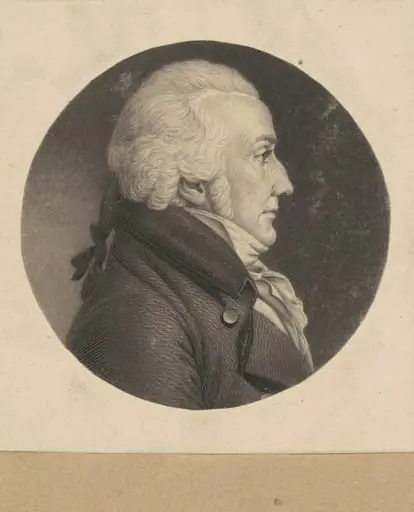
Created in 1802 by Charles B. J. Févret de Saint‑Mémin, this small portrait presents William Edwards in profile. Executed as a mezzotint and engraving in black on wove paper, the image is mounted on a brown wove backing and measures just 5.56 × 5.56 cm, offering a compact yet detailed representation of the sitter.
Subject & Meaning
The work portrays Edwards wearing a high‑collared garment, a buttoned jacket, and a cravat, all rendered in fine line and tonal gradations. The profile pose, a common convention of the period, emphasizes the individual's facial features and attire, suggesting a formal, dignified presentation typical of early‑19th‑century portraiture.
Technique & Style
Saint‑Mémin combined mezzotint—a method that builds rich, velvety shadows—with precise engraving to achieve both depth and crisp detail. This hybrid approach allows subtle tonal transitions alongside sharply defined edges, giving the portrait a textured surface that captures the fabric folds and facial contours with notable clarity.
History & Provenance
The print originates from the early Republic era, a time when mezzotint and engraving were popular for disseminating likenesses. Though specific ownership records are limited, the work is now part of the National Gallery of Art, Washington, where it contributes to the institution’s collection of early American portrait prints.
Context
In the early 1800s, portrait prints served both as personal mementos and as a means of circulating the images of notable individuals. Saint‑Mémin, a French‑trained artist working in the United States, applied European print techniques to American subjects, bridging transatlantic artistic practices during a period of cultural formation.
Artist & collection

Artist
Charles Balthazar Julien Févret de Saint-Mémin
Charles Balthazar Julien Févret de Saint-Mémin (French pronunciation: ; 1770–1852) was a French portrait painter and museum director.