Artwork
The Adoration of the Magi
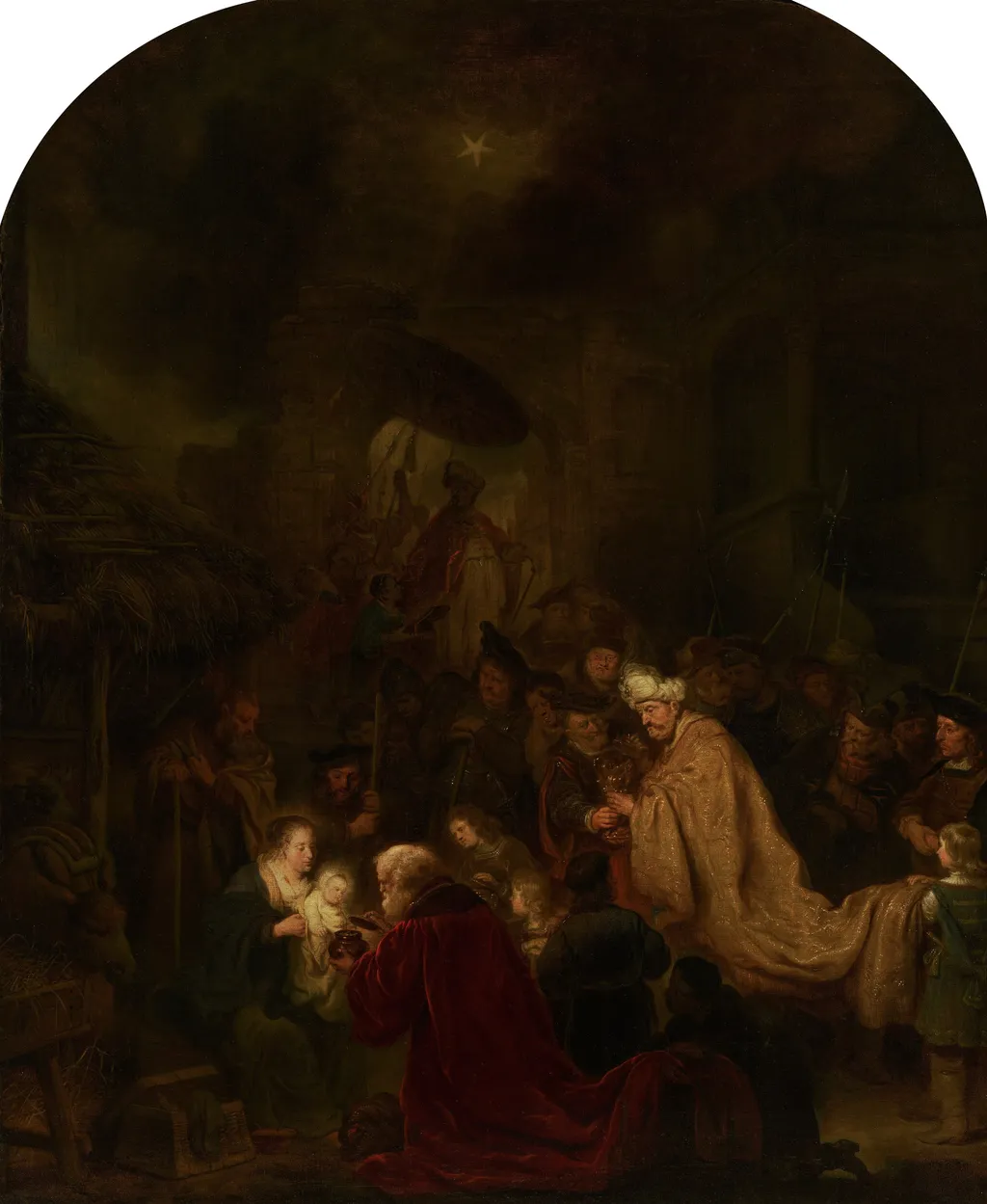
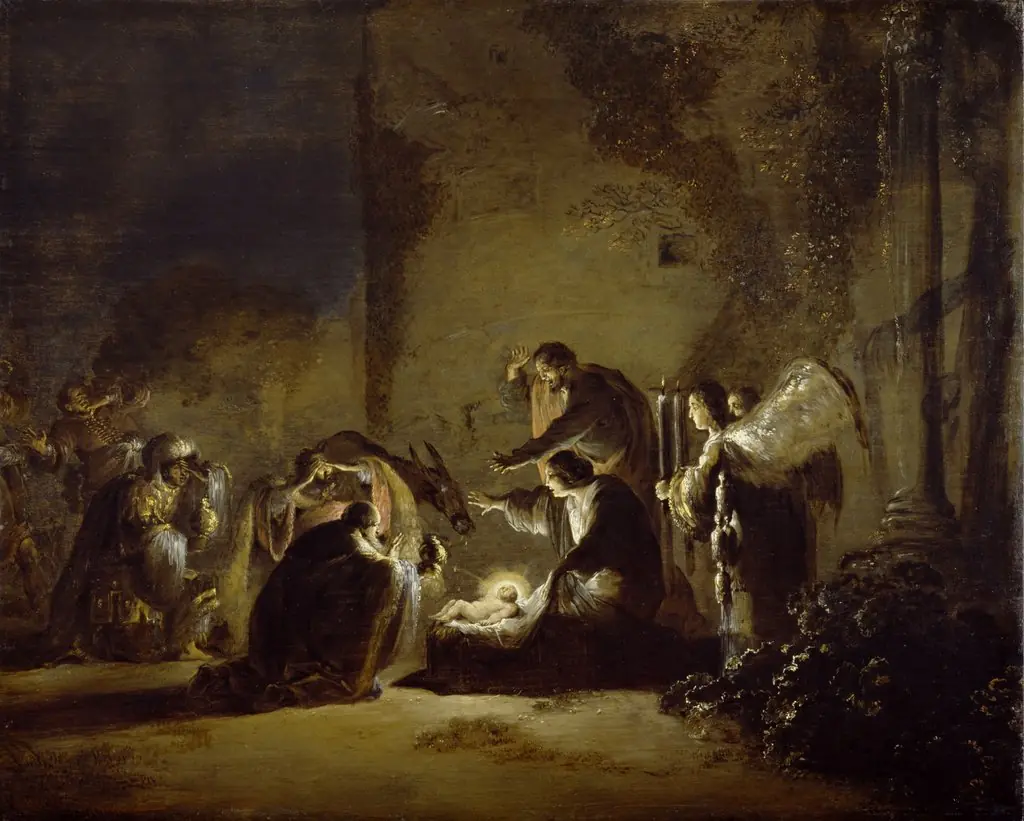
The Adoration of the Magi is an oil painting by the Dutch Golden Age artist Salomon Koninck. It dates from 1650 and is held in the collection of the Mauritshuis.
About this work
Overview
This mid-seventeenth-century panel painting by Salomon Koninck represents the biblical Adoration of the Magi. Executed in oil, it forms part of the Mauritshuis collection in The Hague. Measuring approximately 60 by 80 centimeters, the work centers on the Nativity scene, where three wise men present gifts to the infant Christ.
Subject & Meaning
The composition depicts the moment when Eastern sages, guided by a star, arrive to honor the newborn Jesus. One kneels in homage, offering a vessel, while others stand in quiet reverence. The scene embodies themes of humility and divine revelation, emphasizing the universal recognition of Christ’s significance across cultures and social ranks.
Technique & Style
Koninck employs a restrained palette of warm earth tones contrasted with cooler shadows, enhancing the work’s spatial depth. Visible brushstrokes lend texture to fabrics and surfaces, while subtle gradations of light and dark—characteristic of chiaroscuro—direct attention toward the central figures. The technique reflects Dutch Golden Age conventions, balancing detail with atmospheric unity.
History & Provenance
Dated around 1645, the painting entered the Mauritshuis collection in the twentieth century. Its earlier ownership remains partially undocumented, though it likely passed through private hands in the Netherlands before acquisition by the museum. Conservation records indicate minor restorations to preserve the original paint layer and panel support.
Context
Created during a period of religious and artistic flourishing in the Dutch Republic, the work reflects both Counter-Reformation influences and local Protestant sensibilities. While Catholic traditions emphasized elaborate Nativity scenes, Koninck’s interpretation maintains a subdued, introspective tone, aligning with the era’s broader shift toward personal devotion over overt ceremonial display.
Legacy
Though not among Koninck’s most frequently reproduced works, this painting exemplifies the artist’s ability to merge narrative clarity with technical precision.
Though not among Koninck’s most frequently reproduced works, this painting exemplifies the artist’s ability to merge narrative clarity with technical precision. It contributes to the study of seventeenth-century Dutch religious art, particularly in how Protestant and Catholic visual traditions intersected. Scholars occasionally reference it in discussions of Nativity iconography within Northern European painting.
Artist & collection
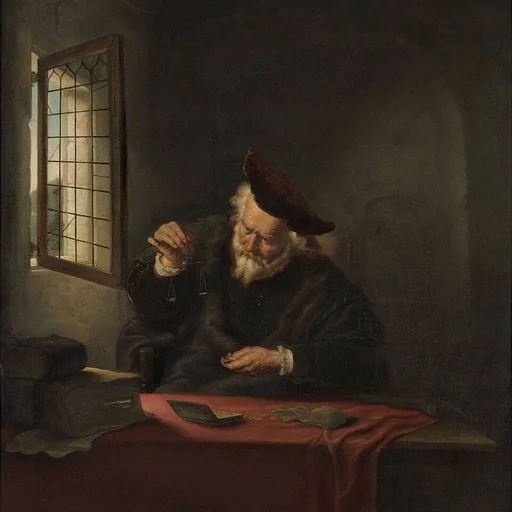
Artist
Salomon (de) Koninck (1609 – buried 8 August 1656) was a Dutch painter of genre scenes and portraits, and an engraver.

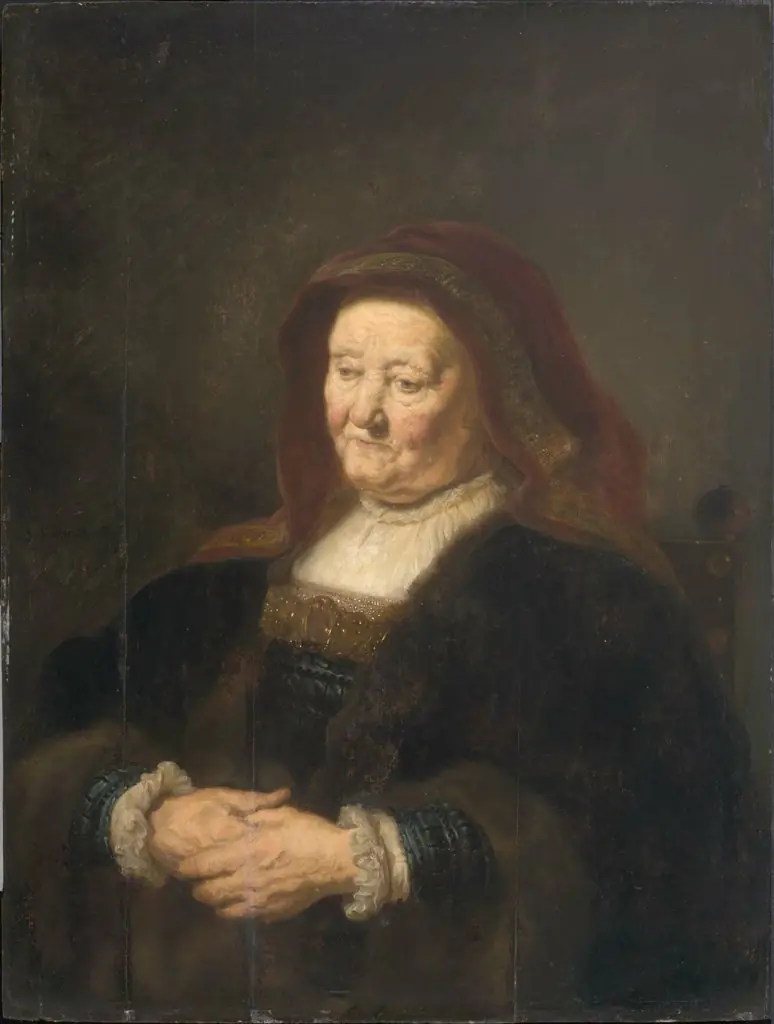
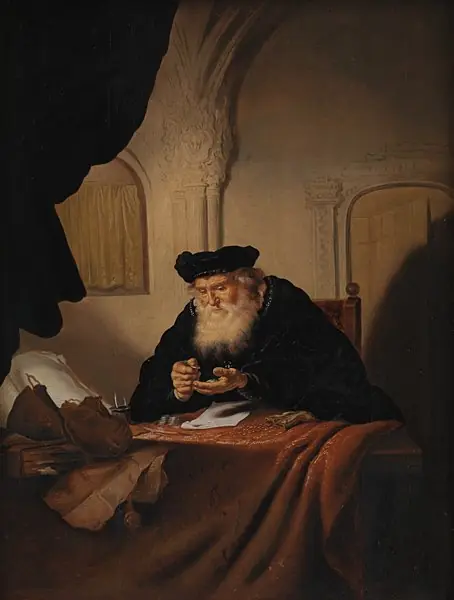
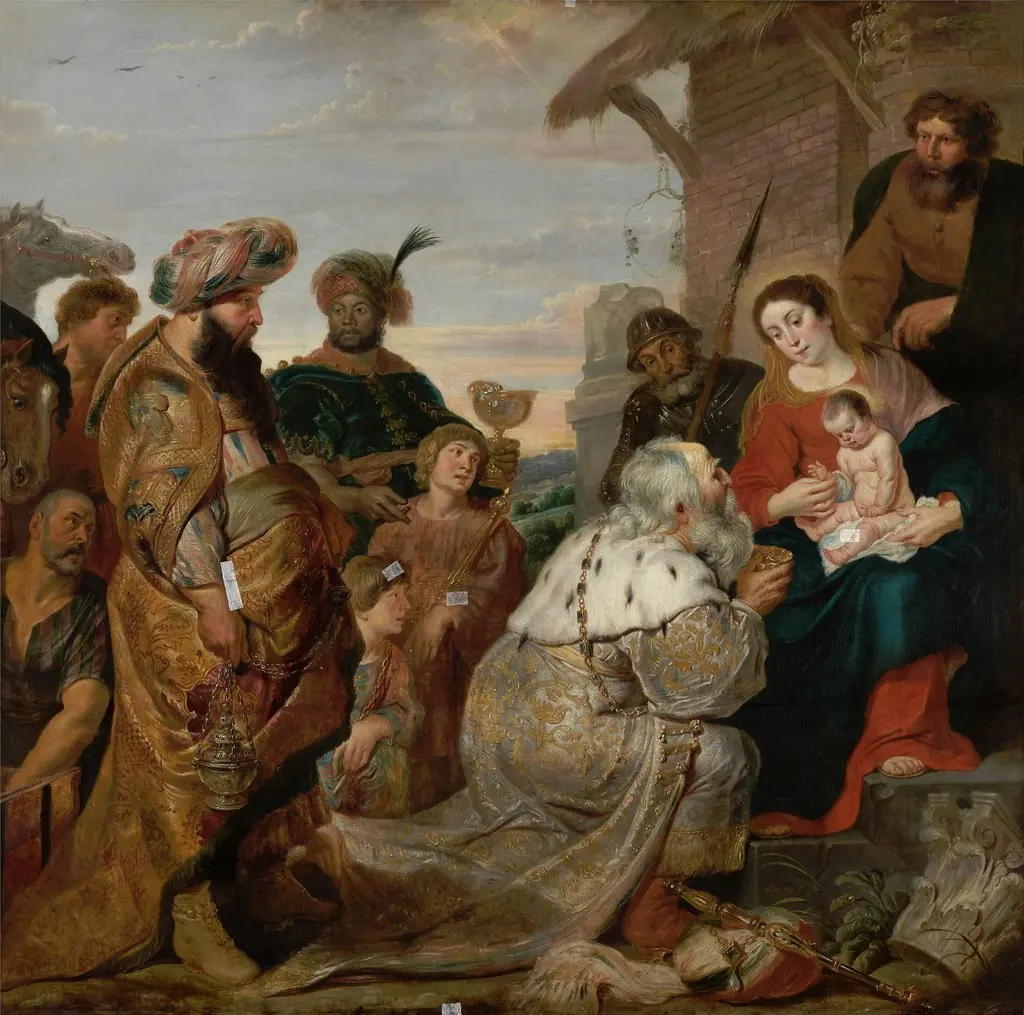 The adoration of the Magi
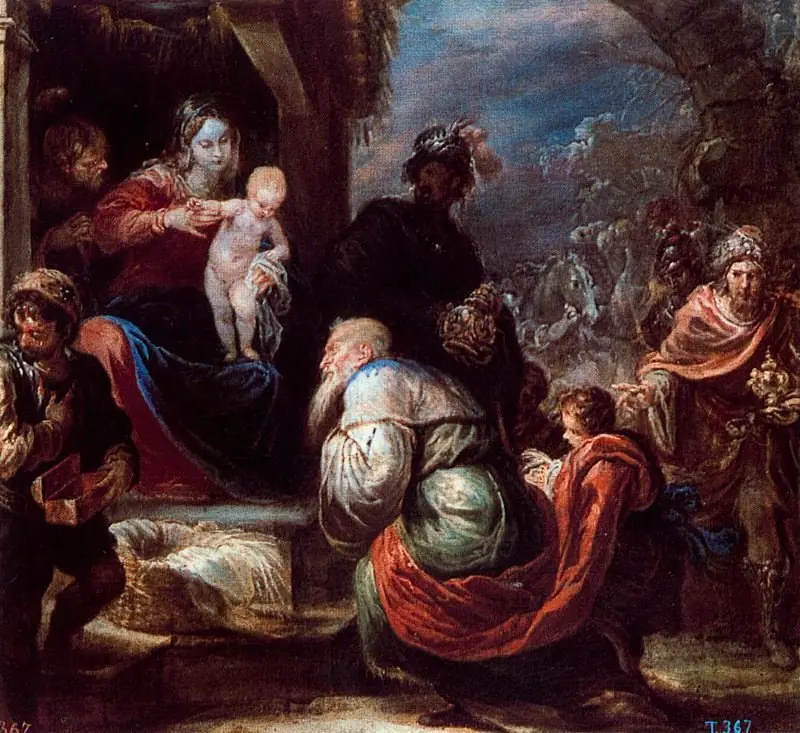 The Adoration of the Magi
 The Adoration of the Magi
 Adoration of the Shepherds
 The Adoration of the Magi
 Adoration of the Magi
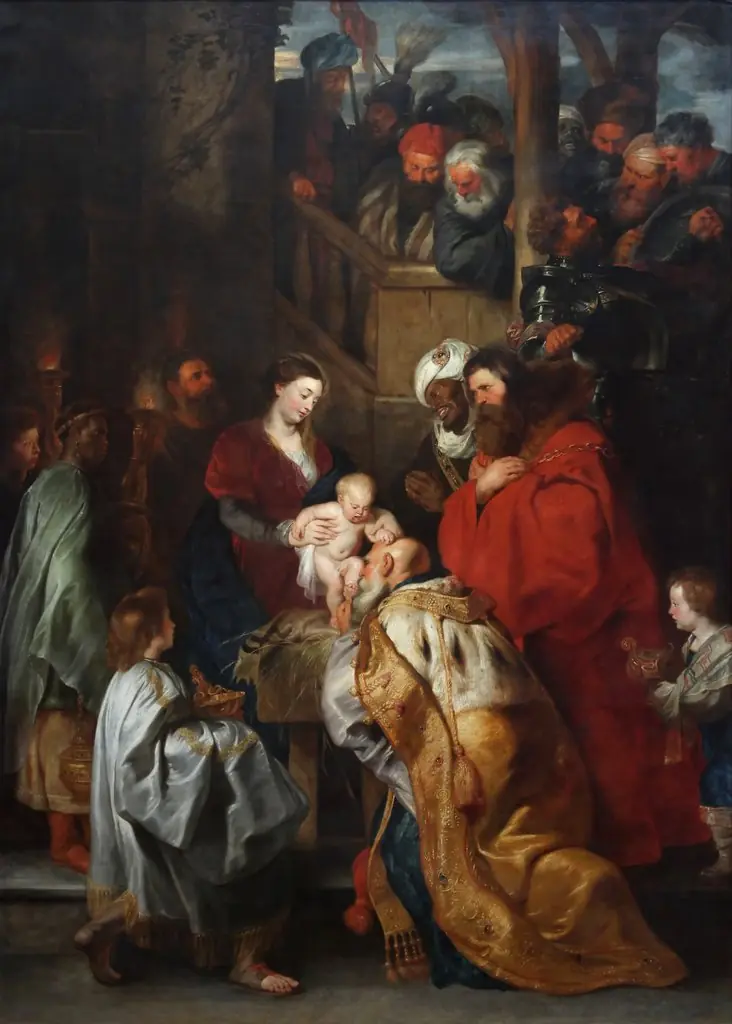 Adoration of the Three Kings
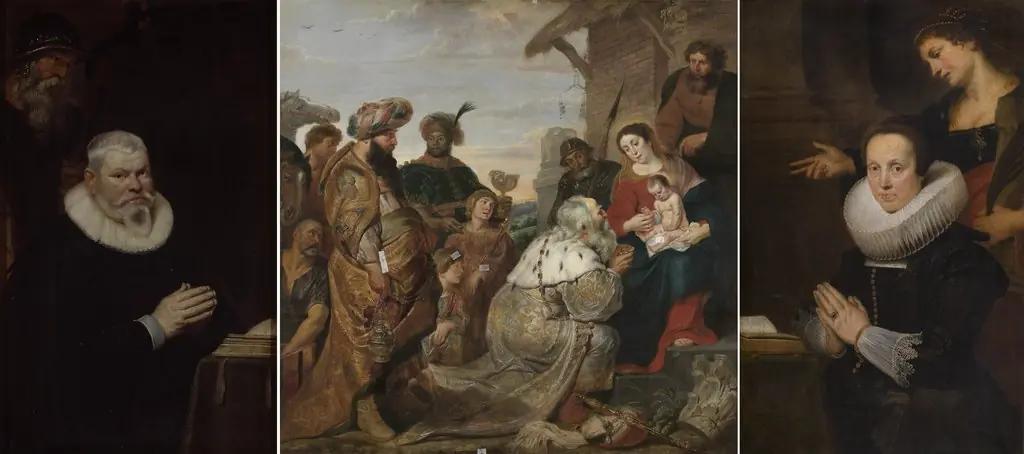 Epitaph of Willem van Meerbeeck and His Wife Barbara Kegeleers
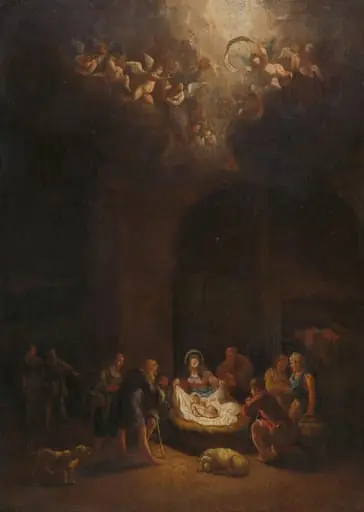 The Adoration of the Shepherds
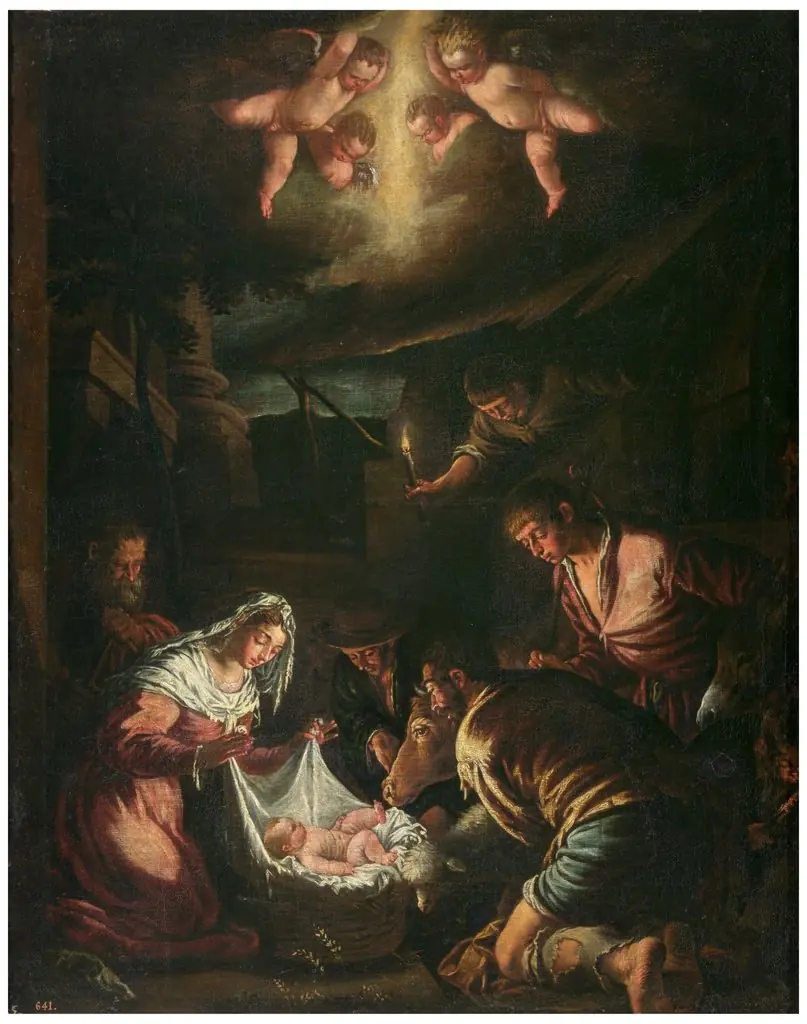 Adoration of the Shepherds
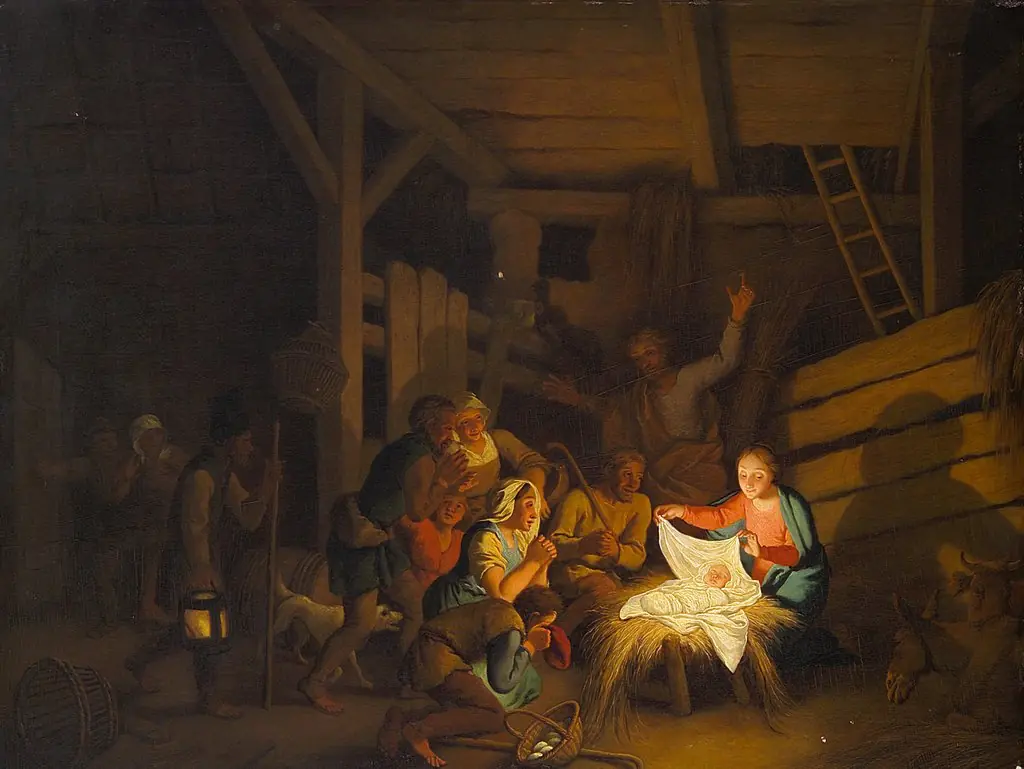 Anbetung der Hirten
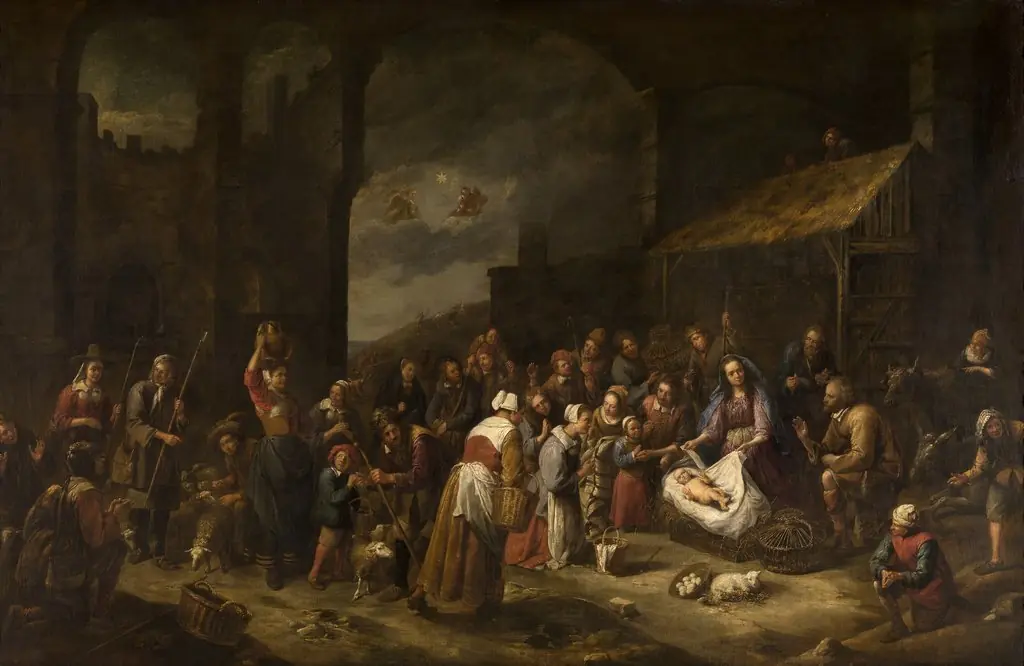 The Adoration of the Shepherds