Artwork
The Tender Desire (Le Tendre désir)
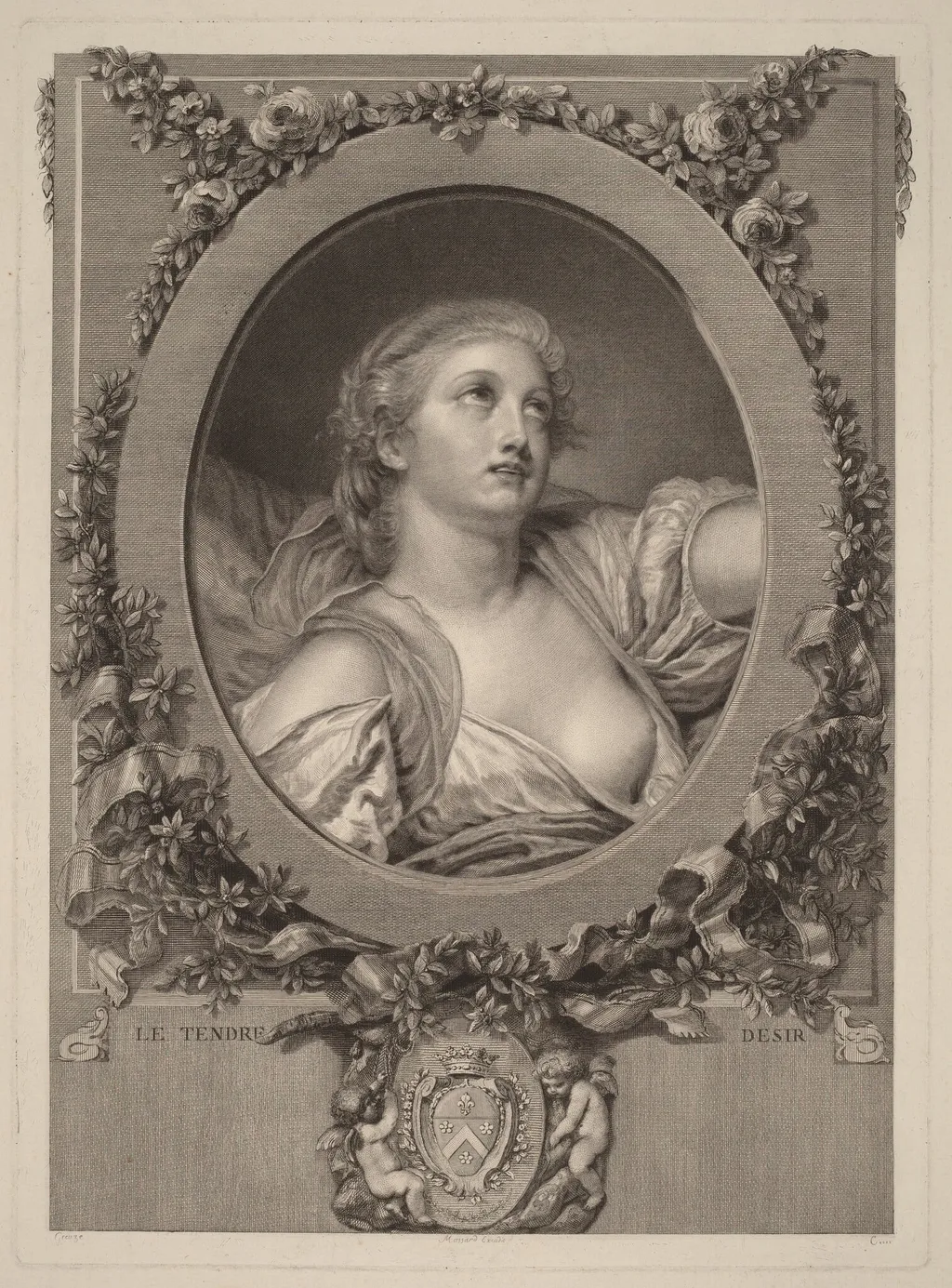
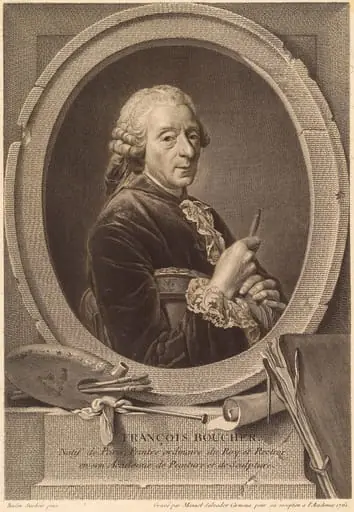
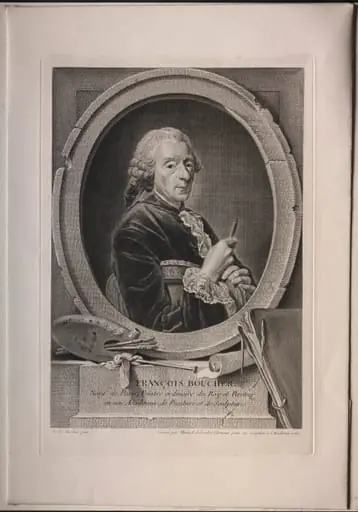
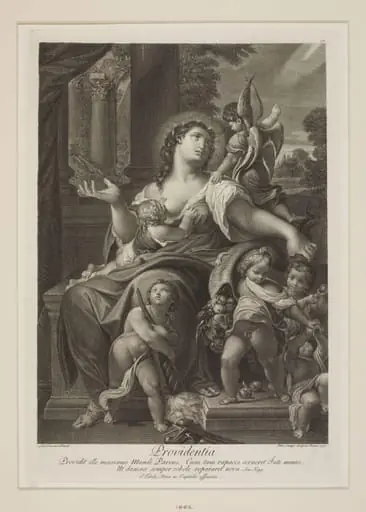
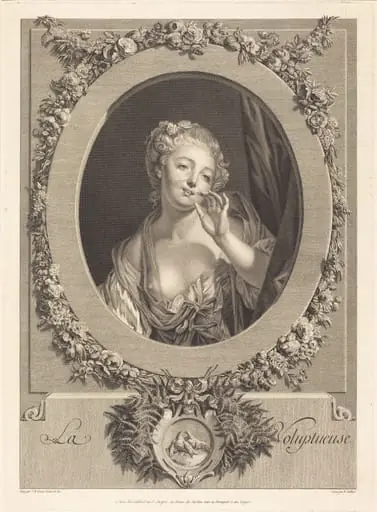
The Tender Desire (Le Tendre désir) is an ink print by the Romanticist artist Manuel Salvador Carmona. It dates from 1761 and is held in the collection of the National Gallery of Art.
About this work
Overview
The piece reflects the refined aesthetic of mid-18th-century European print culture, emphasizing delicate line work and compositional balance.
Created around 1761 by Spanish artist Manuel Salvador Carmona, this print combines etching and engraving on laid paper. Carmona, known for his precision in graphic arts, produced this work during a period when printmaking in Spain was closely tied to illustration and decorative design. The piece reflects the refined aesthetic of mid-18th-century European print culture, emphasizing delicate line work and compositional balance.
Subject & Meaning
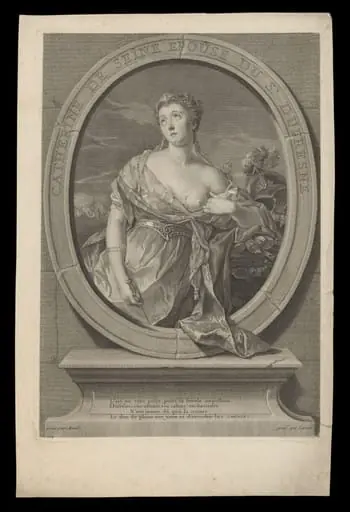
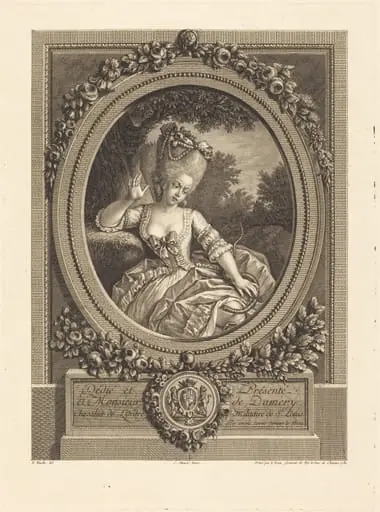
The central figure is a woman with a serene expression, her gaze soft and inward-turned. She holds a small, ambiguous object—possibly a fruit or orb—suggesting themes of contemplation or fleeting desire. The French title, 'Le Tendre Désir,' evokes an emotional tone of gentle longing, consistent with Rococo sensibilities. The absence of narrative context invites interpretation rooted in mood rather than story.
Technique & Style
Carmona employed fine etched lines and controlled engraving to render the woman’s flowing hair and draped garment with subtle gradations of tone. The background is deliberately minimal, directing attention to her face and form. The ornate border, densely filled with scrolling foliage and cherubs, contrasts with the figure’s simplicity, showcasing the artist’s skill in integrating decorative elements without overwhelming the central motif.
History & Provenance
The print emerged from Carmona’s active period in Madrid, where he worked within a family of artists—his brothers José and Juan Antonio were also engaged in visual arts. While specific early ownership records are scarce, the work aligns with prints produced for aristocratic and intellectual circles in Spain and France, where such imagery was valued for its elegance and emotional nuance.
Context
In mid-18th-century Europe, printmaking served both artistic and reproductive functions, often translating paintings into accessible formats. Carmona’s work reflects the influence of French Rococo aesthetics, popular in Spanish courts through cultural exchange. The use of French nomenclature suggests an audience familiar with Parisian artistic trends, even as the artist remained rooted in Spanish traditions of graphic craftsmanship.
Legacy
Carmona’s prints, including this one, contributed to the elevation of engraving as a respected medium in Spain. Though less widely known today than his contemporaries in painting, his technical precision and integration of decorative elements influenced later generations of Spanish illustrators and printmakers, preserving a quiet but significant strand of Enlightenment-era graphic art.
Artist & collection
Artist
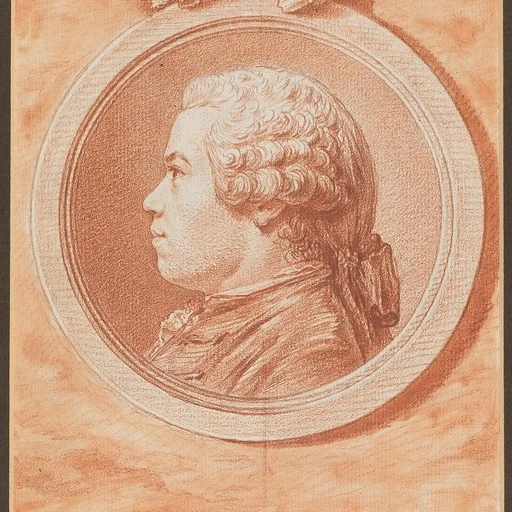
Manuel Salvador Carmona (20 May 1734 – 15 October 1820) was a Spanish engraver, designer and illustrator. Two of his brothers were also artists: José Salvador Carmona, a sculptor, and Juan Antonio Salvador Carmona, also an engraver.