Artwork
The Figurine Series: Figurina
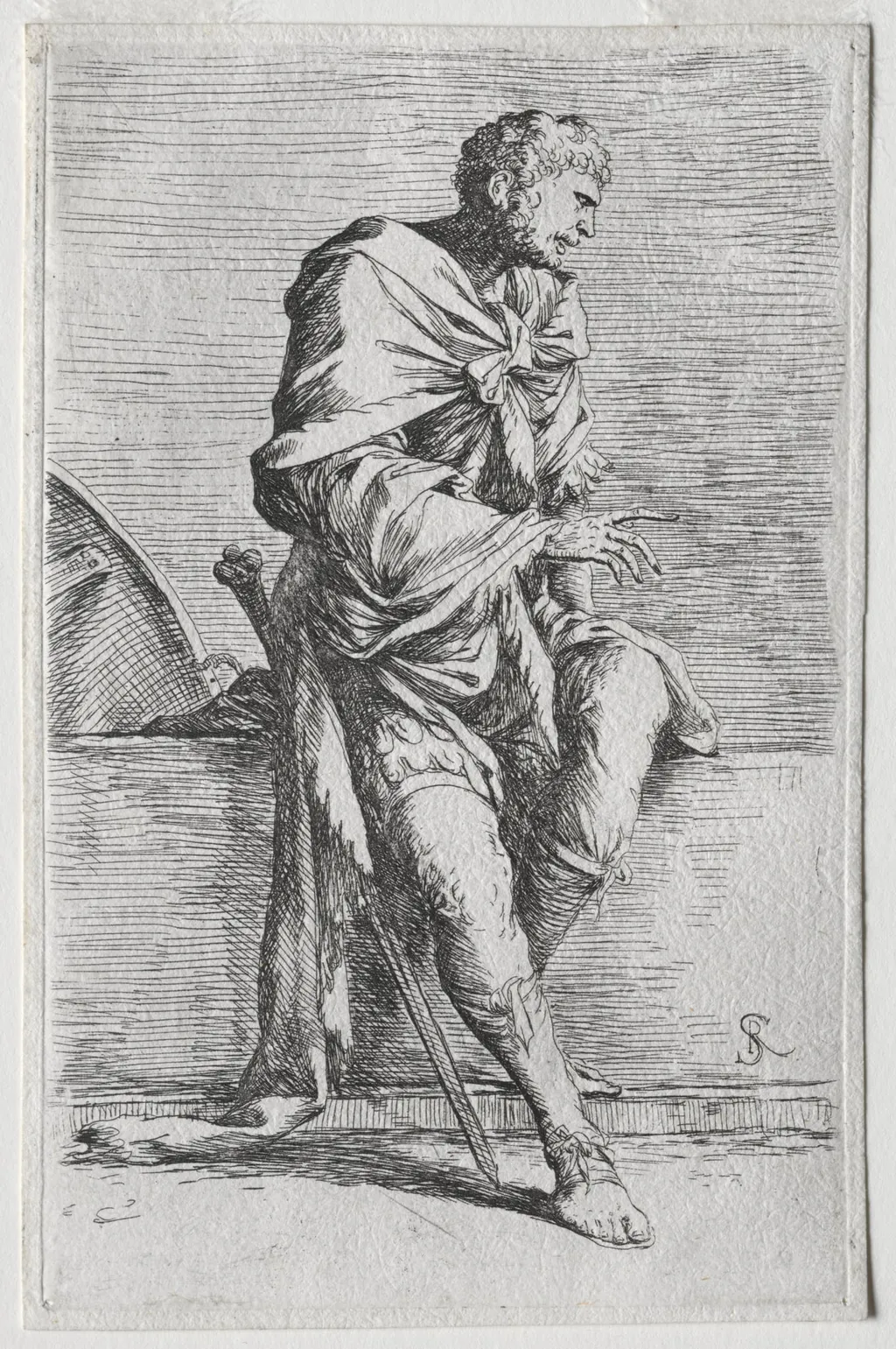
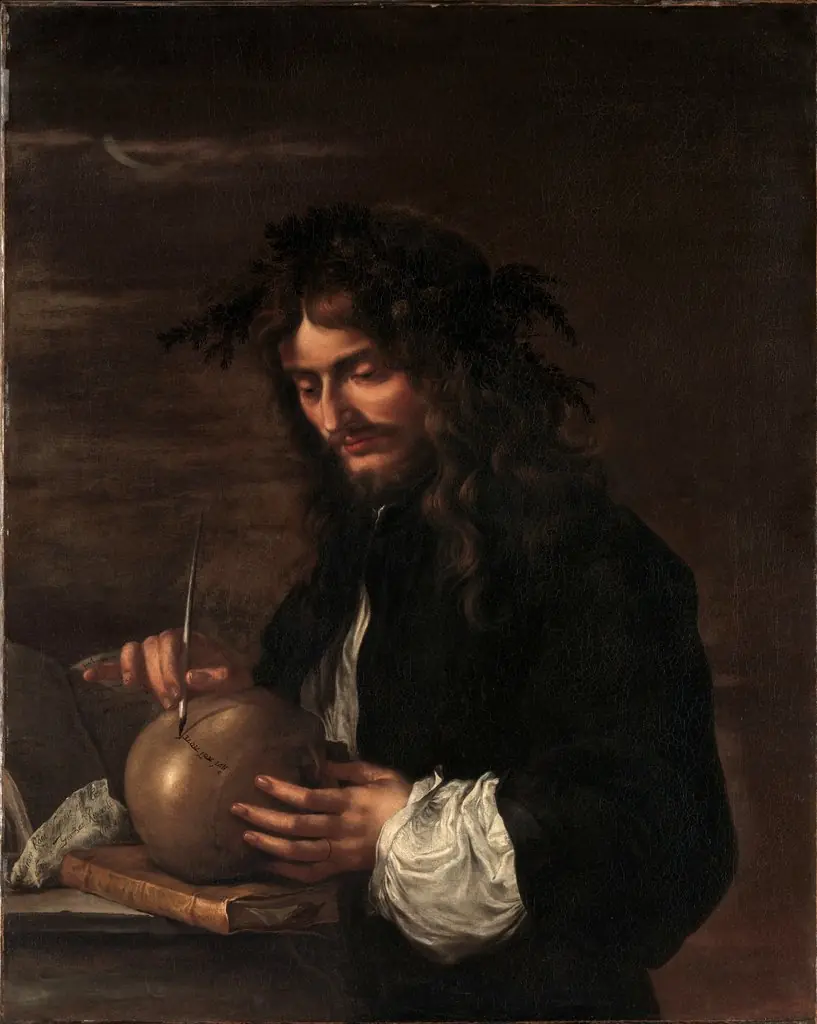
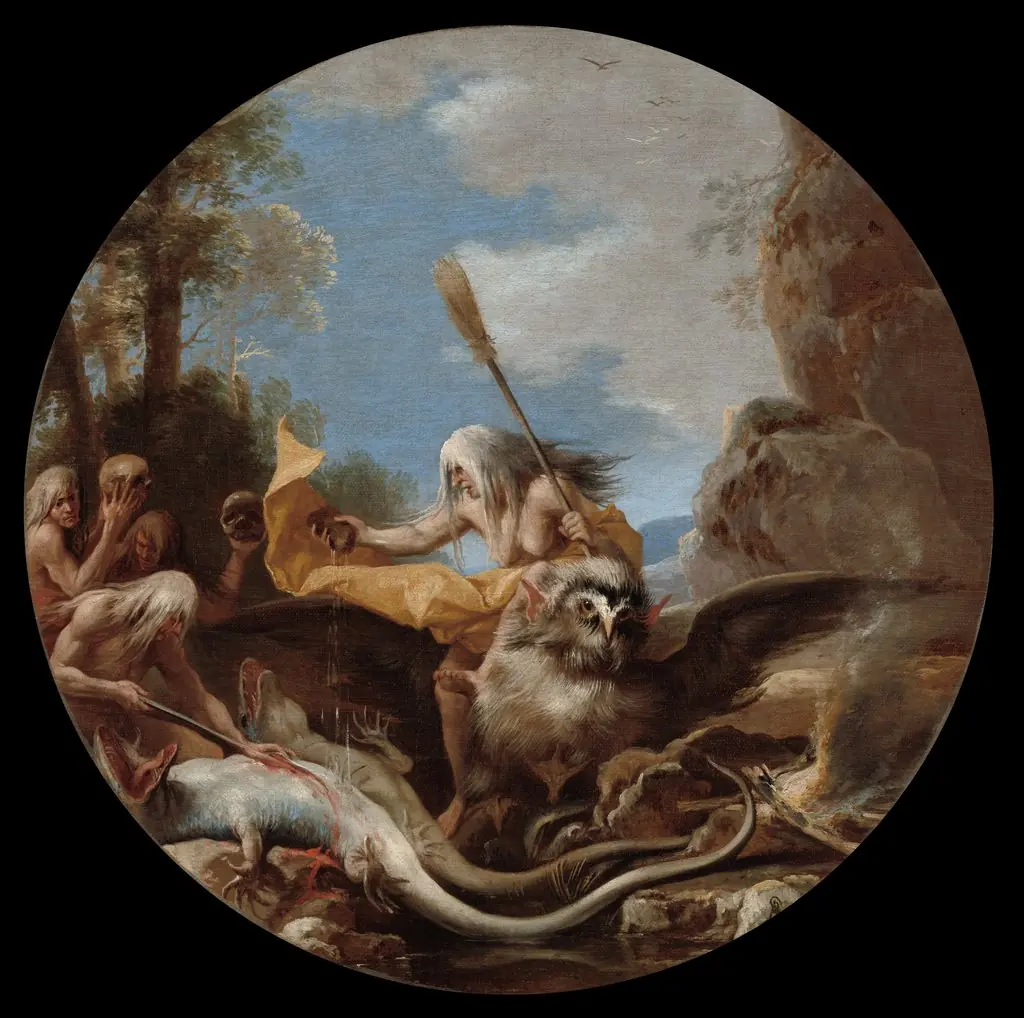
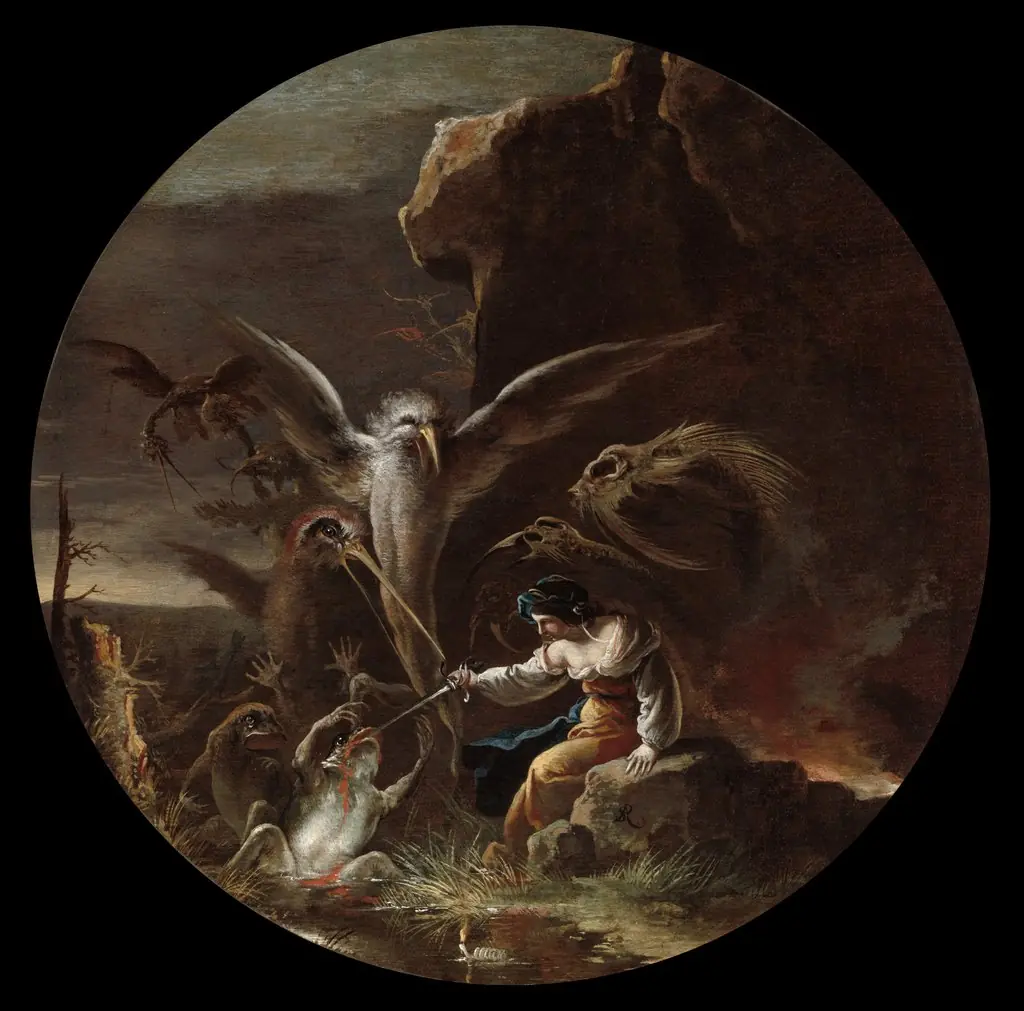
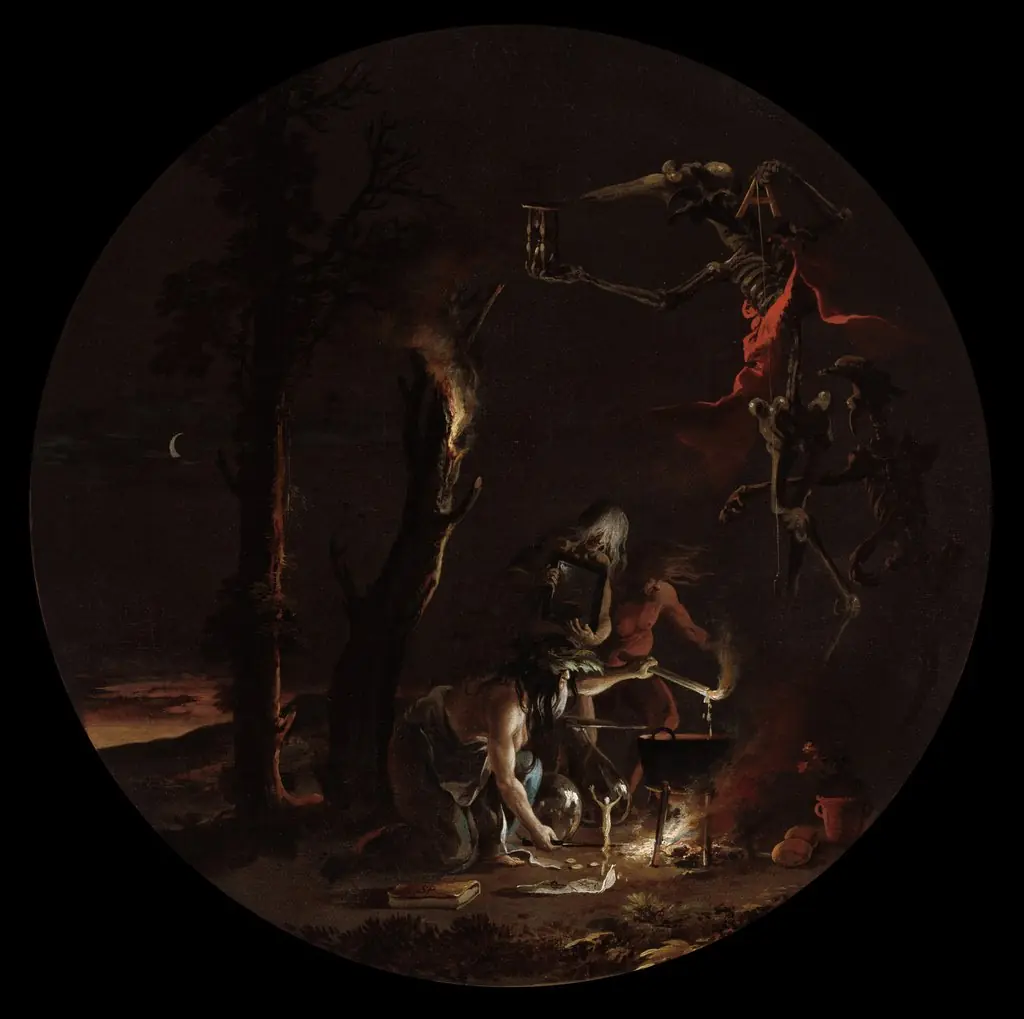
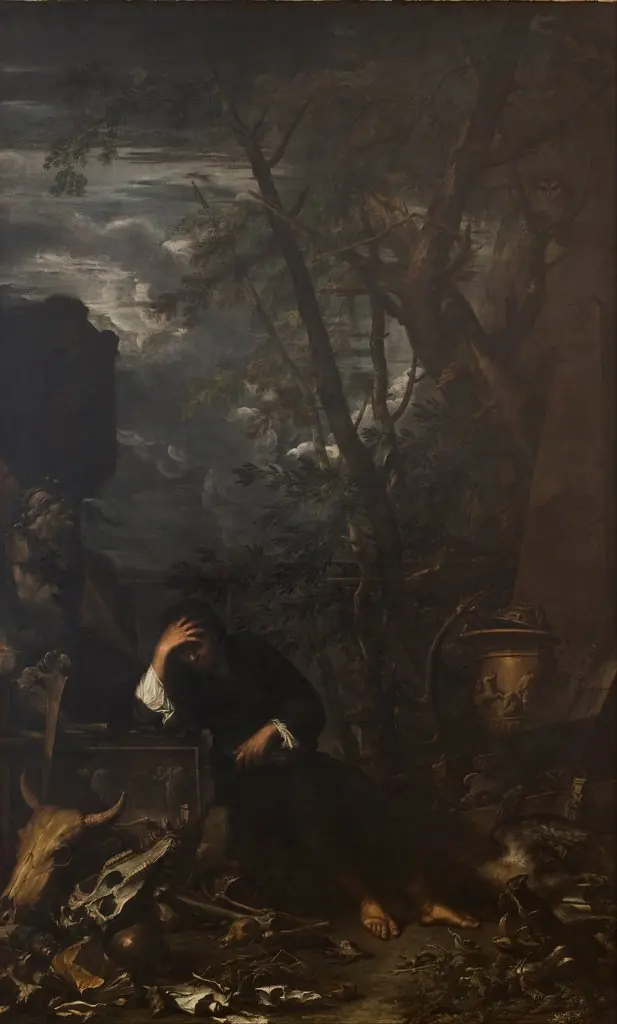
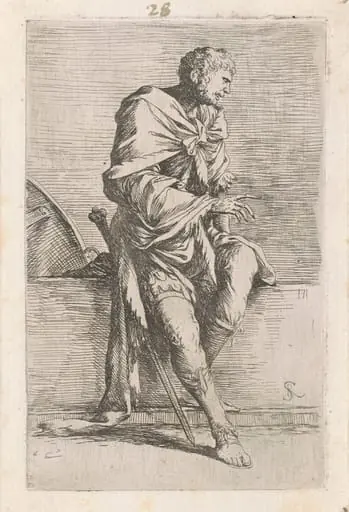
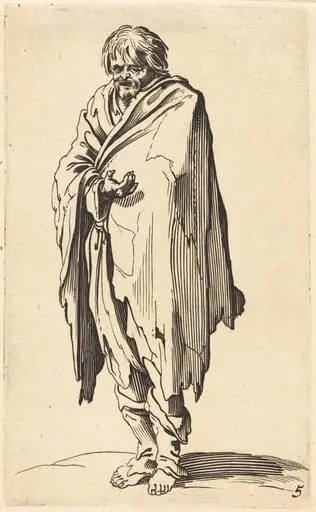
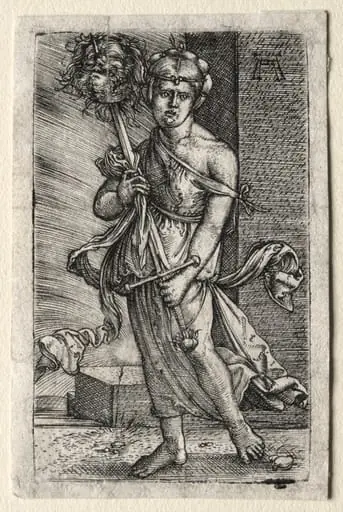
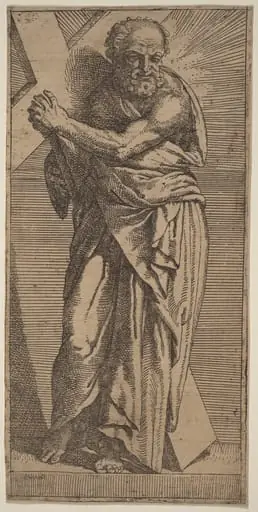
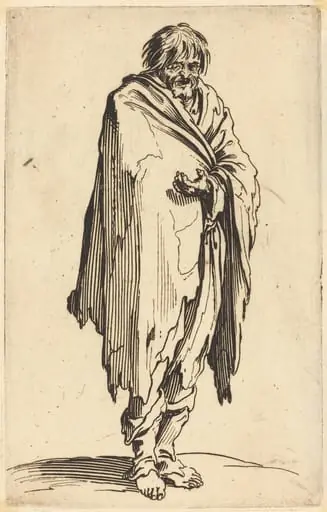
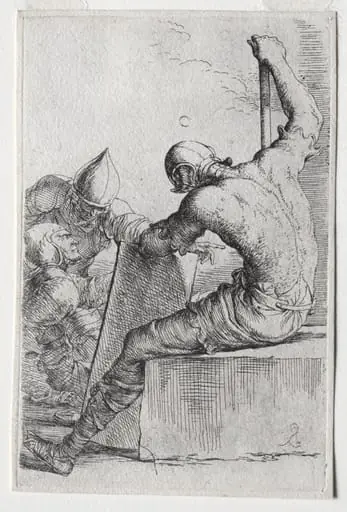
The Figurine Series: Figurina is a print by the Baroque artist Salvator Rosa. It dates from 1656 and is held in the collection of the Cleveland Museum of Art.
About this work
Overview
Though Rosa is best known for his turbulent landscapes, this piece reveals his interest in solitary, introspective subjects.
Created in 1656, *The Figurine Series: Figurina* is a preparatory drawing by Salvator Rosa, part of a small group of works exploring human figures in contemplative states. Though Rosa is best known for his turbulent landscapes, this piece reveals his interest in solitary, introspective subjects. Executed in ink with rapid, expressive lines, it functions as a study rather than a finished composition, reflecting his broader practice of sketching figures for later use in larger works.
Subject & Meaning
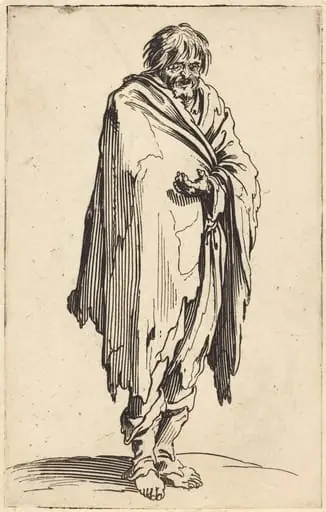
The figure depicts a man in a flowing robe, leaning on a staff with a posture suggesting exhaustion or deep reflection. His turned head and subdued demeanor evoke a sense of inner solitude, common in Rosa’s interest in melancholy and philosophical themes. The absence of narrative context invites interpretation as a symbol of human vulnerability, aligning with the Baroque fascination with emotion and the inner life.
Technique & Style
Rosa employed quick, angular ink strokes to suggest fabric folds and the figure’s weary form, using dense crosshatching to imply texture in the background. The sketchlike quality reveals his working method—capturing gesture and mood over detail. This approach was typical of preparatory studies, emphasizing spontaneity and expressive line over polish, and demonstrates his skill in conveying psychological depth through minimal means.
History & Provenance
The drawing entered the Cleveland Museum of Art’s collection as part of its holdings of Renaissance and Baroque prints and drawings. While its exact provenance before the 20th century is not fully documented, it is consistent with Rosa’s known body of graphic work produced during his time in Rome and Naples. Its survival reflects the enduring interest in his drawings among collectors of the period.
Context
In mid-17th-century Italy, artists often produced figure studies to explore form and expression before committing to larger compositions. Rosa’s sketches, including this one, diverged from idealized classical models by embracing raw, emotional realism. His engagement with literary and satirical themes influenced how he portrayed individuals—not as heroes, but as contemplative, flawed beings.
Legacy
Rosa’s drawings, once considered mere preparatory works, are now recognized for their expressive power and insight into his creative process. *Figurina* exemplifies how his sketches contributed to a broader shift in Baroque art toward psychological nuance. Today, they offer a window into the artist’s private reflections, distinct from the grand narratives of his painted works.
Artist & collection
Artist
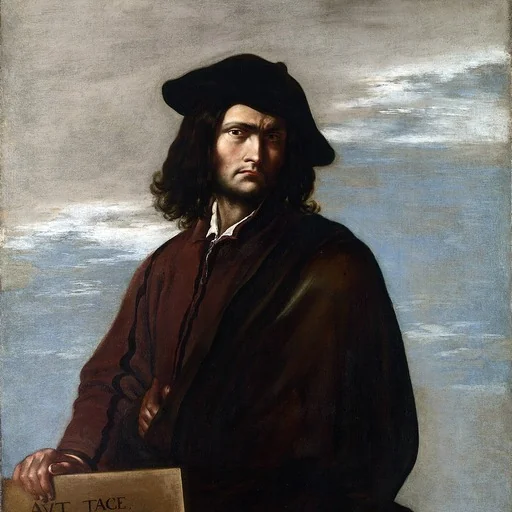
Salvator Rosa (1615 – 15 March 1673) is best known today as an Italian Baroque painter, whose romanticised landscapes and history paintings, often set in dark and untamed nature, exerted considerable influence from the 17th century into…