Artwork
Shimla. The Mall near Rabq Lodge
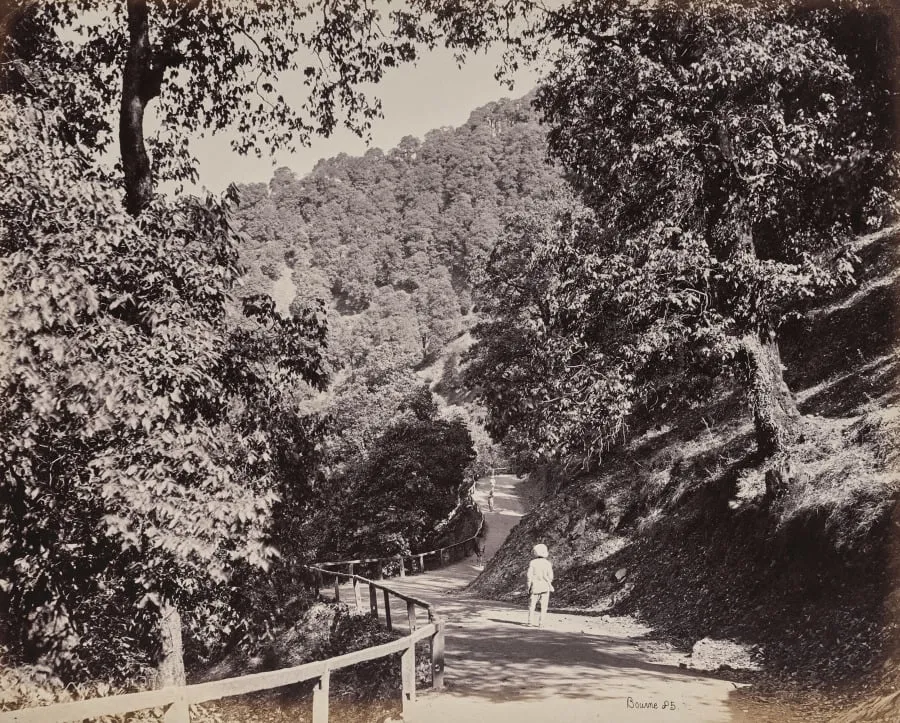
Shimla. The Mall near Rabq Lodge is a photography by the Impressionist artist Samuel Bourne. It dates from 1866 and is held in the collection of the Cleveland Museum of Art. This photograph, titled “Shimla.
About this work
You see a quiet street in Shimla, India, lined with British-style buildings and a few people walking under tall trees.
You see a quiet street in Shimla, India, lined with British-style buildings and a few people walking under tall trees.
This painting is actually a photograph—one of the first taken in the Himalayas. Bourne lugged heavy cameras up steep trails to capture places most Europeans had never seen. The soft light and careful framing make the scene feel still, like a moment frozen in time.
If you like this, look up more work by Samuel Bourne (British, 1834–1912).
Overview
This photograph, titled “Shimla. The Mall near Rabq Lodge,” dates from the 1860s and depicts a tranquil street in the hill station of Shimla, India. Lined with colonial‑style buildings and shaded by tall trees, the image captures a few pedestrians moving through a scene that reflects the British presence in the region during the mid‑nineteenth century.
Subject & Meaning
The composition presents a typical colonial promenade, illustrating how British architectural forms were imposed on the Himalayan landscape. The quiet atmosphere, emphasized by the soft daylight and minimal activity, conveys a sense of order and leisure associated with the summer capital of the British Raj, offering insight into the social environment of expatriate officials and their families.
Technique & Style
Taken by photographer Samuel Bourne, the image is an early example of large‑format wet‑collodion photography in the Himalayas. Bourne’s heavy equipment required transport over steep terrain, yet the resulting negative displays fine tonal gradations and careful framing, lending the scene a still, almost painterly quality that emphasizes depth and architectural detail.
History & Provenance
The photograph is part of a series of fifty images Bourne produced while traveling across northern India and the Himalayas in the 1860s. These prints were originally distributed as albumen prints and later compiled into collections documenting major monuments and urban settings before extensive twentieth‑century restoration work.
Context
During the period of its creation, Shimla served as the summer headquarters of the British administration, prompting the construction of European‑style edifices such as the Rabq Lodge. Bourne’s work provides a visual record of this colonial urban planning, juxtaposing Western architectural motifs against the Indian topography.
Artist & collection

Artist
Samuel Bourne was a British photographer known for his prolific seven years' work in India, from 1863 to 1870.

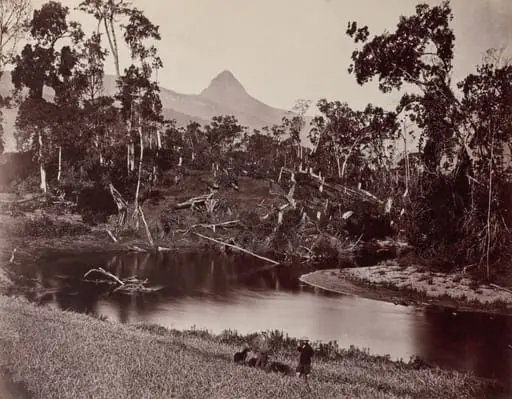 Ceylon Views to Adam's Tooth
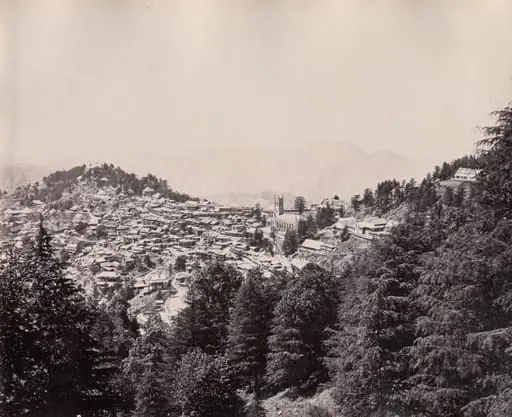 Shimla
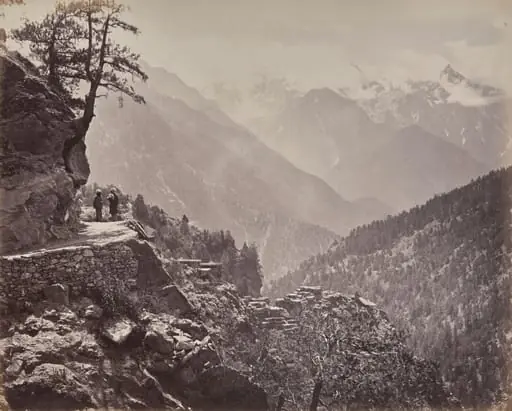 The Upper Himmalayahs. View on the New Road between India and China. Mt. Pangi with the Snowy Peaks of China in the Distance
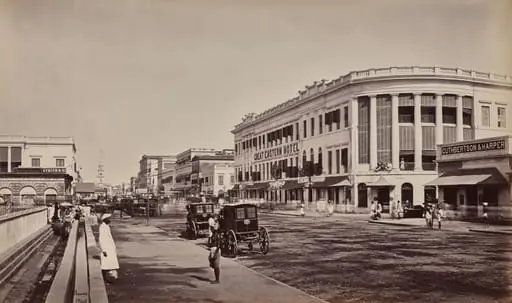 Calcutta. Old Court House Street
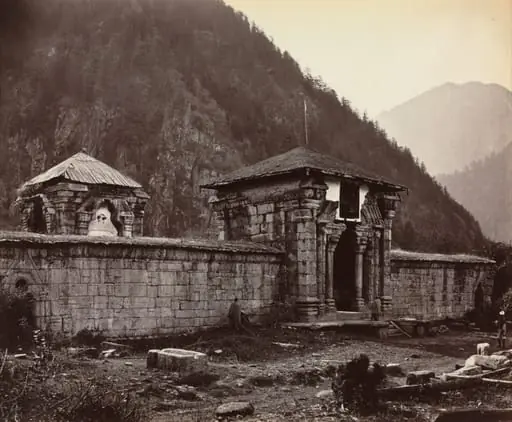 Temple at Naveshera, Kashmir, India
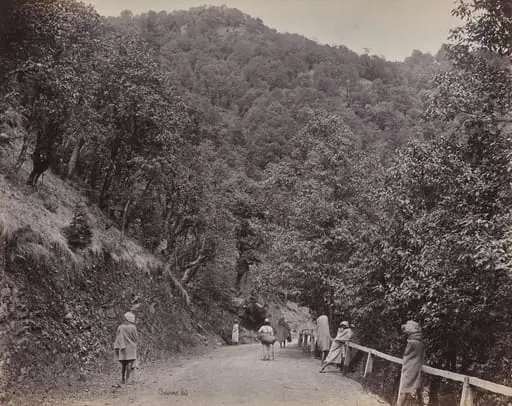 Shimla. The Mall or Principal
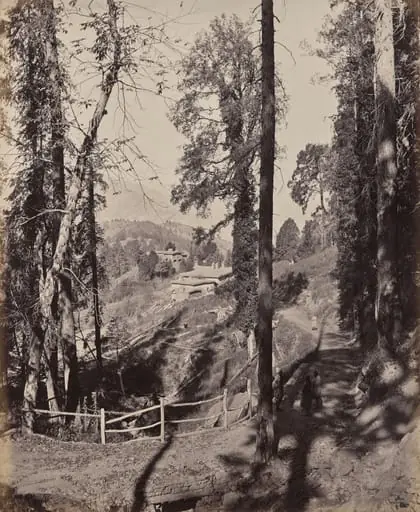 Murree. A Hill Station in the Himmalayahs, View Through the Forest
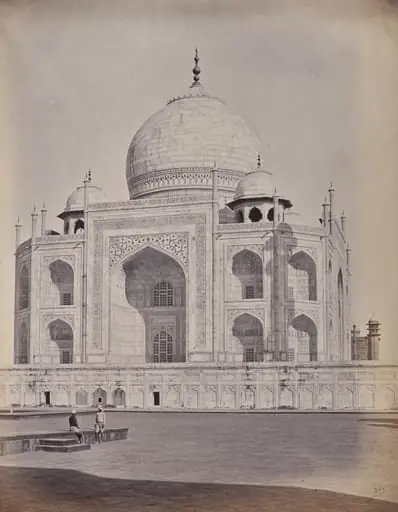 Agra. The Taj, the Central of Principal City
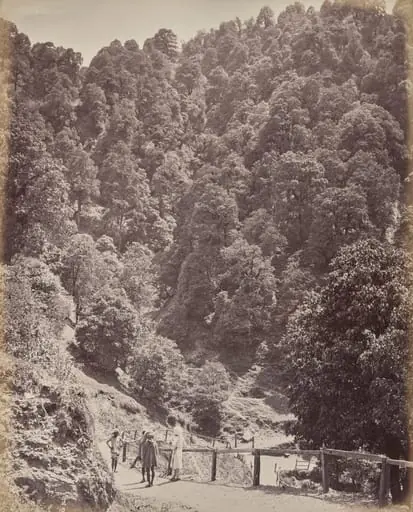 Shimla. View North of Mount Jakko
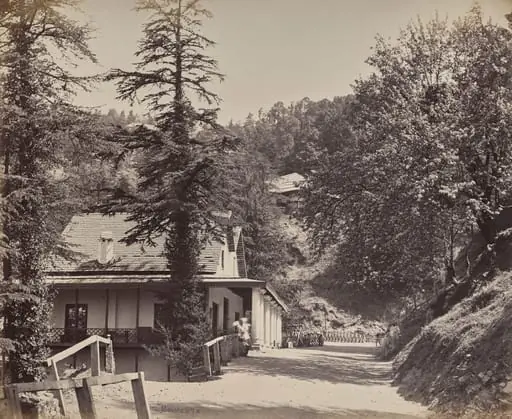 Simla. The Mall near Combermere Bridge
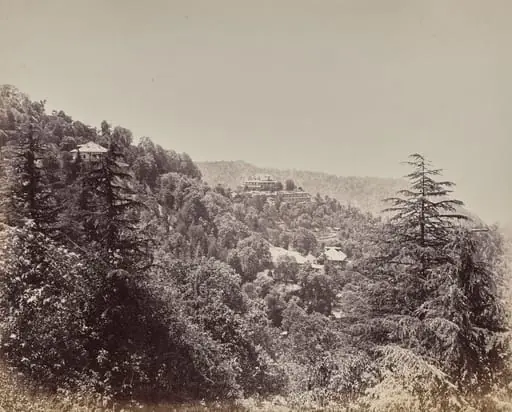 Shimla. The Yarrows and Neighboring Hills
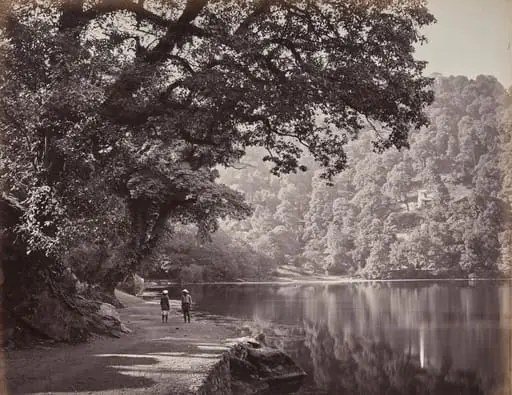 Hyree Lake. South End of the Lake
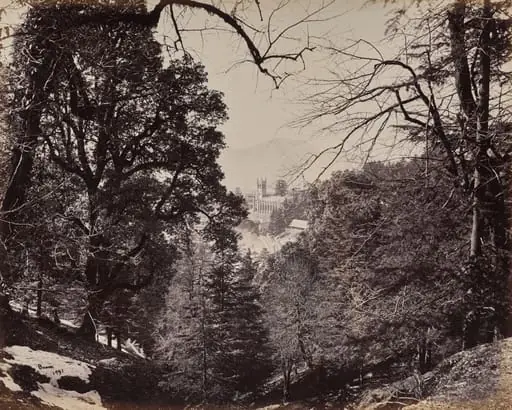 Shimla. The Church Through the Trees, from Jakko
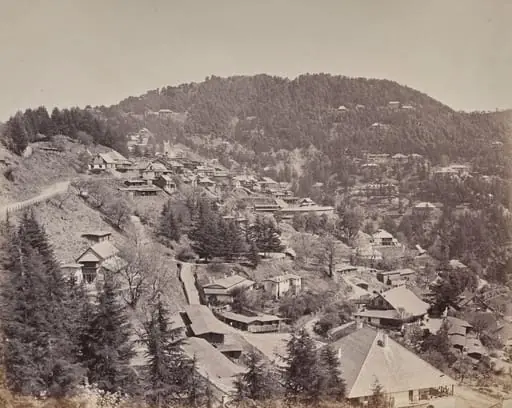 Shimla. Houses of European Residents, Looking East
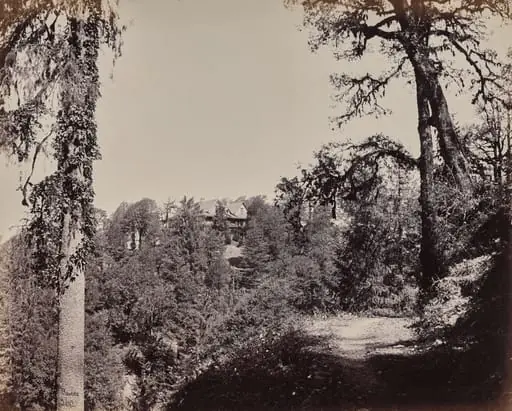 Shimla. Sir Hugh Rose's Bungalow at Mahasso
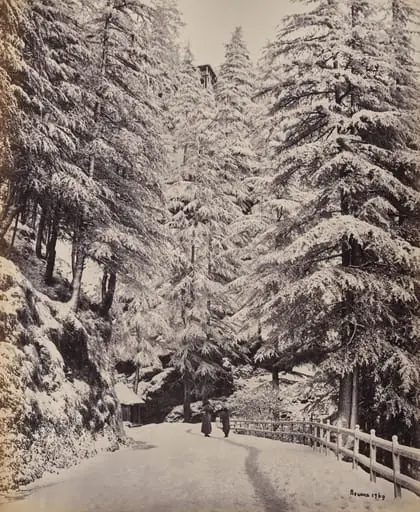 Shimla. View on the Mall in Winter
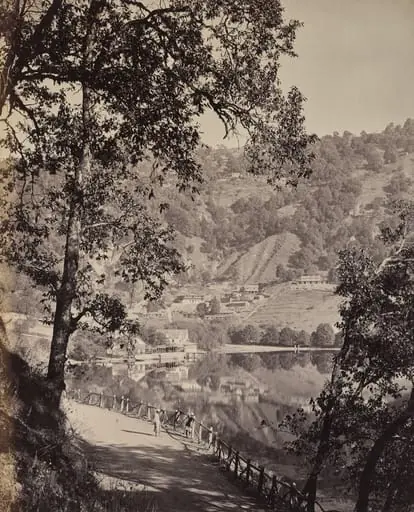 Hyree Lake. Hill Station in the Himmalayahs. View of the Taj Lake with Assembly Rooms, Lhutse