Artwork
Ceylon Views to Adam's Tooth
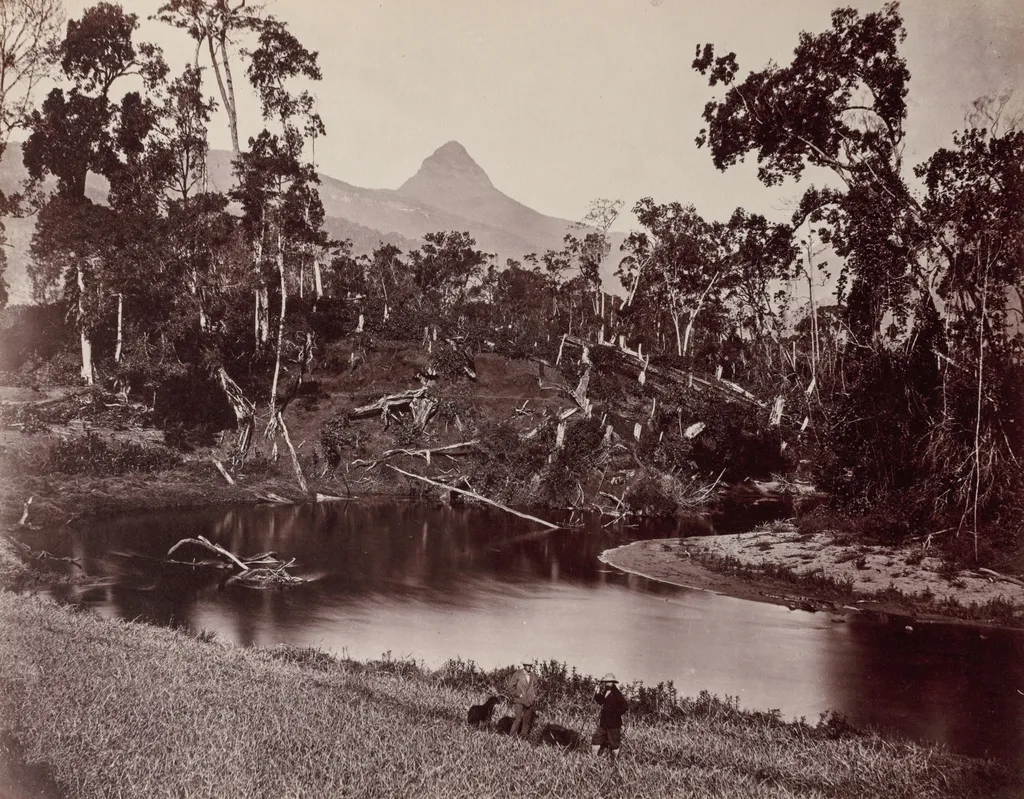
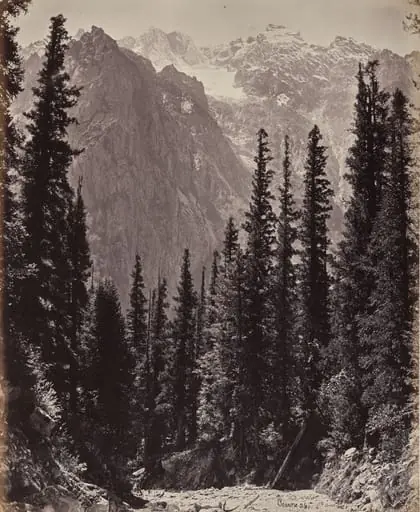
Ceylon Views to Adam's Tooth is a photography by the Impressionist artist Samuel Bourne. It dates from 1884 and is held in the collection of the Cleveland Museum of Art.
About this work
Overview
The image is part of a broader series documenting the island’s natural scenery during Bourne’s travels.
Ceylon Views to Adam's Tooth is a photographic work by Samuel Bourne, dated around 1884. It captures a tranquil landscape in what was then British Ceylon, now Sri Lanka. The image is part of a broader series documenting the island’s natural scenery during Bourne’s travels. Held in the collection of The Cleveland Museum of Art, it reflects the 19th-century practice of using photography to record distant and exotic locales for European audiences.
Subject & Meaning
The photograph depicts a quiet forested shoreline with a still lake reflecting the surrounding trees. A solitary figure, possibly the photographer or an assistant, stands near the water’s edge, holding a camera. The distant peak of Adam’s Peak rises above the canopy, subtly anchoring the scene in its geographical and cultural context. The composition suggests contemplation, emphasizing solitude and the quiet grandeur of the natural world.
Technique & Style
Bourne employed large-format film and careful exposure to achieve sharp detail and nuanced tonal gradations. The soft, diffused light enhances the atmospheric depth, with delicate shadows defining the texture of bark and water. The image avoids dramatic contrasts, favoring a subdued palette that reinforces its meditative tone. This technical precision reflects the high standards of 19th-century landscape photography and the artist’s commitment to fidelity in representation.
History & Provenance
Samuel Bourne traveled extensively across India and Ceylon in the 1860s and 1870s, producing a significant body of photographic work. This image was likely made during a later visit in the early 1880s. The photograph entered the collection of The Cleveland Museum of Art through documented acquisition, part of a broader effort to preserve early photographic records of South Asia. Its provenance aligns with institutional interests in colonial-era visual documentation.
Context
During the 1880s, photography in British colonies served both scientific and aesthetic purposes. Bourne’s images contributed to a growing visual archive of Ceylon’s topography, often used to support colonial administration and tourism. His work was part of a wider trend among European photographers who sought to document landscapes as both natural wonders and imperial subjects, blending observation with cultural interpretation.
Legacy
Bourne’s photographs of Ceylon remain valuable for their technical quality and historical insight. They offer a window into how colonial-era travelers perceived and recorded unfamiliar environments. While not overtly political, these images subtly reflect the era’s attitudes toward nature and place. Today, they are studied as artifacts of photographic practice and colonial visual culture, rather than as romanticized depictions.
Artist & collection

Artist
Samuel Bourne was a British photographer known for his prolific seven years' work in India, from 1863 to 1870.

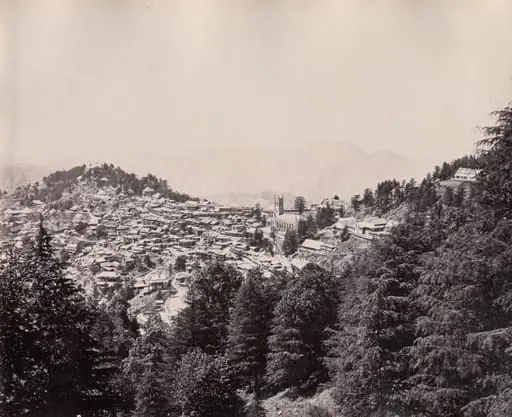 Shimla
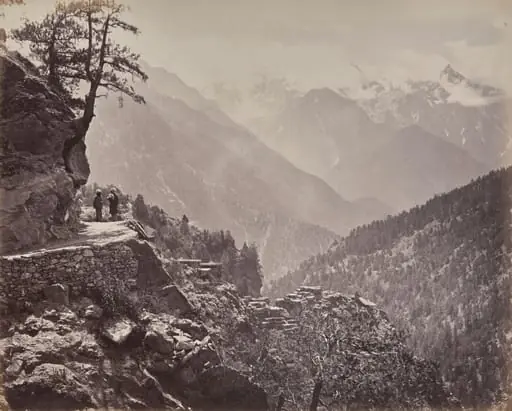 The Upper Himmalayahs. View on the New Road between India and China. Mt. Pangi with the Snowy Peaks of China in the Distance
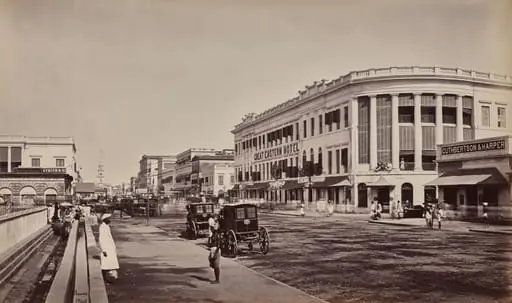 Calcutta. Old Court House Street
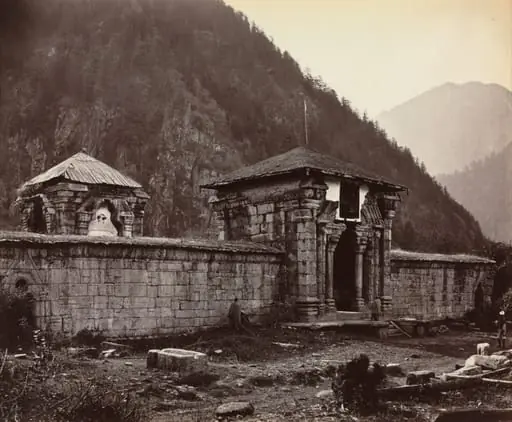 Temple at Naveshera, Kashmir, India
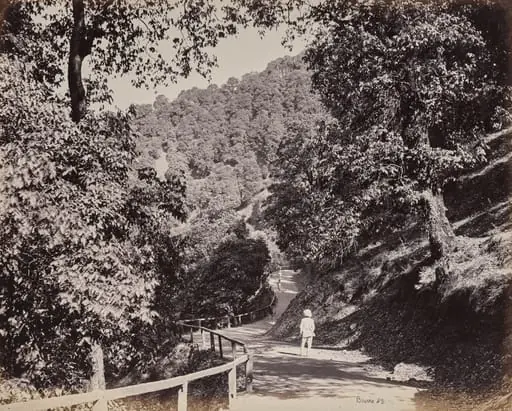 Shimla. The Mall near Rabq Lodge
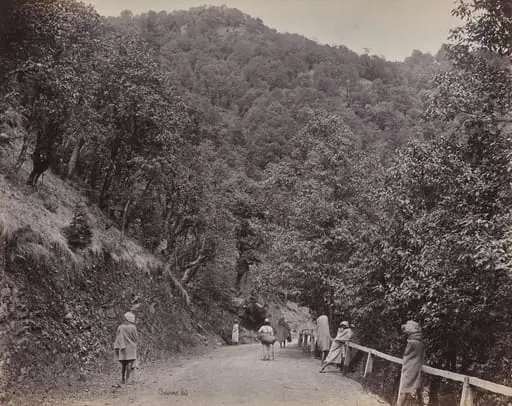 Shimla. The Mall or Principal
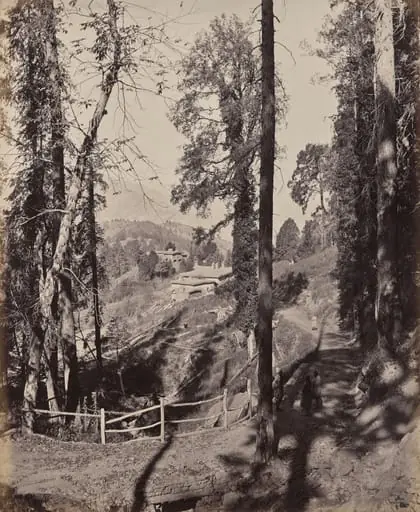 Murree. A Hill Station in the Himmalayahs, View Through the Forest
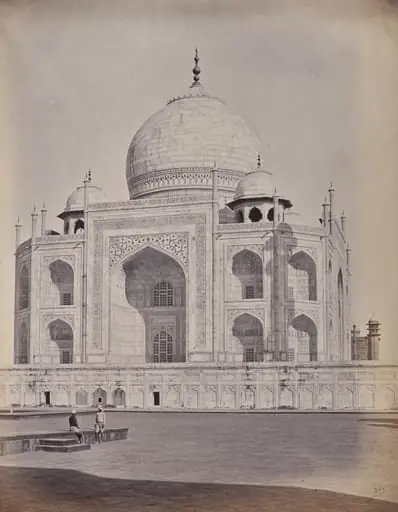 Agra. The Taj, the Central of Principal City
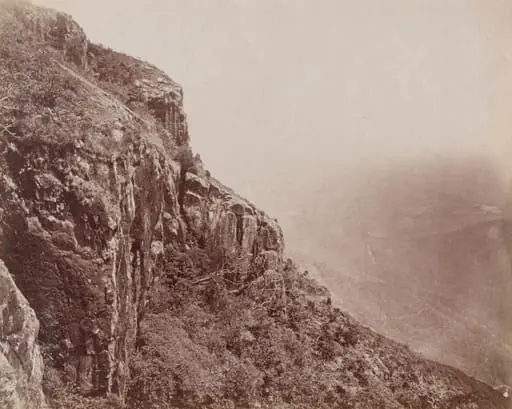 Cliffside, India
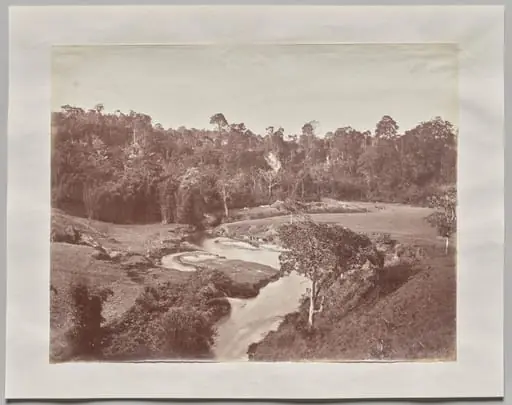 Untitled (River, Hong Kong or Macau, China)
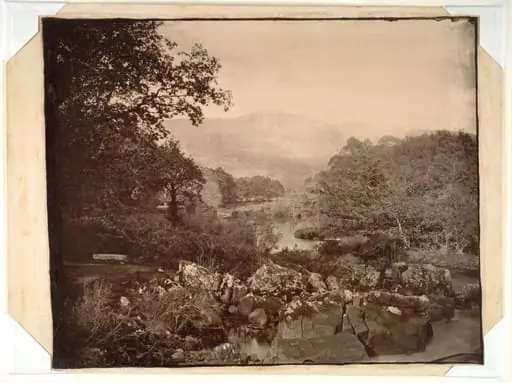 View from the Lawn, Dennicanniby
 Khyber Side of Sarkai Hill
 Shimla. View North of Mount Jakko
 Cascata dos Bulhões (atribuído)
 Landscape with Tree and Three Men, India
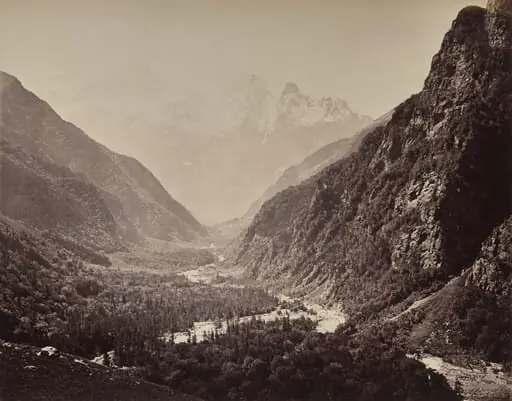 The Upper Himmalayahs. View of Valley from Fallaldasa with Srikanta Peaks in the Distance
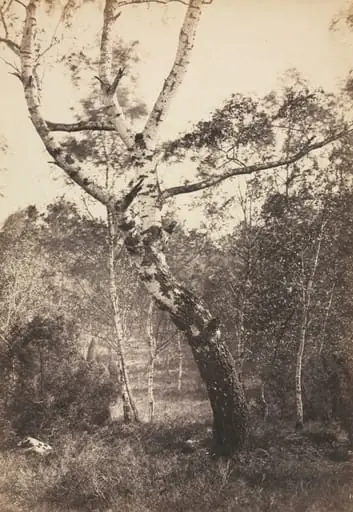 Study of a Birch Tree, Barbizon
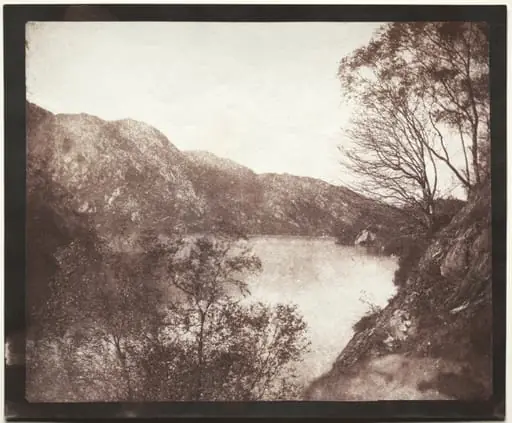 Loch Katrine
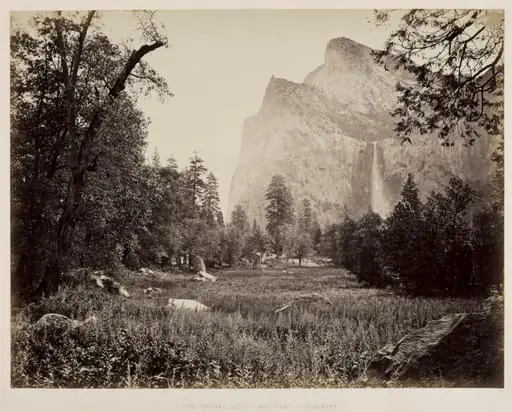 Bridal Veil, Yosemite
 The Upper Himmalayahs. View in the Manga Valley