Artwork
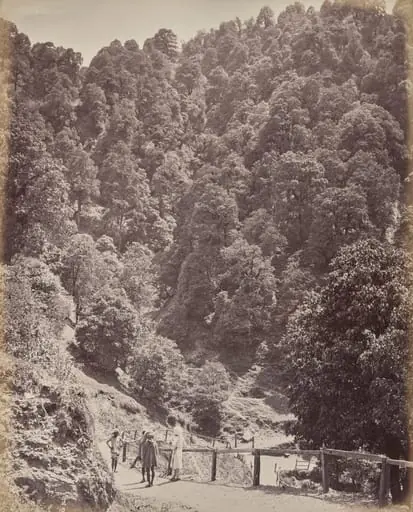
Murree. A Hill Station in the Himmalayahs, View Through the Forest
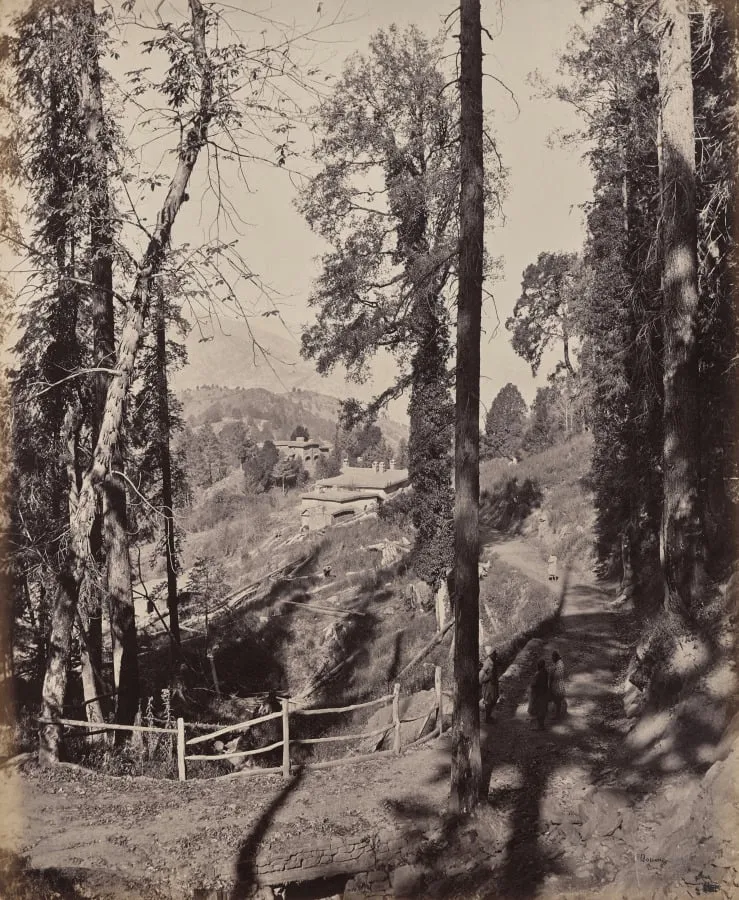
Murree. A Hill Station in the Himmalayahs, View Through the Forest is a photography by the Impressionist artist Samuel Bourne. It dates from 1866 and is held in the collection of the Cleveland Museum of Art. This photograph, taken in the 1860s by Charles Bourne, is one of the earliest visual records of the Himalayan hill station of Murree.
About this work
Overview
This photograph, taken in the 1860s by Charles Bourne, is one of the earliest visual records of the Himalayan hill station of Murree.
This photograph, taken in the 1860s by Charles Bourne, is one of the earliest visual records of the Himalayan hill station of Murree. Part of a larger album of fifty images, it captures a remote forest path during a journey across British India. Bourne carried bulky wooden cameras and fragile glass plates over rugged terrain, making each exposure a logistical challenge. The image preserves a landscape largely untouched by later infrastructure.
Subject & Meaning
The photograph depicts a quiet, winding trail through dense Himalayan forest, with sunlight filtering through the canopy in soft, scattered patterns. There are no human figures or structures, emphasizing the solitude and natural grandeur of the region. The composition suggests a moment of stillness, offering a quiet counterpoint to the bustling urban centers Bourne also documented elsewhere in India.
Technique & Style
Bourne used a large-format wooden camera and glass plate negatives, requiring meticulous setup and long exposure times. The sharp detail in the foliage and the subtle gradations of light reflect the technical precision of early photographic processes. His compositions favor natural framing and atmospheric depth, avoiding overt drama in favor of quiet observation.
History & Provenance
The photograph was taken during Bourne’s extensive travels across British India in the 1860s, alongside his partner Charles Shepherd. The album they produced served both as documentary evidence and commercial product, distributed in Europe and India. Murree, then a retreat for British officials, was rarely photographed before this, making the image a rare early record of the area’s pre-colonial landscape.
Context
In the 1860s, British administrators sought cooler climates in the Himalayas to escape Indian summers, leading to the development of hill stations like Murree. Photography was emerging as a tool for both scientific documentation and imperial record-keeping. Bourne’s images contributed to a growing visual archive of India’s geography, architecture, and cultural sites before widespread modernization.
Legacy
Bourne’s photographs remain important for their fidelity to pre-modern landscapes and architecture. The Murree image, in particular, offers a baseline for understanding how Himalayan environments have changed since the mid-nineteenth century. His work is now studied for its historical value, not as art for its own sake, but as a precise record of a vanishing world.
Artist & collection

Artist
Samuel Bourne was a British photographer known for his prolific seven years' work in India, from 1863 to 1870.

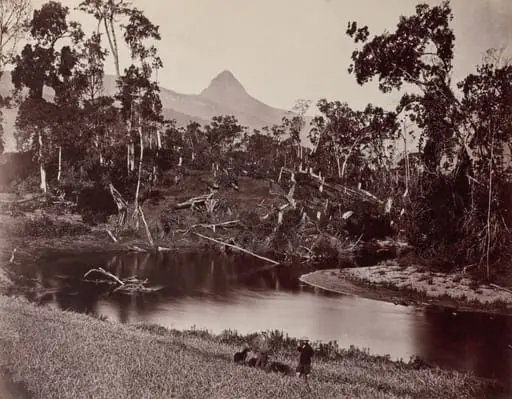 Ceylon Views to Adam's Tooth
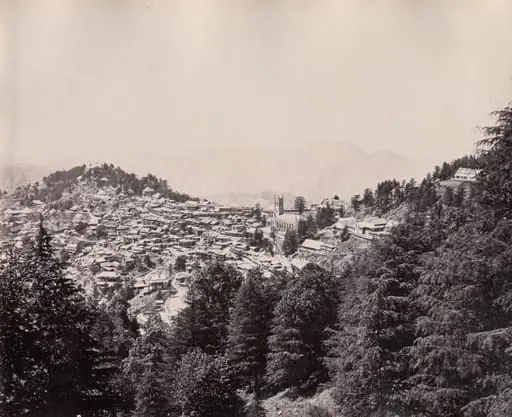 Shimla
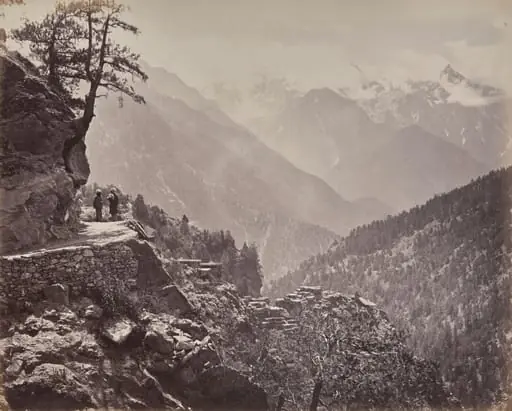 The Upper Himmalayahs. View on the New Road between India and China. Mt. Pangi with the Snowy Peaks of China in the Distance
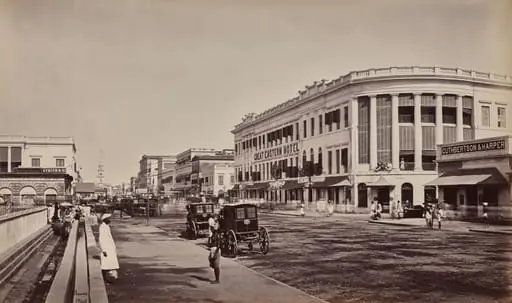 Calcutta. Old Court House Street
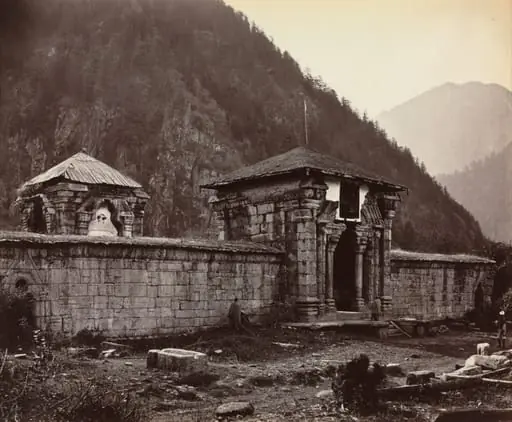 Temple at Naveshera, Kashmir, India
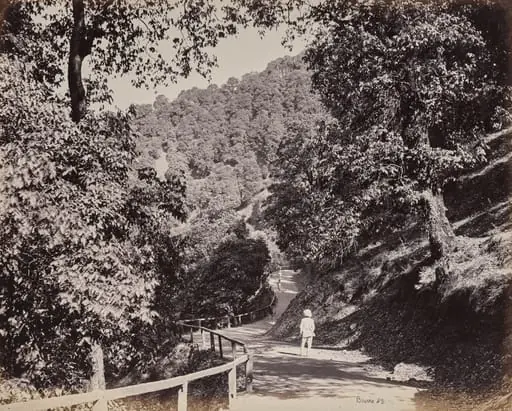 Shimla. The Mall near Rabq Lodge
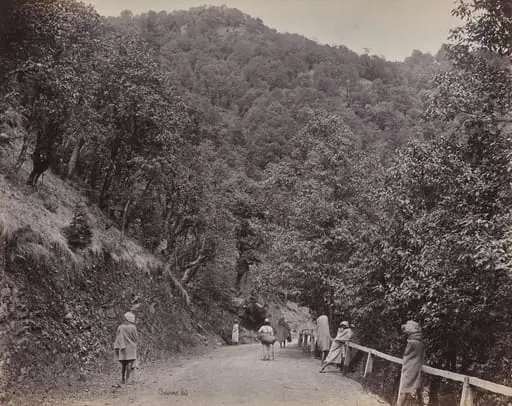 Shimla. The Mall or Principal
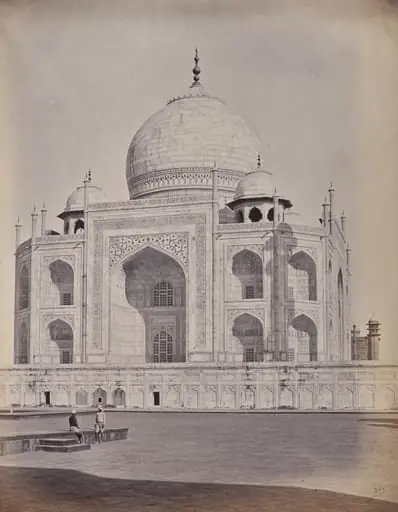 Agra. The Taj, the Central of Principal City
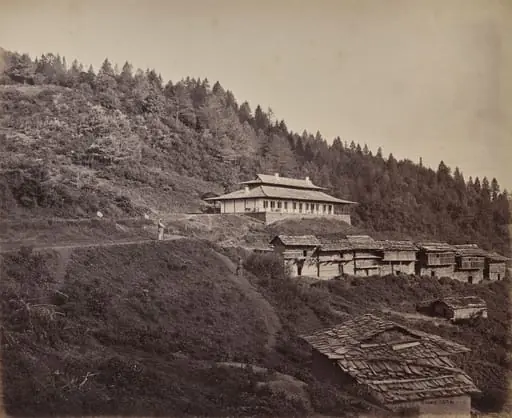 The Upper Himmalayahs. Village of Harkundu with Traveller's Bungalow in Rest-House
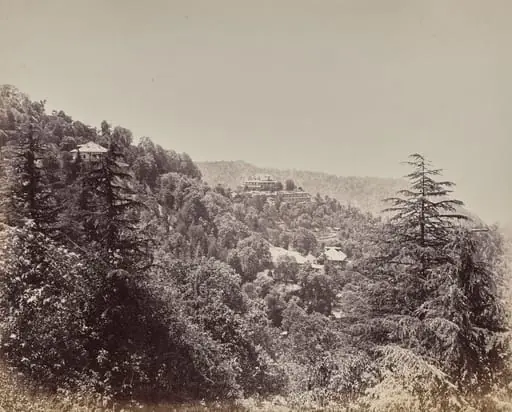 Shimla. The Yarrows and Neighboring Hills
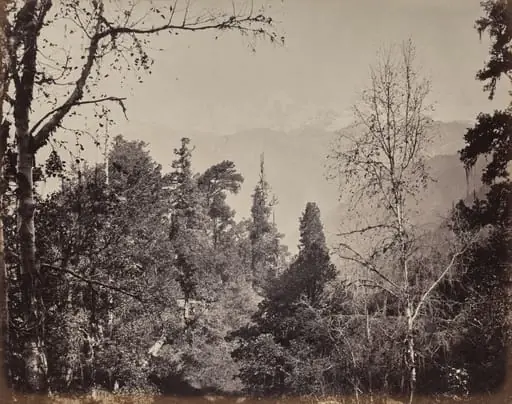 The Upper Himmalayahs. View of the Mountain of Bunderpoonch with the Jumnootri Peak, 20,458 above the Level of the Sea
 Shimla. View North of Mount Jakko
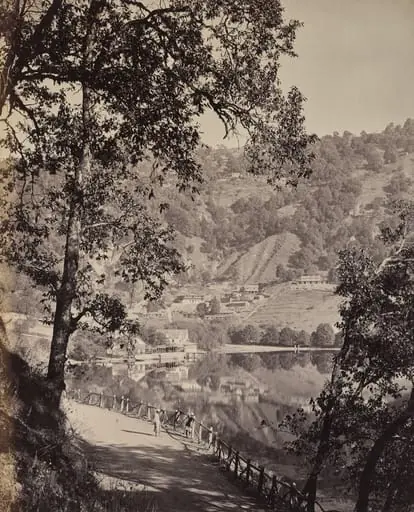 Hyree Lake. Hill Station in the Himmalayahs. View of the Taj Lake with Assembly Rooms, Lhutse
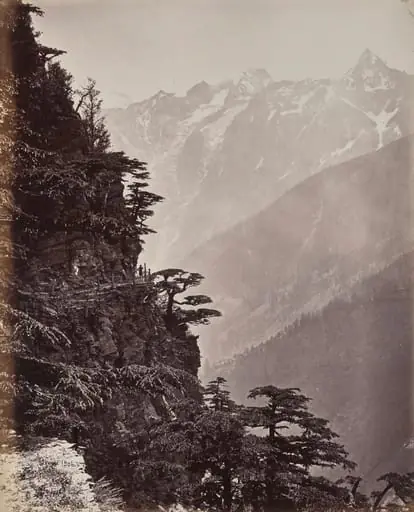 The Upper Himmalayahs. View on the New Road Near Rogi
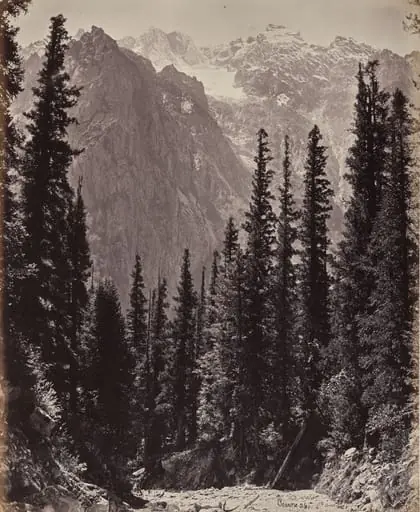 The Upper Himmalayahs. View in the Manga Valley
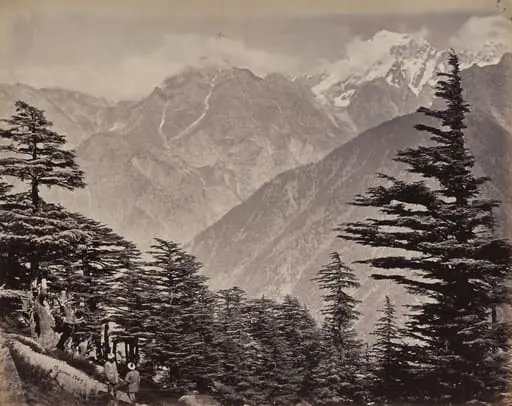 The Upper Himmalayahs. View Near China Mountains. Deoders in the Foreground
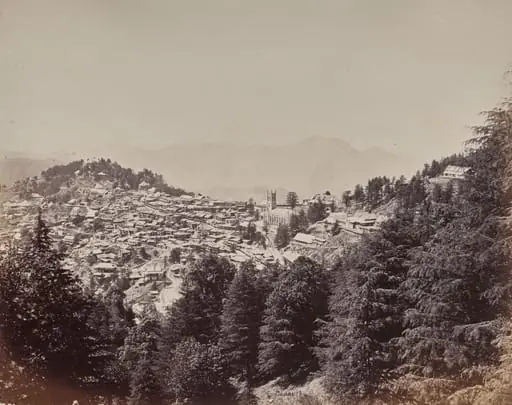 Shimla. From Mount Jakko, Looking West
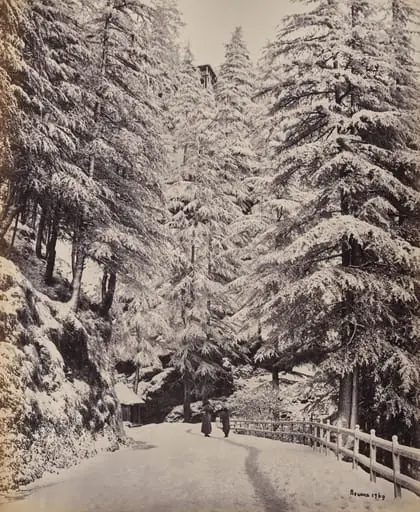 Shimla. View on the Mall in Winter
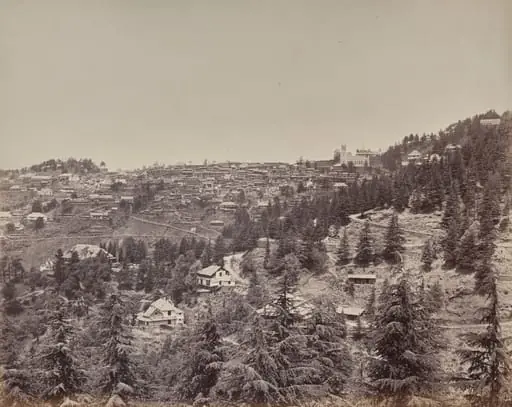 Shimla. View from Oakover House