Artwork
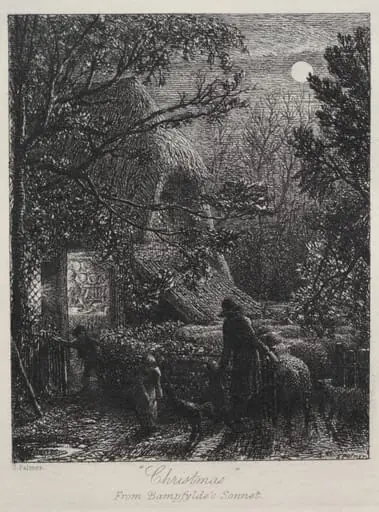
Christmas, or Folding the Last Sheep
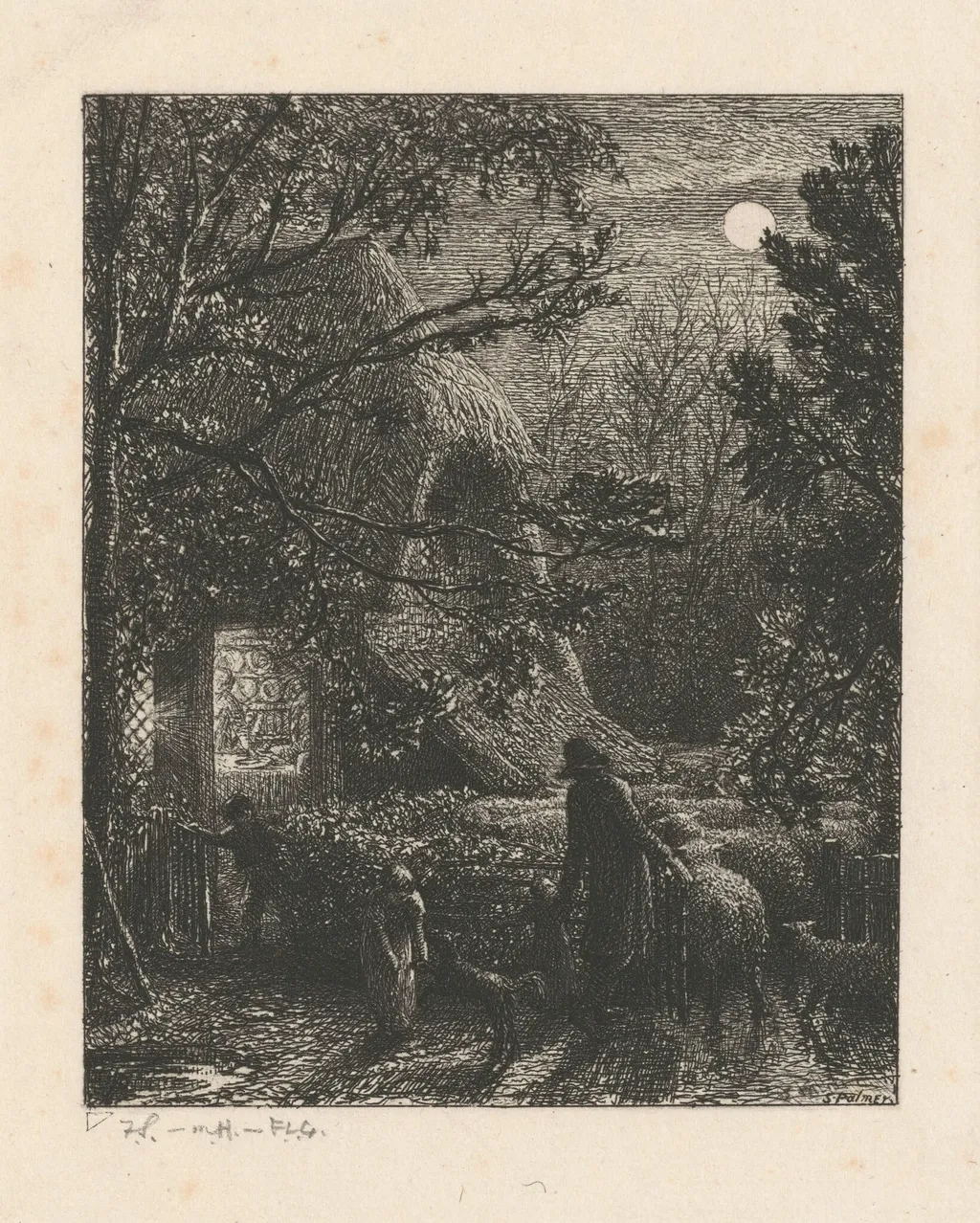
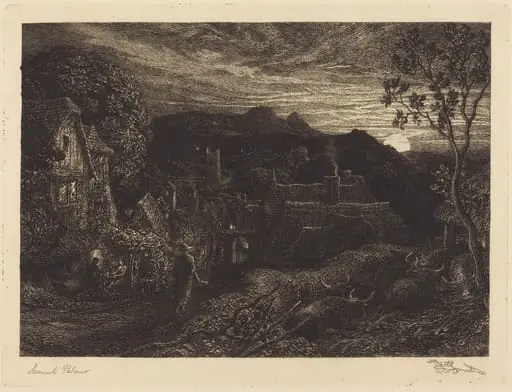
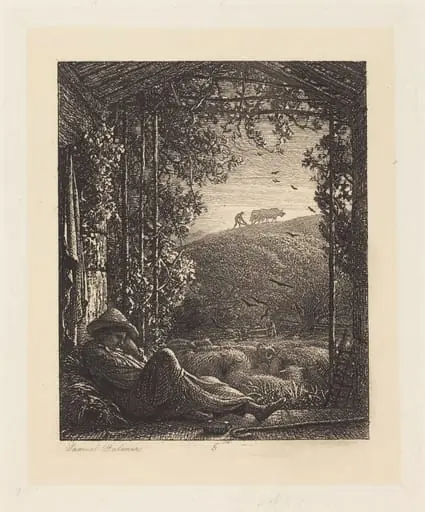
Christmas, or Folding the Last Sheep is an ink print by the Impressionist artist Samuel Palmer. It dates from 1850 and is held in the collection of the National Gallery of Art.
About this work
Overview
Samuel Palmer created this 1850 etching as part of a series exploring rural life through a contemplative, almost mystical lens.
Samuel Palmer created this 1850 etching as part of a series exploring rural life through a contemplative, almost mystical lens. Executed on laid paper, the work reflects his sustained interest in printmaking during the later phase of his career. Unlike his earlier, more exuberant visions, this piece conveys stillness and quietude, using minimal tonal contrast to evoke a sense of time suspended in the rural night.
Subject & Meaning
The scene portrays a solitary figure in a winter landscape, holding a bundle that suggests a sheep—possibly the last of the flock being brought in for the night. A distant cottage emits a faint glow, hinting at domestic warmth against the cold. The imagery evokes the quiet ritual of seasonal labor, with no overt religious symbolism, yet the stillness and isolation suggest a meditative, almost sacred rhythm to rural existence.
Technique & Style
Palmer employed fine, incised lines to model form and texture, building depth through subtle variations in etching density rather than heavy shading. The rough ground, bare branches, and atmospheric shadows are rendered with precision, creating a tactile sense of terrain. The moon’s light is implied rather than depicted, allowing the inked lines to suggest illumination through contrast and negative space.
History & Provenance
Created during Palmer’s retreat from the more overtly visionary style of his Shoreham years, this print belongs to a quieter phase of his output. It was likely produced for private circulation among fellow artists and collectors rather than mass distribution. The work remained within British collections, reflecting its modest reception during Palmer’s lifetime and its later recognition as a refined example of his printmaking.
Context
In the mid-19th century, as industrialization reshaped the British countryside, Palmer turned to pastoral themes as a counterpoint to urban change. His etchings, though not widely known at the time, engaged with a Romantic tradition that idealized rural labor and natural cycles. This print aligns with contemporaneous efforts by artists to preserve the emotional weight of vanishing ways of life.
Legacy
Though overshadowed in his time by larger artistic movements, Palmer’s etchings gained renewed attention in the 20th century for their intimate scale and emotional restraint. 'Christmas, or Folding the Last Sheep' is now regarded as a quiet testament to his ability to transform ordinary rural moments into enduring visual poetry through the disciplined craft of etching.
Artist & collection
Artist
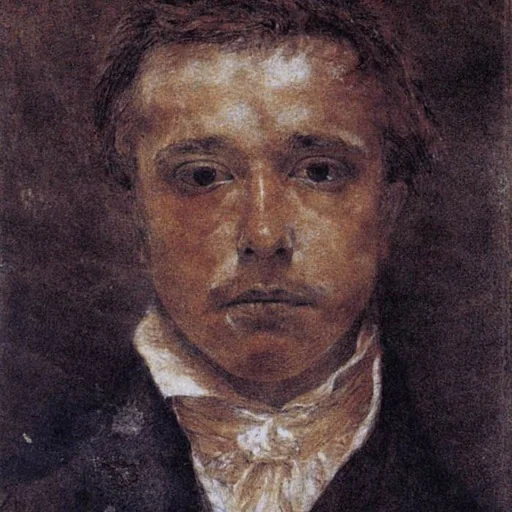
Samuel Palmer Hon.RE (Hon. Fellow of the Society of Painter-Etchers) (27 January 1805 – 24 May 1881) was a British landscape painter, etcher and printmaker. He was also a prolific writer. Palmer was a key figure in…

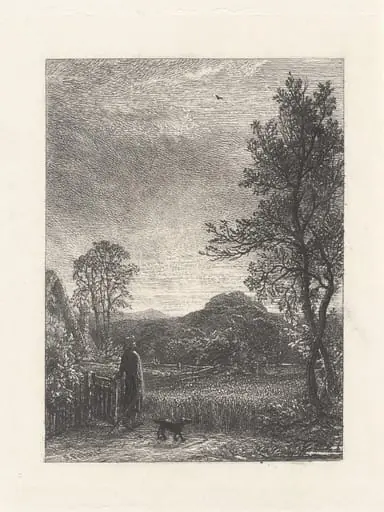 The Skylark
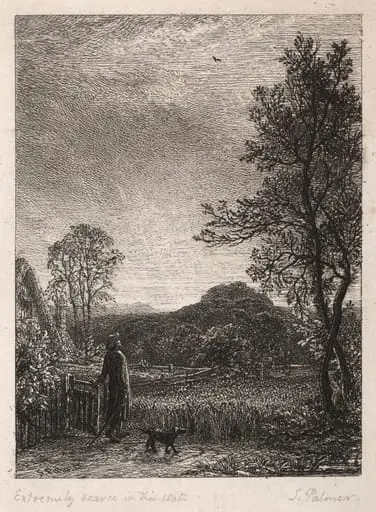 The Skylark
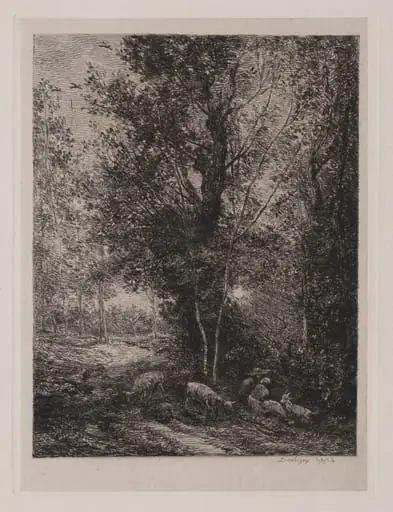 The Shepherd and Shepherdess
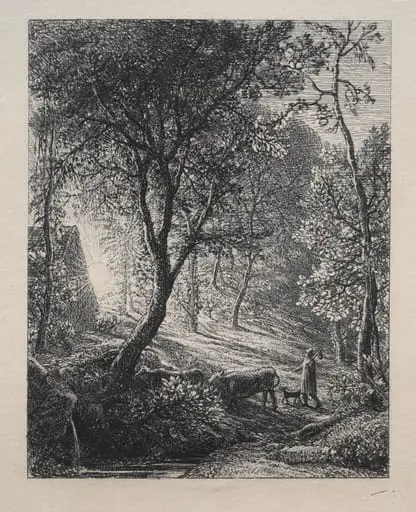 The Herdsman's Cottage
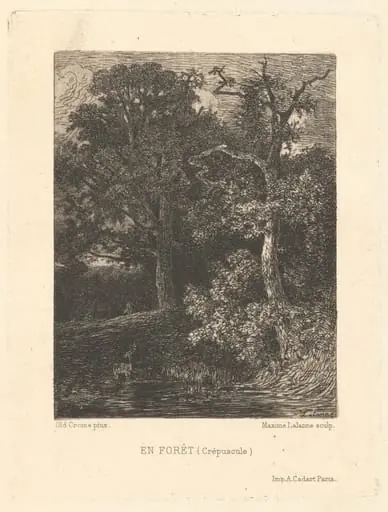 En Forêt (Crépuscule) (In the Forest: Twilight)
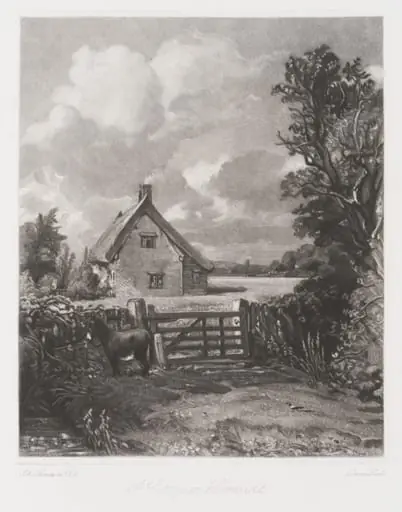 A Cottage in a Cornfield
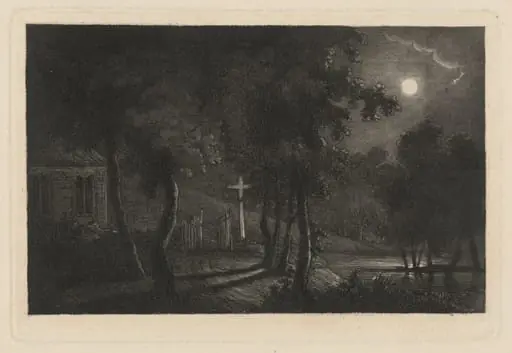 A Lakeside Chapel by Moonlight
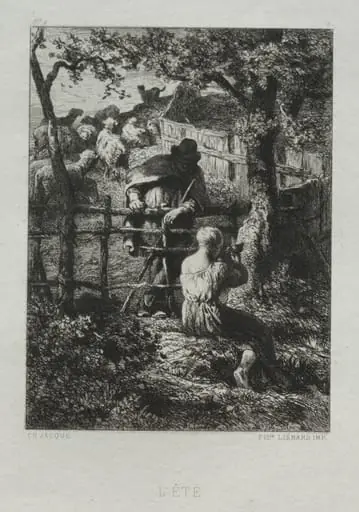 Summer Day
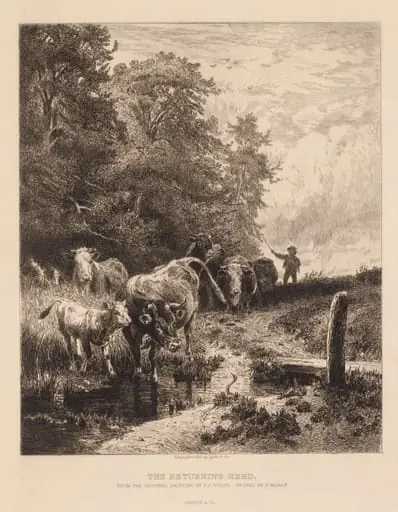 The Returning Herd
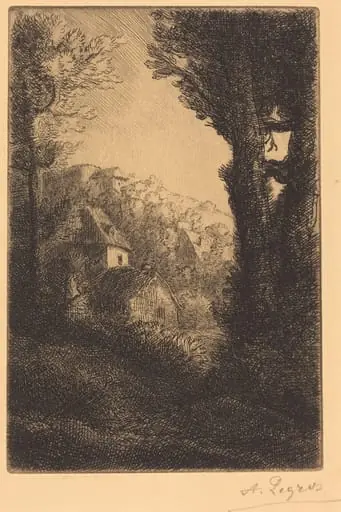 Farm on a Hillside in Sunlight (La ferme du coteau; Effet de soleil sur le coteau)
 The Rising Moon
 Christmas (Folding the Last Sheep)