Artwork
Ruined Circular Temple
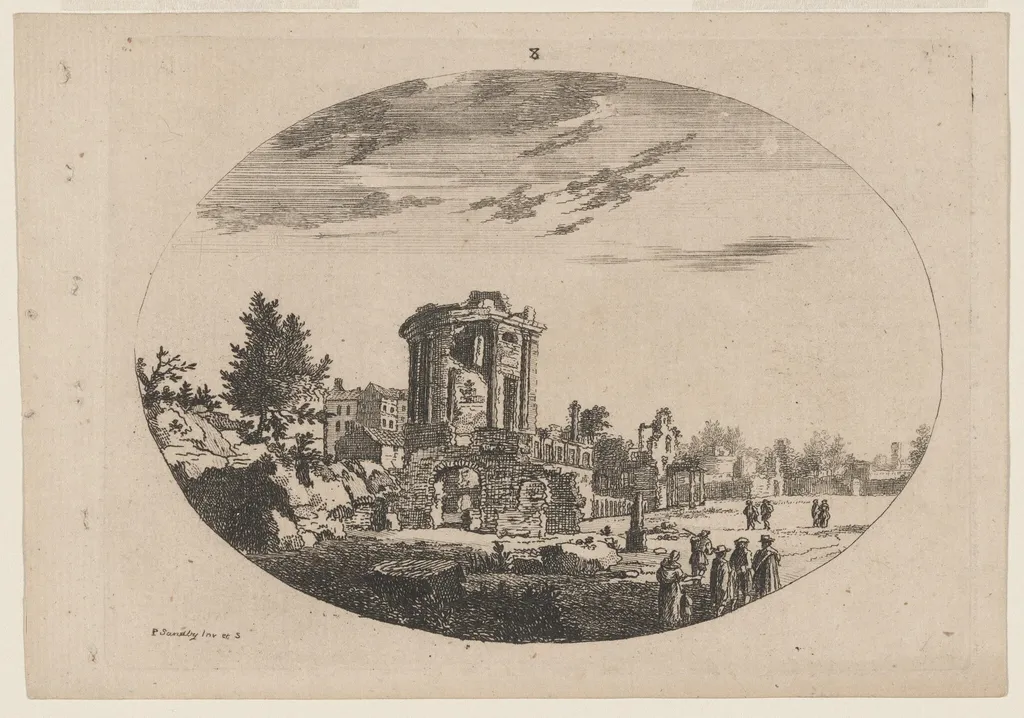
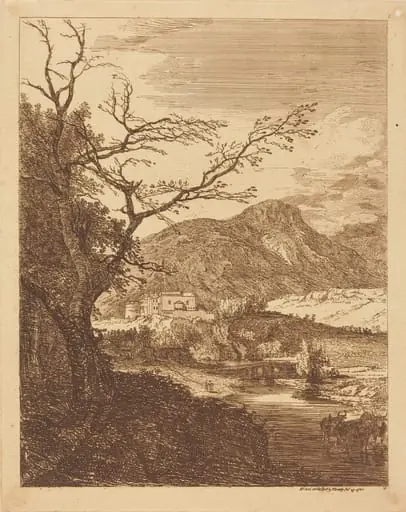
Ruined Circular Temple is an ink print by the Baroque artist Paul Sandby. It dates from 1750 and is held in the collection of the National Gallery of Art.
About this work
Overview
Paul Sandby’s *Ruined Circular Temple* is an etching executed on laid paper around 1750.
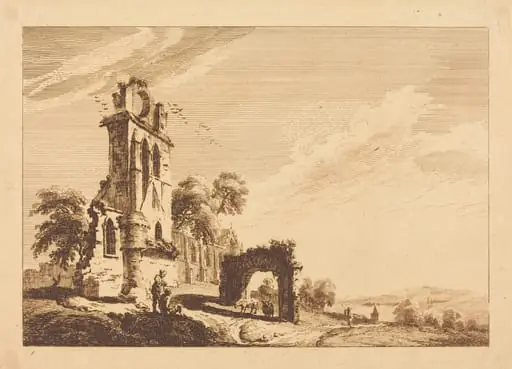
Paul Sandby’s *Ruined Circular Temple* is an etching executed on laid paper around 1750. The print presents a decayed classical temple, its circular form broken by crumbling walls and a collapsed arch, set amid trees with a few figures in the foreground. The work exemplifies Sandby’s blend of topographical accuracy and picturesque composition, reflecting the mid‑eighteenth‑century British fascination with antiquated architecture.
Subject & Meaning
The image captures a once‑grand circular temple whose classical columns and arches now lie in ruin, suggesting the passage of time and the transient nature of human achievement. The surrounding foliage and the presence of small figures emphasize the contrast between nature’s persistence and the fragility of built forms, a common theme in the picturesque aesthetic of the period.
Technique & Style
Created through etching, the work displays fine line work that renders texture and depth, allowing delicate details of stonework and foliage to emerge under close viewing. While the architectural elements recall Baroque classicism, the overall composition aligns with the picturesque movement, balancing precise rendering with an evocative, romantic atmosphere.
History & Provenance
Sandby, an English landscape artist and cartographer who later helped found the Royal Academy, produced this print during his early career. The work circulated among collectors interested in topographical prints and the burgeoning taste for ruins, contributing to Sandby’s reputation as a leading figure in British landscape engraving.
Context
In the 1750s Britain experienced a surge of interest in ancient ruins, fueled by Grand Tour experiences and antiquarian studies. Prints like Sandby’s provided visual access to classical motifs for a domestic audience, merging scholarly curiosity with the era’s aesthetic preference for the sublime and the decayed.
Artist & collection
Artist
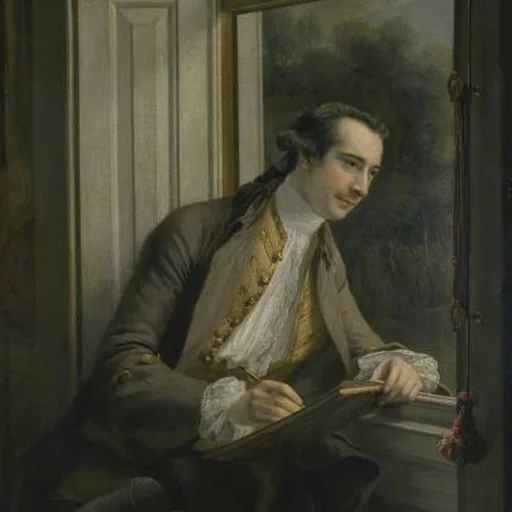
Paul Sandby, (1731 – 7 November 1809) was an English mapmaker and painter who specialised in landscape art. Along with his older brother Thomas Sandby, he was one of the founding members of the Royal Academy in 1768.

![Landscape with Tower and Two Ruined Pillars [left], by Canaletto](https://artifactworldgallery.com/img/canaletto--landscape-with-tower-and-two-ruined-pillars-left--60d58ba162fec5aa-w320.webp)