Artwork
Interior of the Gallery of the New Society of Painters in Watercolours, Old Bond Street
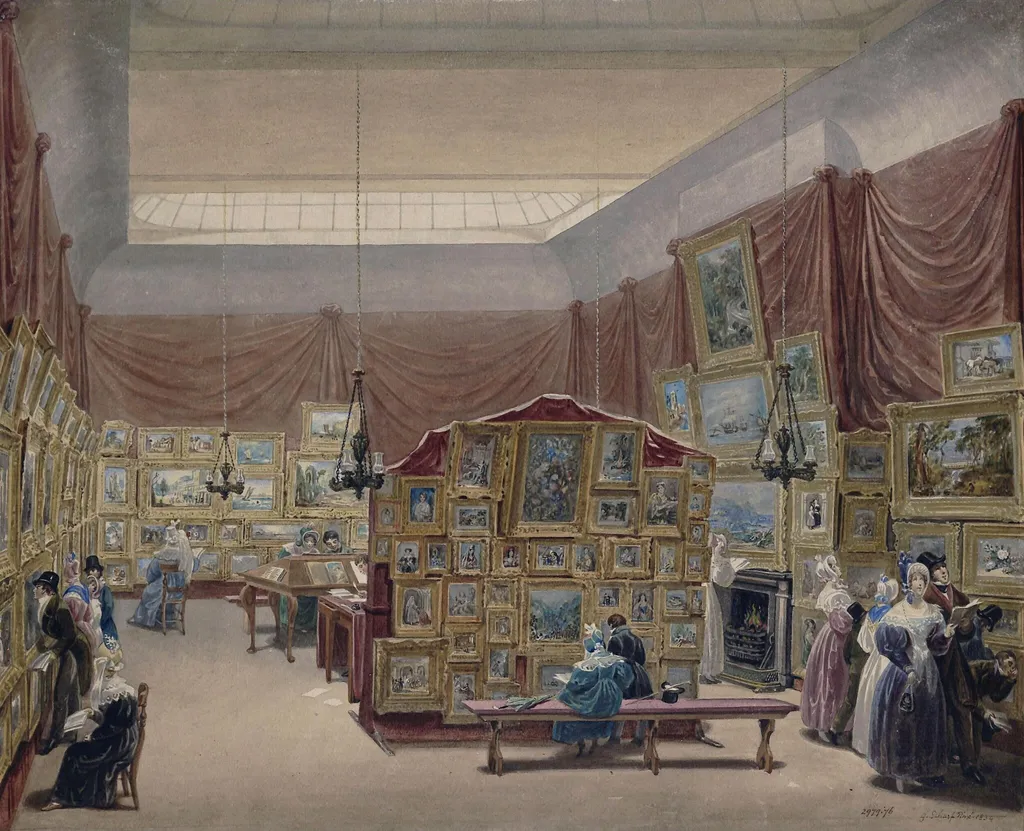
Interior of the Gallery of the New Society of Painters in Watercolours, Old Bond Street is a watercolor work on paper by the British Romanticist artist George Scharf. It dates from 1834 and is held in the collection of the Victoria and Albert Museum.
About this work
George Scharf painted a watercolour in 1834 that shows how art was displayed in the 1800s. It’s a view of an exhibition gallery with walls covered in red cloth.
Red was the top choice for hanging paintings then. Here the frames are gilded and packed close together, making the room look grand and packed with color.
Look up the Victoria and Albert Museum next.
Overview
The watercolor, executed in 1834 by George Scharf, depicts an interior of an exhibition space on Old Bond Street used by the New Society of Painters in Watercolours. The composition presents a gallery whose walls are draped in deep red fabric, with numerous small works displayed in close proximity, each set in gilded mounts and frames.
Subject & Meaning
The scene serves as a visual record of nineteenth‑century display conventions, illustrating how artists and curators arranged paintings for public and private viewing. The dense arrangement and rich coloration convey the period’s emphasis on visual abundance and the importance assigned to the artworks on show.
Technique & Style
Rendered in watercolor, the work captures the texture of the red drapery and the reflective quality of gilded frames through delicate washes and fine linear detail. The choice of a bird’s‑eye perspective allows the viewer to observe the spatial relationship between the hanging pieces and the surrounding décor.
History & Provenance
The watercolor was created by Scharf, a noted illustrator and later Keeper of the Department of Prints and Drawings at the Victoria and Albert Museum. It entered the museum’s collection as part of its documentation of Victorian art institutions, and is catalogued under the museum’s watercolour holdings.
Context
During the 1830s, a deep red backdrop was considered the most suitable surface for exhibiting paintings, believed to enhance colour and lend a sense of grandeur. Frames of the period often combined Baroque, Rococo, French, and Italian motifs, resulting in ornate, gilded structures that, while decorative, were fragile and required careful handling.
Artist & collection


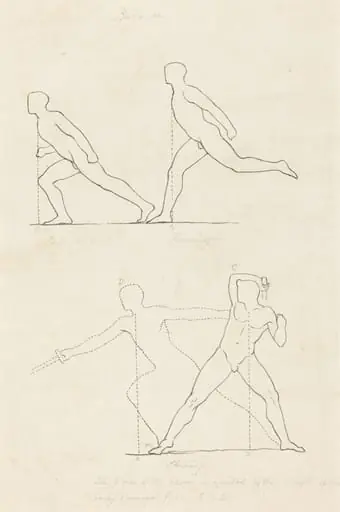 Preparing to Run; Running; Striking
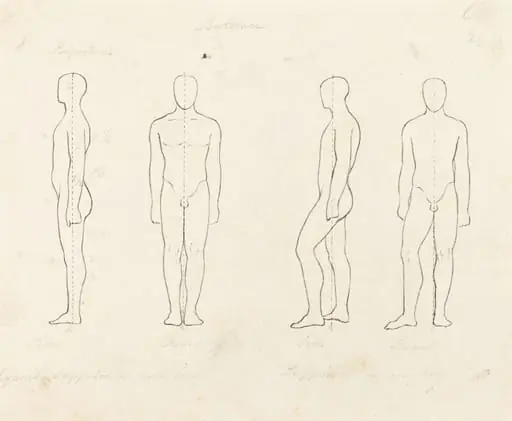 Extent of Motion, Front and Side View Equipoised, Supported on One Leg
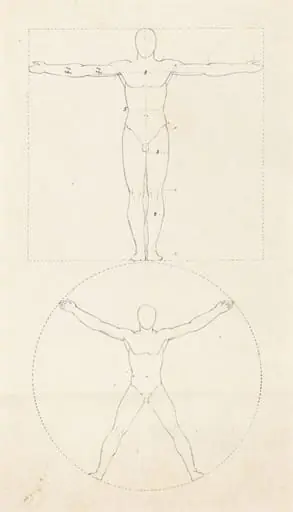 Circle and Square of the Human Figure
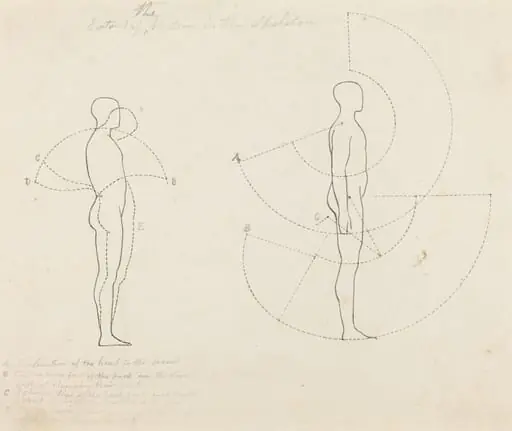 Extent of Motion Shown in Two Figures
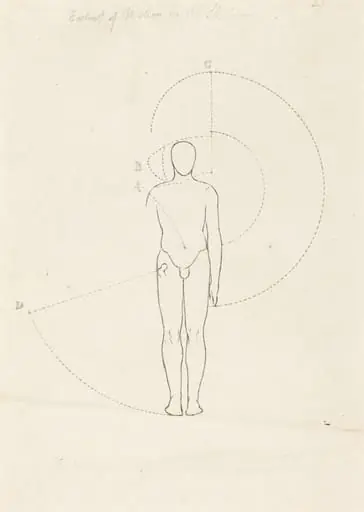 Extent of Motion, One Figure
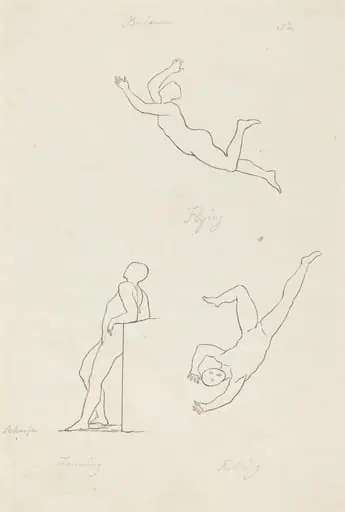 Leaning, Flying and Falling
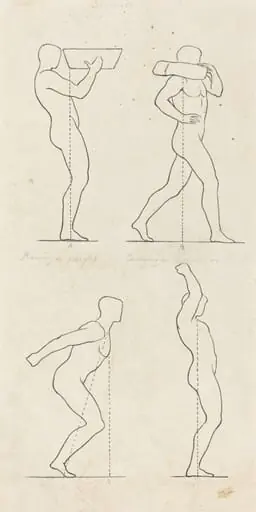 Bearing a Weight; Preparing to Jump, and Alighting
 Gule-Hissa Ovassy in the Northern part of Lycia
 Imaginary View of the Grande Galerie in the Louvre
 The National Gallery when at Mr J. J. Angerstein's House, Pall Mall
 The Interior of the British Institution
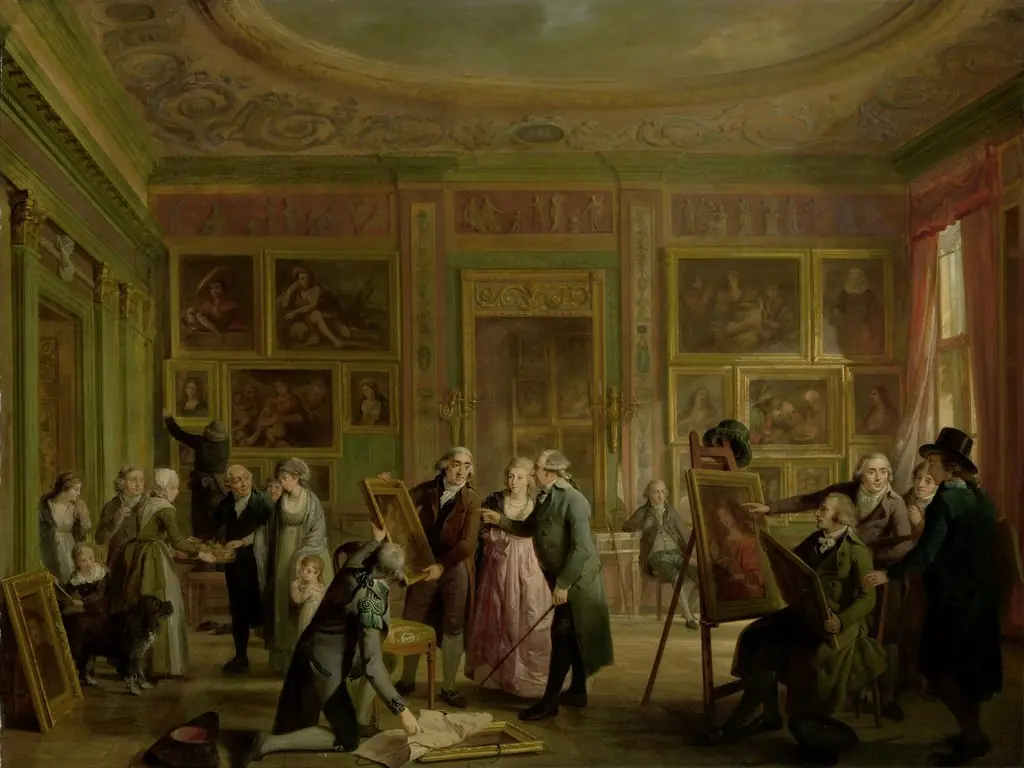 The Art Gallery of Josephus Augustinus Brentano
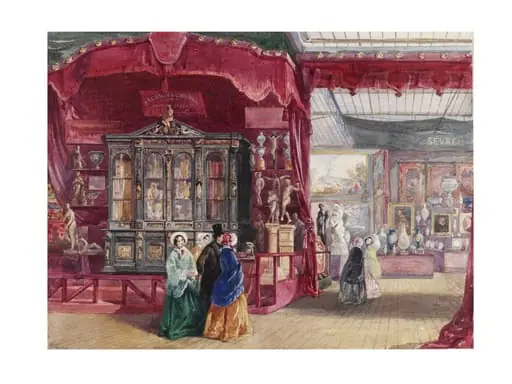 Part of the French Court, no. 1 (Sevres)
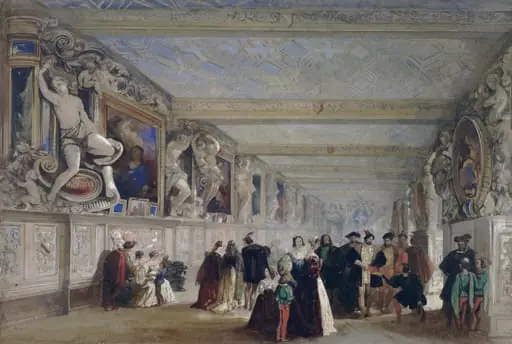 Gallery of Francis I at Fontainebleau
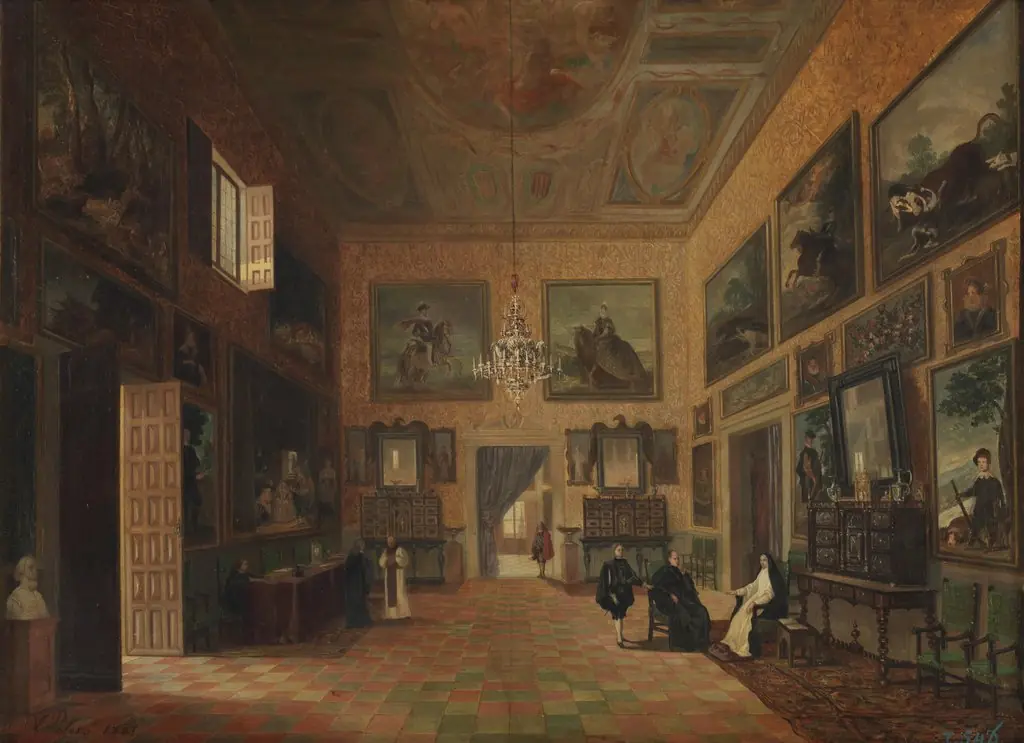 The chamber of Philip IV in the Buen Retiro Royal Palace
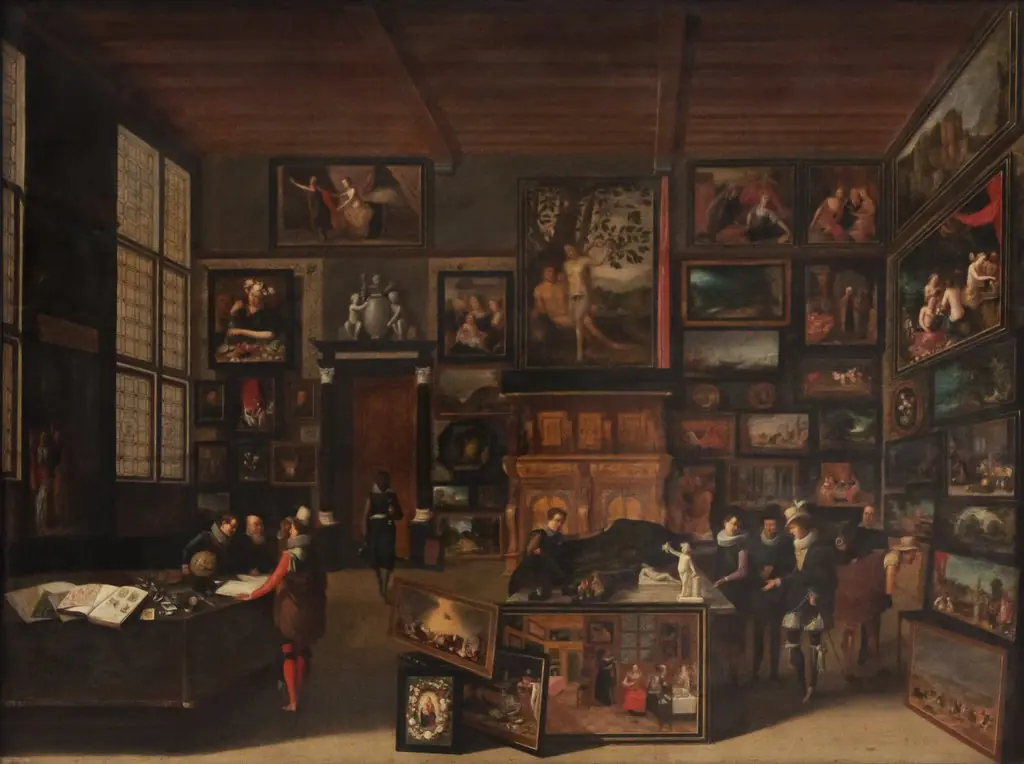 The Art Gallery of Jan Snellinck
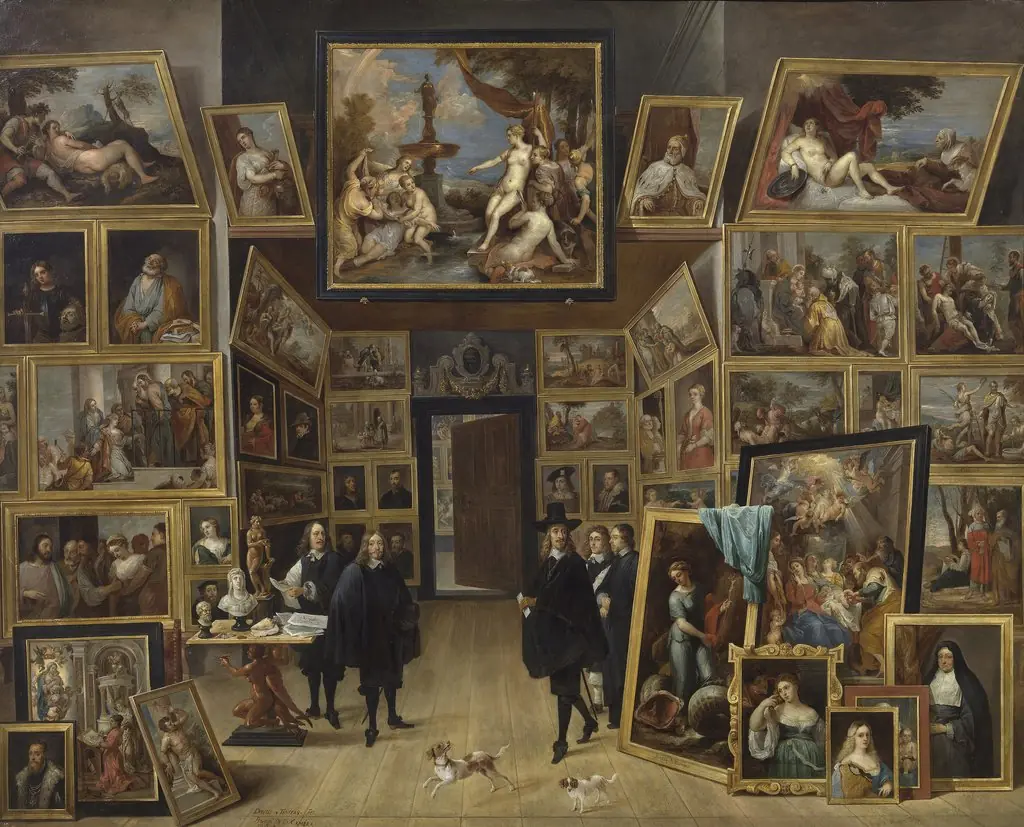 Archduke Leopold Wilhelm in his Gallery
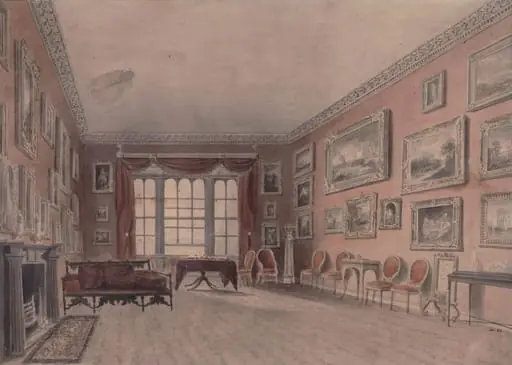 The Gallery at the Browsholme, near Clitheroe
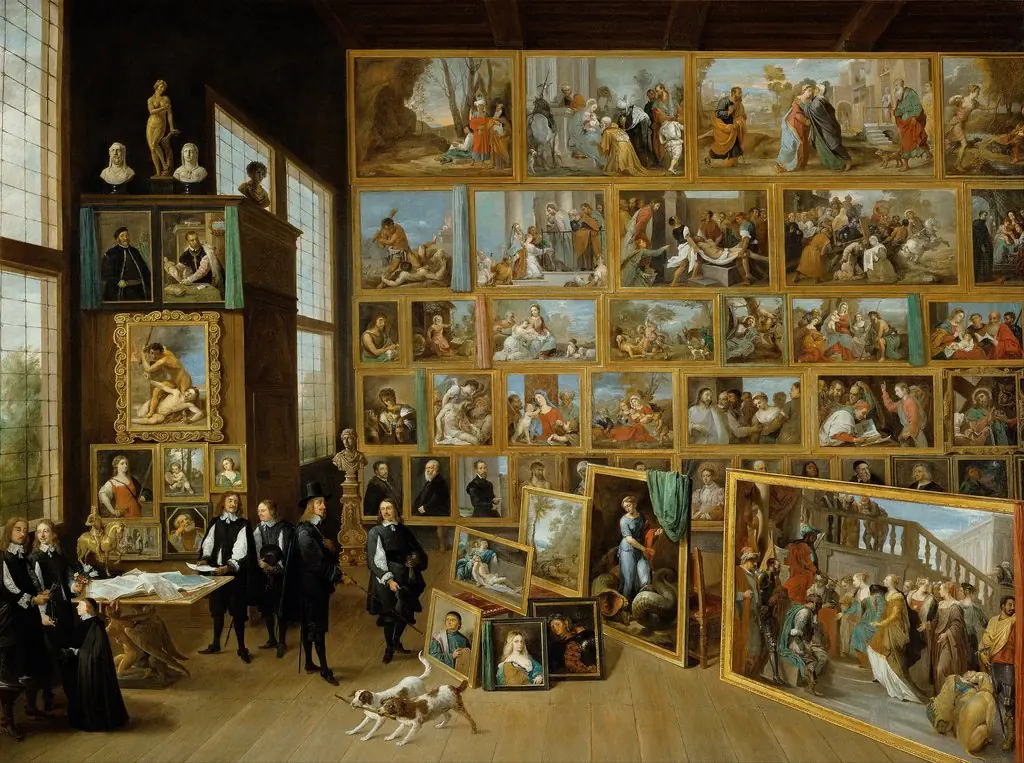 Archduke Leopold Wilhelm in his Gallery in Brussels
 The Art Gallery of Jan Gildemeester Jansz