Artwork
Monseigneur Louis-Charles d'Orléans de Saint-Albin, Archbishop of Cambrai
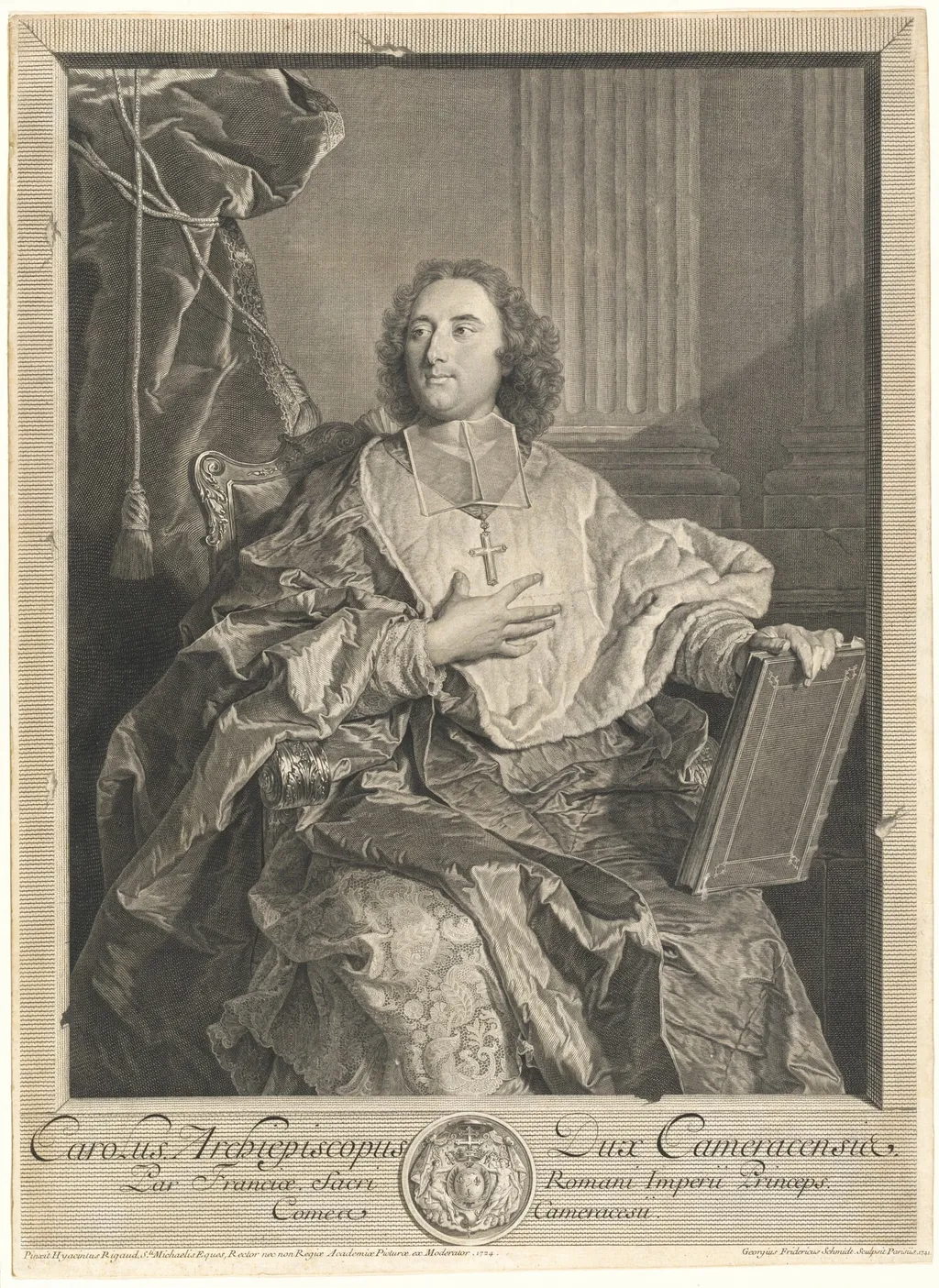
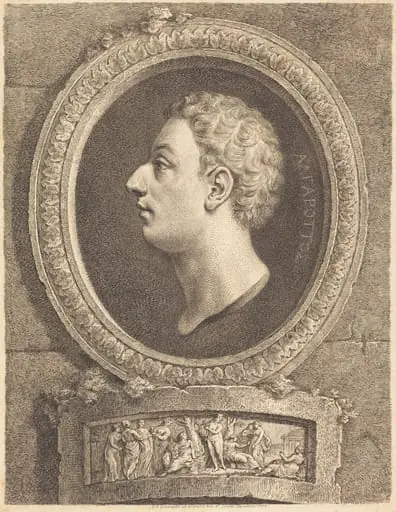
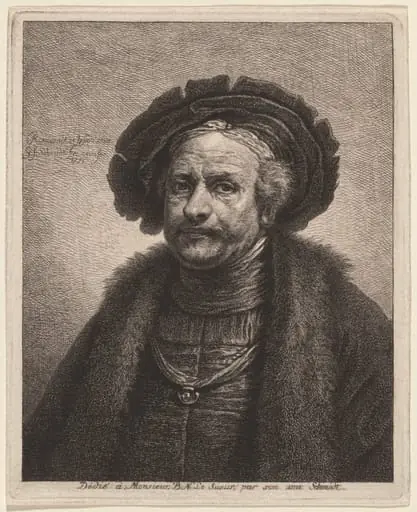
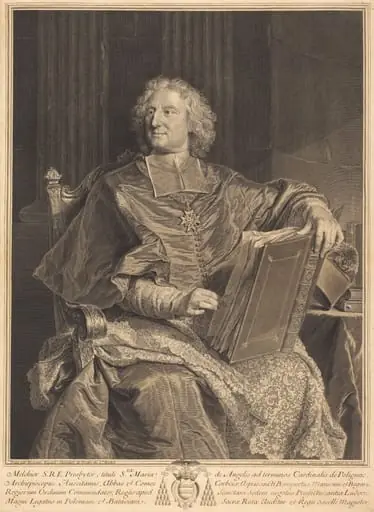
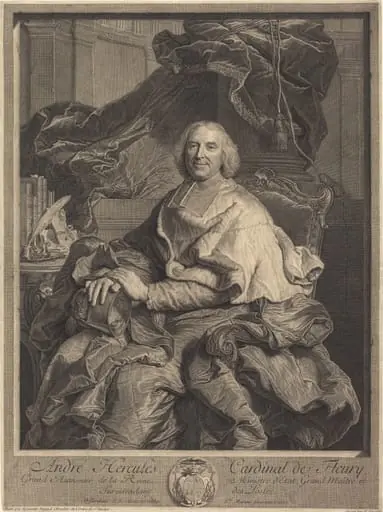
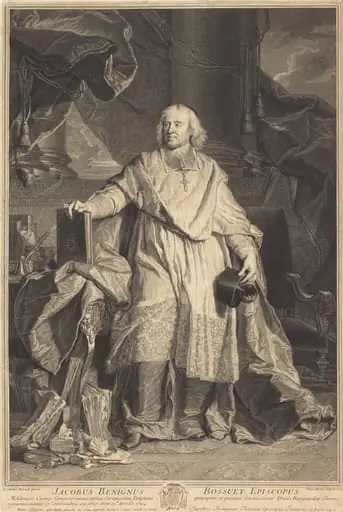
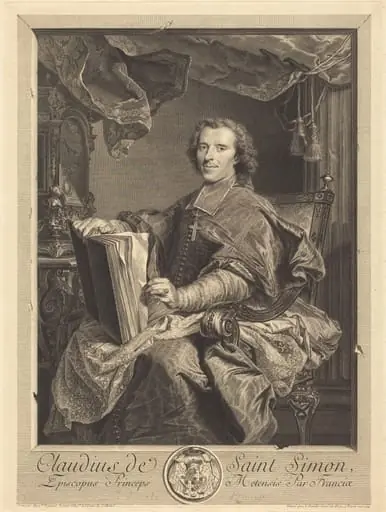
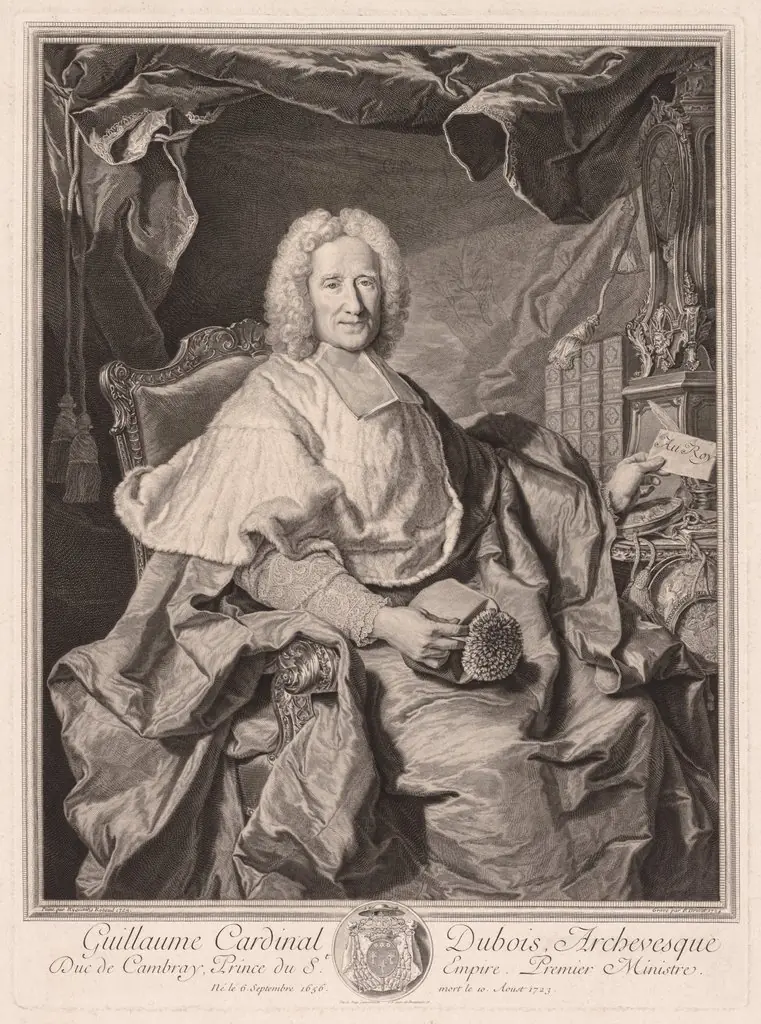
Monseigneur Louis-Charles d'Orléans de Saint-Albin, Archbishop of Cambrai is an ink print by the Baroque artist Georg Friedrich Schmidt. It dates from 1741 and is held in the collection of the National Gallery of Art.
About this work
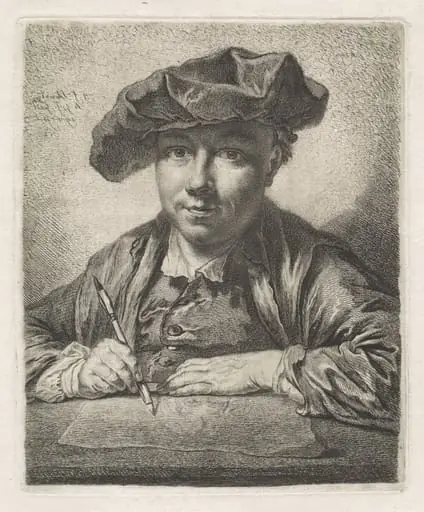
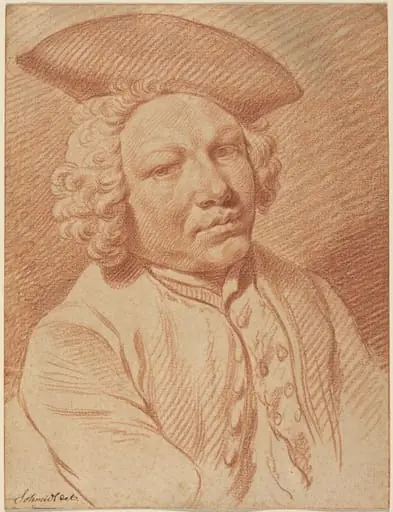
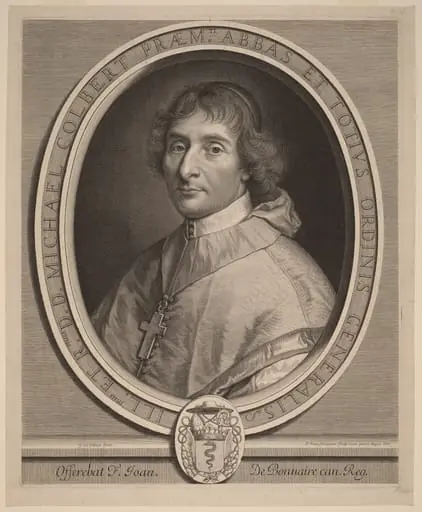
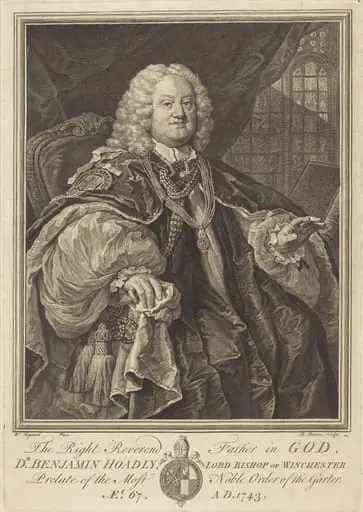
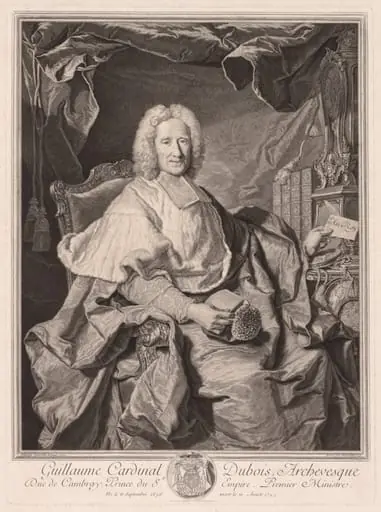
This portrait shows a man in formal attire, likely from the 18th century.
The man is dressed in ornate robes, suggesting a high-ranking position in the church. His expression is serious, and the details of his clothing are intricate.
This style of portrait is similar to work done by artists of the time, and to learn more, you can look into the technique of engraving.
Overview
Georg Friedrich Schmidt, a German engraver active in the early eighteenth century, produced an engraved portrait in 1741 that presents Monseigneur Louis‑Charles d’Orléans de Saint‑Albin, then Archbishop of Cambrai. Executed on laid paper, the print exemplifies the decorative sensibility of the period while serving as a formal record of the cleric’s rank.
Subject & Meaning
The image portrays the archbishop in elaborate ecclesiastical robes, his solemn expression underscoring the gravity of his office. The attire and insignia identify him as a high‑ranking prelate, reflecting the social and religious authority vested in the position during the Ancien Régime.
Technique & Style
Schmidt employed fine line engraving, a method that allowed intricate rendering of fabric folds, lace, and ornamental details. The work’s decorative flourishes and lightness of touch align with Rococo aesthetics, emphasizing elegance and ornamental richness without sacrificing the precision required for portraiture.
History & Provenance
Created in 1741, the print likely originated in Schmidt’s workshop in Berlin, where he was active after his training in Dresden. It entered various collections of French and German ecclesiastical portraiture before being catalogued by museums specializing in eighteenth‑century prints.
Context
Portrait engravings of high clergy were common in the Rococo era, serving both devotional and commemorative purposes. Schmidt’s background in decorative arts informed the delicate treatment of the archbishop’s vestments, situating the work within a broader trend of ornate, courtly portraiture.
Legacy
While not as widely reproduced as later prints, Schmidt’s portrait remains a valuable example of Rococo engraving technique and of the visual culture surrounding French ecclesiastical hierarchy in the mid‑1700s.
Artist & collection

Artist
Georg Friedrich Schmidt was a German engraver, etcher and pastel painter, in the Rococo style.