Artwork
The Tribulations of Saint Anthony
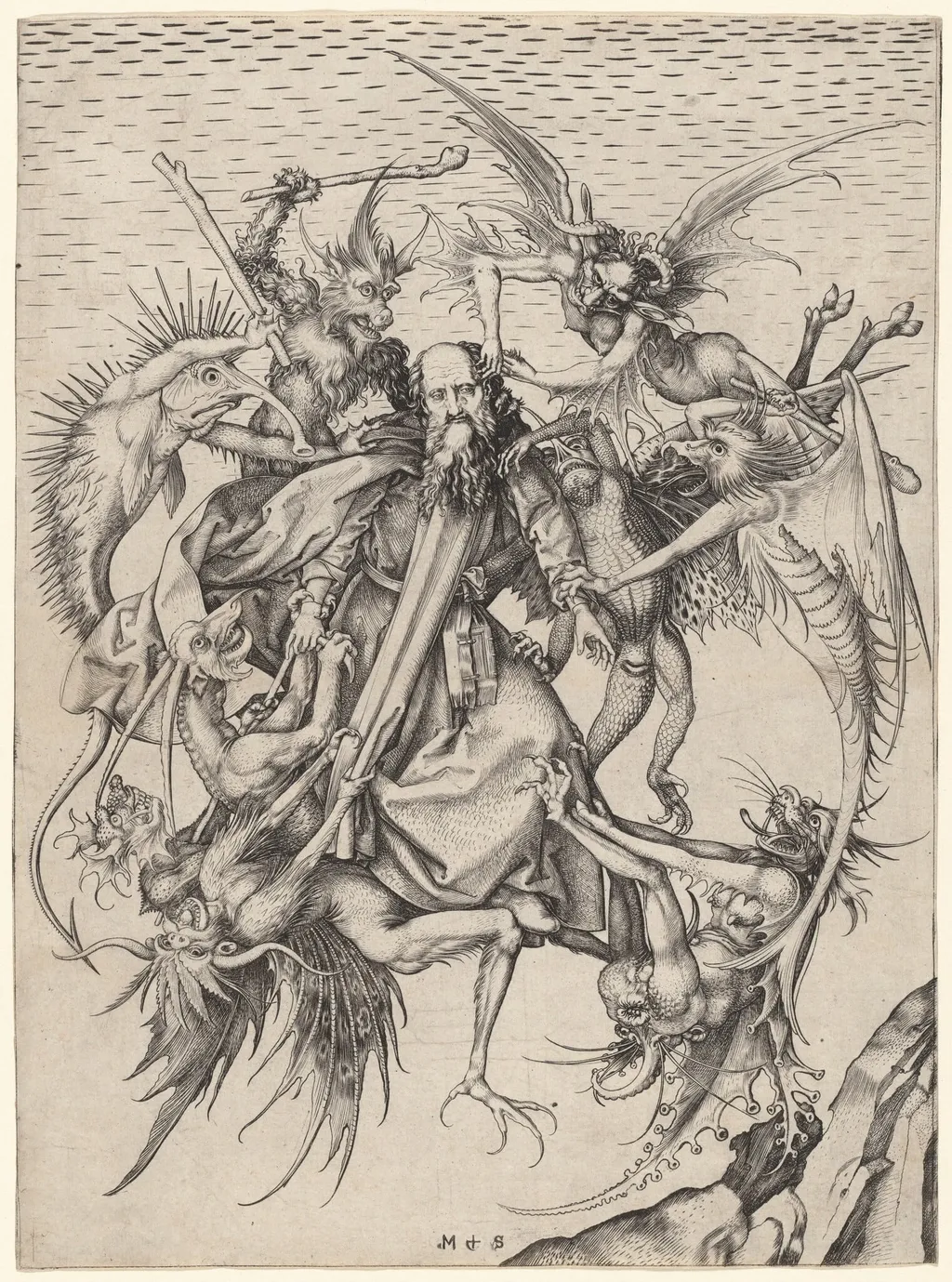
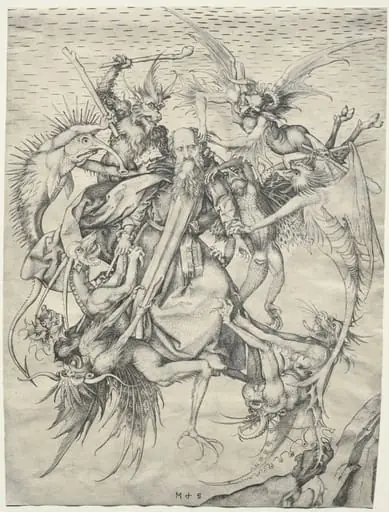
The Tribulations of Saint Anthony is an ink print by the Renaissance artist Martin Schongauer. It dates from 1472 and is held in the collection of the National Gallery of Art.
About this work
Overview
Created around 1472, this engraving by Martin Schongauer captures a moment from the life of Saint Anthony, a Christian hermit subjected to demonic assaults.
Created around 1472, this engraving by Martin Schongauer captures a moment from the life of Saint Anthony, a Christian hermit subjected to demonic assaults. Executed on laid paper using the engraving technique, the work is one of 116 surviving prints by the Alsatian artist. It exemplifies the precision and expressive potential of metal engraving in late 15th-century Northern Europe, standing as a key example of religious printmaking before Dürer’s rise.
Subject & Meaning
The scene portrays Saint Anthony enduring a vision of torment, a common theme in medieval monastic literature. Surrounded by grotesque, hybrid demons—winged, horned, and part-animal—he clutches a cross, symbolizing his spiritual resilience. The imagery reflects contemporary devotional practices that emphasized the saint’s inner strength against temptation, serving both as moral instruction and a meditation on faith under duress.
Technique & Style
Schongauer employed fine, controlled lines incised into a copper plate to render dense, swirling forms. His use of cross-hatching and varied line weight creates depth and agitation, mimicking the chaos of the demonic assault. The intricate detailing of the creatures’ anatomy and the texture of their fur and scales demonstrate mastery of the medium, pushing the expressive limits of engraving beyond mere illustration.
History & Provenance
The print circulated widely in Europe during the late 15th and early 16th centuries, copied and collected by artists and clergy alike. Though no single original impression is documented as the first, multiple states of the plate exist, indicating repeated use. Schongauer’s prints were traded across regions, contributing to his reputation as a leading printmaker before Dürer gained prominence in the 1490s.
Context
Produced in Colmar, a center of artistic and religious activity, the engraving reflects the devotional culture of late medieval Germany and Alsace. Images of Saint Anthony’s trials were popular in monastic communities, where they reinforced ascetic ideals. The print’s detailed realism and emotional intensity align with broader trends in Northern European art that sought to make sacred narratives vivid and immediate for the viewer.
Legacy
Schongauer’s engraving influenced generations of Northern artists, including a young Albrecht Dürer, who studied and copied his works. The technical sophistication and narrative power of this print helped elevate engraving from a craft to a respected artistic medium. Its composition and iconography remained a reference point for depictions of spiritual struggle well into the Renaissance.
Own this work as a print
Artist & collection

Artist
Martin Schongauer, also known as Martin Schön or Hübsch Martin by his contemporaries, was an Alsatian engraver and painter.

 The Temptation of St. Anthony
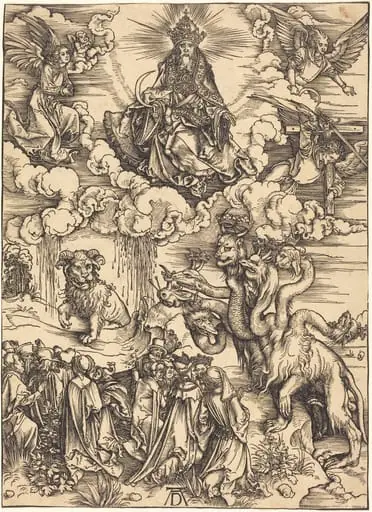 The Beast with Two Horns like a Lamb
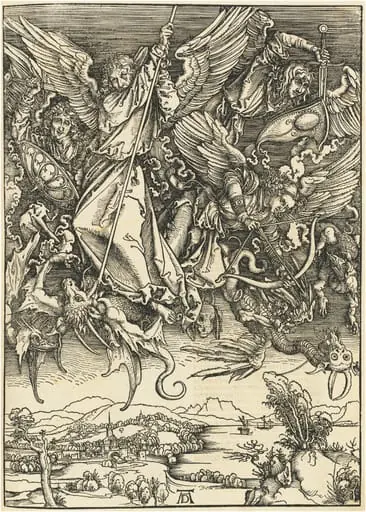 Saint Michael Fighting the Dragon
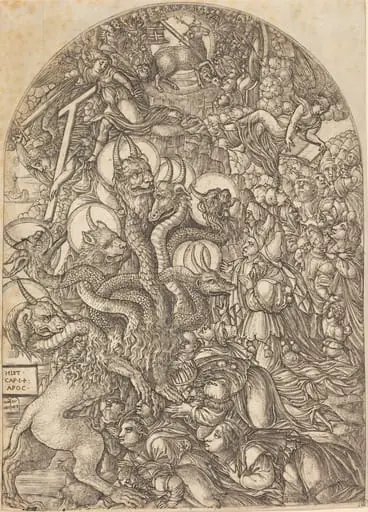 The Beast with Seven Heads and Ten Horns
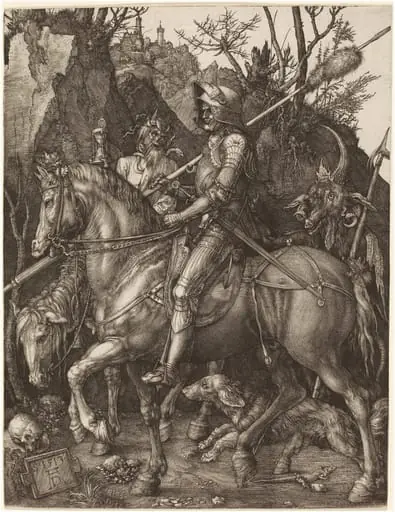 Knight, Death and Devil
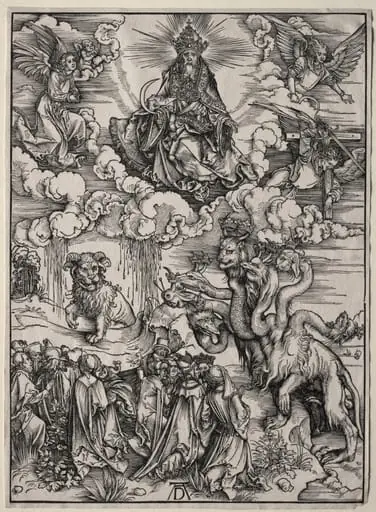 The Beast with Seven Heads and the Beast with Lamb's Horns
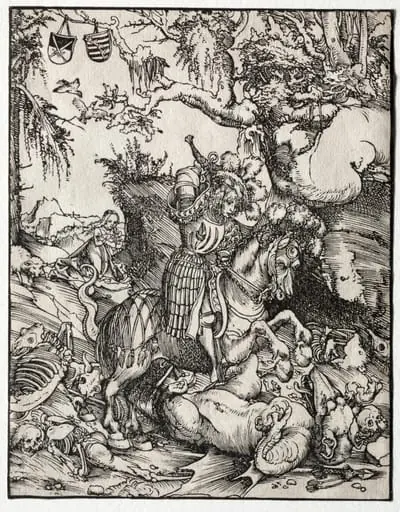 St. George Slaying the Dragon
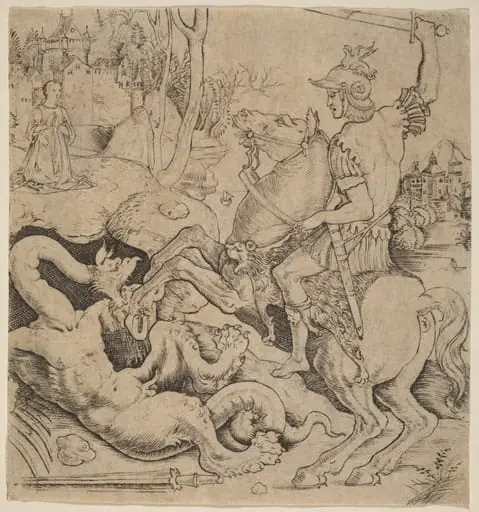 Saint George and the Dragon
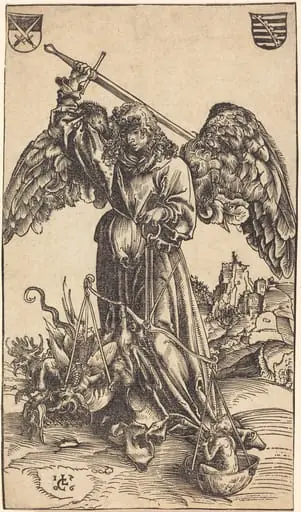 The Archangel Michael Weighing a Soul
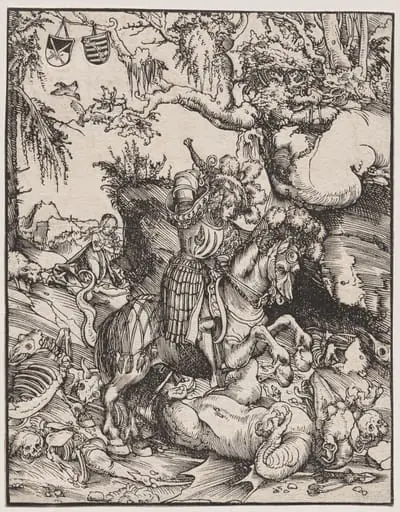 Saint George Slaying the Dragon