Artwork
A Prophet Addressed by an Angel
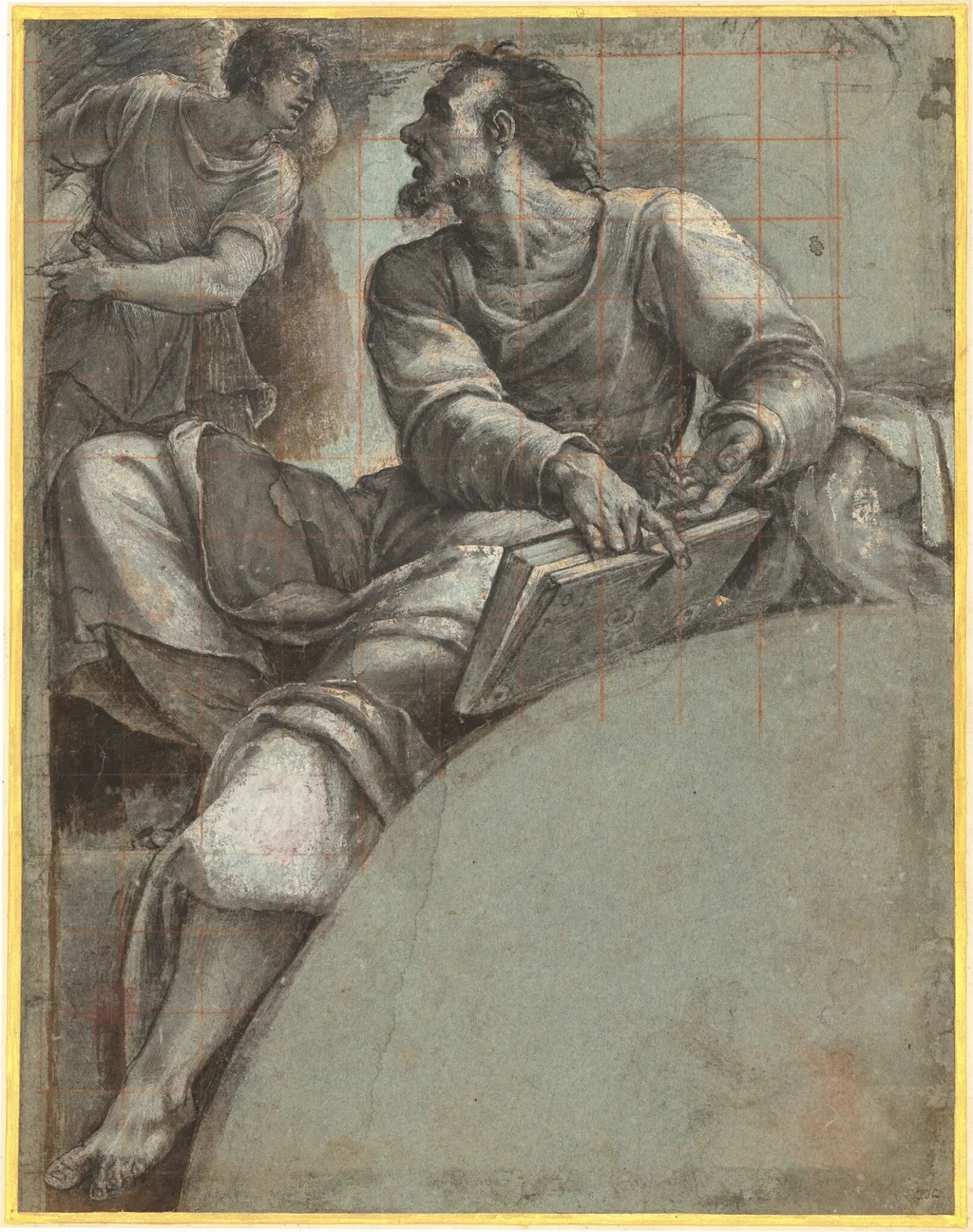
A Prophet Addressed by an Angel is a chalk drawing by the Renaissance artist Sebastiano del Piombo. It dates from 1518 and is held in the collection of the National Gallery of Art.
About this work
Overview
Four stylus arcs at the lower right serve as scaling guides for transferring the composition to a wall surface.
Created in 1518 by Sebastiano del Piombo, this drawing is a preparatory study for a fresco in a Roman church. Executed in black chalk with gray and brown wash, it is heightened with white pigment and squared in red chalk on blue paper—a costly material indicating the significance of the commission. Four stylus arcs at the lower right serve as scaling guides for transferring the composition to a wall surface.
Subject & Meaning
The image depicts a robed prophet standing beneath a tree, receiving divine instruction from an angel hovering above, one arm raised in gesture. The scene conveys a moment of sacred revelation, common in prophetic narratives of the Old Testament. The angel’s presence and the prophet’s receptive posture emphasize divine communication, aligning with the theological themes of the intended fresco cycle.
Technique & Style
Sebastiano employed layered washes and subtle white highlights to model form with soft transitions, evoking a sense of atmospheric depth. The use of red chalk for squaring indicates a methodical transfer process. The blue paper, rare and expensive, enhanced the luminosity of the chalk and washes, while the stylus marks reveal a technical approach to scaling the design for monumental execution.
History & Provenance
The drawing was made during Sebastiano’s early years in Rome, after his move from Venice in 1511. It served as a working model for a fresco in the church of San Pietro in Montorio, commissioned by Cardinal Giulio de’ Medici. The work remained in private collections through the 18th century before being mounted on a period paper support, likely during that time.
Context
Sebastiano’s synthesis of Venetian pigment sensitivity and Roman sculptural form distinguished his work in early 16th-century Rome. This drawing reflects the influence of Michelangelo’s monumental figures and Leonardo’s tonal modeling, particularly in the soft rendering of drapery and the hazy transition between figures and space, aligning with emerging Mannerist tendencies.
Legacy
The drawing exemplifies the transitional phase between High Renaissance ideals and the more expressive forms of Mannerism. Its technical precision and material choice underscore the elevated status of preparatory drawings in Renaissance workshop practice. It remains a key reference for understanding how large-scale frescoes were conceived and scaled from intimate studies.
Artist & collection
Artist
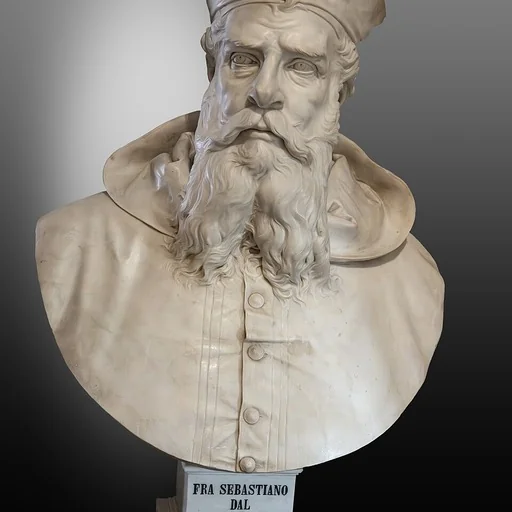
Sebastiano del Piombo (Italian: ; c. 1485 – 21 June 1547) was an Italian painter of the High Renaissance and early Mannerist periods, famous as the only major artist of the period to combine the colouring of the…

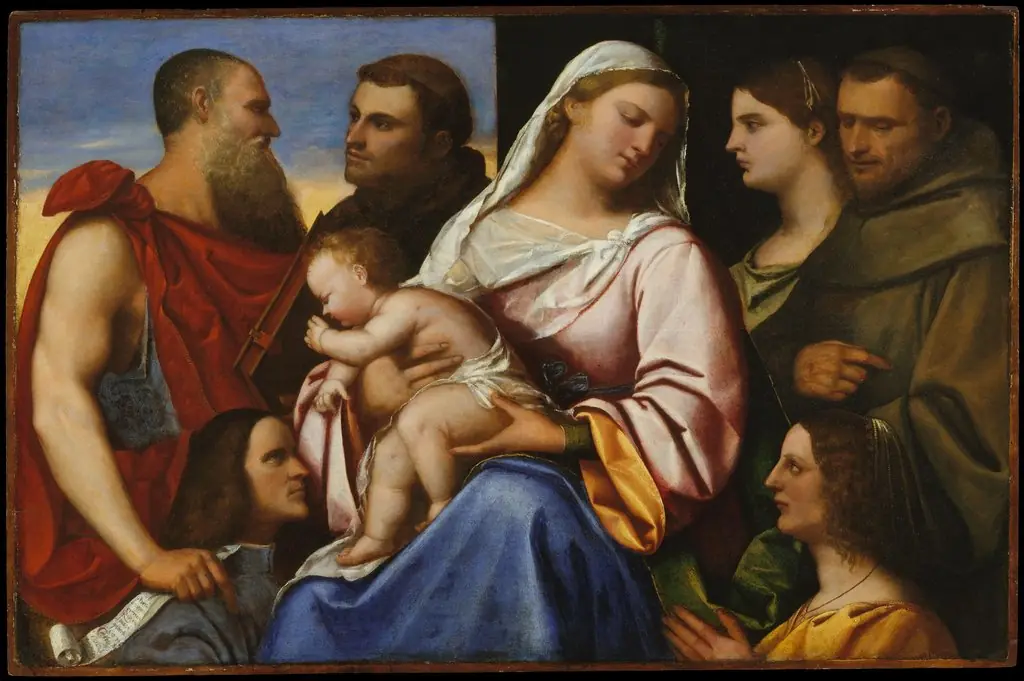 Madonna and Child with Saints and Donors
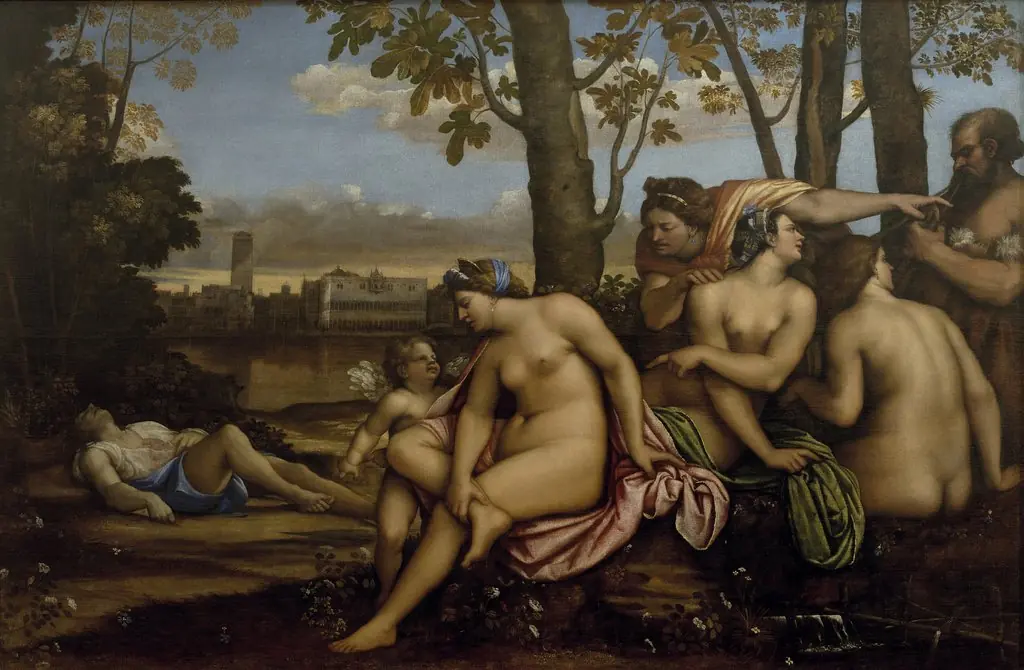 Death of Adonis
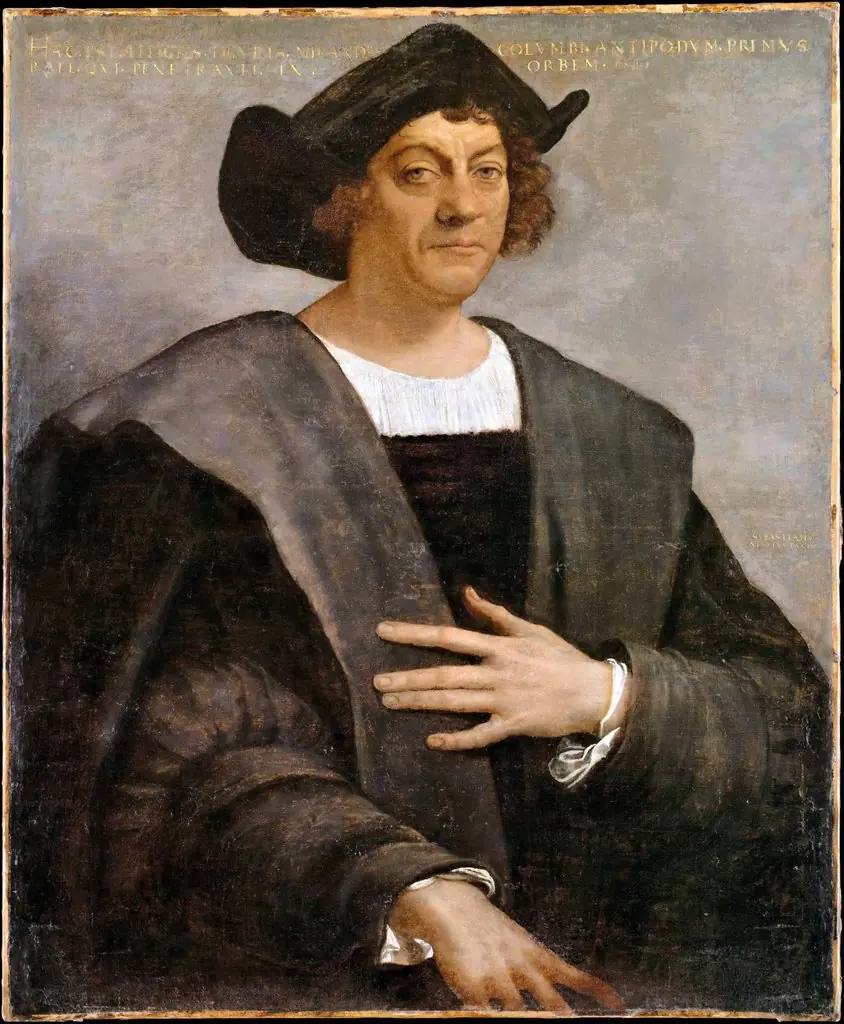 Portrait of a Man, Said to be Christopher Columbus (born about 1446, died 1506)
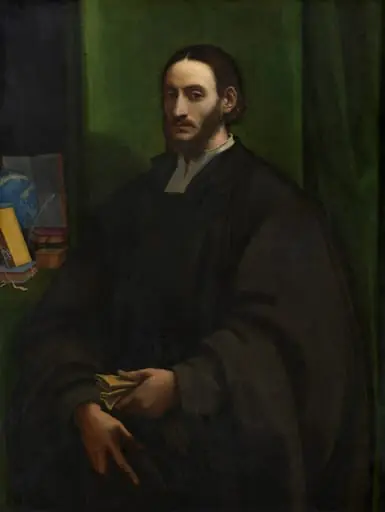 Portrait of a Humanist
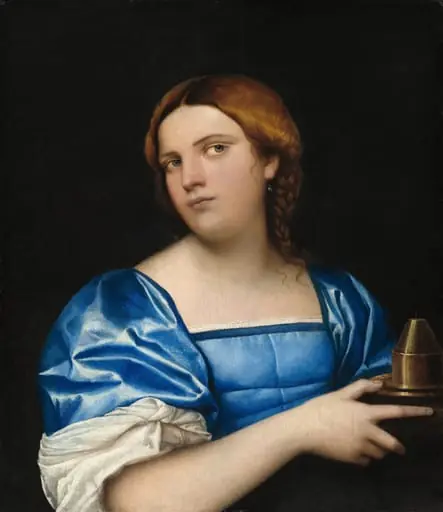 Portrait of a Young Woman as a Wise Virgin
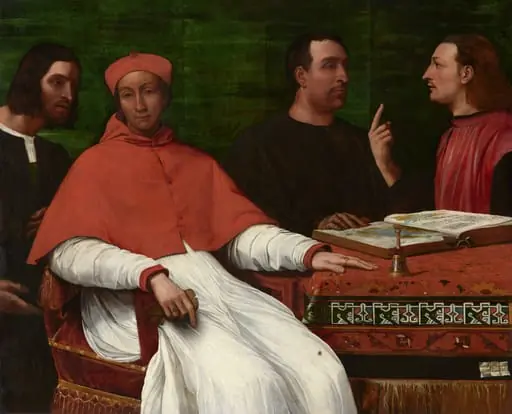 Cardinal Bandinello Sauli, His Secretary, and Two Geographers
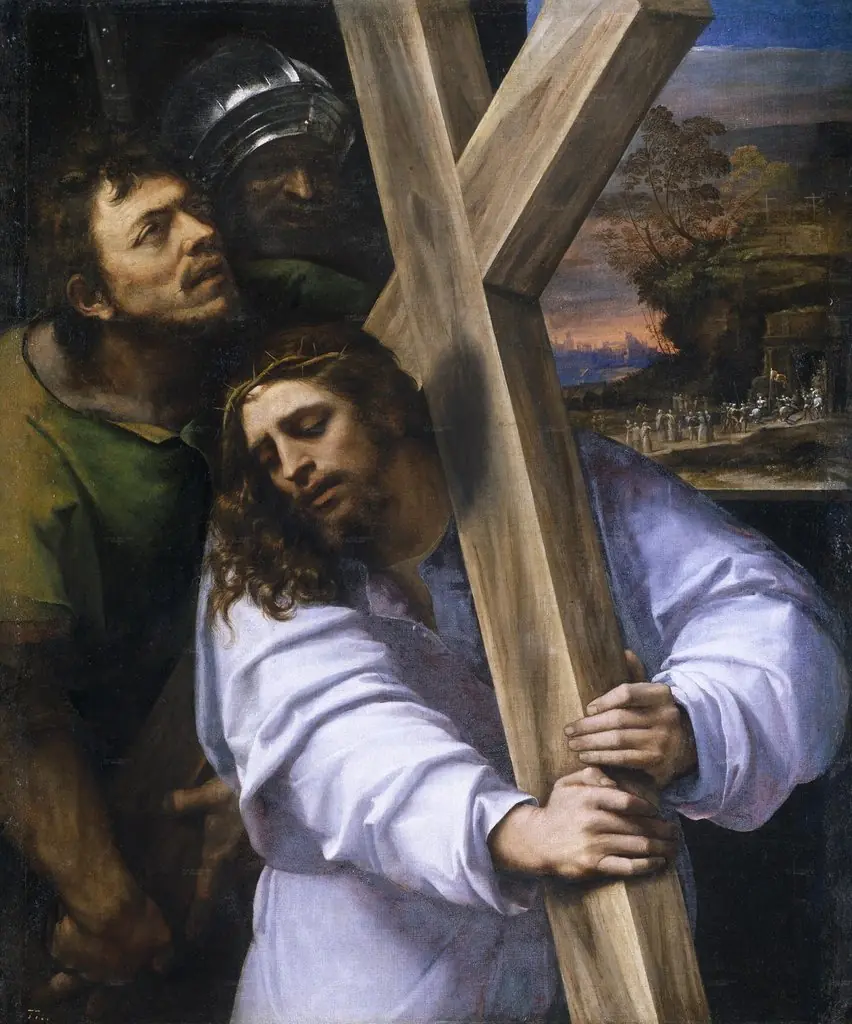 Jesus carrying the Cross
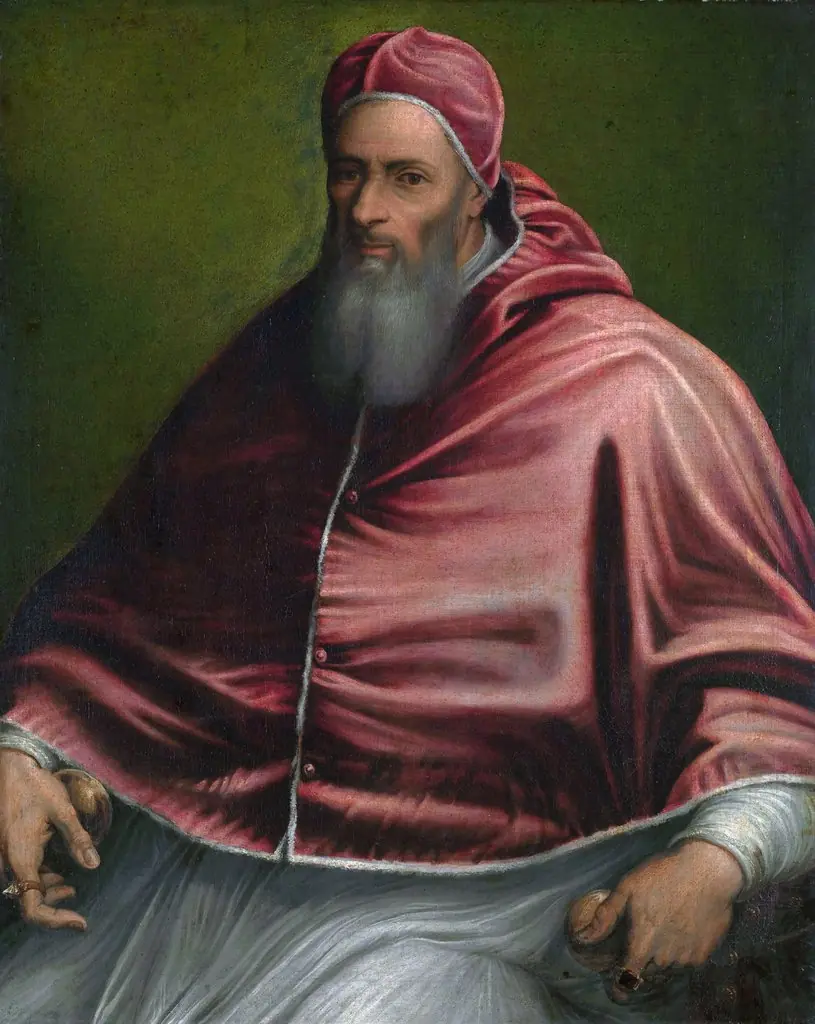 Pope Julius III (1478-1555)
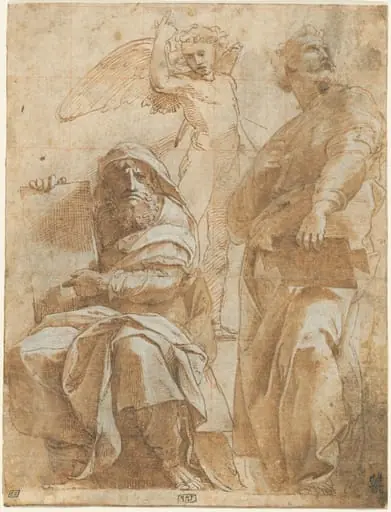 The Prophets Hosea and Jonah
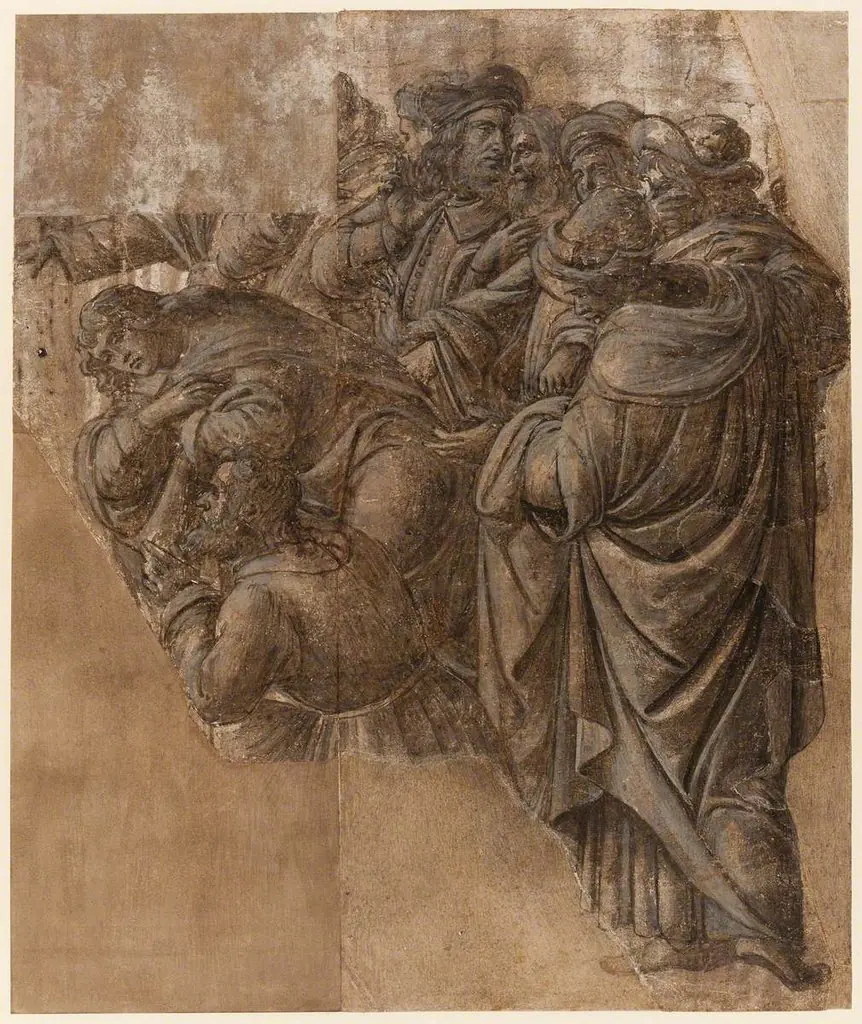 Two Fragments of a Cartoon of 'The Adoration of the Magi'
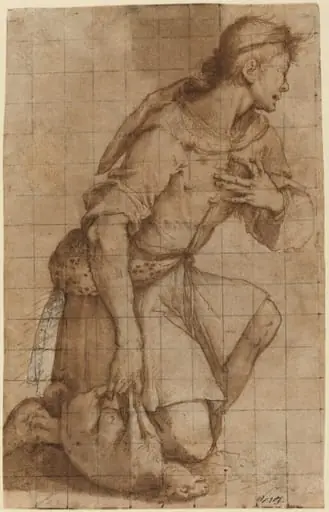 Kneeling Shepherd
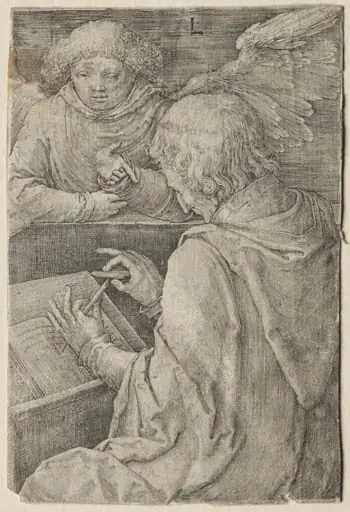 The Evangelists: St. Matthew
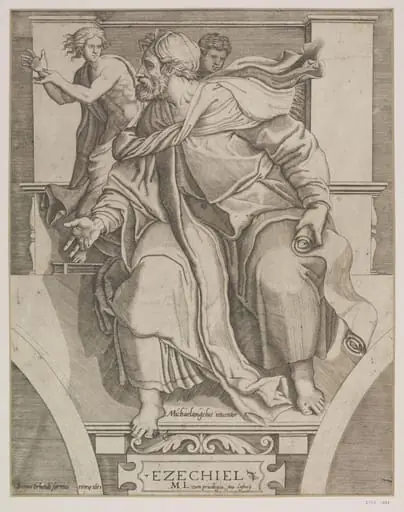 Ezekiel
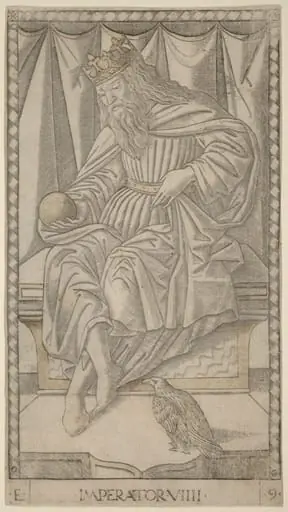 Imperator (Emperor)
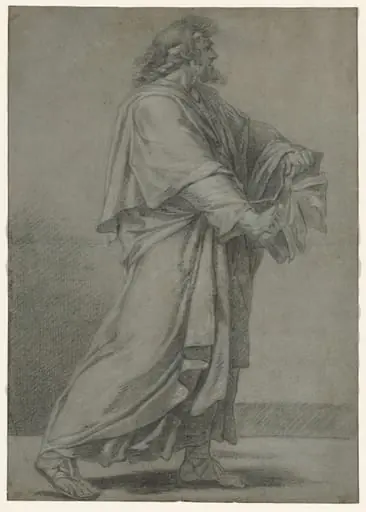 Man Destroying Book
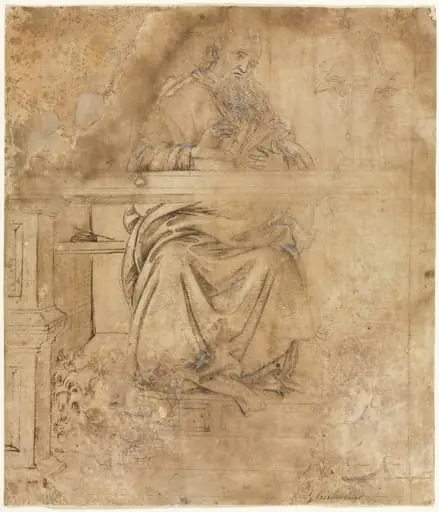 St. Jerome in His Study
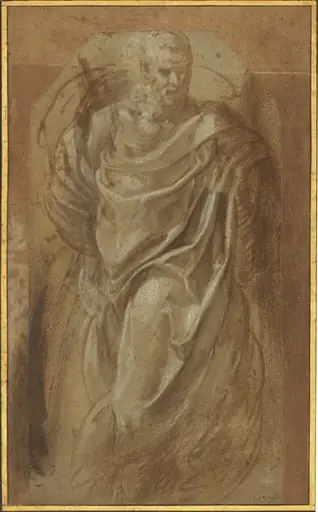 A Standing Man in Classical Drapery
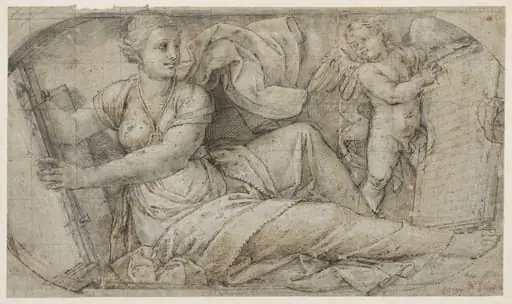 Reclining sibyl holding a book, with a winged putto supporting an inscribed tablet
 Saint Matthew
 The Holy Family with Two Angels