Artwork
George Alsop
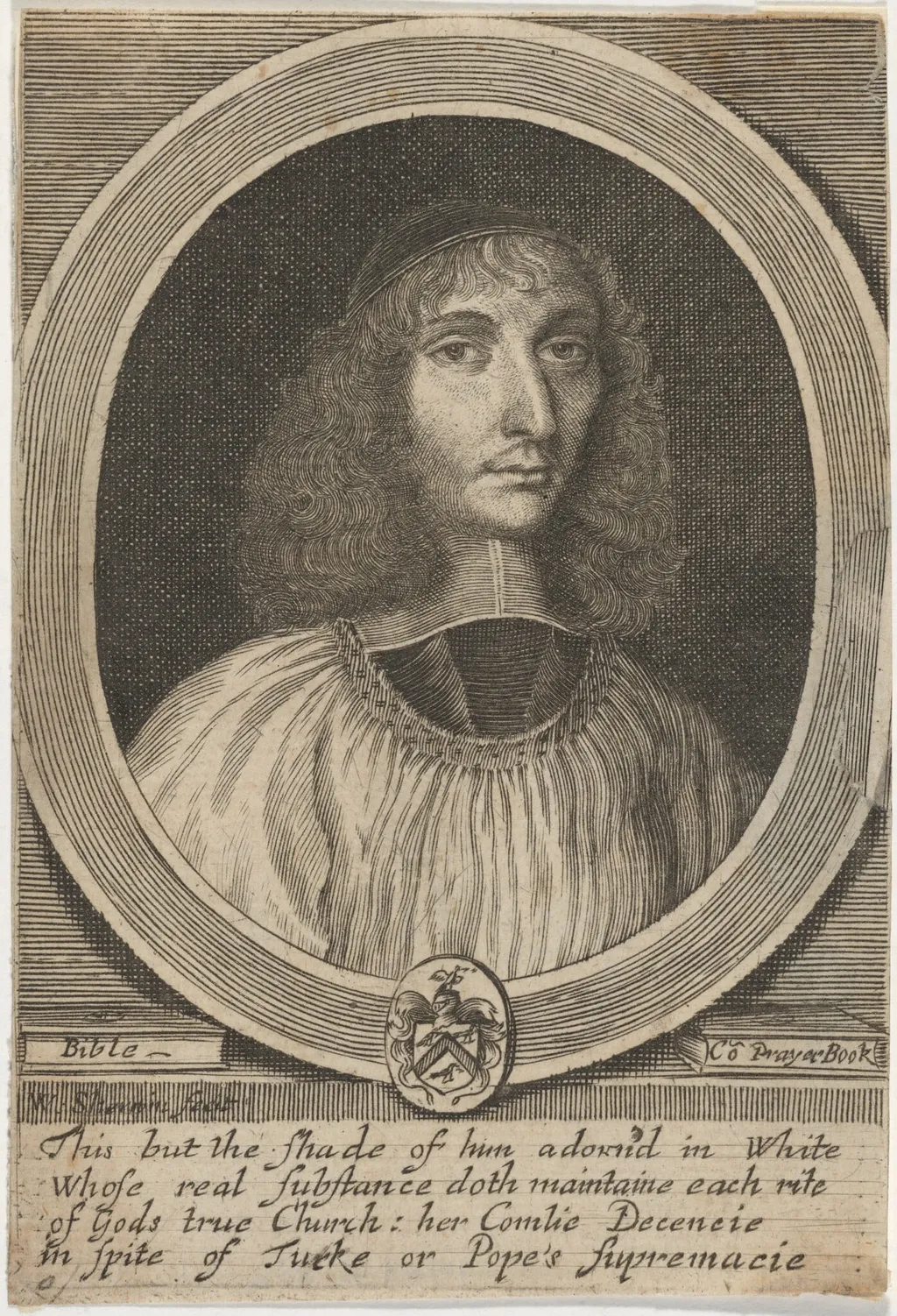
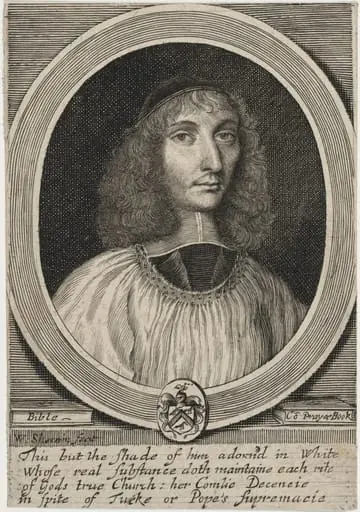
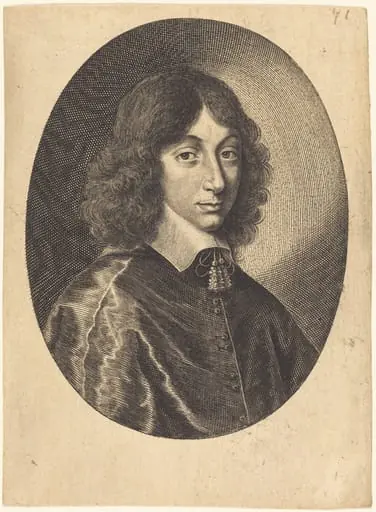
George Alsop is an ink print by the Baroque artist William Sherwin. It dates from 1666 and is held in the collection of the National Gallery of Art.
About this work
Overview
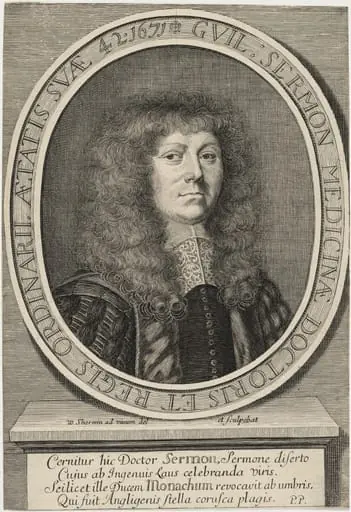
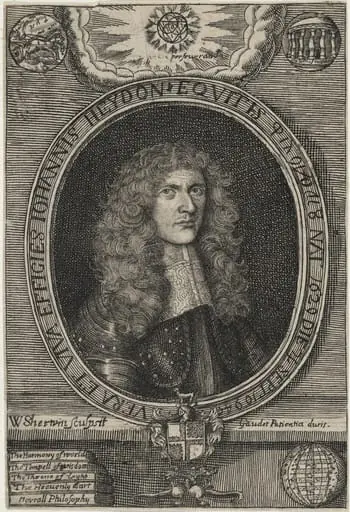
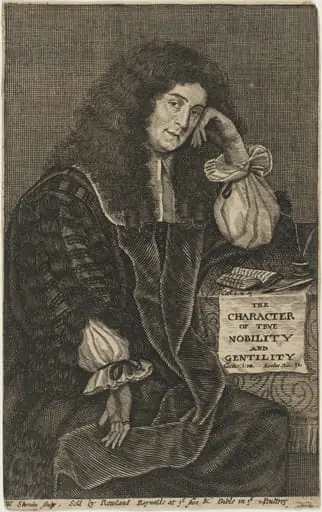
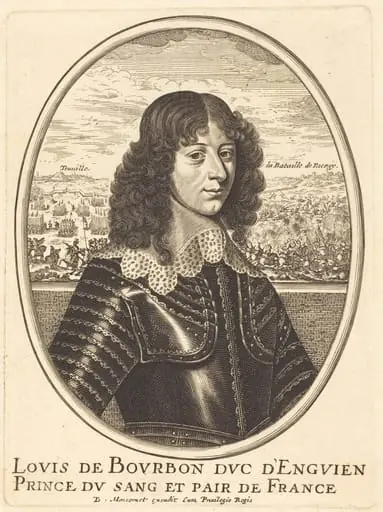
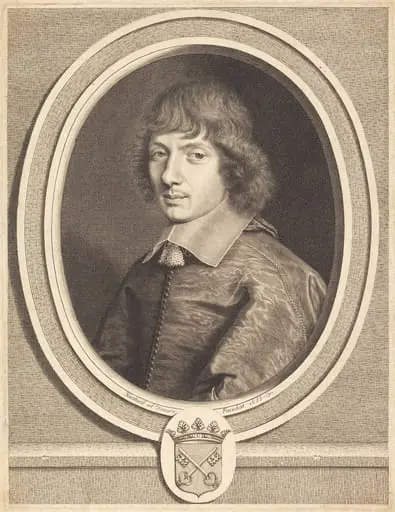
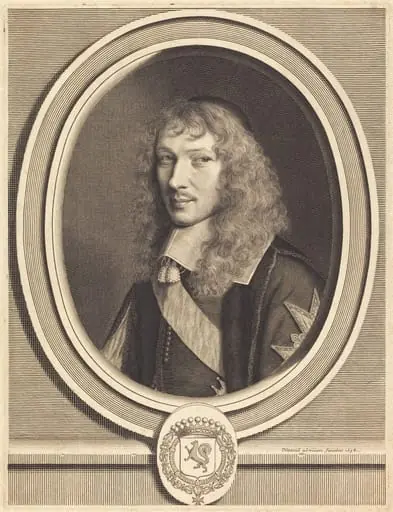
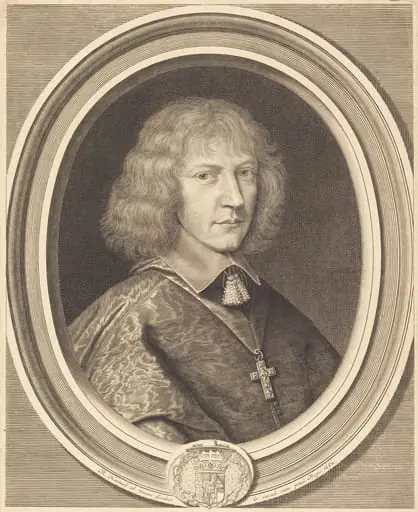
William Sherwin’s 1666 engraving presents a portrait of a gentleman named George Alsop. Rendered in black and white, the image is bounded by a circular frame filled with cross‑hatched decoration. Beneath the portrait a modest coat of arms and a brief poem in early modern English complete the composition, suggesting a commemorative purpose.
Subject & Meaning
The sitter, identified by the inscription as George Alsop, is depicted with curly hair, a high‑collared shirt, and a solemn expression. The surrounding text references themes of faith and authority, implying that Alsop held a position of social or religious significance, and that the print was intended to honor his status.
Technique & Style
Sherwin employs fine, parallel lines to model the face, creating subtle gradations of tone that give the portrait a three‑dimensional quality. The cross‑hatching within the circular border and the delicate rendering of the coat of arms demonstrate the meticulous line work typical of mid‑seventeenth‑century English engraving.
History & Provenance
Created in 1666, the print is an example of Sherwin’s work during a period when portrait engravings served both documentary and commemorative functions. The original plate’s ownership history is not recorded, but the work has survived in several institutional collections, attesting to its continued relevance as a historical portrait.
Context
In the Restoration era, portrait engravings were a common means of disseminating images of notable individuals beyond the reach of painted portraits. Sherwin’s engraving aligns with this practice, providing a reproducible likeness of Alsop that could be circulated among peers and patrons.
Artist & collection