Artwork
John Heydon, Astrologer and Rosicrucian
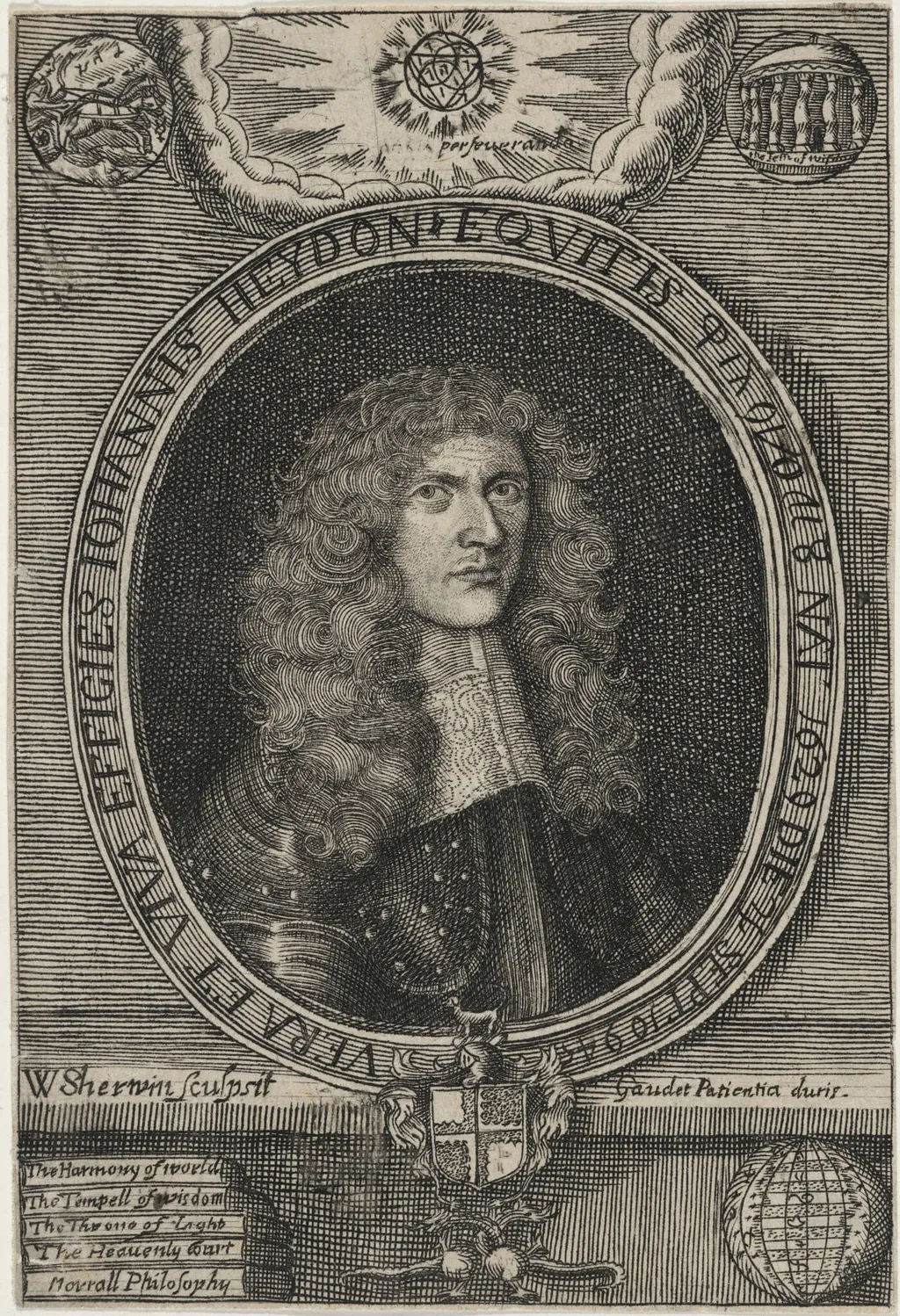
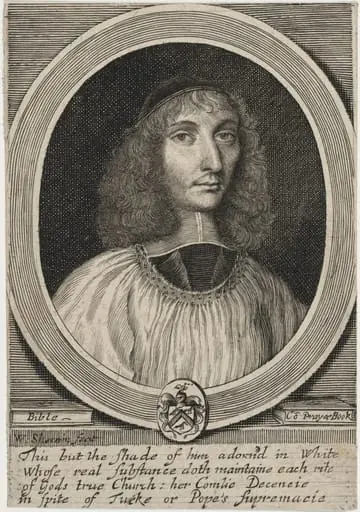
John Heydon, Astrologer and Rosicrucian is an ink print by the Baroque artist William Sherwin. It dates from 1678 and is held in the collection of the National Gallery of Art.
About this work
Overview
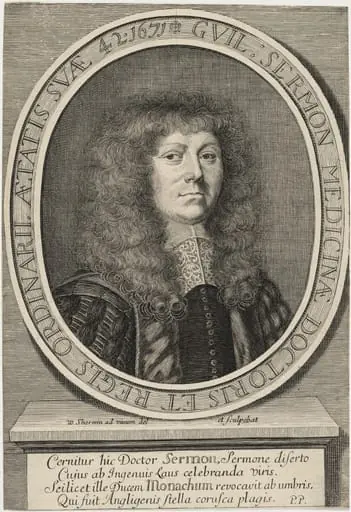
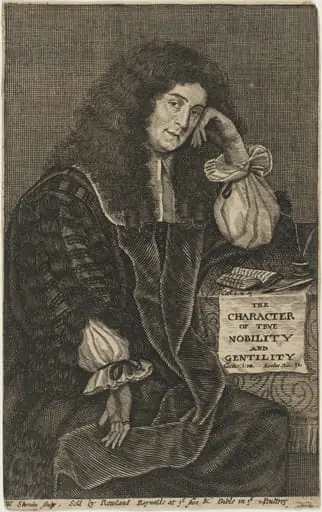
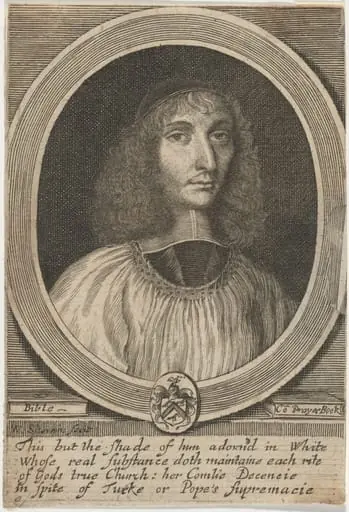
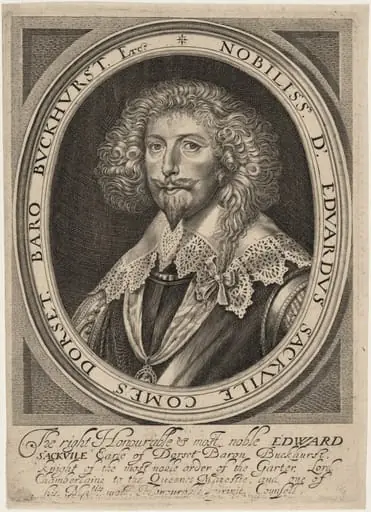
William Sherwin’s 1678 engraving presents John Heydon, identified as an astrologer and member of the Rosicrucian movement. Rendered in monochrome, the image centers Heydon’s face within a circular frame, encircled by ornamental swirls, Latin inscriptions, and modest emblematic motifs that hint at his esoteric affiliations.
Subject & Meaning
Heydon is depicted with tightly curled hair and a full beard, his expression rendered with careful shading to convey a contemplative demeanor. The surrounding decorative elements—interlaced lines, dots, and symbolic icons—serve to emphasize his intellectual and mystical pursuits, aligning the portrait with contemporary visual codes for learned occultists.
Technique & Style
The work exemplifies 17th‑century copperplate engraving, employing fine hatching and stippling to model volume and texture. Sherwin’s line work creates a dense, almost ornamental background, while the central portrait benefits from smoother gradations that differentiate facial planes from the decorative border.
History & Provenance
Created in 1678, the print was likely circulated among circles interested in astrology and Rosicrucian thought, though specific ownership records are scarce. Its survival in museum collections attests to the period’s broader fascination with printed portraits of intellectual figures.
Context
During the late Stuart era, portraits of astrologers and secret societies were common in print culture, reflecting a public appetite for esoteric knowledge. Sherwin’s engraving aligns with this trend, offering a visual codex that blends personal likeness with symbolic references to occult traditions.
Legacy
While not widely reproduced, the engraving remains a valuable document of how 17th‑century England visualized and disseminated the identities of occult practitioners, illustrating the intersection of art, print technology, and the era’s mystical currents.
Artist & collection