Artwork
お盆燈籠の火付|Lighting a Hanging Lantern for the Obon Festival
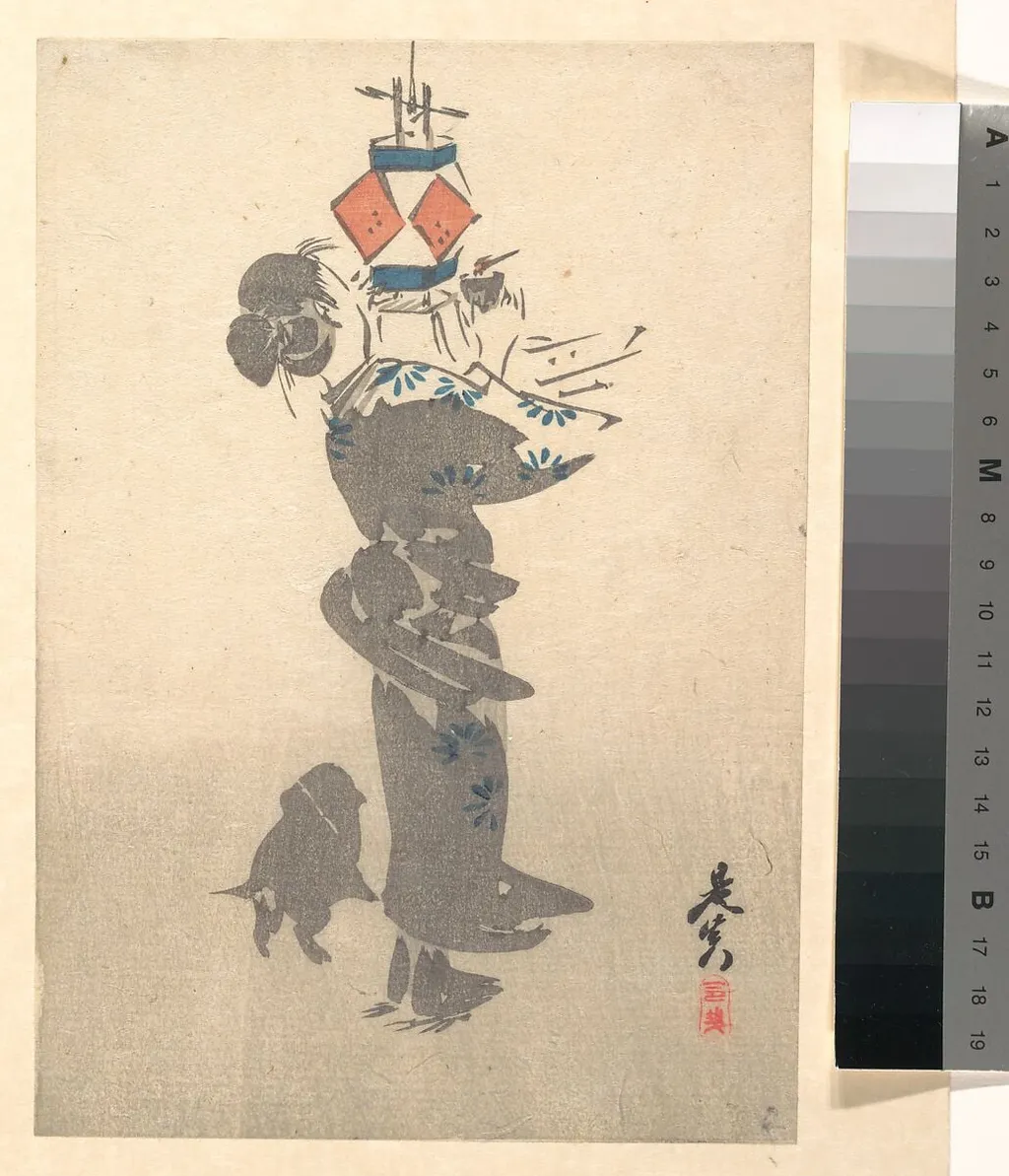
お盆燈籠の火付|Lighting a Hanging Lantern for the Obon Festival is an ink print by the Impressionist artist Shibata Zeshin. It dates from 1860 and is held in the collection of the Metropolitan Museum of Art.
About this work
To learn more about this style, you can explore the work of Shibata Zeshin, a Japanese artist known for his woodblock prints.
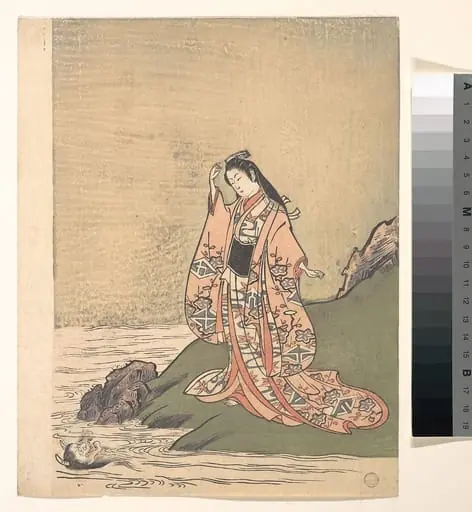
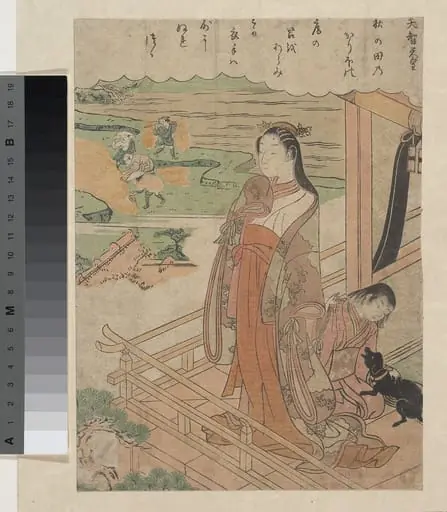
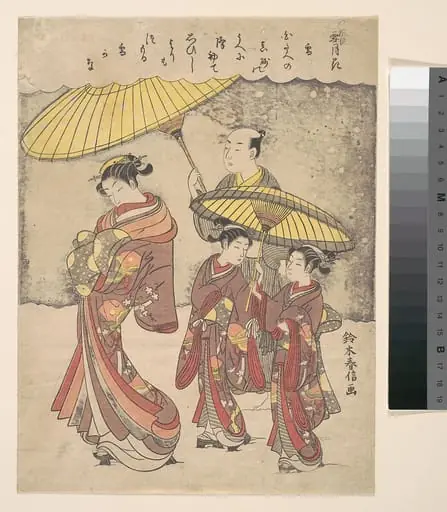
The image shows a woodblock print of a woman in a kimono holding a lantern. She is standing next to a dog, and the lantern is hanging from a pole. The woman's kimono is decorated with blue flowers, and she is wearing a white obi with blue stripes. The lantern is red and white, and it is hanging from a long pole.
The print is done in muted colors, with shades of gray and beige dominating the scene. The woman's face is not visible, but her posture suggests that she is looking up at the lantern. The dog is small and dark, and it is standing next to the woman's feet.
The print is an example of Japanese art from the 19th century. To learn more about this style, you can explore the work of Shibata Zeshin, a Japanese artist known for his woodblock prints.
Overview
Created around 1860 by the Japanese printmaker Shibata Zeshin, this nishiki-e woodblock print depicts a domestic scene associated with the Obon festival. The work is part of the collection of the Metropolitan Museum of Art in New York.
Subject & Meaning
A woman in a patterned kimono stands beside a small dark dog while lighting a hanging lantern on a pole, an activity linked to the traditional Obon observances that honor ancestral spirits. Her upward gaze suggests attention to the lantern’s flame, emphasizing the ritual’s contemplative aspect.
Technique & Style
Executed in the multicolored nishiki-e method, the print employs a restrained palette of grays, beiges, and muted reds. The delicate line work defines the kimono’s blue floral motif and the white obi with blue stripes, while the subtle shading conveys the soft illumination of the lantern.
History & Provenance
The print entered the Metropolitan Museum of Art’s collection through acquisition in the early 20th century, reflecting the museum’s early interest in Japanese ukiyo‑e. Its attribution to Zeshin, a noted 19th‑century artist, situates it within the late Edo period’s flourishing print culture.
Context
Obon lanterns were traditionally lit to guide the spirits of the deceased back to the world of the living. The scene captures a quiet, everyday moment of this practice, illustrating how domestic life and religious custom intertwined in mid‑19th‑century Japan.
Artist & collection