Artwork
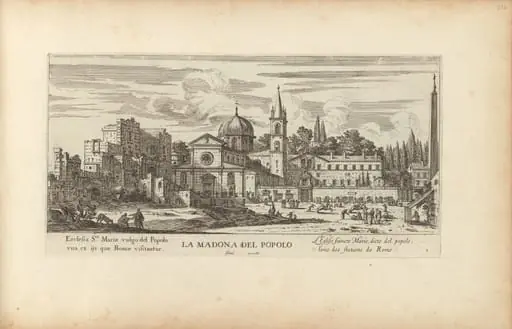
Veue de l'Eglise de la Madonna del popolo à Rome
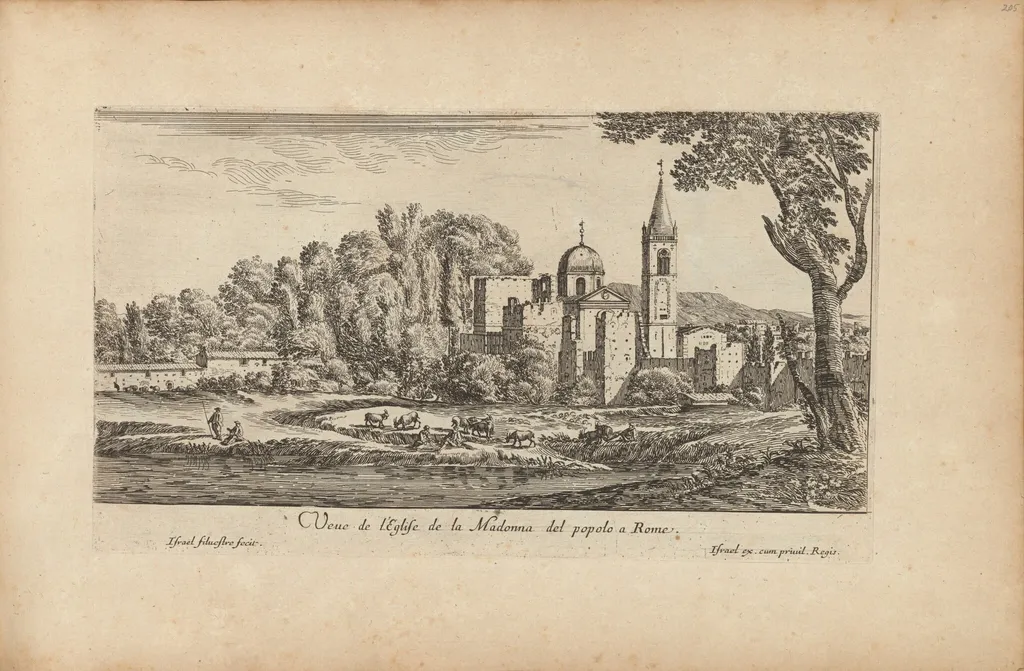
Veue de l'Eglise de la Madonna del popolo à Rome is an ink print by the Baroque artist Israël Silvestre. It dates from 1650 and is held in the collection of the National Gallery of Art.
About this work
Overview
Veue de l'Eglise de la Madonna del popolo à Rome is an etching on laid paper created by Israël Silvestre in 1650. The work captures a serene riverside scene featuring the Church of Madonna del Popolo in Rome, characterized by a prominent bell tower, dome, and cross. The composition includes surrounding trees, a slight hill, and everyday activity with people and animals.
Subject & Meaning
The subject is the Church of Madonna del Popolo in Rome, depicted in a tranquil setting. The etching reflects Silvestre's focus on architectural topography, emphasizing the building's presence within its landscape. The scene's calmness and attention to detail suggest an interest in documenting notable European sites for a broader audience.
Technique & Style
Silvestre employed etching techniques to achieve a three-dimensional effect, utilizing lines to convey light and shadow. This method, involving carving into a metal plate, allowed for detailed, expressive rendering of the church's architecture and its natural surroundings.
History & Provenance
Created in 1650 by Israël Silvestre, a French artist known for European topographical views. Silvestre's background, including his upbringing by an etcher/print-seller in Paris and extensive European travels, influenced his specialty in architectural etchings.
Context
Part of a broader 17th-century European tradition of documenting notable buildings through printmaking. Silvestre's travels to Italy (on three occasions) and connections to etching circles (notably via his uncle and possibly Jacques Callot) contextualize the piece within a network of artistic and commercial practices focused on architectural representation.
Legacy
Contributes to the body of work showcasing Silvestre's contribution to topographical etching in 17th-century Europe. The piece remains a testament to the era's interest in disseminating images of prominent architectural sites through etching, reflecting both artistic technique and documentary intent.
Artist & collection
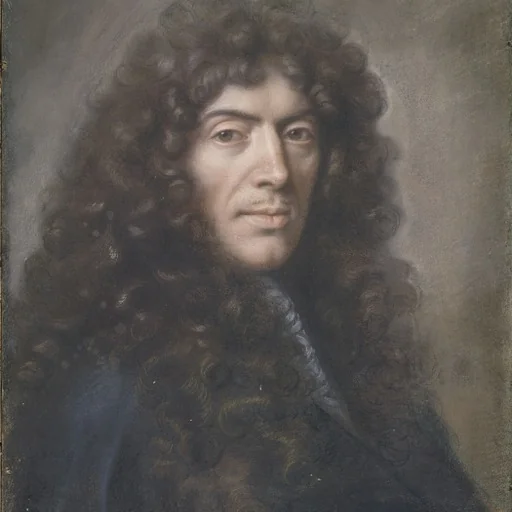
Artist
Israel Silvestre (13 August 1621 in Nancy – 11 October 1691 in Paris), called the Younger to distinguish him from his father, was a prolific French draftsman, etcher and print dealer who specialized in topographical views and perspectives…

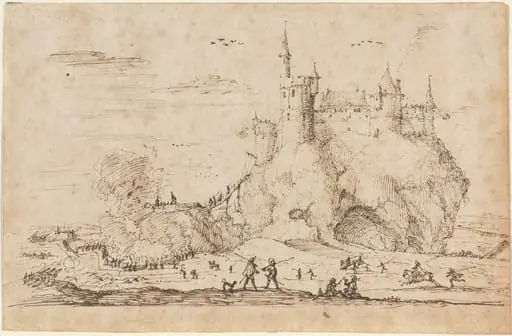 Castle under Siege
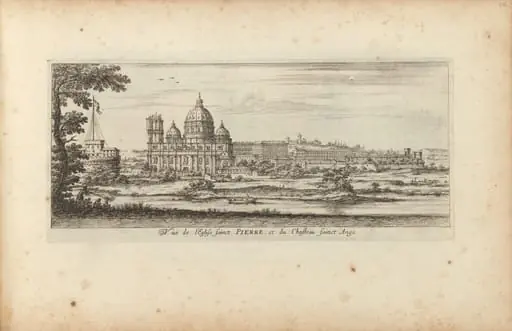 Vuë de l'Eglise sainct Pierre, et du Chasteau Sainct Ange
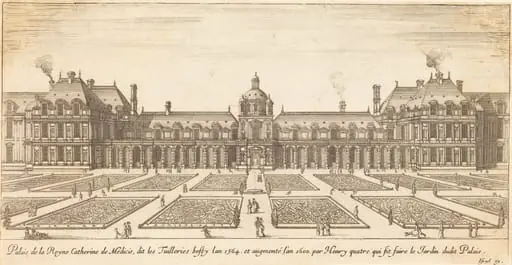 Palais de la Reyne Catherine de Medicis
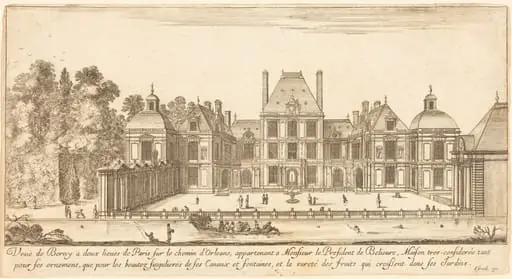 Veue de Berny a deux lieues de Paris sur le chemin d'Orléans
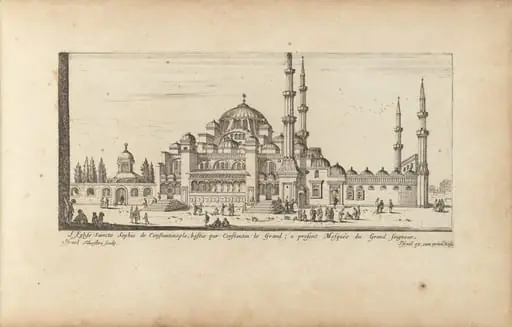 L'Eglise Saincte Sophie de Constantinople, bastie par Constantin le Grand; a present Mosquée du Grand seigneur
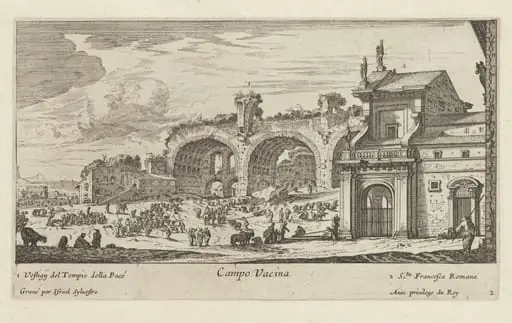 Campo Vacina
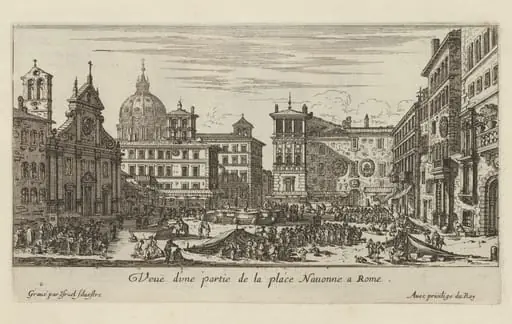 Veuë d'une partie de la place Navonne a Rome
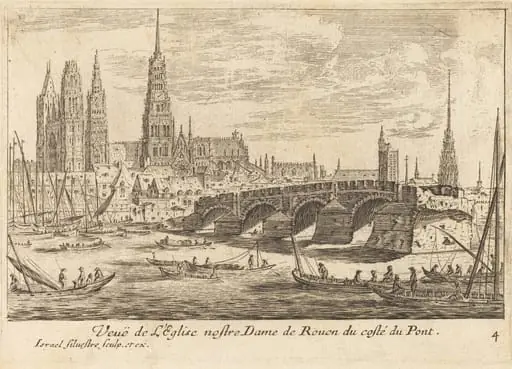 Veue de l'Eglise nostre Dame de Rouen
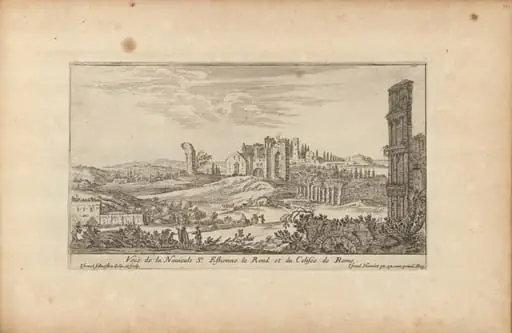 Veuë de la Navicule St. Estienne le Rond et du Colisée de Rome
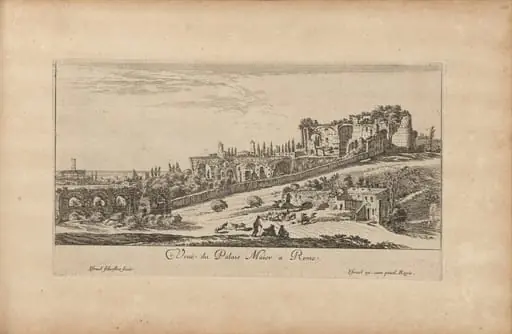 Veuë du Palais Maior a Rome
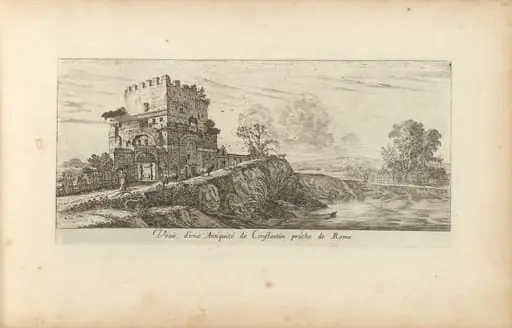 Veue d'une Antiquité de Constantin proche de Rome
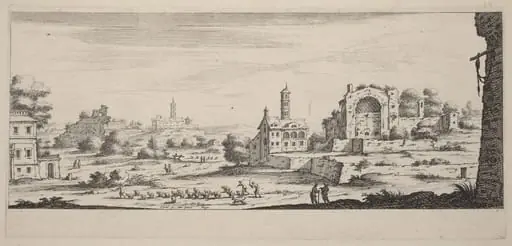 Veuë de temple de Soleil à Rome (View of the Sun Temple in Rome)
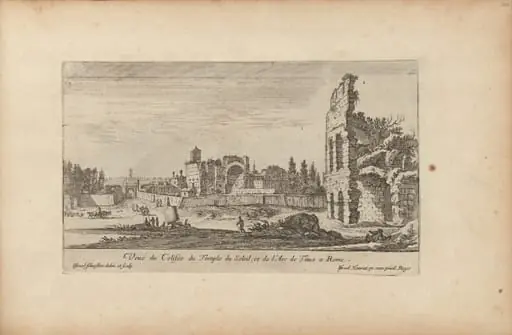 Veuë du Colisée du Temple du Soleil, et de l'Arc de Titus a Rome
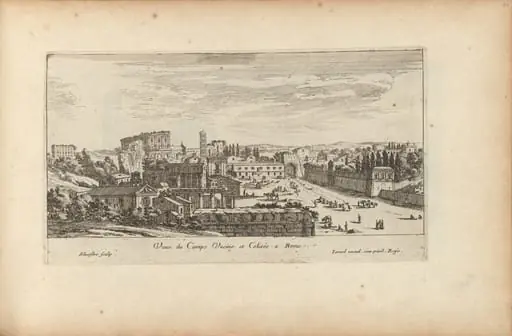 Veue du Campo Vacine et Colisée a Rome
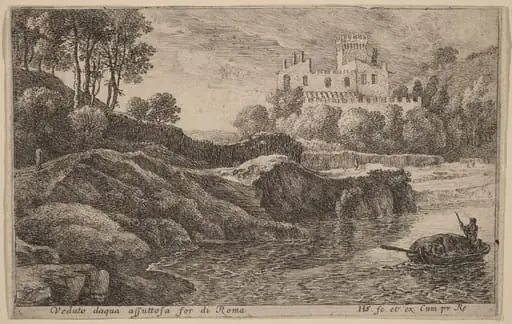 View of the Aqua Acetosa
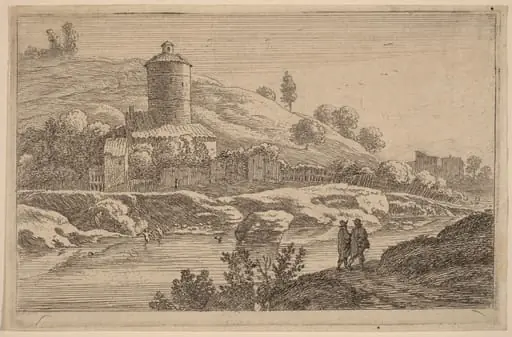 Round Tower near the Tiber
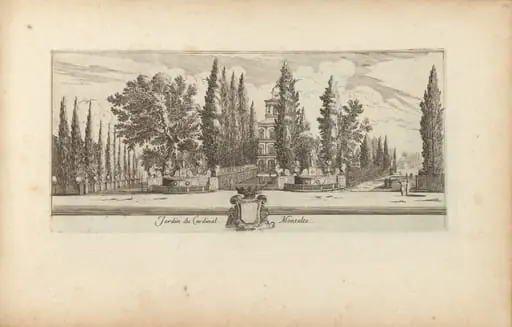 Jardin du Cardinal Montalte
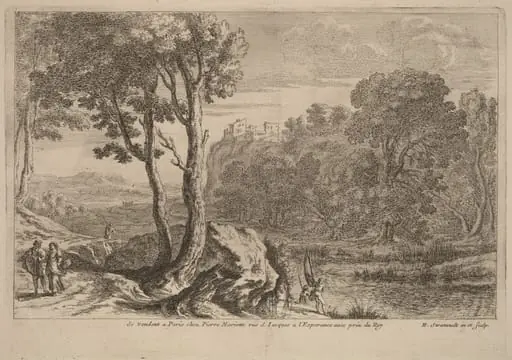 The Fishermen
 Rustic Village along a River with Travelers
 La Madona del Popolo