Artwork
Vuë de l'Eglise sainct Pierre, et du Chasteau Sainct Ange
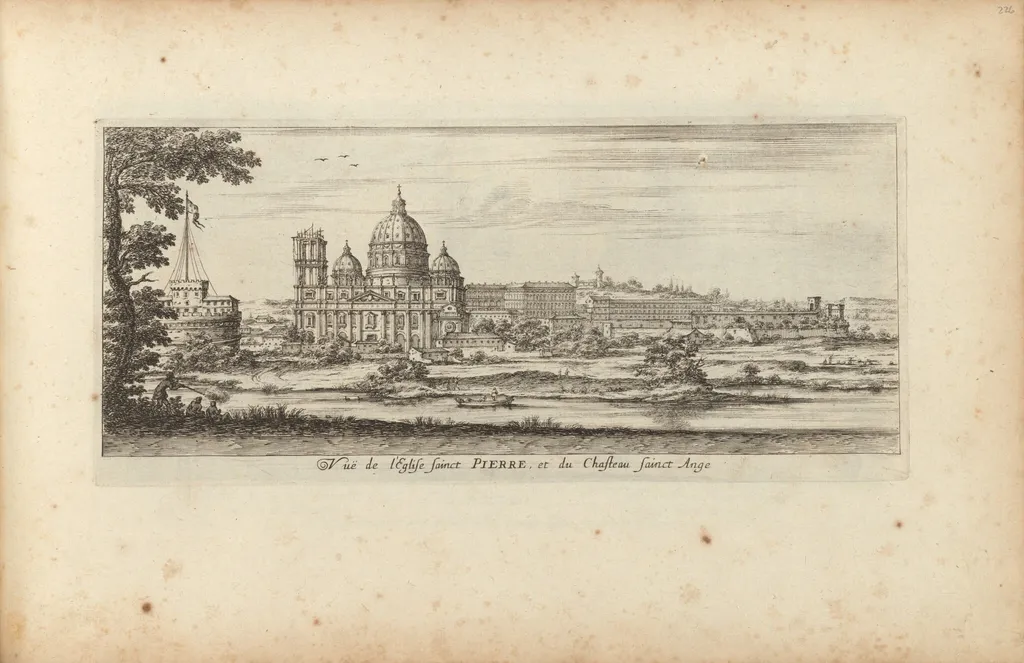
Vuë de l'Eglise sainct Pierre, et du Chasteau Sainct Ange is an ink print by the Baroque artist Israël Silvestre. It dates from 1650 and is held in the collection of the National Gallery of Art.
About this work
Overview
Silvestre, trained in printmaking under his uncle in Paris, specialized in architectural subjects drawn from direct observation.
Created in 1650 by French artist Israël Silvestre, this etching on laid paper presents a precise topographical view of Saint Peter’s Basilica and Castel Sant’Angelo in Rome. Silvestre, trained in printmaking under his uncle in Paris, specialized in architectural subjects drawn from direct observation. The work belongs to a broader body of prints produced from his sketches made during travels across Europe, reflecting a growing 17th-century interest in documented urban landscapes.
Subject & Meaning
The composition captures two of Rome’s most prominent landmarks: the dome and towers of Saint Peter’s Basilica rising beside the elongated, fortified structure of Castel Sant’Angelo on the opposite bank of the Tiber. A small boat near the shore and scattered trees frame the scene, grounding the monumental architecture in a lived environment. The image functions not as idealized fantasy but as a measured record, aligning with contemporary scholarly and tourist interest in Rome’s physical fabric.
Technique & Style
Silvestre employed fine, controlled etching lines to render architectural details with clarity—each brick, window, and tree branch is delicately defined. The use of laid paper, with its subtle texture, enhances the tonal range of the ink, allowing for subtle gradations in shadow and light. The perspective is carefully constructed to convey spatial depth, with the river acting as a visual conduit between the two structures, reinforcing the scene’s topographical accuracy.
History & Provenance
Orphaned in childhood, Silvestre was raised by his uncle, a print seller linked to the influential etcher Jacques Callot. He traveled widely in France, Spain, and Italy, sketching monuments that later became the basis for published prints. This work was likely part of a series sold individually or bound in albums, catering to collectors and travelers. Its survival in museum collections today reflects its early circulation and enduring value as a documentary record.
Context
In mid-17th-century Europe, there was rising demand for accurate depictions of famous cities, fueled by Grand Tour culture and the expansion of print markets. Silvestre’s work emerged alongside other topographical artists who prioritized precision over ornamentation. His prints served both as souvenirs and as references for architects and scholars, contributing to a broader shift toward empirical representation in visual culture.
Legacy
Silvestre’s etchings established a model for topographical printmaking that influenced later generations of view-makers. His method of combining direct observation with meticulous draftsmanship set a standard for architectural documentation. Though not widely known today, his works remain important primary sources for understanding how Rome was visually recorded and disseminated in the early modern period.
Artist & collection
Artist
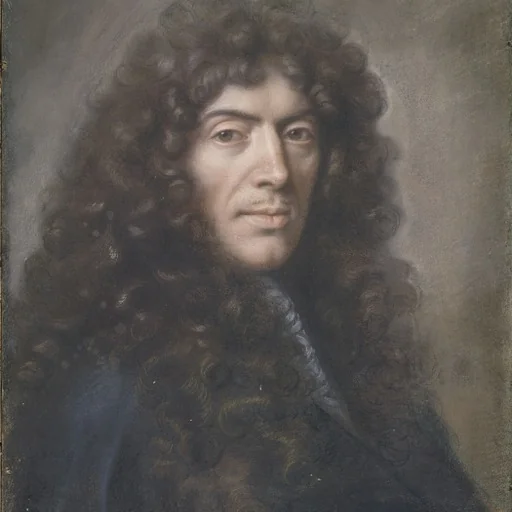
Israel Silvestre (13 August 1621 in Nancy – 11 October 1691 in Paris), called the Younger to distinguish him from his father, was a prolific French draftsman, etcher and print dealer who specialized in topographical views and perspectives…

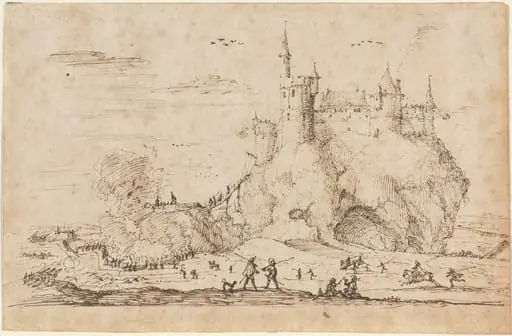 Castle under Siege
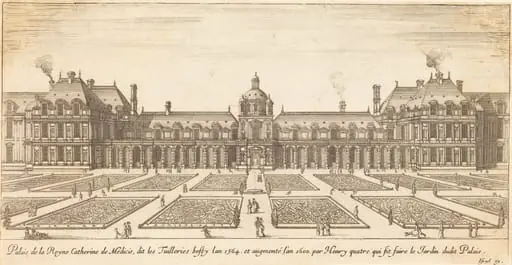 Palais de la Reyne Catherine de Medicis
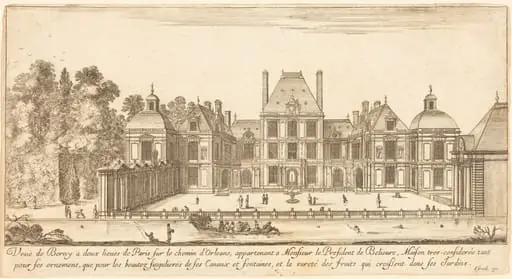 Veue de Berny a deux lieues de Paris sur le chemin d'Orléans
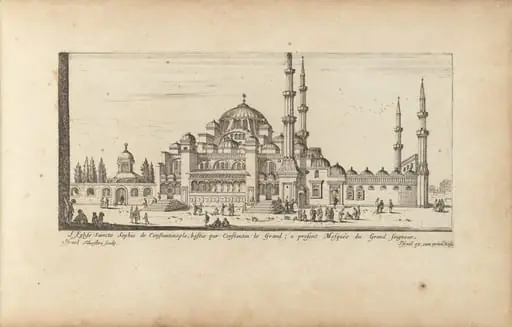 L'Eglise Saincte Sophie de Constantinople, bastie par Constantin le Grand; a present Mosquée du Grand seigneur
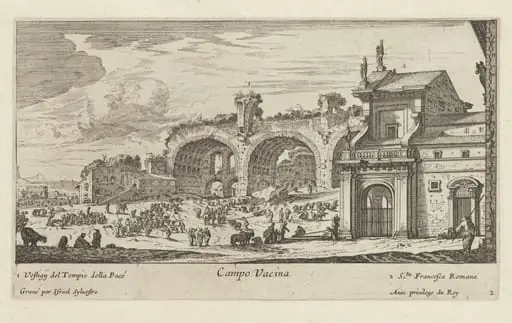 Campo Vacina
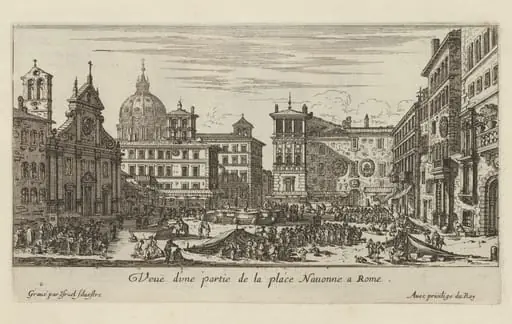 Veuë d'une partie de la place Navonne a Rome
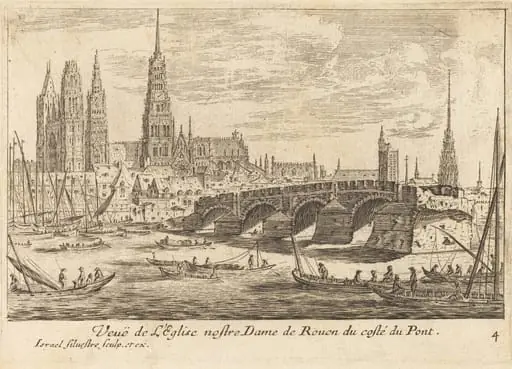 Veue de l'Eglise nostre Dame de Rouen
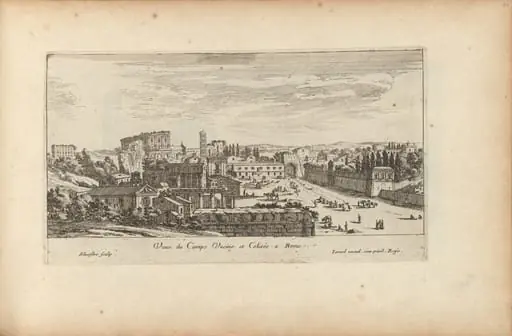 Veue du Campo Vacine et Colisée a Rome
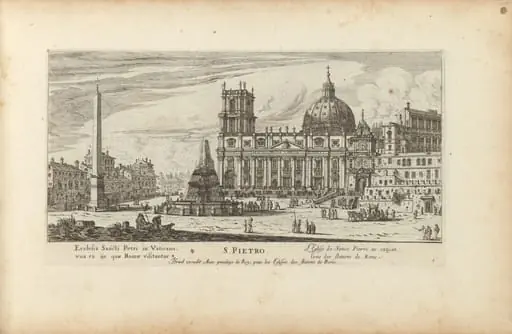 S. Pietro
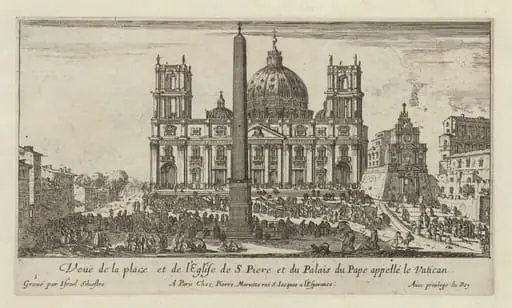 Veuë de la place et de l'Eglise de S. Piere et du Palais du Pape appellé le Vatican
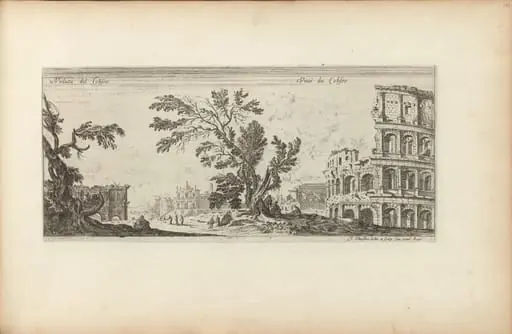 Veduta dei Coliseo
![Santa Maria Maggiore from "Prospectus Locurum Urbis Romae Insign[ium]", by Lievin Cruyl](https://artifactworldgallery.com/img/lievin-cruyl--santa-maria-maggiore-from-prospectus-locurum-urbis-romae-ins--552492caf03c6a55-w320.webp) Santa Maria Maggiore from "Prospectus Locurum Urbis Romae Insign[ium]"
Santa Maria Maggiore from "Prospectus Locurum Urbis Romae Insign[ium]"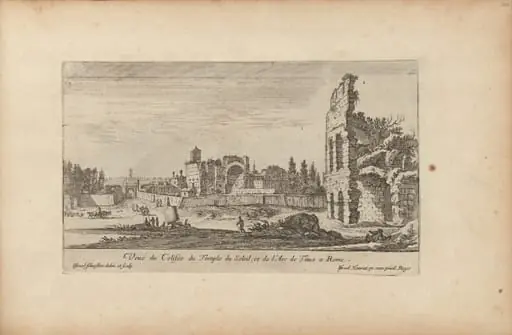 Veuë du Colisée du Temple du Soleil, et de l'Arc de Titus a Rome
![Piazza Navona from "Prospectus Locurum Urbis Romae Insign[ium], by Lievin Cruyl](https://artifactworldgallery.com/img/lievin-cruyl--piazza-navona-from-prospectus-locurum-urbis-romae-insign-ium--d113d99e439c18eb-w320.webp) Piazza Navona from "Prospectus Locurum Urbis Romae Insign[ium]
Piazza Navona from "Prospectus Locurum Urbis Romae Insign[ium]![St. Angelo from "Prospectus Locurum Urbis Romae Insign[ium], by Lievin Cruyl](https://artifactworldgallery.com/img/lievin-cruyl--st-angelo-from-prospectus-locurum-urbis-romae-insign-ium--b52698c9c51ea586-w320.webp) St. Angelo from "Prospectus Locurum Urbis Romae Insign[ium]
St. Angelo from "Prospectus Locurum Urbis Romae Insign[ium]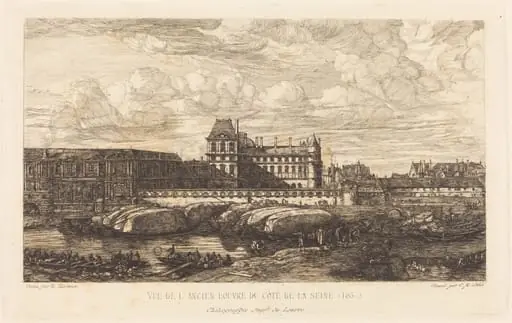 L'ancien Louvre d'après une peinture de Zeeman, 1651 (The Old Louvre, from a Painting by Zeeman, 1651)
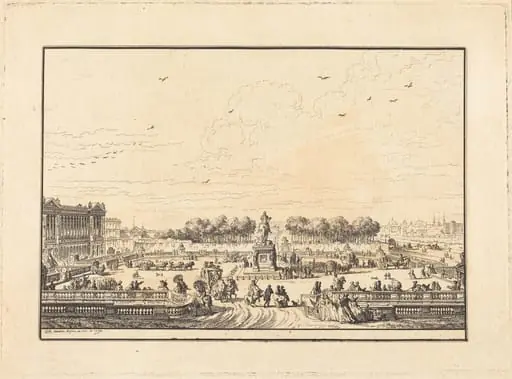 Place de Louis XV
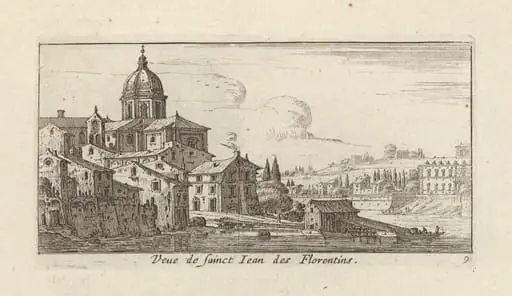 Veue de sainct Jean des Florentins