Artwork
Veduta dei Coliseo
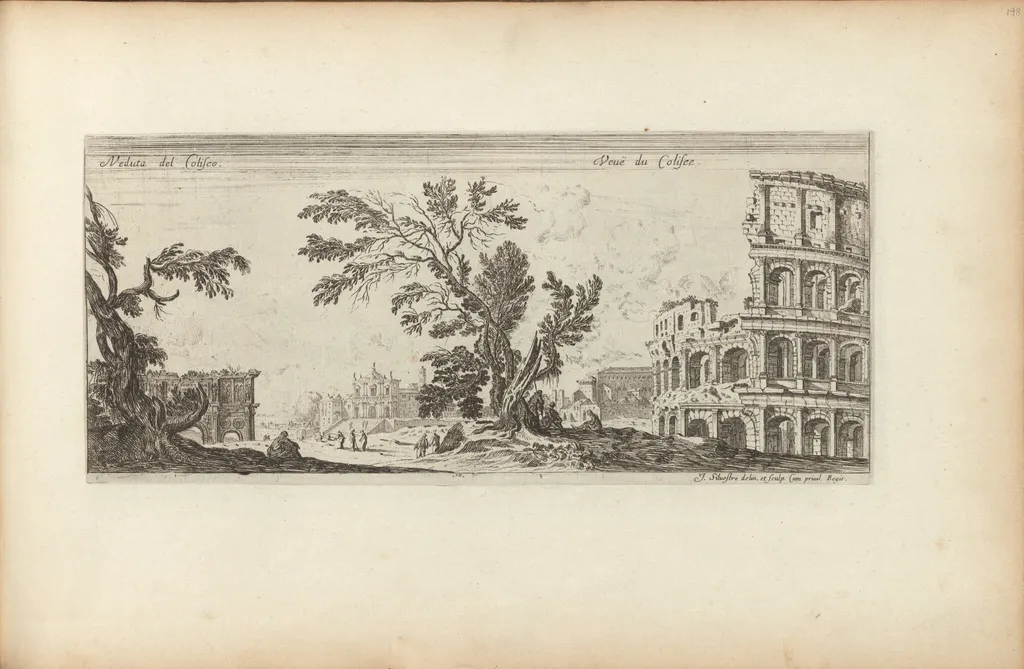
Veduta dei Coliseo is an ink print by the Baroque artist Israël Silvestre. It dates from 1650 and is held in the collection of the National Gallery of Art.
About this work
Overview
Veduta dei Coliseo is a 1650 etching on laid paper by Israel Silvestre, presenting a detailed topographical view of the Colosseum in a state of ruin.
Subject & Meaning
The print captures the Colosseum's architectural remnants, juxtaposing crumbling stone arches, trees, and small figures, conveying the monument's degradation over time amidst natural surroundings.
Technique & Style
Silvestre employed fine lines and nuanced shading to evoke light, shadow, and texture, characteristic of his perspectival expertise honed under his etcher uncle in Paris.
History & Provenance
Created during Silvestre's prolific period of etching European landmarks, this work reflects his travel-informed topographical specialization.
Context
Part of a 17th-century artistic trend focusing on architectural views, the etching also subtly highlights the Colosseum's transition from ancient grandeur to a ruinous, inhabited landscape.
Legacy
While specific legacy details of this piece are not highlighted, it contributes to Silvestre's broader influence on European topographical printmaking and the enduring interest in the Colosseum as a subject.
Artist & collection
Artist
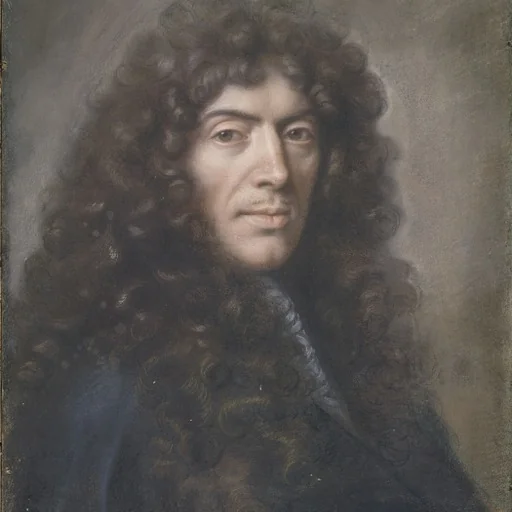
Israel Silvestre (13 August 1621 in Nancy – 11 October 1691 in Paris), called the Younger to distinguish him from his father, was a prolific French draftsman, etcher and print dealer who specialized in topographical views and perspectives…

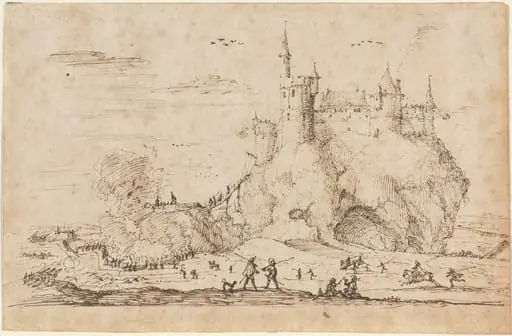 Castle under Siege
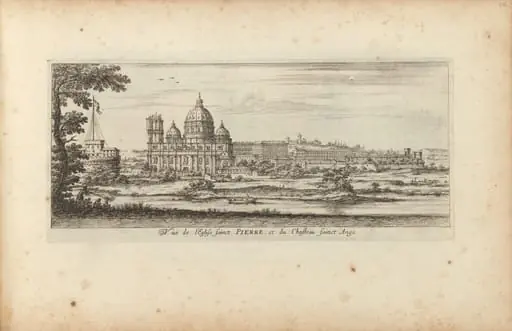 Vuë de l'Eglise sainct Pierre, et du Chasteau Sainct Ange
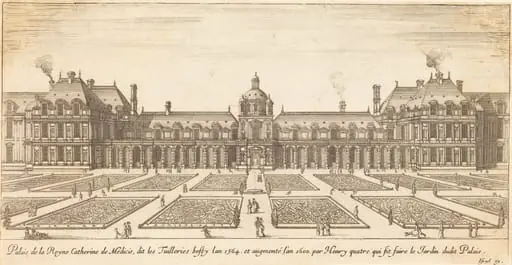 Palais de la Reyne Catherine de Medicis
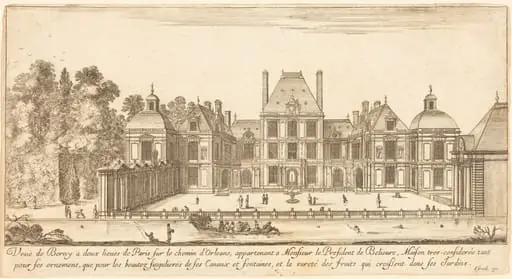 Veue de Berny a deux lieues de Paris sur le chemin d'Orléans
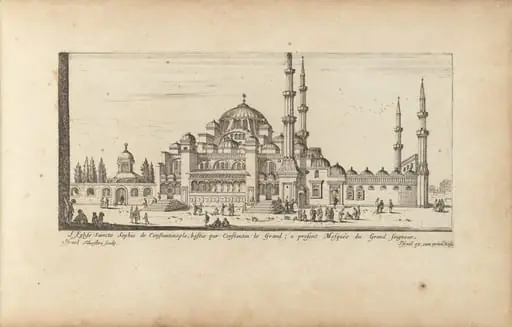 L'Eglise Saincte Sophie de Constantinople, bastie par Constantin le Grand; a present Mosquée du Grand seigneur
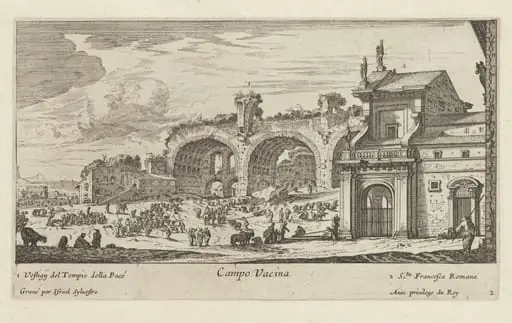 Campo Vacina
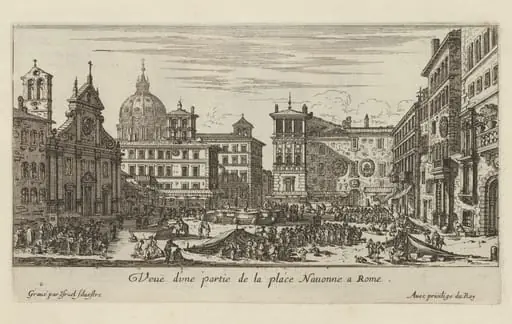 Veuë d'une partie de la place Navonne a Rome
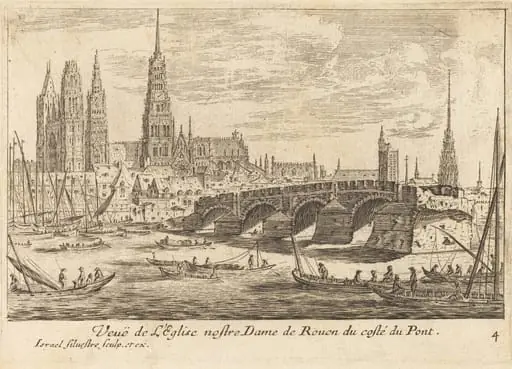 Veue de l'Eglise nostre Dame de Rouen
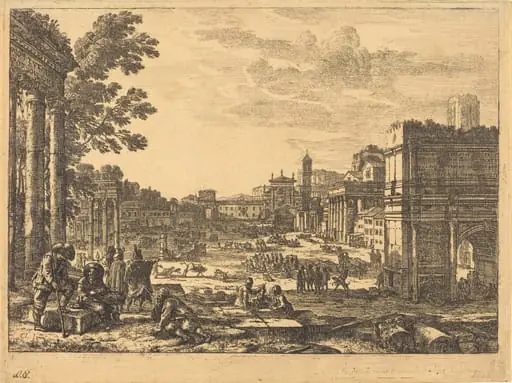 The Roman Forum (Le Campo Vaccino)
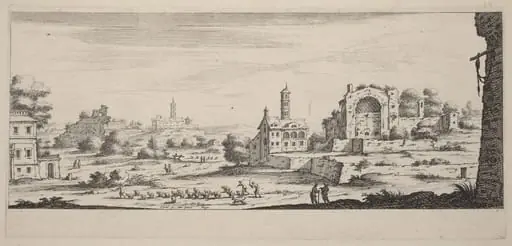 Veuë de temple de Soleil à Rome (View of the Sun Temple in Rome)
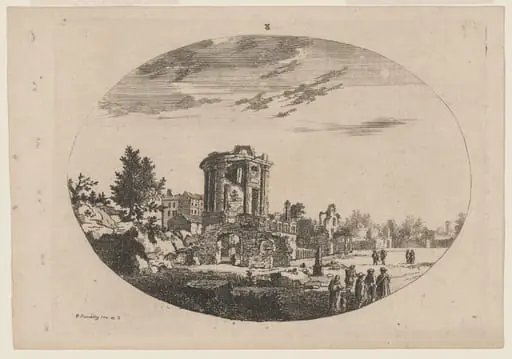 Ruined Circular Temple
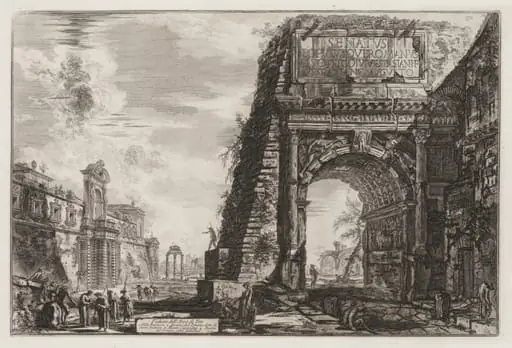 Views of Rome: The Arch or Titus
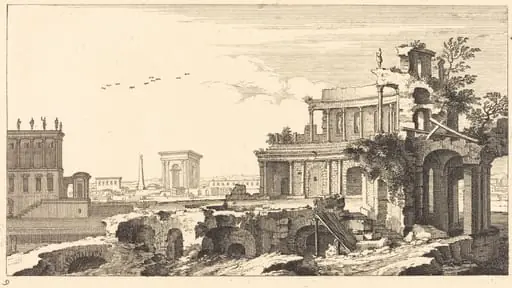 Landscape with Classical Ruins
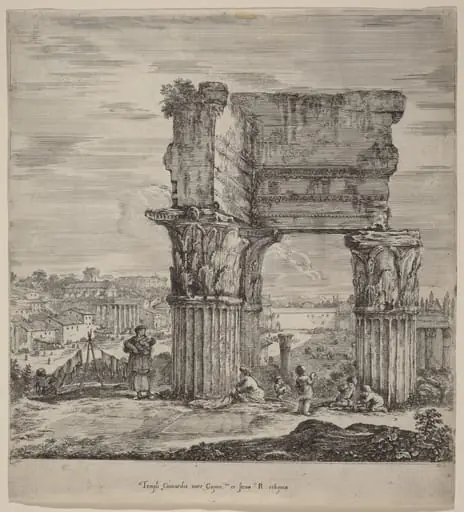 Temple of Concord and Roman Forum
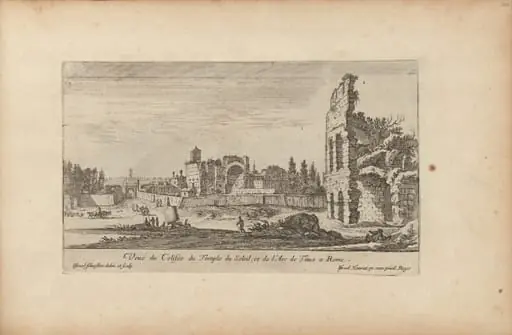 Veuë du Colisée du Temple du Soleil, et de l'Arc de Titus a Rome
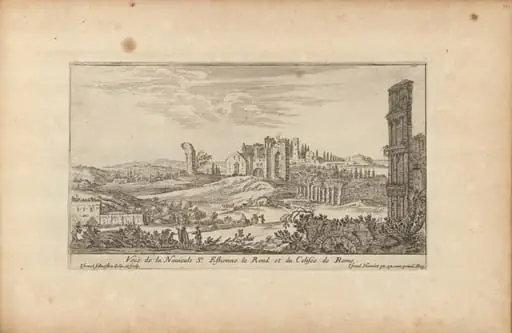 Veuë de la Navicule St. Estienne le Rond et du Colisée de Rome
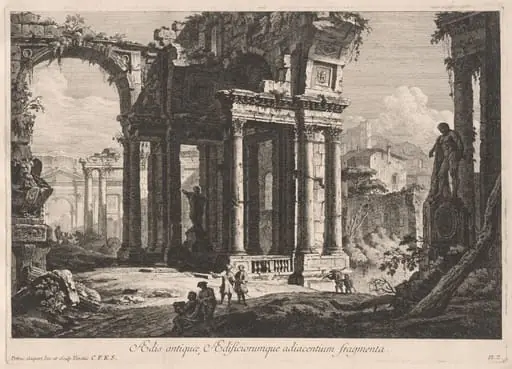 AEdis antiquae, AEdificiorumque adiacentium fragmenta