Artwork
La nature étaloit à nos yeux toute sa magnificence
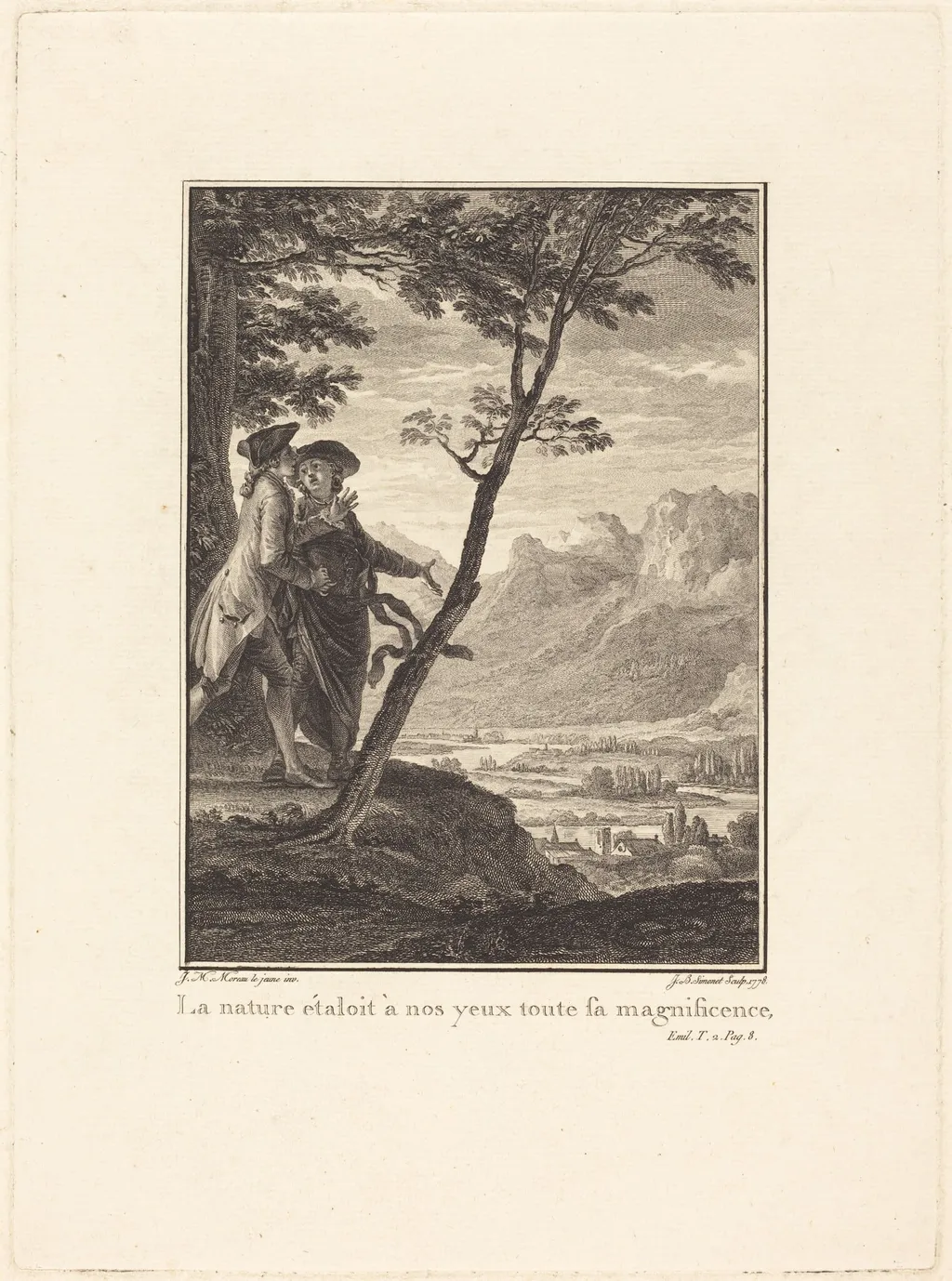
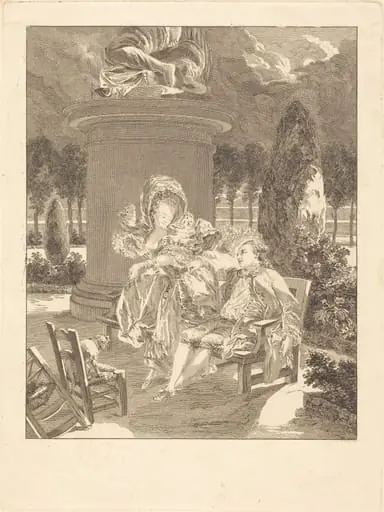
La nature étaloit à nos yeux toute sa magnificence is an ink print by the Romanticist artist Jean-Baptiste Blaise Simonet. It dates from 1778 and is held in the collection of the National Gallery of Art.
About this work
Overview
Created in 1778 by Jean-Baptiste Blaise Simonet, this print is an etching and engraving that captures a tranquil natural scene. The work belongs to the tradition of 18th-century French landscape prints, valued for their detailed rendering of the environment. Its title, drawn from poetic language, suggests an invitation to contemplate nature’s grandeur through the artist’s careful composition.
Subject & Meaning
The image depicts a serene landscape featuring trees, water, and open sky, arranged to evoke stillness and harmony.
The image depicts a serene landscape featuring trees, water, and open sky, arranged to evoke stillness and harmony. Rather than emphasizing human presence, the focus rests on the quiet majesty of the natural world. The title, translating to 'Nature spread before our eyes all its magnificence,' frames the scene as a contemplative observation, aligning with Enlightenment ideals of nature as a source of order and beauty.
Technique & Style
Simonet employed etching and engraving to achieve fine, controlled lines that define foliage, water, and atmospheric depth. Etching allowed for fluid, hand-drawn details, while engraving added sharper, incised contours for texture and contrast. This combination was typical of landscape prints of the period, prized for their ability to reproduce intricate natural forms with clarity and subtlety.
History & Provenance
The print was produced in 1778 during a period when landscape imagery gained popularity among French collectors and intellectuals. Though Simonet’s broader career remains less documented, this work reflects the era’s interest in printed reproductions of scenic views, often circulated as affordable art for private collections and educational use.
Context
In late 18th-century France, landscape prints like this one responded to growing philosophical and aesthetic appreciation for nature, influenced by thinkers like Rousseau. Such images were not merely decorative but served as visual meditations on harmony, observation, and the sublime. They circulated alongside literary works that idealized rural tranquility and natural order.
Legacy
This print contributes to a broader tradition of French topographical and pastoral imagery that bridged art and natural philosophy. While Simonet is not widely known today, works like this helped sustain public engagement with landscape as a subject worthy of artistic attention, influencing later generations of printmakers and nature observers.
Artist & collection


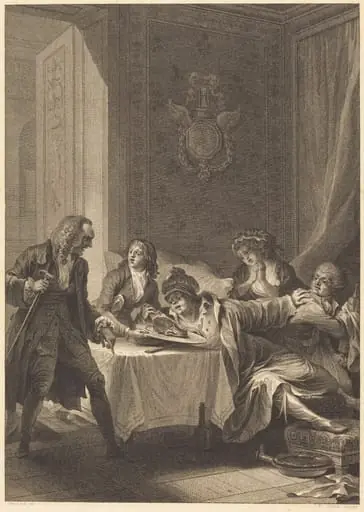
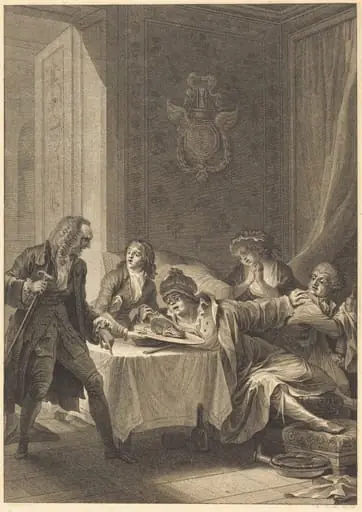
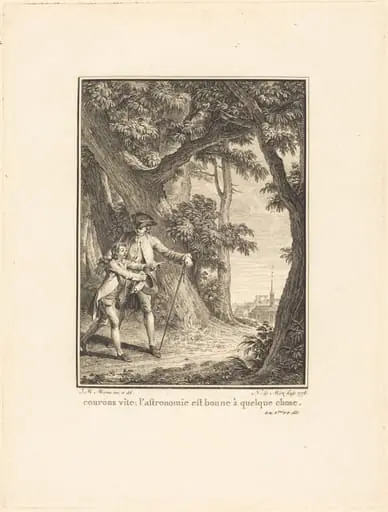 Courons vîte: l'astronomie est bonne à quelque chose
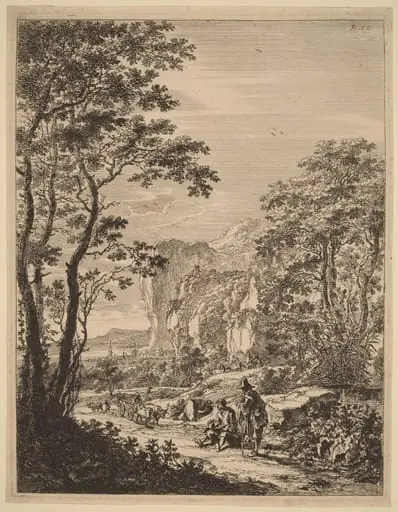 The Ox-Cart: View between Ancona and Sinigaglia
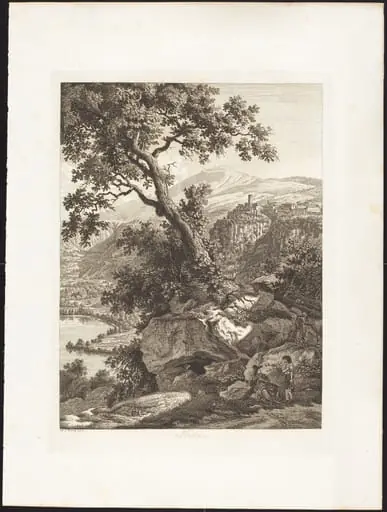 Nemi
Nemi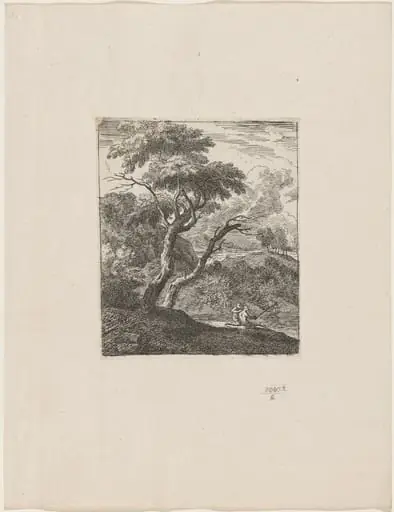 The Two Great Trees
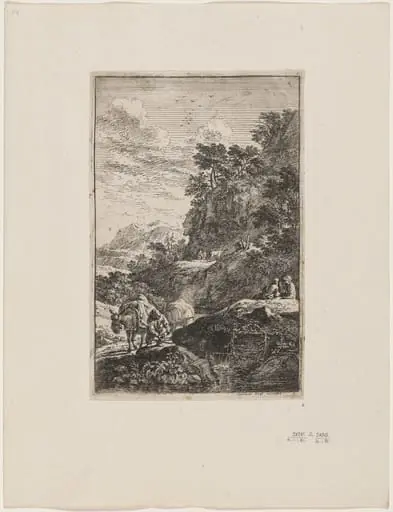 Drover with Two Mules
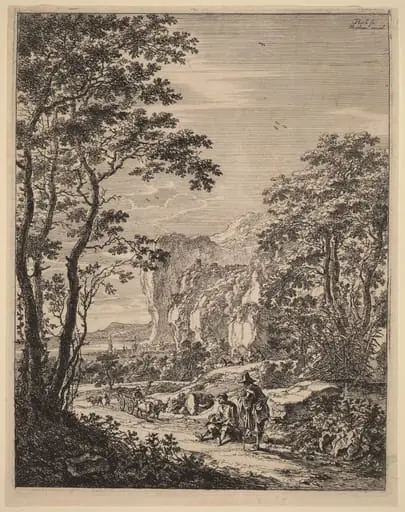 The Ox-Cart: View between Ancona and Sinigaglia
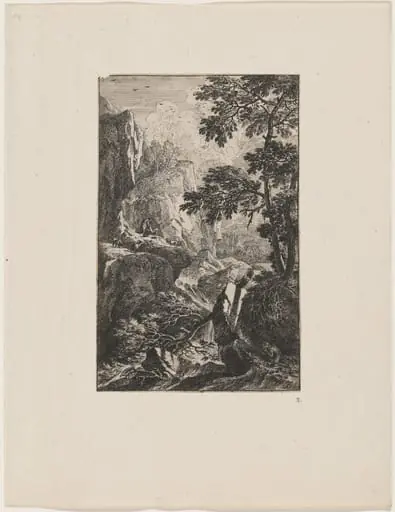 The Hunter
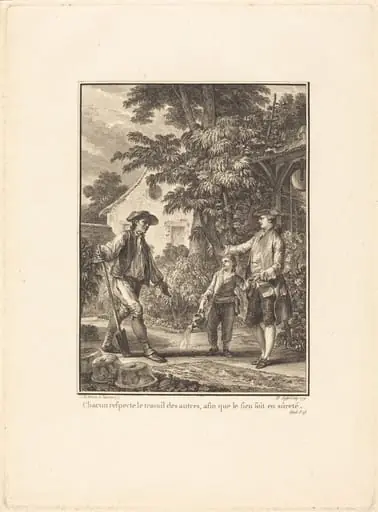 Chacun respecte le travail des autres, afin que le sein soit en sûreté
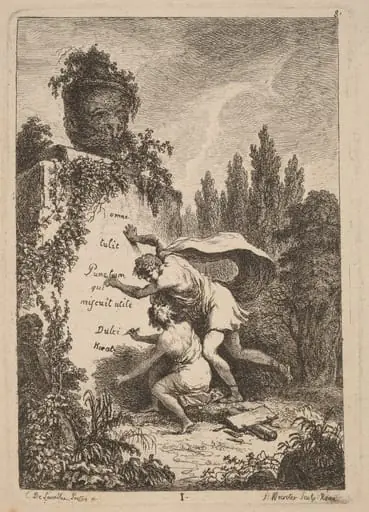 Nella Venuta in Roma: pl. 1
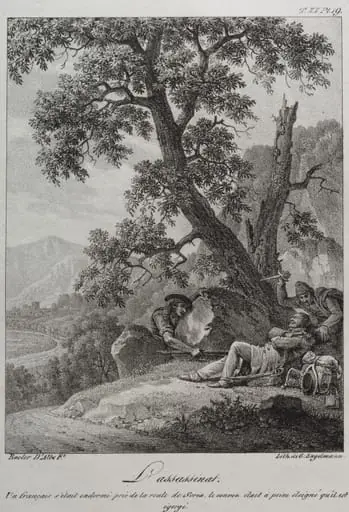 Spanish Campaign: The Assassination
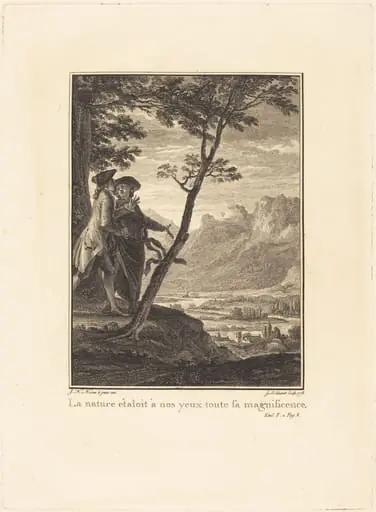 La nature étaloit à nos yeaux toute sa magnificence
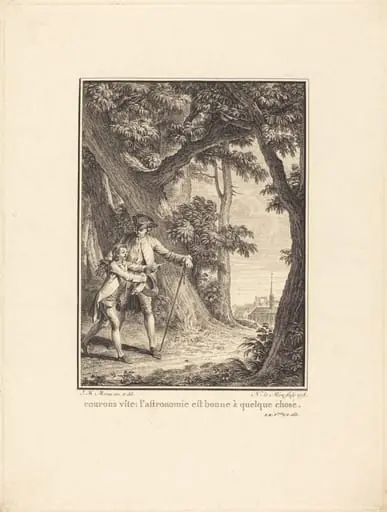 Courons vîte: l'astronomie est bonne à quelque chose