Artwork
Richard Robinson
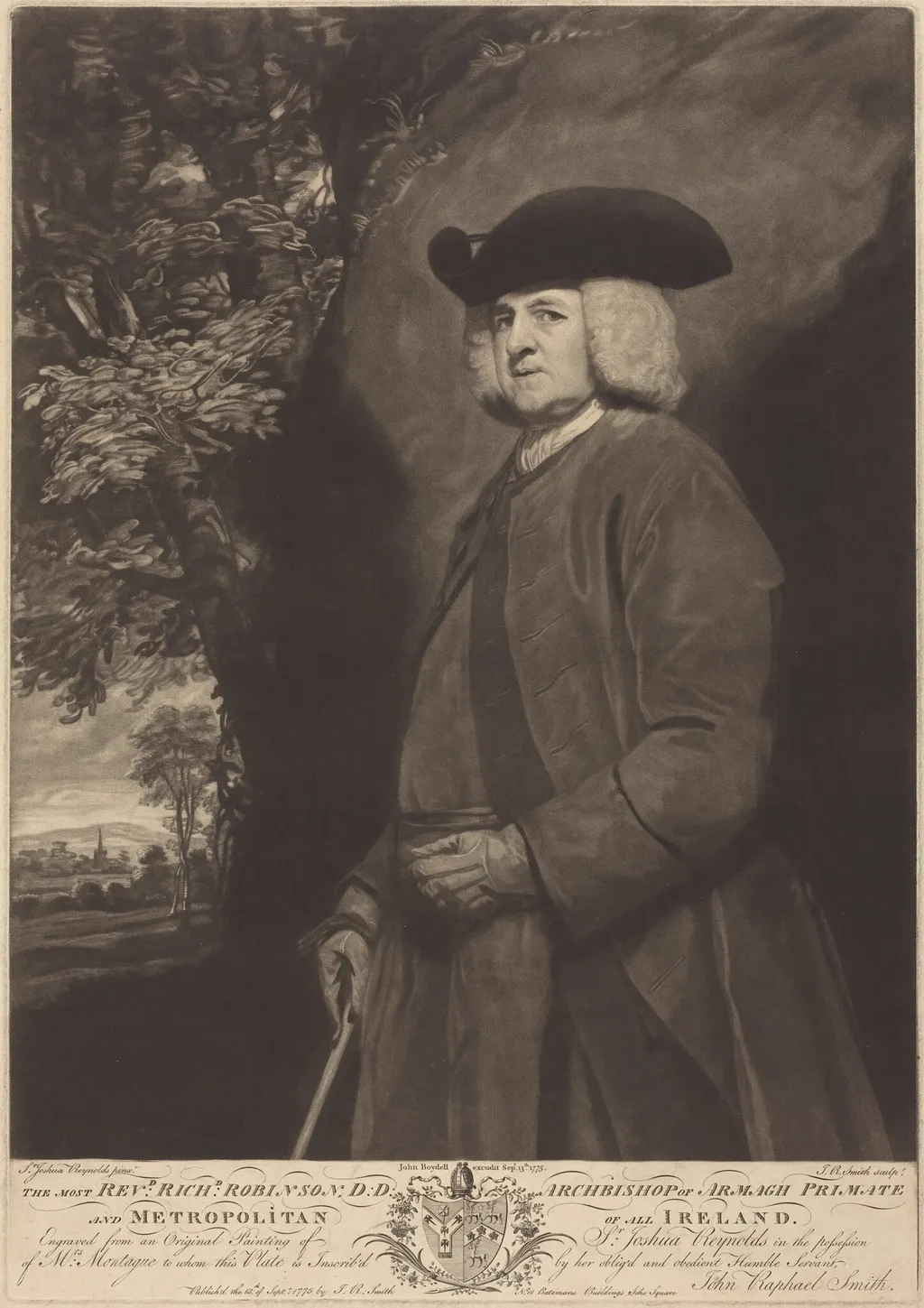
Richard Robinson is an ink print by the Romanticist artist John Raphael Smith. It dates from 1775 and is held in the collection of the National Gallery of Art.
About this work
Overview
This 1775 mezzotint by John Raphael Smith depicts Richard Robinson, Archbishop of Armagh, in a formal portrait. Rendered in monochrome, the print captures the subject with subtle tonal transitions typical of the mezzotint process. The composition is restrained, emphasizing texture and posture over color, and includes a softly rendered background that frames the figure without distraction.
Subject & Meaning
His attire—dark coat, white wig, and cane—reflects ecclesiastical dignity and 18th-century aristocratic norms.
Richard Robinson, Archbishop of Armagh and Primate of All Ireland, is portrayed with quiet authority. His attire—dark coat, white wig, and cane—reflects ecclesiastical dignity and 18th-century aristocratic norms. The direct gaze and composed stance convey gravitas, while the minimal background suggests contemplation rather than grandeur, aligning with the modesty expected of high church officials of the period.
Technique & Style
Smith employed mezzotint, a printmaking method that begins with a roughened plate to produce deep blacks, then smooths areas to create gradations of gray. The technique allows for velvety shadows and delicate highlights, evident in the rendering of the wig’s texture and the folds of the coat. Unlike line engraving, this approach prioritizes tone over outline, lending the image a painterly depth uncommon in contemporary prints.
History & Provenance
John Raphael Smith, a prominent British printmaker and son of landscape painter Thomas Smith, produced this portrait during the height of his career in mezzotint. The work was likely commissioned to commemorate Robinson’s ecclesiastical role. Smith’s son, John Rubens Smith, later emigrated to the United States, continuing the family’s artistic legacy, though this print remained within British circulation.
Context
In late 18th-century Britain, mezzotint was widely used for portraiture among the elite, offering a middle ground between expensive oil paintings and cheaper engravings. Robinson’s position as Archbishop placed him within the Anglican hierarchy, making such portraits tools of status and remembrance. The inclusion of a distant landscape behind the curtain subtly references the ecclesiastical estates associated with his office.
Legacy
Smith’s mezzotints, including this portrait, contributed to the medium’s prestige in British print culture. While not widely reproduced today, the work remains a representative example of how printmakers translated formal portraiture into accessible formats. It reflects the intersection of religious authority, artistic technique, and print commerce in Georgian Britain.
Artist & collection
Artist
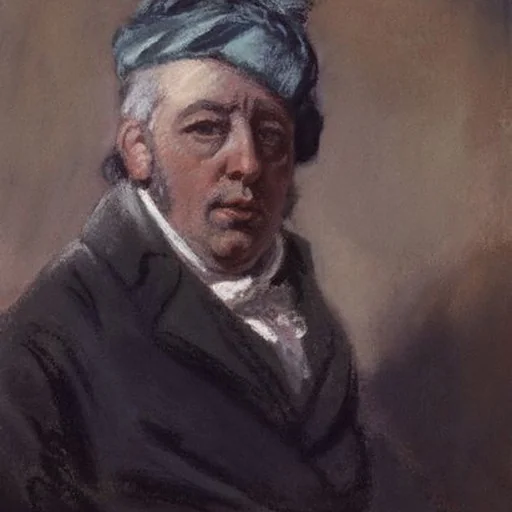
John Raphael Smith (25 May 1751 – 2 March 1812) was a British painter and mezzotinter. He was the son of the landscape painter Thomas Smith and the father of John Rubens Smith, a painter who emigrated to the United States.

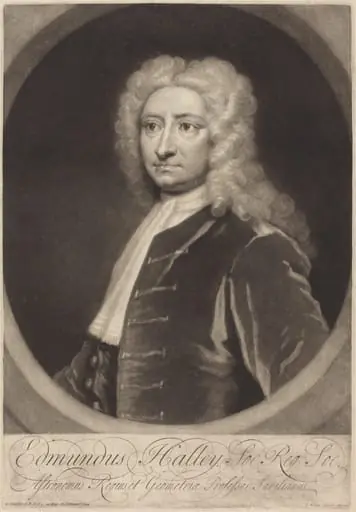 Edmund Halley
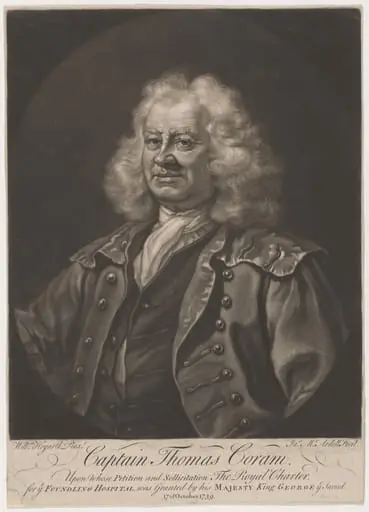 Captain Thomas Coram
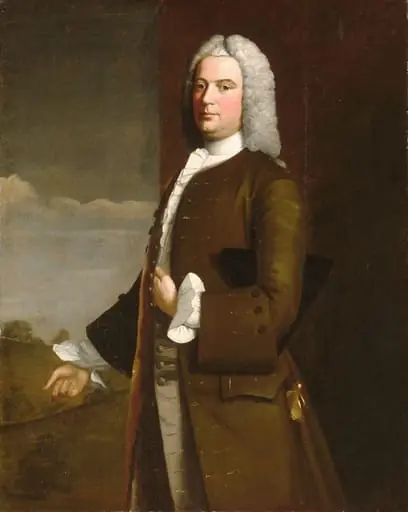 Tench Francis
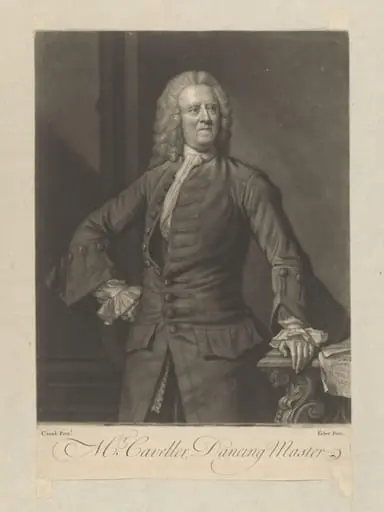 H Beard Print Collection
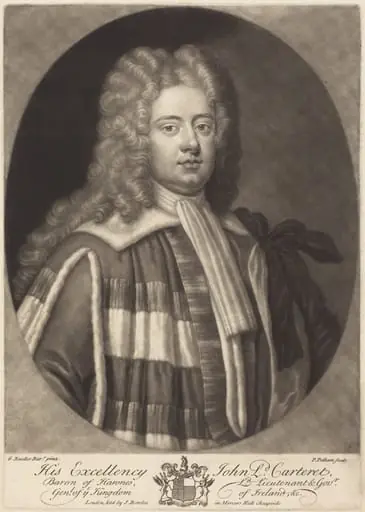 John, Lord Carteret
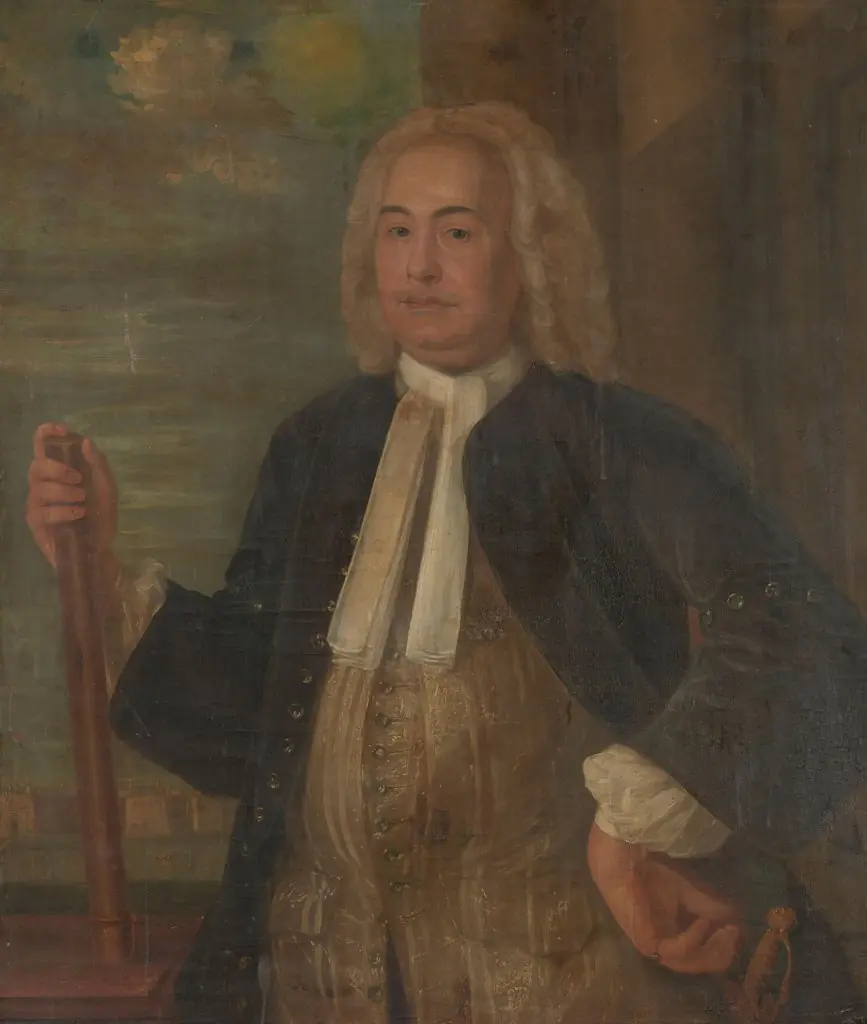 Portrait of Johannes Thedens, Governor-General of the Dutch East India Company
 Captain Alexander Graydon
 Vincent Corbet of Ynysmaengwyn 1651-1713
 John Boydell
 Sir Nicholas Caren of Beddington
 Charles Montagu, First Earl of Halifax
 Portrait of a Man Standing Beside a Table