Artwork
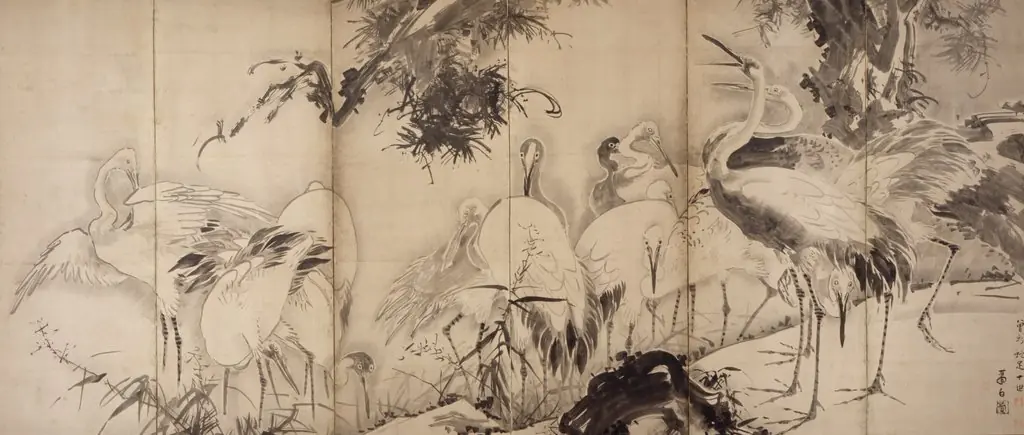
Cranes
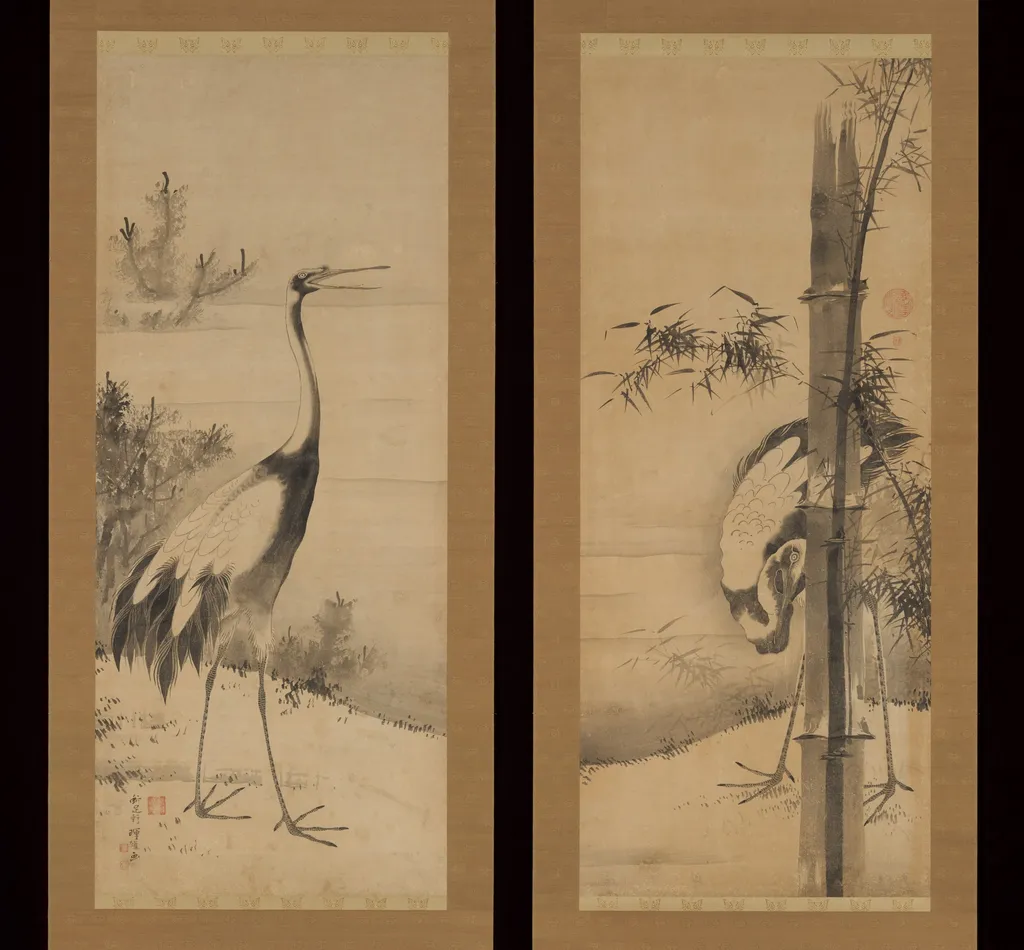
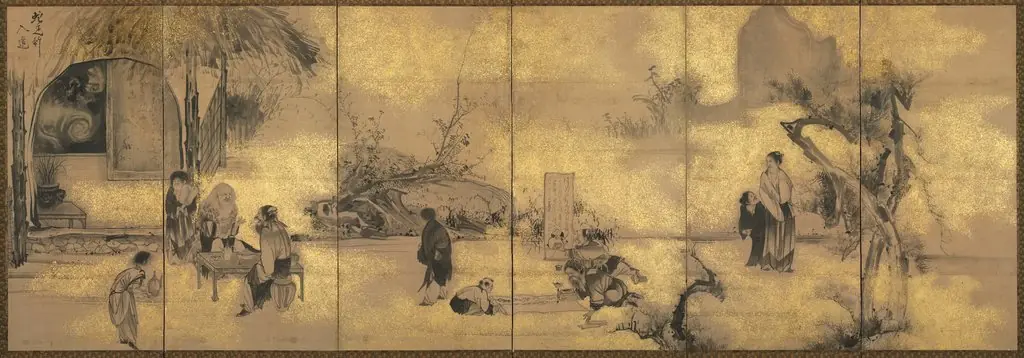
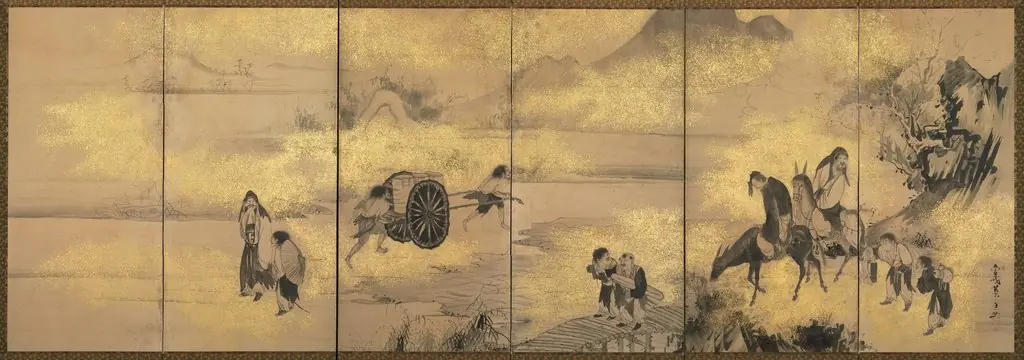
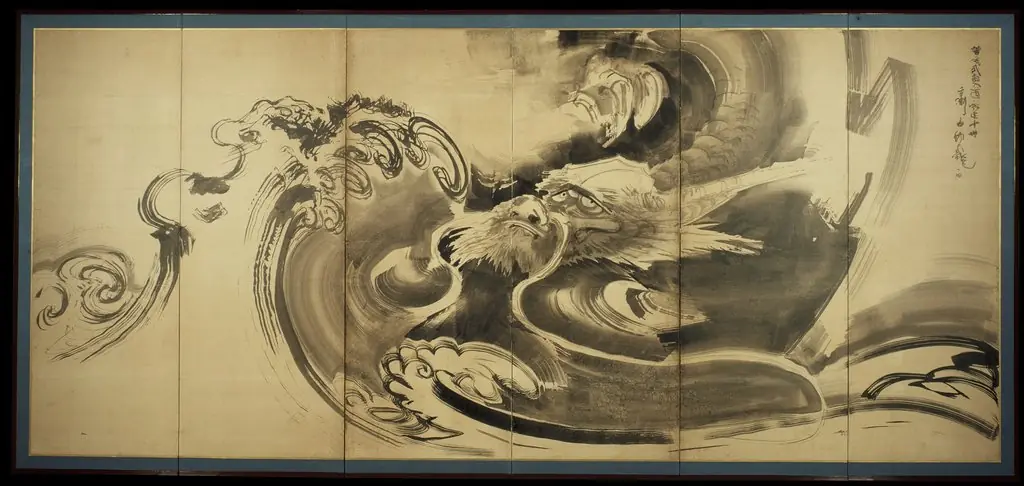
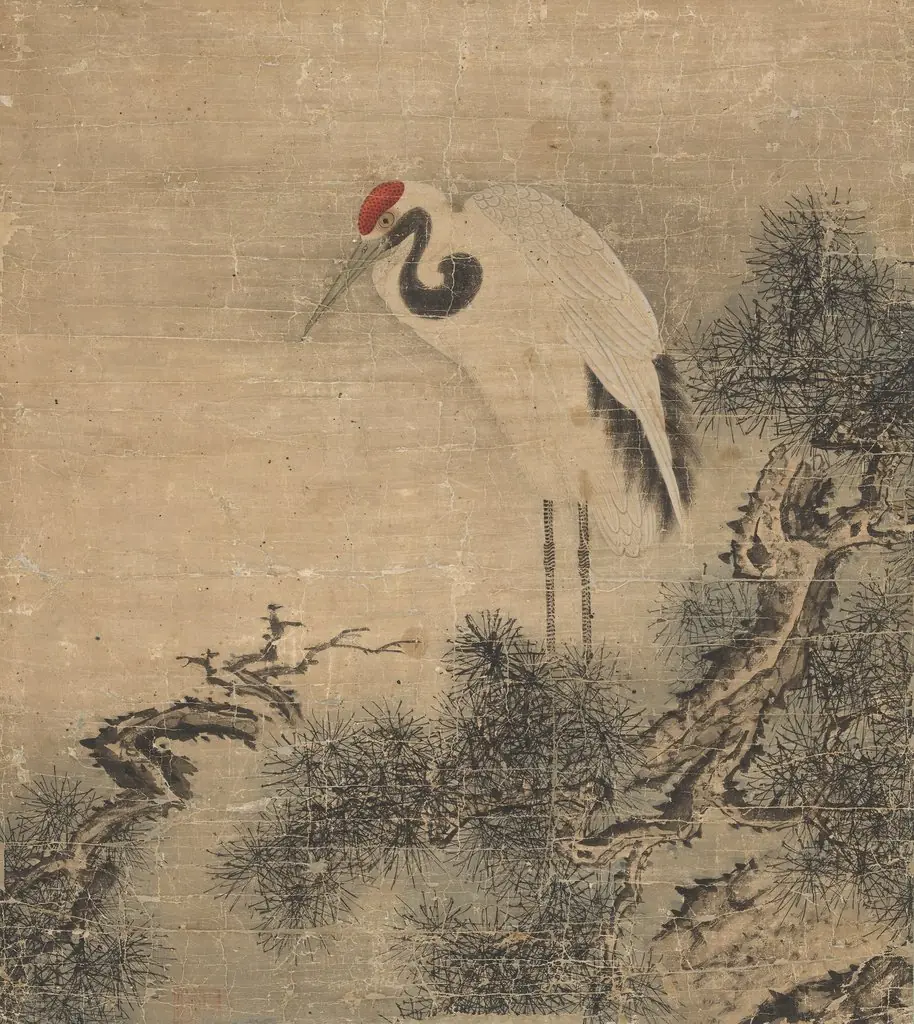
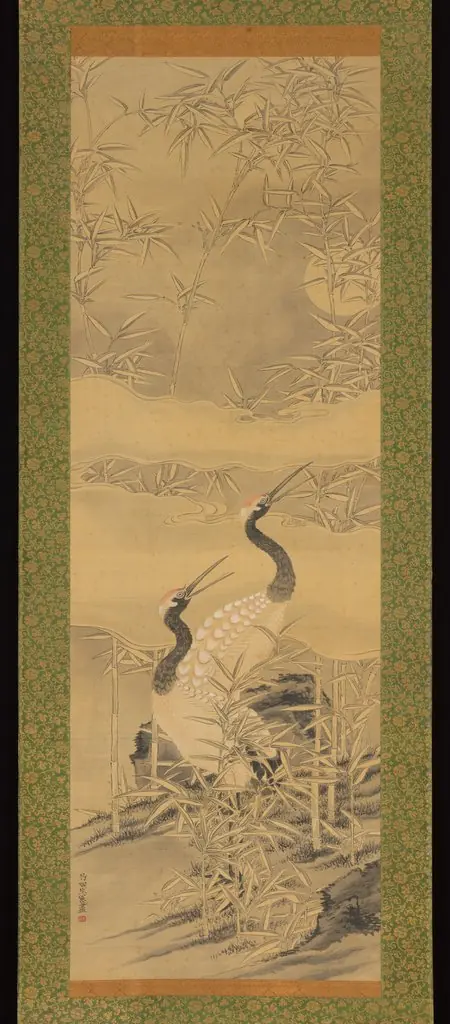
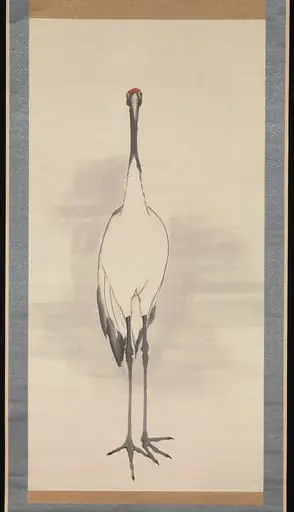
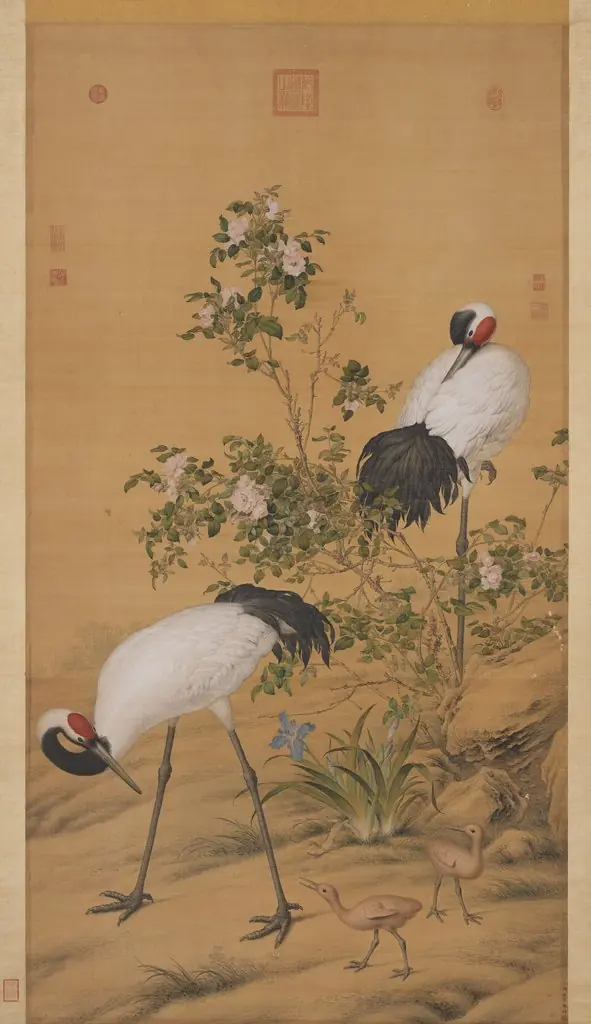
Cranes is an unspecified painting by Soga Shōhaku. It dates from 1760 and is held in the collection of the Metropolitan Museum of Art.
About this work
Overview
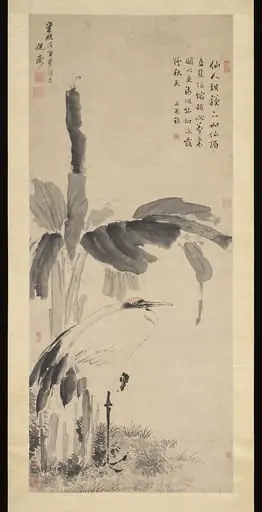
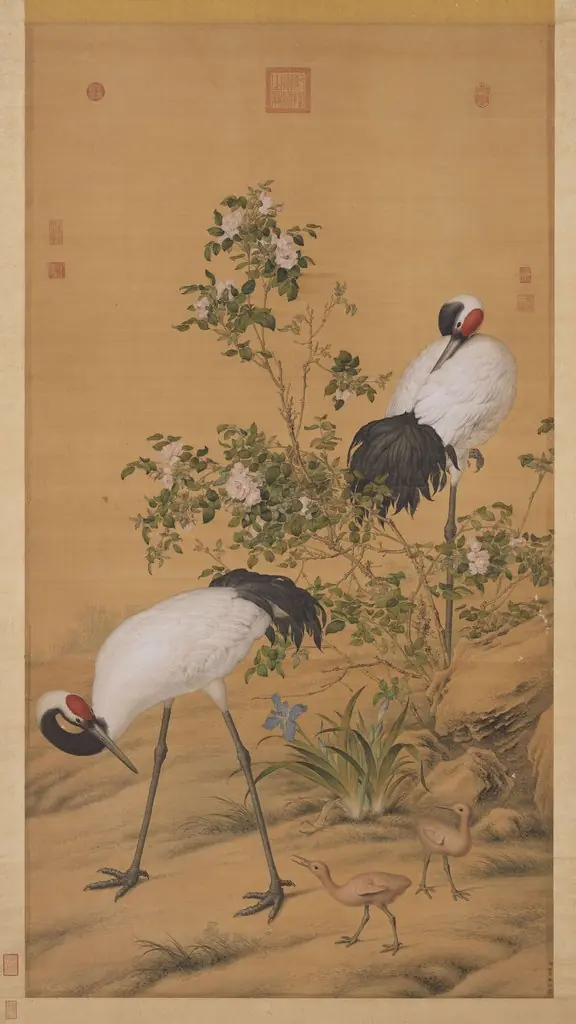
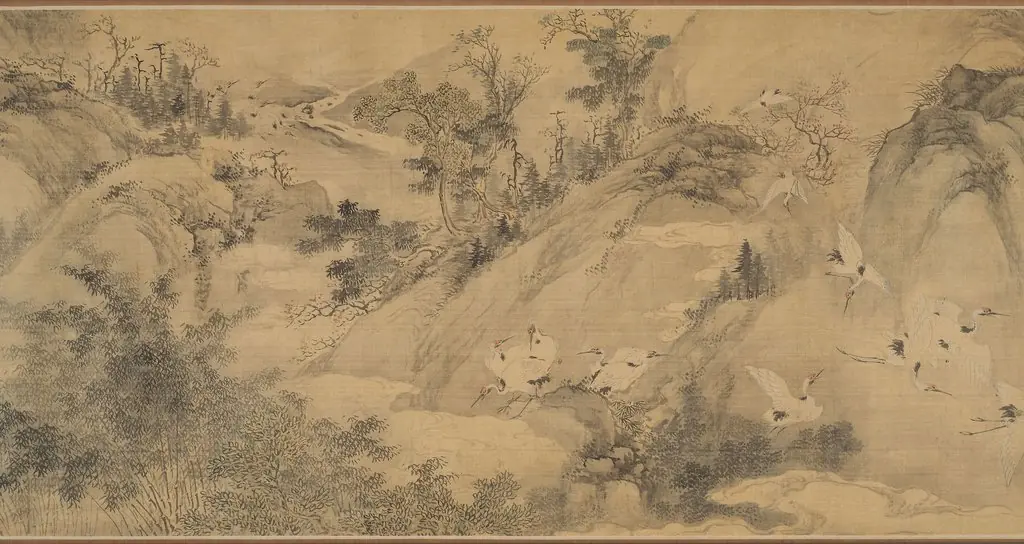
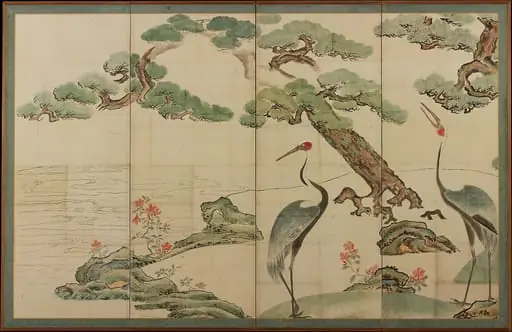
Created in 1760 by the Japanese painter Soga Shōhaku, this diptych presents a solitary crane on the left and a fish amid bamboo on the right. Both images are executed in monochrome ink on a light‑coloured support and are currently part of the collection of the Metropolitan Museum of Art.
Subject & Meaning
The left panel portrays a tall crane standing in grass, its neck arched and beak open as if vocalising, a traditional symbol of longevity and fidelity. The right panel juxtaposes a swimming fish with slender bamboo stalks and scattered leaves, motifs often associated with resilience and seasonal change in East Asian visual culture.
Technique & Style
Shōhaku employs brushwork characteristic of the Edo period, using dense, controlled strokes to render the crane’s plumage and the fish’s scales, while the bamboo is suggested with looser, gestural lines. The composition relies on subtle gradations of ink density to convey depth and texture against a muted, beige background, creating a calm, meditative atmosphere.
History & Provenance
The work has remained in private hands before entering the Metropolitan Museum of Art, where it is displayed as part of the museum’s Asian painting collection. Its date of execution, 1760, places it toward the later phase of Shōhaku’s career, reflecting his mature approach to monochrome ink painting.
Context
During the mid‑eighteenth century, Japanese ink painters often explored natural subjects as a means of expressing personal philosophy and aesthetic restraint. Shōhaku’s choice of crane and fish, paired with bamboo, aligns with the literati tradition that valued simplicity, spontaneity, and the evocation of poetic ideas through minimal means.
Artist & collection
Artist
Shōhaku spent his life in Kyoto, the creative heart of Japan, where he painted scrolls and screens that looked nothing like the soft landscapes of his day.